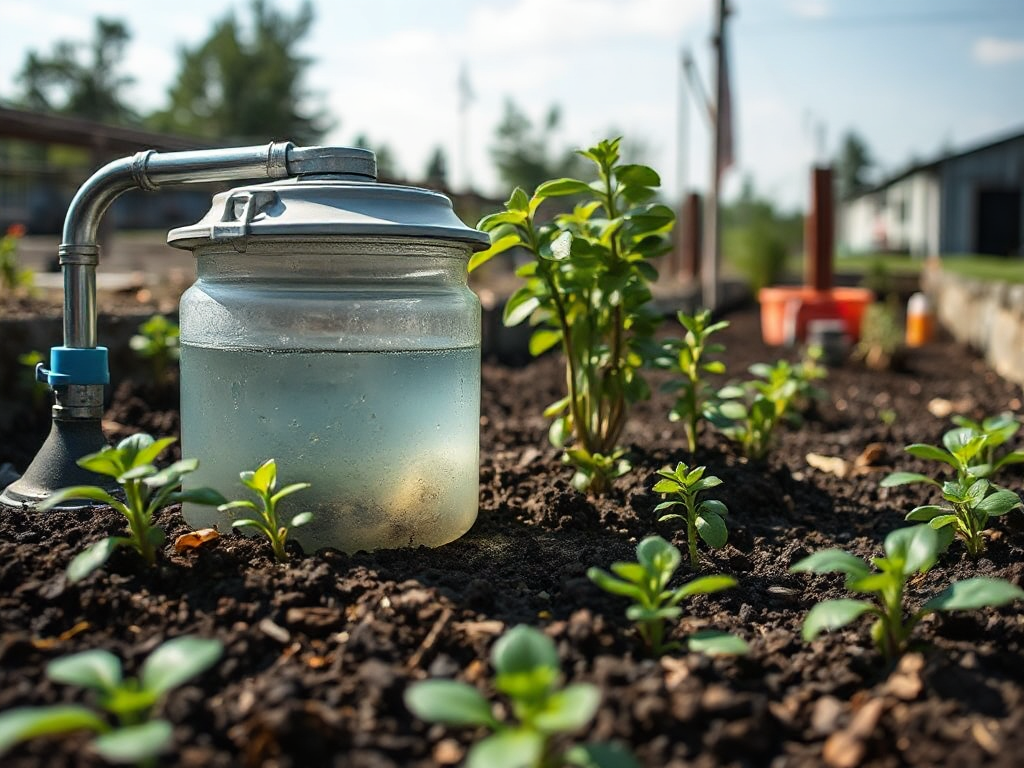
Greywater reuse rules for self-sustainable homesteads center on separating suitable household wastewater, filtering solids, directing it below the soil surface, and following local health and plumbing requirements. Water from showers, bathroom sinks, and laundry is often more suitable than kitchen, toilet, or heavily chemical wastewater because grease, pathogens, salts, and harsh cleaners create disposal risks. Use biodegradable, low-sodium products, keep flows away from wells and surface water, prevent ponding, and design an easy bypass to the septic or sewer system. Before construction, verify state, county, and municipal rules because permits, setback distances, treatment standards, and allowable irrigation uses vary substantially.
What Counts as Greywater on a Homestead
Greywater is household wastewater that has not come from a toilet, bidet, or other source containing human waste. On a rural property, the most practical sources are usually showers, bathtubs, bathroom sinks, and washing machines. Water from these fixtures still contains skin cells, hair, detergent residues, and microorganisms, so “grey” does not mean harmless or ready for unrestricted discharge.
Kitchen sink and dishwasher water deserves separate treatment. Food particles, fats, oils, and grease can clog pipes, produce odors, and overload a simple mulch basin or subsurface irrigation line. Some jurisdictions classify kitchen wastewater differently for that reason. Toilet water is blackwater and should remain in an approved septic, sewer, composting-toilet, or other legally permitted sanitation system.
A useful first decision is whether the proposed reuse stream is predictable and relatively clean. A household that uses one shower, a bathroom sink, and a small washing machine may generate a manageable flow. A larger household with frequent laundry creates a different hydraulic and soil burden. The amount of water matters, but its concentration matters just as much: intermittent laundry discharge can deliver a strong dose of detergent and salts to one area.
Keep the system’s purpose narrow. Reusing bathroom and laundry water for ornamental trees or established landscape plants is generally easier to manage than attempting to supply edible crops, indoor plumbing, or drinking water. The latter applications require treatment and regulatory controls beyond a basic homestead diversion system. A common mistake is treating all household drains as interchangeable; separating sources at the planning stage prevents many later problems.
For a broader property water plan, connect this decision with Greywater reuse rules for self-sustainable homesteads rather than designing greywater in isolation from septic capacity, roof runoff, and seasonal water demand.
Regulatory and Site Rules to Verify First
Local requirements control whether a greywater project is allowed, what sources may be diverted, whether a permit is needed, and how far the system must be kept from wells, streams, property lines, foundations, and areas of public access. Rules may differ between a simple laundry-to-landscape arrangement and a pressurized or treated system. The correct authority may be a county environmental health office, building department, plumbing authority, water agency, or several of them.
Do not rely on an online diagram from another state as proof that a design is legal. A system permitted in an arid jurisdiction may not meet requirements in a region with shallow groundwater, heavy rainfall, freezing conditions, or stricter onsite wastewater controls. Ask the local office specifically about allowable greywater sources, maximum daily flows, treatment expectations, application methods, setback measurements, inspection requirements, and whether a licensed installer is required.
Site conditions can make an otherwise legal design unsuitable. Map private wells, springs, drainage swales, seasonal streams, septic components, foundations, and areas where children or animals play. Observe the property after heavy rain: a place that already holds water is a poor discharge location, even if it appears convenient beside the laundry room. Sloping ground may carry contaminants downhill, while compacted clay may cause surface breakout.
Keep records before digging. A simple sketch showing fixture connections, valve locations, cleanouts, distribution points, and the emergency bypass can help with permitting and future repairs. Label buried lines and photograph their routes before backfilling. The common failure is beginning with plumbing hardware and checking rules afterward; reversing that order can leave a costly installation unusable.
When requirements are unclear, choose the least complex lawful option or pause the project. A temporary manual diversion into approved landscape areas may be more sensible than installing pumps, tanks, and filters before the property’s constraints are understood. Regulatory compliance is not merely paperwork: it protects drinking-water sources and reduces the chance that a failed system will expose people, animals, or neighboring land.
Designing a Low-Risk Reuse System
A reliable homestead system separates greywater at the source, moves it through accessible piping, and distributes it without creating standing pools. Gravity flow is often simpler than pumping because it uses less equipment and remains usable during a power outage, but it requires adequate slope and a suitable receiving area. Pumped systems can serve distant planting zones or uneven sites, yet they add electrical demand, controls, and failure points.
Every diversion should include a readily usable bypass. A three-way valve or equivalent arrangement lets the household send water back to the septic or sewer system when the ground is saturated, temperatures are freezing, the distribution area is being repaired, or unsuitable cleaning products were used. The bypass should be labeled and reachable without dismantling walls or crawling beneath a structure.
Use a design that limits human contact. Subsurface distribution, covered mulch basins, or other approved below-surface methods are generally preferable to spraying greywater across a yard. Avoid connections that could create cross-contamination with potable plumbing. Greywater should never be stored for long periods in an untreated tank because warm, oxygen-poor water can develop odors and microbial growth.
Filtration must match the source and the outlet. A small screen can catch hair and lint, but it will not remove dissolved salts, detergents, pathogens, or grease. Fine filters may clog quickly when used on laundry discharge. Accessibility matters more than an impressive filter rating: a filter hidden behind a wall is likely to be neglected, while a visible cleanout can be inspected before a blockage becomes a backup.
Consider a bathroom-only branch as a beginner design and a whole-property, pressurized network as an advanced project. The smaller system produces less water and may not justify elaborate equipment, but it is easier to observe. The larger system can distribute flow more evenly yet needs balanced emitters, overflow protection, pump maintenance, and a clear response plan. A common mistake is sizing the system for peak household output without checking whether the soil and plants can accept that volume during wet weather.
Before permanent installation, test the intended route with clean water and watch for pooling, slow drainage, erosion, or unexpected flow toward buildings. A short, observable run often reveals more than a complicated plan made from measurements alone.
Soil, Plants, Products, and Seasonal Operation
Greywater reuse works best when the receiving soil can absorb the flow and the selected plants tolerate the water’s chemistry. Sandy or well-structured soil may drain readily, while compacted clay can become saturated near the surface. A percolation or infiltration assessment, combined with observation after several discharge cycles, is more useful than assuming that an area is suitable because grass grows there.
Established trees, shrubs, and ornamental perennials are often easier targets than seedlings or shallow-rooted vegetables. Direct contact with edible portions creates hygiene concerns, and local rules may restrict greywater on food crops. If food production is the goal, reserve treated potable or rainwater for crops and use greywater for windbreaks, shade trees, or non-edible landscape plants unless the relevant authority explicitly permits another method.
Cleaning products influence long-term soil performance. Prefer products labeled biodegradable and low in sodium, boron, chlorine, and harsh solvents, while recognizing that labels are not a substitute for local requirements or a complete chemical analysis. Fabric softeners, bleach-heavy wash cycles, degreasers, and antibacterial products may harm soil organisms, stress plants, or increase salt accumulation. A product that is acceptable for a short indoor cleaning task may be a poor choice for repeated landscape discharge.
Use seasonal judgment rather than running the system continuously. During prolonged rain, frozen ground, drought-stressed plant dormancy, or periods when the receiving soil smells anaerobic, divert the flow away. In hot weather, mulch can reduce evaporation and shield the distribution area, but it should not conceal persistent ponding. Signs that the approach is working include even infiltration, healthy plants away from the discharge point, no foul odor, and no visible greywater leaving the intended zone.
Salt buildup is a less obvious failure than a clogged pipe. It may appear as declining plant vigor, a pale crust on soil, or reduced infiltration after repeated laundry use. Rotating discharge areas, reducing problematic products, and allowing rain or approved freshwater to move through the soil may help, but severe or persistent damage warrants local soil and water advice. The weak assumption to avoid is that “natural” soap automatically makes any greywater suitable; quantity, ingredients, soil texture, and application method all interact.
For households comparing conservation options, Greywater reuse rules for self-sustainable homesteads should be weighed against low-flow fixtures, rainwater storage, and leak reduction. Reducing demand first may produce a simpler and safer result than building a system to handle avoidable wastewater.
Inspection, Maintenance, and Failure Signs
Greywater systems need routine observation because their problems usually develop gradually. Inspect accessible screens, valves, cleanouts, mulch basins, and distribution points according to the system’s use, with extra attention after installing a new detergent or changing laundry volume. Remove lint and hair before they reach narrow lines, but dispose of collected material in household waste rather than washing it into another drain.
Check the bypass several times a year so it does not seize in the position you least need. Confirm that water can reach the approved backup route and that everyone who uses the home knows which valve setting is normal. If a pump is installed, inspect the intake, float, electrical protection, and alarm or overflow arrangement. Never improvise electrical repairs in a damp pit.
Stop diversion and investigate when any of these conditions appear:
- Standing water remains after the normal infiltration period or reaches a walkway.
- Wastewater backs up indoors, smells strongly, or appears unusually dark or greasy.
- Plants closest to the outlet decline while areas farther away remain healthy.
- Water flows toward a well, foundation, ditch, stream, or neighboring property.
- Soil develops a crust, becomes persistently soft, or shows signs of erosion.
Do not solve a recurring backup by adding more outlets without finding the cause. The problem may be a blocked filter, undersized pipe, saturated soil, excessive daily flow, or an incorrect slope. Adding outlets can spread the same contaminant load over a larger area without correcting the hydraulic imbalance. Compare daily discharge with the receiving area’s actual infiltration behavior, then reduce flow, rotate zones, improve maintenance access, or return the source to the septic system as appropriate.
Keep a short operating log during the first season: date, source used, approximate laundry or shower activity, weather, valve position, and observations at the discharge area. That record can reveal that failures follow wet weeks, a particular detergent, or unusually large wash loads. It also gives a plumber or local official concrete information instead of a vague report that “the system stopped working.” A cautious maintenance routine protects the water-saving benefit without turning greywater into an unmanaged sanitation hazard.
Because greywater rules vary by location, consult your state environmental agency, county environmental health department, and local building or plumbing authority before installation. University extension services and recognized water-reuse organizations can provide useful design context, but local approval controls the legal and site-specific requirements for a homestead project.
Frequently Asked Questions
Can shower water be reused on a homestead?
Often, shower water is among the more suitable greywater sources, provided local rules allow it and the system uses an approved, low-contact discharge method. Hair, soap residues, and cleaning chemicals still require screening and sensible product choices.
Should kitchen sink water go into a greywater system?
Usually it should be handled separately because food scraps, grease, and oils clog simple diversion systems and create odors. Some jurisdictions permit treated kitchen wastewater, but that generally requires different equipment and approval.
Can greywater be used on vegetable gardens?
Restrictions vary, and direct contact with edible crops creates added hygiene concerns. Unless local authorities specifically permit the practice with an approved method, use greywater for non-edible plants and reserve cleaner water for food crops.
Why does greywater sometimes create a bad smell?
Odor commonly develops when water sits in a tank or pipe, organic material accumulates, filters clog, or soil remains saturated. Bypass the system, inspect the source and distribution path, and correct the cause rather than masking the smell with chemicals.
Does greywater reuse require a permit?
It may. Permit rules depend on the location, wastewater source, daily flow, treatment level, and discharge method. Contact the relevant local health, plumbing, or building authority before buying equipment or altering household drainage.
Further Reading
Authoritative Sources
- Academy of Nutrition and Dietetics
eatright.orgProfessional nutrition guidance, healthy eating resources, and practical dietitian-reviewed advice.
- U.S. Department of Agriculture
usda.govOfficial food, nutrition, agriculture, and consumer guidance from the USDA.
- NIH Office of Dietary Supplements
ods.od.nih.govResearch-based fact sheets on nutrients, supplements, dietary intake, and safety considerations.
- International Society of Sports Nutrition
sportsnutritionsociety.orgEvidence-informed sports nutrition resources and position stands for active people and athletes.
Conclusion
A dependable homestead greywater system begins with source separation and local verification, not with a storage tank or irrigation fitting. Keep toilet and usually kitchen wastewater out of basic diversion designs, choose a receiving area that drains without ponding, and provide a simple bypass for wet weather, maintenance, and unsuitable products. Subsurface distribution, accessible filters, low-sodium cleaning products, and regular observation reduce the most common problems, but they do not replace site assessment or legal approval. Begin with the smallest useful flow, document buried components, and watch soil and plant response through a full season. If water backs up, smells, travels beyond the intended zone, or damages vegetation, stop diversion and investigate before expanding the system.