Protecting Young Fruit Trees From Browsing Animals With Guards, Fencing, and Repellents
Self Reliance

Protecting Young Fruit Trees From Browsing Animals With Guards, Fencing, and Repellents

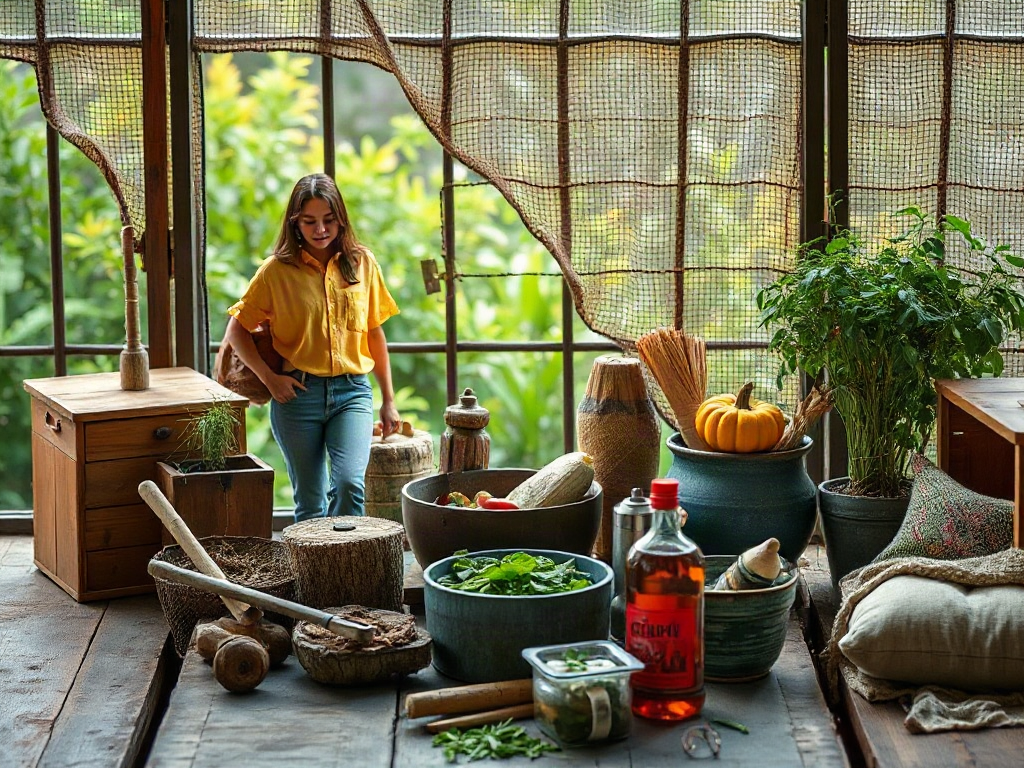
Protect young fruit trees from browsing animals by placing a rigid, ventilated guard around each trunk and using fencing tall or wide enough to stop deer, rabbits, or livestock from reaching shoots and bark. Guards should extend above expected snow depth, leave room for trunk growth, and be checked for rubbing, trapped moisture, and rodents.

, , , ,
Planning Humane Livestock Processing Before Raising Meat Animals (Booking, Transport, and Carcass Decisions)
Self Reliance

Planning Humane Livestock Processing Before Raising Meat Animals (Booking, Transport, and Carcass Decisions)

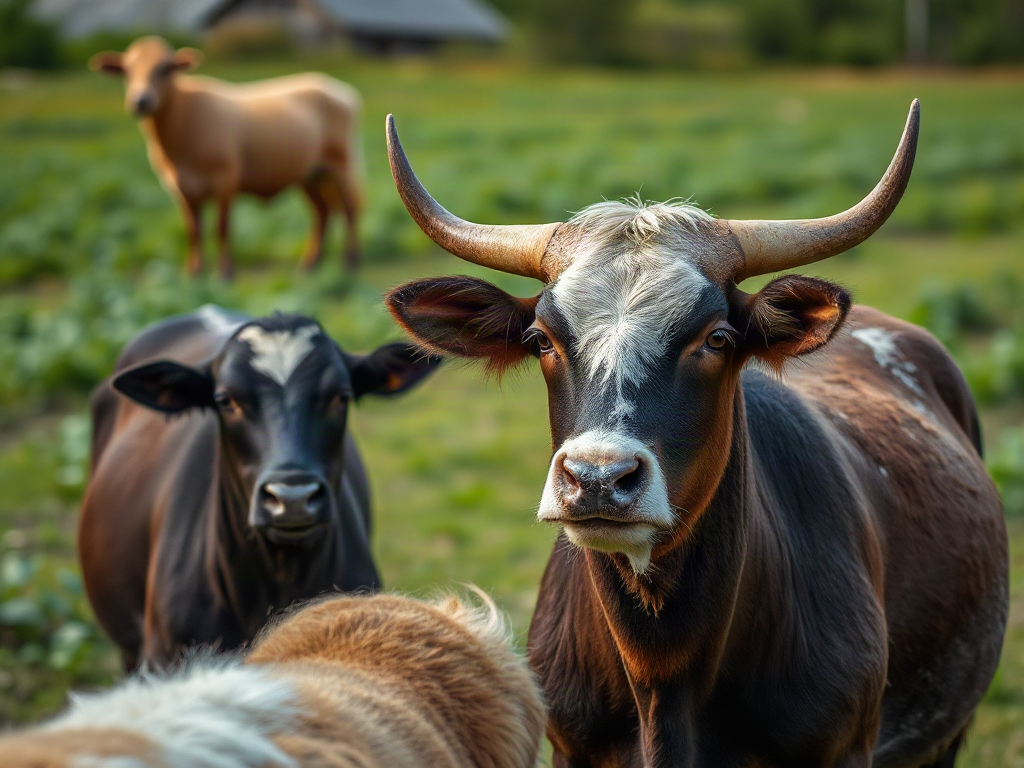
Humane livestock processing should be arranged before meat animals arrive by confirming a lawful processor, reserving a slaughter date, matching that date to expected finishing weight, and preparing low-stress transport. Ask how the facility handles each species, what withdrawal records it requires, which carcass instructions must be submitted, and whether…

, , , ,
Recognizing Dehydration Signs in Beginner-Kept Livestock: Symptoms and Response Steps
Self Reliance

Recognizing Dehydration Signs in Beginner-Kept Livestock: Symptoms and Response Steps

Recognizing dehydration in beginner-kept livestock requires comparing an animal’s normal behavior with changes in drinking, appetite, alertness, manure or urine output, eye appearance, and mouth moisture. Dry or tacky gums, sunken eyes, weakness, reduced output, and skin that returns slowly after a gentle pinch may indicate a worsening fluid deficit…

, , , ,
Quarantining New Poultry Before Joining an Existing Flock: Timing, Setup, and Health Checks
Self Reliance

Quarantining New Poultry Before Joining an Existing Flock: Timing, Setup, and Health Checks

Quarantine new poultry before joining an existing flock by housing the arrivals in a separate enclosure with dedicated feeders, drinkers, footwear, and cleaning tools while monitoring them for illness. Keep the groups far enough apart to prevent direct contact and reduce exposure through droplets, manure, equipment, and caretakers.

, , , , ,
Storing Animal Feed Safely Through Humid Summers With Dry Bins, Airflow, and Stock Rotation
Self Reliance

Storing Animal Feed Safely Through Humid Summers With Dry Bins, Airflow, and Stock Rotation

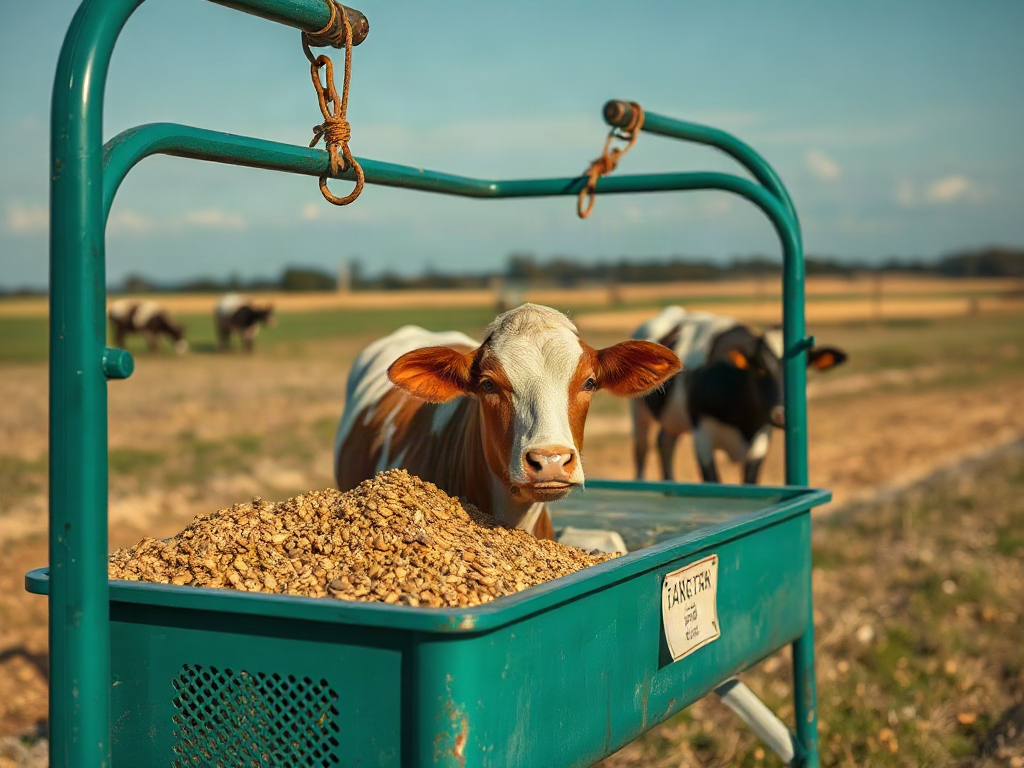
Storing animal feed safely through humid summers means limiting moisture exposure with sealed bins, a dry raised storage area, steady airflow, and stock rotation based on purchase dates. Keep bags off concrete and exterior walls, transfer opened feed into clean food-grade containers, and avoid mixing a new batch into old residue.

, , , ,
Preventing Rodent Damage in Homestead Feed Storage: Containers, Barriers, and Inspection Methods
Self Reliance

Preventing Rodent Damage in Homestead Feed Storage: Containers, Barriers, and Inspection Methods

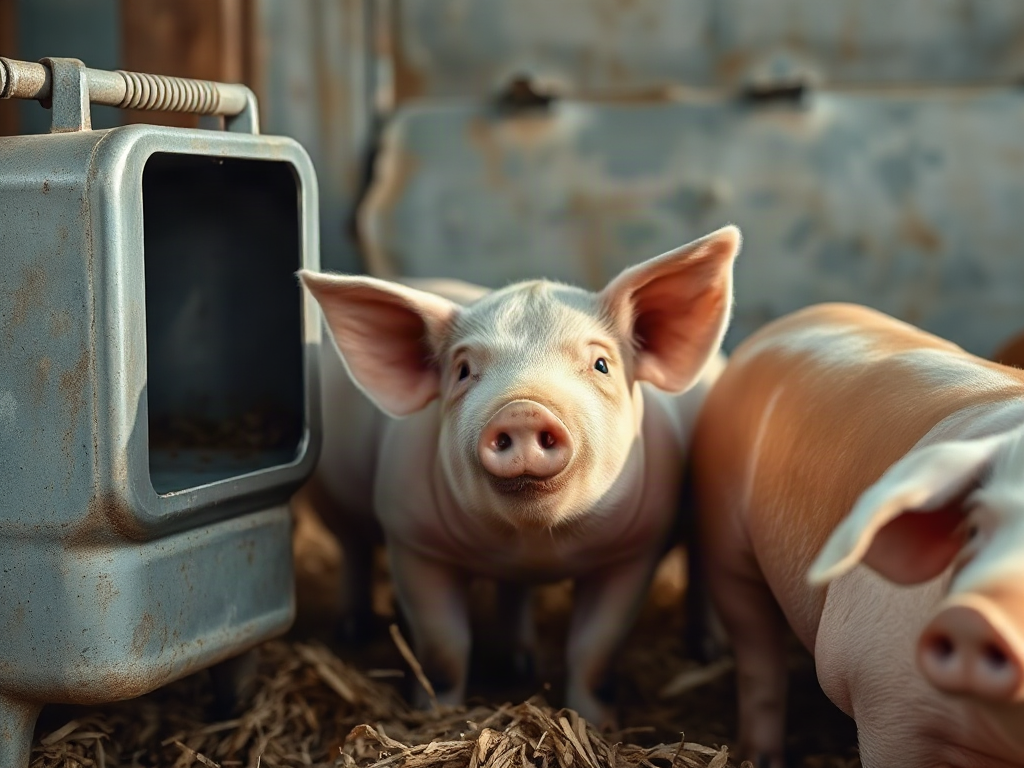
Preventing rodent damage in homestead feed storage depends on removing easy access to feed, blocking entry routes, and detecting activity before contamination spreads. Keep grain and pellets in tightly lidded metal containers, raise them off damp floors, clean spills promptly, and seal openings around doors, walls, pipes, and roof edges.

, , , ,
Self Reliance

Learning Basic Chainsaw Safety Before Cutting Firewood: A Pre-Cut Checklist for PPE, Kickback, and Log Support

Basic chainsaw safety before cutting firewood means inspecting the saw, wearing chainsaw-resistant leg protection and other protective gear, controlling the kickback zone, and supporting each log so the guide bar will not pinch or strike the ground.

, , , , ,
Choosing a Reliable Homestead Power Backup (Load Math, Runtime, and Transfer Methods)
Self Reliance

Choosing a Reliable Homestead Power Backup (Load Math, Runtime, and Transfer Methods)

A reliable homestead power backup should match essential electrical loads, deliver enough surge capacity for pumps and motors, and remain operable through the longest likely outage. Calculate running watts and startup demand separately, then compare generator fuel storage, battery usable capacity, solar recharge limits, and seasonal conditions.

, , , ,
Marking Utility Lines Before Digging Homestead Projects — Steps From 811 Request to Safe Excavation
Self Reliance

Marking Utility Lines Before Digging Homestead Projects — Steps From 811 Request to Safe Excavation

Marking utility lines before digging homestead projects should begin with an 811 locate request, followed by a site walk, verification of every marked route, and cautious exposure where planned excavation approaches a utility. Provide precise work-area boundaries, wait for all notified operators to respond, and preserve the colored flags and paint until digging is finished.

, , ,
Scroll to Top