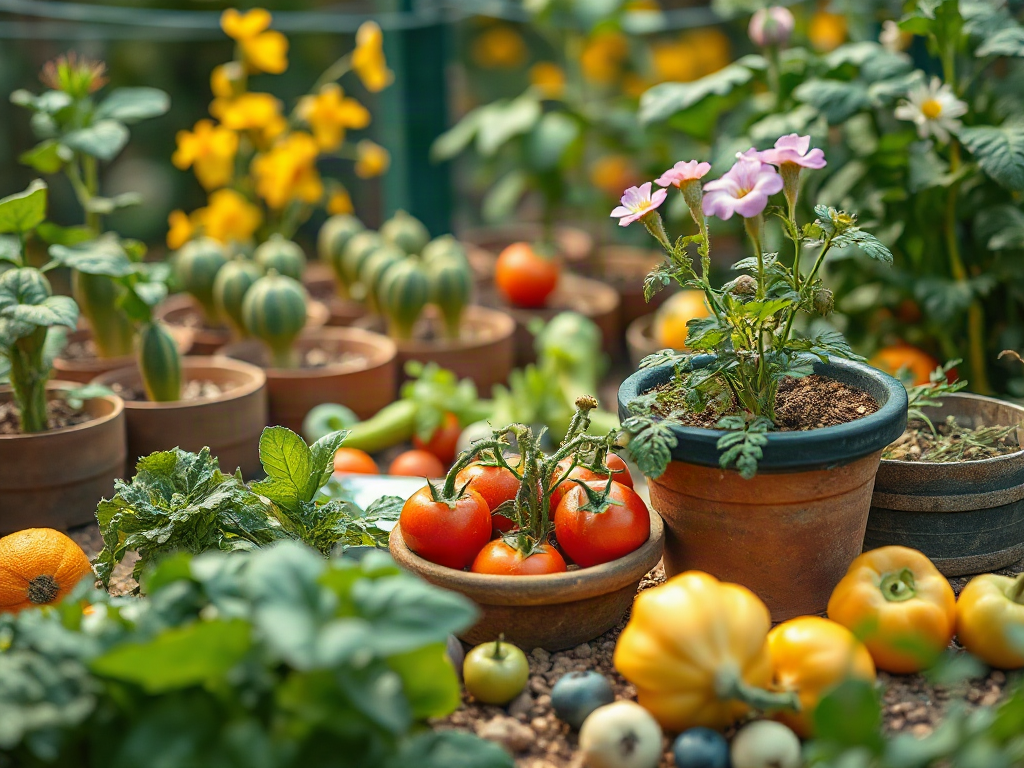
A beginner garden can fit into about two to four hours per week when the growing area stays small, crops match the site, and recurring work is reduced with mulch, simple irrigation, and realistic spacing. Begin with one or two beds or several large containers rather than converting an entire yard. Grow a short list of vegetables and herbs your household uses, placing plants with similar watering needs together. A weekly inspection catches dry soil, weeds, pests, and harvest-ready produce before they become time-consuming problems.
How Much Garden Can You Manage Each Week?
Garden size should be based on available maintenance time, not unused yard space. A compact plot receiving consistent attention usually produces more usable food than a large planting that becomes difficult to water, weed, inspect, and harvest. For a first season, one raised bed measuring roughly 4 by 8 feet, two narrower in-ground rows, or four to six large containers provides enough room to learn without creating a second job.
The workload comes from more than planting. Soil dries out, weeds emerge, vines need guidance, ripe produce must be picked, and damaged foliage needs inspection. These jobs arrive repeatedly and sometimes at the same time. A garden that takes only an hour to plant may demand several hours during a hot week if its watering method and crop selection were not planned around the gardener’s schedule.
Use your busiest normal week as the planning standard. If Tuesday and Thursday evenings are unavailable, do not assume they will become reliable garden days in summer. Reserve one main session of 60 to 90 minutes and two short checks of 10 to 20 minutes. The brief checks are especially useful during heat, seed germination, and peak harvest, when waiting seven days can lead to wilted seedlings or oversized produce.
| Garden Scale | Practical Starting Setup | Typical Weekly Pattern |
|---|---|---|
| Very limited time | Three or four large containers | Two brief checks plus one 30- to 45-minute session |
| Moderate commitment | One small raised bed | Two brief checks plus one 60- to 90-minute session |
| More space and time | Two small beds | Several checks plus one or two longer sessions |
These ranges are planning estimates rather than guarantees. Climate, soil, crop choice, pest pressure, and irrigation all change the labor required. Containers are easy to reach and keep orderly, but they can dry faster than beds. In-ground plots hold more plants at lower material cost, yet new ground often brings more weeds. Raised beds offer defined boundaries and comfortable access, although filling them requires an initial investment.
A common mistake is expanding immediately after the first successful harvest. Record the actual minutes spent watering, weeding, staking, and picking for several weeks before adding space. Consistently finishing the work without postponing harvests or letting weeds set seed is a better expansion signal than enthusiasm alone.
Which Crops Keep the Workload Manageable?
Low-work crop selection starts with plants suited to the site’s sunlight, season, and available space. A vegetable that struggles in the wrong conditions demands extra watering, pest attention, or repeated replanting. Check the local frost calendar and seed packet directions, then match the crop to the actual hours of direct sun rather than the brightest-looking part of the yard.
For many beginners, bush beans, loose-leaf lettuce, radishes, Swiss chard, culinary herbs, and one compact cherry tomato are practical candidates when local planting conditions suit them. Bush beans stay more contained than pole types and do not require a tall trellis. Leaf lettuce can be harvested a few leaves at a time. Chard often provides repeated harvests rather than requiring the entire plant to be removed at once. Herbs such as parsley, chives, or thyme can supply small kitchen quantities without creating a large harvest-processing task.
Crop habits matter as much as difficulty. Zucchini may grow vigorously, but mature plants occupy substantial space and can produce more fruit than one household wants. Indeterminate tomatoes can yield over a long season, yet they generally need sturdy support, regular tying, and repeated picking. Corn uses considerable bed space and is normally planted in groups for pollination, making it a poor fit for one tiny bed. Potatoes are approachable, but harvesting them is a larger one-time task than clipping herbs or greens.
Choose crops by answering three practical questions:
- Will it be eaten? A dependable harvest is still wasted effort if nobody wants it.
- Does it fit the site? Consider mature width, sunlight, temperature, and whether support is needed.
- Does its harvest pattern fit the household? Decide whether you prefer small recurring harvests or one concentrated crop.
Limit the first planting to roughly three to five crop types, with more than one plant only where that makes sense. This reduces the number of watering responses, pruning habits, pest symptoms, and harvest schedules to learn simultaneously. It also leaves room for succession planting: sowing a small second patch of quick crops later instead of planting every seed on one day.
The weak assumption is that diversity automatically makes a beginner plot resilient. Diversity has value, but excessive variety creates many small care protocols. A short, well-matched crop list makes it easier to recognize normal growth and notice changes. Add unfamiliar crops in later seasons after the weekly routine is stable.
Build a Garden That Prevents Recurring Work
A manageable garden shifts effort toward setup so fewer chores repeat throughout the season. Locate the growing area near a water source and along a route you already use. A bed beside the path to the back door is easier to inspect than one hidden at the far edge of the property. Convenience makes short, useful checks more likely and reduces the friction of carrying tools or hoses.
Prepare a defined planting area rather than scattering plants around the yard. Keep the bed narrow enough to reach the center without stepping on cultivated soil; compacted soil drains and aerates less effectively. In a rectangular bed, place taller crops where they are less likely to shade shorter plants as the sun moves across the site. Follow mature spacing guidance instead of crowding seedlings for an instantly full appearance. Crowded foliage slows air movement, hides pests, and complicates harvesting.
Mulch is one of the most effective labor reducers once seedlings are established. A modest layer of clean straw, shredded leaves, or another locally appropriate material shades the soil surface, slows moisture loss, and makes many weeds easier to control. Keep mulch away from plant stems and inspect beneath it where slugs or other moisture-loving pests are a concern. Mulch does not remove the need to water, and a thick decorative layer cannot correct severely compacted or poorly draining soil.
A hose timer paired with drip tubing or a soaker hose can reduce hands-on watering, but automation still requires observation. Emitters can clog, fittings can leak, and timers can continue running after rain. Check moisture below the surface with a finger or small trowel rather than judging by dry-looking mulch. Watering deeply when needed generally encourages roots to explore more soil than frequent superficial sprinkling, though containers and young seedlings may require closer attention.
Keep the operating system simple:
- Store a hand tool, gloves, ties, and a harvest container near the growing area.
- Label plantings with the crop and sowing date.
- Install tomato cages or trellises before plants become difficult to handle.
- Leave a clear path that remains usable after rain.
- Maintain a small supply of mulch for exposed soil and newly pulled weeds.
Buying numerous tools is not a substitute for reducing repeated work. A trowel, hand pruner, watering equipment, and suitable gloves cover most tasks in a small plot. Specialized gadgets add storage and maintenance without necessarily saving time. Spend first on reliable water delivery, adequate soil, and supports required by the crops actually planted.
What Should a Weekly Garden Schedule Include?
A useful weekly routine follows plant urgency rather than completing chores in an arbitrary order. Water stress, ripe produce, active pests, and weeds about to flower deserve attention before cosmetic trimming or reorganizing supplies. Start each main session with a slow inspection so the available time goes to conditions that can worsen before the next visit.
Look at the entire plant, including leaf undersides and stems near the soil. Note wilting, discolored patches, holes, sticky residue, broken supports, or fruit touching bare ground. A single damaged leaf may not justify intervention, while a pattern spreading across several plants deserves closer identification. Avoid spraying an unidentified problem. Heat stress, irregular watering, nutrient issues, and insects can create superficially similar symptoms, and an unsuitable treatment wastes both time and money.
A compact weekly sequence is to harvest first, assess soil moisture second, remove young weeds third, inspect plants fourth, and finish with supports or small repairs. Harvesting first prevents ripe produce from being crushed while reaching into foliage. Pulling weeds when small takes less effort and avoids seed production. Place diseased-looking material aside rather than automatically adding it to a home compost pile whose conditions may not reliably handle plant pathogens.
For example, a gardener with one raised bed might spend 15 minutes on Wednesday checking moisture and picking beans, then 75 minutes on Saturday harvesting lettuce, pulling small weeds, tying a tomato stem, and checking irrigation. During a cool, rainy week, watering may disappear from the schedule. During hot weather, moisture checks may need to occur daily even though the longer maintenance session remains weekly. A manageable workload is structured, not rigid.
Signs the routine is working include moist but not persistently saturated root zones, weeds removed before flowering, produce picked at useful maturity, accessible paths, and plants that can be inspected without untangling excessive growth. Warning signs include recurring wilt, split or overgrown produce, hidden pest damage, leaning supports, and unfinished chores rolling into the next week. When those signs persist, reduce rather than optimize: remove a failing crop, stop another round of sowing, or leave part of the bed mulched and unplanted.
The most common scheduling error is saving every task for one weekend block. A seven-day gap can be too long for containers in warm weather or vegetables at peak harvest. Two-minute observations while collecting mail or taking out compost can prevent an hour of corrective work later. Keep notes brief—date, rainfall or watering, harvest, and unusual symptoms—so the record remains useful instead of becoming another burdensome project.
Conclusion
A sustainable first garden is small enough to inspect closely and simple enough to maintain during an ordinary busy week. Set a firm boundary around the initial growing area, select a few crops that suit both the site and the kitchen, and arrange water, mulch, paths, and supports before recurring work accumulates. Use one planned maintenance session for harvesting, weeding, inspection, and repairs, supported by brief moisture and harvest checks between sessions.
Track where the minutes actually go for several weeks. If ripe food is being collected, young weeds remain controllable, and plants can be examined without a backlog, the scale is appropriate. If work repeatedly carries over, pause succession planting or reduce the occupied area. Expand only after the present plot stays orderly through hot weather and peak production, when the garden’s true workload becomes visible.
Frequently Asked Questions
How many hours per week does a small beginner garden need?
A compact bed or several containers may take about two to four hours weekly, divided between short checks and one main session. Hot weather, young seedlings, and peak harvest can temporarily increase that time.
Is a raised bed or container garden easier for a beginner?
Containers offer clear boundaries and easy access but dry quickly. Raised beds hold more soil and allow efficient grouping, although they cost more to establish. Choose according to water access, mobility, space, and budget.
How often should a beginner water the garden?
Water according to soil moisture rather than a fixed calendar. Check below the surface, accounting for heat, rainfall, plant size, and container volume. Seedlings and pots usually need closer monitoring than established plants in beds.
What should be planted in a first vegetable garden?
Choose three to five crops suited to the local season that the household regularly eats. Bush beans, leafy greens, herbs, and a compact tomato are possible options where sunlight and temperature are appropriate.
What should I do if the garden becomes too much work?
Stop new sowings, remove crops that are failing or producing unwanted food, mulch empty ground, and preserve only the most useful plants. Reducing planted space is more effective than repeatedly postponing essential care.
Further Reading
Authoritative Sources
- USDA Plant Hardiness Zone Map
planthardiness.ars.usda.govUse this official map as one input when selecting perennial plants suited to local minimum winter temperatures
- Planting Calendar
almanac.comThis location-based calendar provides estimated planting windows that can help beginners avoid poorly timed sowing
- University of Minnesota Extension Yard and Garden
extension.umn.eduThis extension resource covers vegetable growing, soil, insects, plant problems, and seasonal garden care
- Penn State Extension Home Gardening
extension.psu.eduThis collection offers research-informed guidance on home food gardens, plant selection, maintenance, and pest identification