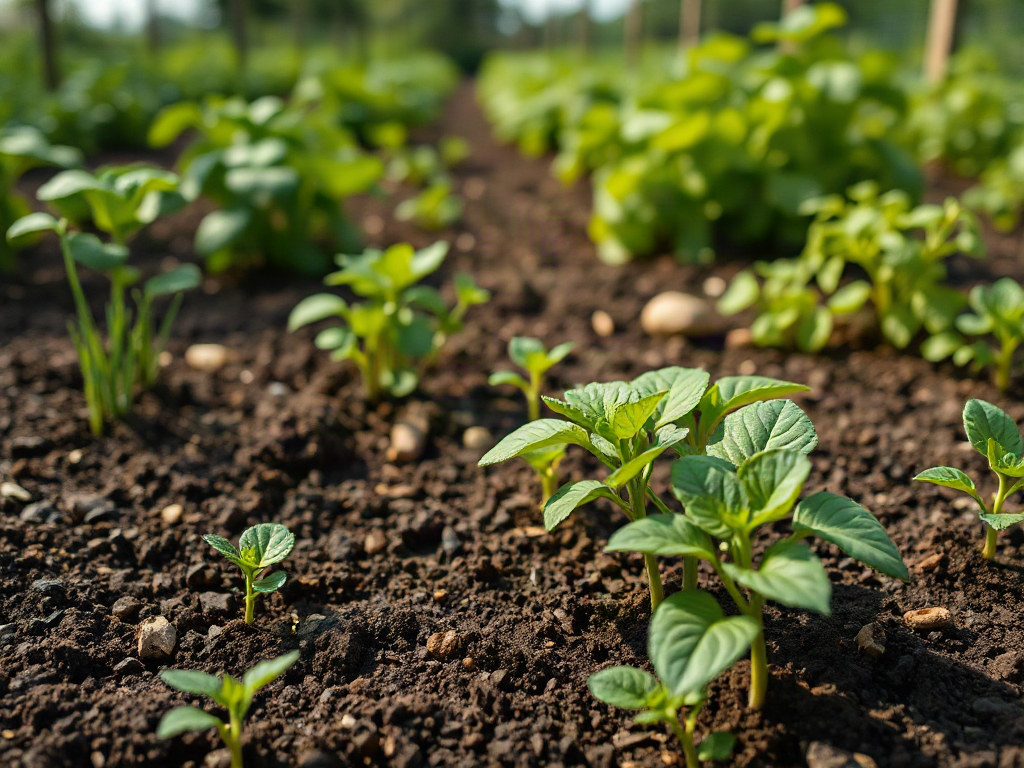
Find Out Why the Soil Performs Poorly
Poor garden soil is not a single condition, and the remedy depends on what restricts root growth. Hard, compacted soil limits air and water movement; sandy soil drains quickly and holds few nutrients; heavy clay may stay wet around roots and then bake into dense clods. Low organic matter can worsen all three problems, but adding compost blindly will not correct standing water, severe compaction, or possible contamination.
A soil test is the most efficient first step. A basic test can indicate pH, phosphorus, potassium, and sometimes organic matter or other nutrients. Take samples from several spots in the proposed garden, remove surface debris, mix the soil thoroughly, and follow the laboratory’s instructions. Testing is especially sensible when the site was formerly used for construction, sits beside an old painted structure, receives runoff from a road, or has an unknown history. Where contamination is plausible, use a local extension service or environmental laboratory for appropriate testing rather than relying on a standard fertility report.
Inspect the ground while it is moist but not saturated. Squeeze a handful: soil that forms a hard ribbon or shiny clump may contain substantial clay, while soil that falls apart immediately may be very sandy. Dig a small hole and look for roots, earthworms, gray stagnant layers, or a compacted pan beneath the surface. A simple drainage test can reveal whether water disappears within a reasonable period or remains pooled for hours. These observations add context that a nutrient report cannot provide.
The common mistake is treating a low fertility result as the only problem. Fertilizer can supply nutrients, but it does not create pore space in compacted ground or fix a bed that stays waterlogged. Conversely, adding large quantities of sand to clay is usually a poor shortcut; the mixture can become dense rather than loose. Use the test and physical inspection together, then select one or two corrections that match the actual limitation. A small trial bed is safer and easier to evaluate than rebuilding an entire yard at once.
Build a Productive Bed Without Overcorrecting
Organic matter is the most broadly useful improvement for depleted garden soil because it contributes to aggregation, moisture retention, nutrient cycling, and biological activity as it decomposes. Finished compost, well-rotted leaf mold, or aged plant-based material can be worked into the upper soil where roots will grow. The goal is a gradual change in structure, not an instant transformation into potting mix.
Spread a moderate layer of finished compost over the bed and mix it lightly into the surface when the soil is workable. Deep tilling can temporarily loosen ground but may damage existing soil structure, bring weed seeds to the surface, and create a compacted layer below the tilled zone. For a small area, loosening with a broadfork or digging fork while leaving major soil layers in place may be less disruptive. If the soil is wet enough to smear, wait; working it under those conditions can create clods that remain difficult for an entire season.
Mulch protects the improvement. Chopped leaves, weed-free straw, or shredded plant material can reduce evaporation, moderate soil temperature, and limit erosion while surface organisms break down the material. Keep coarse mulch away from plant stems to reduce persistent dampness and discourage pests. Fresh wood chips are useful on paths and around long-lived plants, but they are not a substitute for finished compost in the root zone of annual vegetables.
Manure requires more caution than its reputation suggests. Fresh manure can burn roots, introduce weed seeds, and create food-safety concerns when applied close to harvest. Use properly composted material from a reliable source and follow local guidance for edible crops. Excessive compost can also raise phosphorus or soluble salts, particularly where the soil is already fertile but physically difficult. The useful sign is not a dark surface alone; look for easier digging, more stable moisture, healthy roots, and plants that recover normally after watering.
Connect this work with Beginning a garden when the soil is poor as an ongoing process rather than a one-time amendment project. Organic matter decomposes, so annual additions may be needed, but the amount should respond to test results, crop performance, and the condition of the soil rather than habit.
Choose Between In-Ground Beds and Raised Beds
Raised beds are useful when the native soil is severely compacted, shallow, contaminated, rocky, or persistently wet. They provide immediate control over root-zone depth and allow you to bring in a known growing medium. A modest bed filled with a suitable soil-and-compost blend can produce vegetables while the ground below improves through cover, roots, and organic inputs. Raised beds are not automatically superior, however; they cost more, dry out faster in hot weather, and require imported material.
In-ground growing is often the better choice when the soil problem is mainly low organic matter or moderate compaction. Roots can explore a larger volume, irrigation is less demanding once structure improves, and there is no need to build frames. A deep layer of imported soil may hide a drainage problem rather than solve it. Water can collect at the boundary between a loose raised mix and dense native clay, leaving the lower root zone saturated. Before building, observe the area after heavy rain and consider whether a shallow bed, swale, drain, or different location is more appropriate.
Use a raised bed or container when a site has a credible contamination concern, especially if testing cannot be completed before planting. Use a bottom barrier only when it serves a clear purpose, such as separating soil from a questionable surface; impermeable layers can restrict drainage and root depth. Choose untreated, durable materials for the frame, and avoid using unknown salvaged wood or material that may have held chemicals.
Buying soil also presents a quality-control issue. Ask the supplier what the blend contains and whether it is intended for vegetable production. A mix composed mostly of compost may shrink, settle, or hold excessive nutrients; a mix dominated by fine topsoil may compact. Blend materials thoroughly rather than layering them in distinct bands. Fill the bed before planting, water it deeply, and allow it to settle so that seedlings are not planted into air pockets.
A practical comparison is simple: improve native soil when the underlying site is fundamentally usable; build above it when depth, contamination, or drainage makes in-ground growing unreasonable. For a household with limited time or budget, one well-managed bed is usually more productive than several unfinished structures. The linked topic Beginning a garden when the soil is poor should therefore include site selection as part of soil improvement, not just amendments.
Grow the First Season’s Crops Strategically
The first planting should test the improved soil while producing something useful. Choose crops that tolerate modest variation in fertility and do not require a deep, perfectly uniform root zone. Leaf lettuce, kale, bush beans, radishes, chard, herbs, and some flowers can be practical trial plants, although local climate and season determine the best choices. Avoid filling a newly reclaimed bed with demanding crops that occupy the space for months before you know whether drainage and fertility are adequate.
Match crops to the specific defect. Shallow-rooted greens may perform acceptably in a shallow amended bed, while carrots and parsnips expose stones, clods, and dense layers that restrict root formation. Beans can add useful plant residue, but they should not be treated as a complete substitute for fertility management. Deep-rooted cover crops such as certain grasses or legumes may contribute residues and improve biological activity between vegetable seasons, yet they need enough moisture and time to establish. A cover crop is a long-term soil-building choice, not a quick repair for a bed needed next week.
Watering is a diagnostic tool during the first season. Apply water slowly enough to soak the root zone rather than creating runoff. Sandy beds may need smaller, more frequent applications; clay-heavy ground may need longer intervals so the surface can dry slightly between watering. Wilting soon after irrigation may indicate shallow roots, crusted soil, or poor infiltration rather than simply a lack of water. Yellowing in wet soil can signal restricted roots, while pale growth in well-drained soil may point toward low fertility or unsuitable pH.
Keep records of what was added, when it was applied, and how each crop responded. Compare a compost-amended strip with an untreated strip if space allows. That simple comparison shows whether the amendment changed emergence, moisture retention, or plant vigor under the same weather. Stop adding products when results are unclear; more inputs can make diagnosis harder. At season’s end, remove diseased plant material, leave healthy roots to decompose where appropriate, and cover bare soil with mulch or a suitable cover crop.
Do not expect poor ground to become ideal after one application. The first season’s purpose is to establish workable structure, reveal remaining constraints, and identify crops that fit the site. Expand only after the bed drains acceptably, holds moisture without staying saturated, and produces steady growth. For additional site-specific decisions, use Beginning a garden when the soil is poor alongside soil-test instructions from a local university extension or agricultural service.
Frequently Asked Questions
Can a garden grow in completely barren soil?
Yes, but productivity may be limited until organic matter, moisture management, and nutrient deficiencies are addressed. A raised bed or container can provide a faster starting medium when native soil is extremely difficult.
How much compost should be added to poor soil?
Use a moderate surface layer and follow soil-test guidance rather than adding repeated heavy applications. Excess compost can contribute too much phosphorus or soluble salt and may cause the bed to settle unevenly.
Should poor soil be tilled deeply?
Deep tilling is not always necessary and can damage structure when soil is wet. Light incorporation of finished compost or loosening with a fork is often less disruptive for a small garden.
Is raised-bed soil better than native soil?
Raised beds offer control over depth and composition, but they cost more and can dry quickly. Improve native soil when drainage and contamination are manageable; build above it when they are not.
Which crops are easiest for a first soil-improvement test?
Leaf lettuce, kale, radishes, chard, herbs, and bush beans are reasonable trial crops in many climates. Select plants suited to your season and avoid using demanding root crops to judge a shallow or stony bed.
Conclusion
A productive garden can begin on difficult ground, but the order of decisions matters. Identify whether the obstacle is compaction, drainage, low organic matter, unsuitable pH, salinity, or possible contamination before buying amendments. Improve usable native soil gradually with finished organic matter, mulch, careful traffic control, and appropriate watering. Choose a raised bed when the existing root zone is unsafe, too shallow, or persistently wet, and verify the quality of imported soil before planting. Use the first season as a measured trial: grow suitable crops, record responses, and expand only when the soil shows better structure and reliable moisture behavior. That approach limits wasted effort while creating a foundation that can improve through repeated root growth and sensible organic inputs.