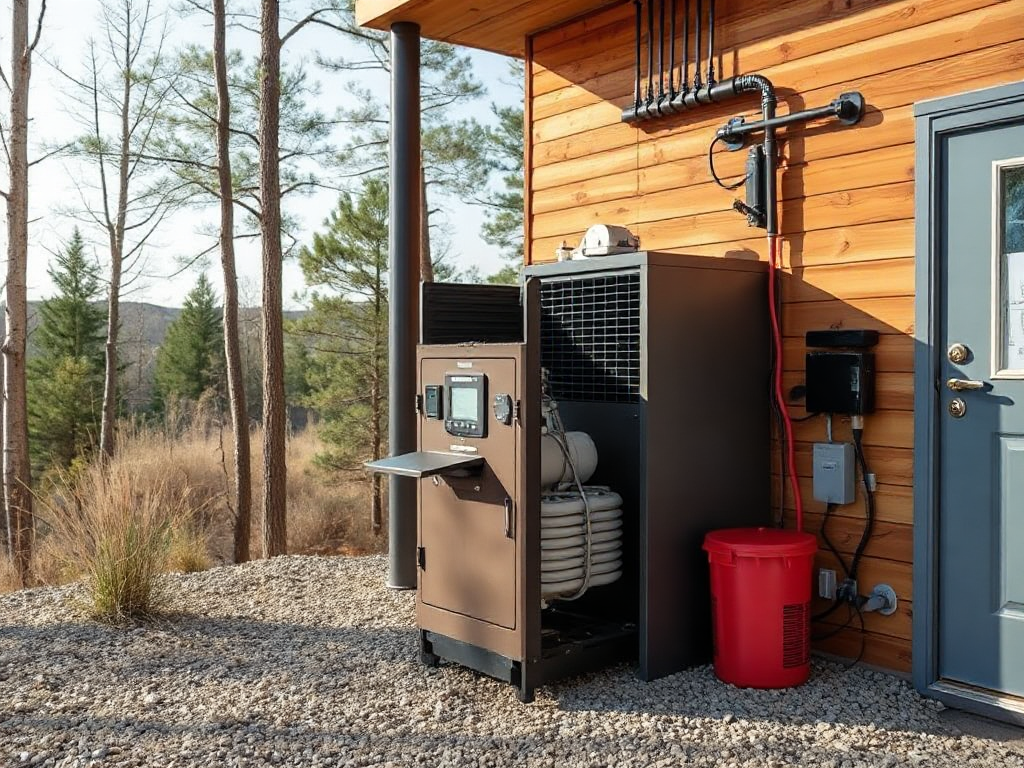
Electrical load auditing before expanding off-grid power should establish measured energy use, peak demand, operating schedules, and seasonal changes before any new generation or storage is purchased. Record each appliance’s wattage and actual runtime, then separate continuous loads from short high-power surges such as pumps, compressors, and heating elements. Convert the findings into daily watt-hours and identify the highest simultaneous loads, because a system may have enough daily energy yet still trip an inverter during a brief peak. Include inverter losses, battery charging overhead, cloudy-weather reserves, and future equipment plans. The audit prevents oversizing the wrong component and shows whether efficiency changes, load shifting, or added capacity offers the most useful next step.
Build an Accurate Household Load Inventory
A useful electrical audit begins with an inventory of everything connected to the power system, not just the large appliances. Refrigerators, internet equipment, chargers, circulation pumps, security devices, inverter controls, and standby electronics may draw modest power individually but operate for many hours. Their combined consumption can become a larger planning issue than an appliance used briefly.
Record the device name, rated voltage, listed wattage, quantity, normal operating hours, and whether it runs continuously, intermittently, or only during a particular season. The label is a starting point rather than a final measurement. A refrigerator marked with a nominal wattage, for example, may cycle on and off, while a pump’s running demand may be much lower than its startup surge. Note whether the device operates from alternating current, direct current, or through a dedicated converter, because each conversion stage introduces losses.
Separate loads into three practical groups: essential, deferrable, and discretionary. Essential loads might include refrigeration, communications, water delivery, ventilation, or medical equipment. Deferrable loads can run when generation is available, such as laundry, water pumping, or tool charging. Discretionary loads include occasional workshop equipment, entertainment systems, or convenience appliances. This classification gives the audit a decision-making purpose. A larger battery may not be the best response if a discretionary load can be scheduled for midday production.
Use Electrical load auditing before expanding off-grid power as a recurring operating practice rather than a one-time worksheet. Occupancy changes, a new freezer, remote work, electric cooking, or a change from wood heat to electric heat can alter the demand profile substantially.
A common mistake is treating every appliance’s nameplate rating as its daily energy use. A 1,500-watt kettle used for ten minutes consumes far less energy over a day than a 60-watt network system running continuously, even though the kettle creates the larger instantaneous load. The audit must preserve both facts: daily energy affects battery and generation sizing, while simultaneous wattage affects inverter and wiring capacity.
Measure Energy, Runtime, and Peak Demand
Measured readings are more reliable than estimates when an expansion involves expensive batteries, a larger inverter, or additional generation. Plug-in meters can document many individual 120-volt appliances, while inverter monitoring, circuit meters, and clamp meters can reveal whole-system behavior. Electrical work inside energized equipment should be left to a qualified person familiar with the system and its hazards.
For each load, calculate daily energy by multiplying average operating watts by hours of operation. A 100-watt pump that runs for 45 minutes uses roughly 75 watt-hours before system losses. A 25-watt communications device operating for 24 hours uses about 600 watt-hours. These comparisons often expose why a small continuous load deserves attention even when it never appears dramatic on an appliance label.
Measure across several normal days and include an unusually demanding day. Record morning, afternoon, evening, and overnight conditions if the monitoring system provides time-based data. Look for the highest demand interval rather than relying only on a daily total. A well pump, refrigerator compressor, microwave, and workshop tool may overlap unexpectedly. The resulting surge can exceed inverter capability even when the battery’s daily energy reserve appears adequate.
Power factor and startup behavior also matter. Motors and compressors may draw a short surge as they start, and some electronic power supplies behave differently from simple resistive loads. A heater’s demand is comparatively predictable; a pump or compressor is less so. When a device repeatedly causes low-voltage alarms or inverter shutdowns, measure its startup behavior instead of assuming that adding battery capacity will solve the problem.
Account for losses between the source and the appliance. Inverter efficiency, battery charging losses, cable voltage drop, and standby consumption mean that the source must provide more energy than the appliance receives. The exact allowance depends on equipment and operating conditions, so use manufacturer monitoring data where available rather than applying an unexplained universal percentage.
The weak approach is to audit only on a calm, mild day with low occupancy. That can conceal winter lighting, well-pump use, refrigeration changes, or longer indoor work hours. A better comparison is normal operation versus a stress scenario, such as several cloudy days combined with water pumping and evening cooking. The difference shows whether an expansion needs more generation, more storage, improved scheduling, or simply removal of an inefficient load.
Turn Audit Results Into Expansion Decisions
An audit becomes valuable when it identifies the limiting component. Daily watt-hours primarily inform generation and storage planning. Peak watts and startup surges inform inverter selection. Sustained current affects conductors, disconnects, and protective equipment. Charging rates and battery acceptance affect how quickly stored energy can be restored. Expanding one component without checking the others can produce a system that looks larger on paper but remains constrained in operation.
Consider a household that consumes 4,000 watt-hours on an ordinary day but experiences a 3,500-watt simultaneous peak when a pump, refrigerator, and kitchen appliance overlap. If the existing inverter is near that limit, adding battery capacity will not necessarily prevent an overload. Conversely, an inverter upgrade will not address several low-generation days if the battery reaches its reserve before the weather improves. The audit should show which failure occurs first and under what conditions.
Prioritize measures in this order:
- Remove avoidable continuous demand: eliminate idle equipment, unnecessary converters, and poorly controlled heating or ventilation loads.
- Shift deferrable use: run pumping, laundry, tool charging, and other flexible tasks during periods of strong generation.
- Control simultaneous peaks: use scheduling, soft-start equipment where appropriate, or operational rules that prevent large motor and heating loads from starting together.
- Expand the constrained resource: select additional generation, storage, inverter capacity, or distribution equipment based on the measured bottleneck.
This order is not a ban on expansion. It prevents purchasing capacity to support waste or poor timing. Replacing an inefficient refrigerator may reduce both daily consumption and compressor runtime, while a pump with a smaller measured demand may reduce peak stress. The tradeoff is that replacement equipment has an upfront cost and may introduce different startup characteristics, controls, or maintenance needs.
Future loads deserve a separate line in the plan. Do not include an electric vehicle, workshop, electric water heater, or heating system as a vague percentage increase. Estimate its likely wattage, hours, seasonal schedule, and whether it can be delayed. A future electric range, for instance, may have a high short-term demand that is more relevant to inverter capacity than to annual energy totals.
A frequent failure mode is sizing for an aspirational lifestyle while operating under present constraints. If the system cannot reliably support the proposed load during its weakest season, label that load as conditional and define the operating rule required to use it. Electrical load auditing before expanding off-grid power helps distinguish a genuine capacity need from an unmanaged scheduling problem.
Validate the Plan Through Seasonal and Operational Testing
Seasonal validation matters because the same appliance list can produce very different energy demand throughout the year. Lighting hours, refrigeration, ventilation, water pumping, indoor work, and heating-related equipment change with weather and occupancy. Generation also varies by resource and site conditions, so a design that performs comfortably in a productive month may have little margin during a difficult period.
Create at least two operating profiles: a typical day and a constrained day. The typical profile should reflect ordinary habits. The constrained profile should combine realistic stressors, such as reduced generation, longer lighting use, an extra pumping cycle, or a full evening at home. Avoid inventing an extreme scenario that no one would operate; the purpose is to reveal credible weak points, not to justify unlimited oversizing.
Compare the audit against actual system records. Useful signs include battery state changes, inverter overload events, low-voltage warnings, generator run hours, and the time at which reserve limits are reached. If the calculated demand is much lower than the monitored draw, investigate unmetered circuits, conversion losses, standby consumption, or incorrect runtime assumptions. If calculated use is higher than recorded use, check whether the household is curtailing loads because the system is already restrictive.
Testing should include start-and-stop behavior. Run one motor load alone, then observe what happens when it overlaps with ordinary evening demand. Check whether voltage drops, alarms, or nuisance shutdowns occur. A system that works only when appliances are manually staggered may be acceptable for a disciplined operator, but it is not equivalent to a system that tolerates normal simultaneous use. That distinction should influence whether controls, a soft-start solution, or additional inverter headroom is worthwhile.
Keep the audit current after expansion. Recheck the system after adding a freezer, changing communications equipment, altering water use, or moving a high-demand task from fuel to electricity. A simple monthly review of total energy, peak demand, and generator dependence can show whether the investment solved the original bottleneck. Success is not merely a larger equipment list; it is fewer avoidable curtailments, predictable reserve behavior, and a clear understanding of which loads can run under which conditions.
For technical changes involving batteries, high current, fixed wiring, grounding, or protective devices, use the equipment documentation and applicable local requirements, and obtain qualified review when the work exceeds your experience. An accurate audit improves the design conversation, but it does not replace safe installation practice.
Frequently Asked Questions
Why audit loads before adding more generation?
An audit identifies whether the actual constraint is daily energy, battery storage, inverter surge capacity, wiring, or poor scheduling. Adding generation alone may not correct an inverter overload or a battery that is too small for overnight demand.
How long should an off-grid load audit run?
Measure several ordinary operating days and include a demanding day. Repeat during a contrasting season if lighting, refrigeration, pumping, occupancy, or heating-related electricity changes over the year.
Are appliance nameplate watts enough for sizing?
No. Nameplate data helps identify maximum or nominal demand, but actual runtime, cycling, startup surges, and simultaneous operation determine the system’s real behavior.
What loads should be measured first?
Measure continuous loads, motor-driven equipment, heating elements, and anything suspected of causing inverter alarms. These loads most often distort daily estimates or create peak-demand problems.
When is load shifting better than equipment expansion?
Load shifting is often more useful when deferrable tasks create daytime or evening peaks but do not require constant operation. It is less suitable for essential loads that must run regardless of generation timing.
Further Reading
Authoritative Sources
- Investor.gov
investor.govSEC investor education resources for evaluating financial products and risk.
- FINRA Investor Insights
finra.orgInvestor education, broker-check tools, and financial decision resources.
- Consumer Financial Protection Bureau
consumerfinance.govConsumer guidance on credit, debt, lending, and financial products.
- Internal Revenue Service
irs.govOfficial tax guidance, forms, and compliance information.
Conclusion
A sound expansion decision rests on measured demand rather than a rough appliance total. Record continuous and intermittent loads separately, capture startup behavior, calculate daily watt-hours, and identify the highest simultaneous demand. Then compare ordinary and constrained operating profiles against inverter events, battery records, and generator use. Efficiency changes and scheduling may resolve part of the problem, while the remaining bottleneck may require additional generation, storage, inverter capacity, or distribution work. Revisit the audit whenever occupancy or equipment changes, because an off-grid electrical system is shaped by operating habits as much as by its hardware. Before buying anything, document the loads that must run, the loads that can wait, and the conditions under which the proposed expansion is expected to perform.