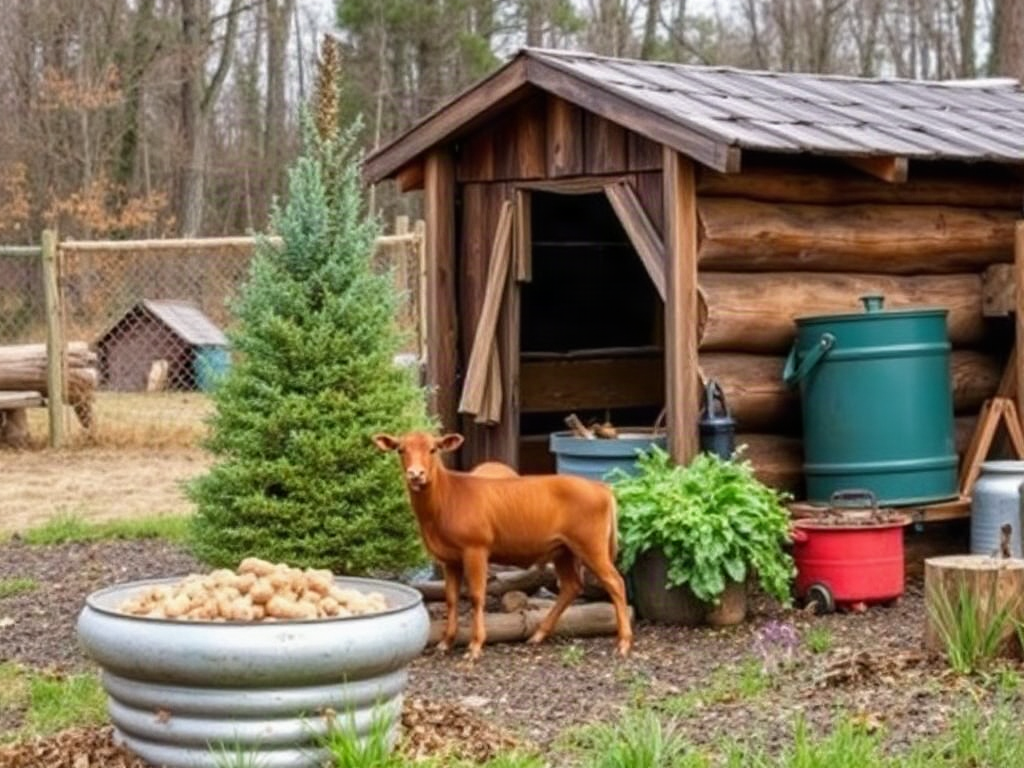
A reliable first year of homesteading depends on establishing essential systems for water, sanitation, food storage, shelter, and daily maintenance before expanding into livestock or large crop areas. Starter skills should include testing water, managing soil, preserving a small harvest safely, using basic hand tools, and keeping seasonal records. Prioritize systems whose failure would threaten health, property, or animals, and build backup capacity for pumps, freezing weather, and power outages. A small garden with dependable irrigation usually teaches more than an oversized plot, while written inspection routines reveal leaks, spoilage, pests, and feed problems before they become expensive emergencies.
Assess the Property Before Building Systems
A useful homestead assessment begins with observation rather than construction. Water movement, sun exposure, winter access, prevailing wind, soil drainage, utility locations, and local land-use restrictions determine where nearly every later system should go. A convenient-looking location for a garden may receive too little summer sun, while a low spot selected for a shed may collect runoff during the wettest month.
Walk the property during different weather conditions and record what changes. After heavy rain, note standing water, eroded paths, roof runoff, and saturated soil. On hot afternoons, identify shade patterns and places where animals or workers can escape the heat. During cold weather, look for frozen pipes, drifting snow, muddy approaches, and areas where vehicle access becomes difficult. A single visit in pleasant weather rarely reveals these operating constraints.
Map the property before committing money. The map does not need to be professionally drawn, but it should show the house, well or public-water connection, septic components, electrical service, fences, gates, slopes, drainage paths, mature trees, outbuildings, and road access. Mark approximate walking distances too. Carrying feed 300 feet may feel manageable once; repeating that trip through rain or ice changes the value of a seemingly cheap building site.
Legal and physical feasibility should be checked separately. A parcel may have enough acreage for poultry or a greenhouse but still be constrained by zoning, setbacks, water rights, deed restrictions, or wastewater requirements. Contact the relevant local offices before buying animals, excavating, installing structures, or changing drainage. Requirements vary by jurisdiction, so advice from a distant homesteader cannot establish what is permitted on a specific parcel.
Soil deserves similar scrutiny. A laboratory soil test provides more useful direction than guessing from plant appearance or adding amendments by habit. Test proposed growing areas, then evaluate texture and drainage with simple field observations. Compost can improve many soils, but it cannot correct every drainage problem, and excessive amendment may create nutrient imbalances. The practical priority is to match crops and bed design to actual site conditions.
A common mistake is creating permanent features during the first season. Temporary fencing, movable compost bays, container plantings, and marked trial beds preserve flexibility while the property reveals its patterns. Readers using Homesteading 101: essential systems and starter skills as a starting point should treat the initial map as a working document, not a final master plan.
Secure Water, Sanitation, Shelter, and Energy
Water and sanitation are the first operational systems to verify because failures can quickly affect human health, animals, crops, and the habitability of the property. Determine the water source, its tested quality, the system’s realistic flow, and how water reaches every point of use. Private-well owners should understand the wellhead, pressure tank, pump controls, shutoff locations, treatment equipment, and testing responsibilities rather than assuming clear water is safe water.
Measure demand during real use. A well that serves household fixtures adequately may struggle when irrigation and livestock watering occur at the same time. Storage tanks can buffer limited production, but they require suitable materials, protected plumbing, overflow control, and protection from contamination or freezing. Rainwater can be valuable for approved non-potable uses where collection is permitted, yet roof debris and microbial contamination make untreated rainwater a poor automatic substitute for drinking water.
Wastewater capacity must match occupancy and use. Learn the location of the septic tank, drain field, inspection points, and any pump or alarm. Keep vehicles, structures, and deep-rooted plantings away from sensitive components as local guidance directs. Slow drains, sewage odors, wet ground near the treatment area, or an active alarm call for prompt investigation. Adding bedrooms, hosting frequent guests, or operating water-intensive processing activities may place loads on a system that was sized for a smaller household.
Shelter includes more than the house. Stored food needs protection from heat, moisture, rodents, and insects; tools need dry storage; animals require ventilation, shade, weather protection, and secure containment. Beginners often focus on cold while overlooking summer heat and humidity. An airtight animal building may retain warmth but accumulate moisture and irritating gases, whereas unrestricted drafts at animal level can create a different problem. Ventilation and weather protection must work together.
Energy planning should identify critical loads rather than attempting to power everything during an outage. A well pump, septic pump, freezer, heating controls, communications equipment, or livestock ventilation may be more consequential than convenience appliances. Record voltage and starting-load requirements from equipment documentation before choosing backup power. Generators must be operated outdoors at a safe distance from openings and connected without dangerous backfeeding; qualified electrical work may be necessary.
Use a compact systems check before adding optional projects:
- Locate: shutoffs, breakers, cleanouts, alarms, filters, and emergency access points.
- Verify: water quality, drainage, ventilation, structural condition, and equipment ratings.
- Protect: pipes from freezing, food from pests, fuel from ignition sources, and wells from runoff.
- Back up: drinking water, critical power, heat-safe shelter, and essential repair supplies.
The failure mode to avoid is buying backup equipment without testing the full operating sequence. A stored generator, transfer device, pump, or hose is only useful if it fits, starts, reaches the load, and can be used safely by the people present.
Build Food Production Around Manageable Work
Early food production should be sized around available labor, water, storage, and consumption rather than acreage. A compact plot near the house is easier to monitor for dry soil, weeds, pests, and harvest readiness than a larger garden at the edge of the property. Reliable access often matters more than nominal growing space because skipped watering and delayed harvesting can erase the advantage of extra rows.
Begin with foods the household already eats and a planting area that can be maintained during the busiest week of summer. Salad greens, bush beans, culinary herbs, tomatoes, summer squash, and storage roots have different harvest rhythms and preservation needs. Planting all quick-maturing crops at once can create a short surplus followed by an empty bed. Succession sowing and a mix of fresh-use and storage crops spread both harvest and kitchen labor.
Watering should reach the root zone without keeping foliage unnecessarily wet or washing soil from the bed. Drip lines or soaker hoses may reduce routine labor compared with hand watering, but they still need inspection for clogged emitters, leaks, and uneven pressure. Mulch can slow evaporation and suppress weeds, although thick wet mulch against stems may shelter pests or contribute to rot. Check the soil beneath the surface instead of watering solely by calendar.
Preservation capacity sets a practical ceiling on production. Freezing is accessible but depends on electricity and freezer space. Dehydrating suits certain herbs, fruits, and vegetables but requires adequate drying and moisture-resistant storage. Canning demands tested recipes, correct equipment, and the right process for the food’s acidity; improvising processing times or altering ingredient proportions can create a serious safety risk. If preservation is new, practice with a modest batch before planning a garden around dozens of jars.
Livestock adds daily obligations that crops do not. Animals need dependable feed, water, fencing, shelter, health observation, manure management, and care every day, including during illness, travel, storms, or equipment failure. Chickens may appear to be an easy first animal, but predators, heat, frozen water, feed storage, and local rules still require solutions. It is usually wiser to operate the property through a full season before adding multiple species.
Signs that the system is working include consistent watering, harvests used before spoiling, manageable weed pressure, and enough time to observe problems. Repeated wilt, abandoned produce, overflowing compost, or rushed animal care indicates that scale exceeds capacity. Reduce bed space, narrow the crop list, or postpone livestock rather than treating exhaustion as an unavoidable feature of self-reliance.
Develop Skills, Records, and Failure Plans
Starter skills are most valuable when they reduce dependence on urgent outside help without encouraging unsafe improvisation. Every household member who is able should know how to shut off water, isolate a circuit from the service panel, use a fire extinguisher, identify spoiled stored food, and respond to severe weather. More specialized electrical, structural, veterinary, well, or septic work may still require qualified assistance.
Basic tool competence should come before a large tool collection. Practice measuring accurately, driving and removing fasteners, drilling pilot holes, sharpening simple cutting tools, joining hoses and fittings, patching fence, and making temporary weatherproof repairs. Wear task-appropriate eye, hearing, hand, and respiratory protection. A tool that has never been used is not genuine emergency capacity, and an unfamiliar power tool can make a minor repair more dangerous.
Records turn repeated chores into an understandable system. Keep dates for planting, harvest, rainfall observations, freezes, maintenance, filter changes, pest outbreaks, animal treatments, feed purchases, preservation batches, and equipment failures. Include model numbers, manuals, warranty details, contractor contacts, and photographs of buried lines before trenches are closed. Paper copies of critical instructions remain accessible when power or internet service is unavailable.
A seasonal log also exposes weak assumptions. If a bed repeatedly dries out despite frequent watering, the cause may be sandy soil, shallow application, wind exposure, or a leaking line rather than a need for a larger garden. If freezer inventory grows but meals do not use it, production is disconnected from household habits. Records make these patterns visible while memories tend to preserve only unusual events.
Run short failure drills instead of waiting for emergencies. Turn off the main water supply and confirm that everyone can locate it. Test backup lighting, charge communication devices, check stored drinking water, and rehearse how animals would be watered if a pump stopped. Before winter, inspect exposed plumbing, fuel supplies, roof drainage, access routes, and safe heating arrangements. Before summer, check shade, ventilation, irrigation, wildfire or storm risks relevant to the area, and food-storage temperatures.
The common mistake is treating every inconvenience as a reason to buy new equipment. A written maintenance schedule, a spare washer, a repaired gate latch, or a better storage location may solve more problems than another machine. Use Homesteading 101: essential systems and starter skills to prioritize competence and reliability: repair what already exists, document how it operates, then add capacity only when a recurring constraint is clear.
Frequently Asked Questions
What should a new homesteader set up first?
Verify safe water, wastewater function, weatherproof shelter, utility shutoffs, and emergency access first. Food production should follow once those systems are understood and dependable.
How much land is needed to start homesteading?
No universal minimum applies. Containers, a small intensive garden, food preservation, repairs, and household resource management can begin on limited space; livestock and certain crops require more room and may face local restrictions.
Should beginners start with a garden or livestock?
A modest garden is usually the lower-risk starting point because it allows flexible scaling and does not create year-round care obligations. Add animals only after feed, water, fencing, shelter, manure, veterinary access, and backup care are arranged.
Which homesteading skills save the most trouble?
Water shutoff, leak detection, basic tool use, soil testing, safe food storage, fence repair, seasonal inspection, and accurate recordkeeping prevent many routine problems from becoming urgent failures.
How can a homestead prepare for a power outage?
Identify critical loads, store safe drinking water, protect temperature-sensitive food, maintain lighting and communications, and test backup equipment. Use generators only outdoors and follow approved connection and fuel-handling procedures.
Further Reading
Authoritative Sources
- About Water Treatment Options When Hiking, Camping, or Traveling
cdc.govCDC guidance explains why untreated water requires appropriate treatment and careful handling before consumption
- Septic Systems
epa.govEPA resources cover household septic-system operation, maintenance, warning signs, and environmental considerations
- National Center for Home Food Preservation
nchfp.uga.eduThis university-based resource provides tested methods for canning, freezing, drying, and storing food safely
- Cooperative Extension System
nifa.usda.govUSDA’s Extension information helps readers locate locally relevant education on soils, crops, livestock, and household systems
Conclusion
A sound first year is measured by dependable routines, not by the number of projects completed. Map the property through changing weather, verify water and wastewater systems, protect shelter and stored supplies, and understand which loads must keep operating during an outage. Keep food production small enough that watering, harvesting, and preservation remain consistent.
Next, choose one practical skill to rehearse and one system to inspect each week. Record what fails, what consumes unexpected time, and which supplies are repeatedly missing. Delay permanent construction or additional animals until those observations show a genuine need. That pace may look slower than launching several projects at once, but it produces a property whose systems can be maintained safely through busy seasons, equipment trouble, and changing household demands.