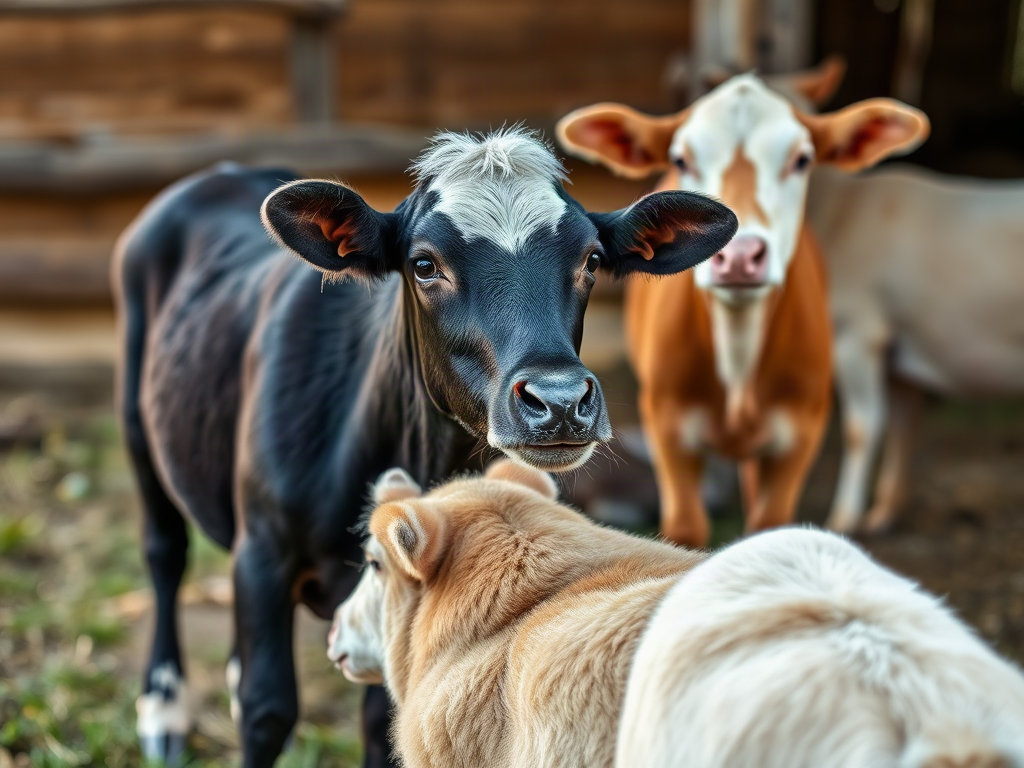
Learning animal care before keeping homestead livestock means practicing daily husbandry, feed handling, housing sanitation, restraint, and basic health observation before buying animals. A useful preparation period includes shadowing an experienced keeper, recording feed and water routines, assembling safe fencing and shelter, and arranging veterinary support for emergencies. The main risk is underestimating ordinary work: livestock need attention during storms, holidays, illness, birthing, and supply shortages. Start with one manageable species, learn its normal behavior and body condition, and rehearse chores in bad weather before committing to recurring expenses or breeding decisions.
Define the Daily Care Commitment
Animal care becomes manageable when the routine is treated as a fixed operating obligation rather than an occasional homestead project. Every species has recurring needs for clean water, suitable feed, secure containment, observation, manure handling, and protection from weather. The work continues when temperatures drop, roads are muddy, or the keeper is tired. Before selecting an animal, write down the chores required each morning and evening, then estimate how long they take when conditions are poor.
A small flock of laying hens may fit a household that can check drinkers, collect eggs, inspect the enclosure, and secure the coop nightly. A dairy goat creates a different commitment because milking may occur on a schedule, equipment must be cleaned promptly, and the animal cannot simply be left unattended for a weekend. A pair of sheep may appear low-maintenance, yet fencing, pasture rotation, hoof checks, parasite monitoring, and predator protection still require planning.
Run a trial week before purchasing livestock. Carry water in the containers you expect to use, clean a mock shelter, inspect fences at the same times each day, and record the work. This exposes weak assumptions, such as believing a distant water source is convenient or that a child can reliably handle a strong animal. A written Learning animal care before keeping homestead livestock plan should identify who performs each task when the primary keeper is unavailable.
Convenience should not be confused with suitability. Automated feeders and heated waterers may reduce labor, but they add failure points, electrical needs, and maintenance costs. Manual systems demand more time but can reveal changes in appetite, manure, or behavior earlier. Choose the arrangement you can inspect consistently, not the one that looks easiest in a product description.
Build Practical Skills Before Buying Animals
Reading about livestock care is useful, but physical practice reveals skills that text cannot fully convey. A prospective keeper should learn how to move an animal without chasing it into panic, inspect hooves or feet, identify normal breathing and posture, clean equipment, and measure feed accurately. Calm handling reduces injury risk for both people and animals, especially when a routine task becomes urgent.
Shadow an experienced keeper, attend a hands-on class through a university extension or agricultural organization, or volunteer at a reputable farm. Ask to perform ordinary jobs rather than only attractive tasks. Cleaning a muddy water trough, catching a reluctant goat, checking a hen for external parasites, or repairing a gate provides more realistic preparation than watching newborn animals for an afternoon. Observe how an experienced person notices small changes before they become obvious illness.
Practice restraint with appropriate equipment under supervision. A halter, poultry carrier, sorting board, or small catching net may be suitable for one species and unsafe for another. Never improvise restraint with a rope around a neck or force an animal into a confined space without understanding its movement. The better method is usually quiet positioning, a clear escape-free area, and a second trained person when size or temperament makes solo handling risky.
Keep a simple learning record with the species, age, sex, normal weight or body-condition cues, feed type, common hazards, and local veterinary contacts. Include photographs or notes about normal eyes, manure, gait, and appetite. The common mistake is learning disease names without learning baseline behavior. A keeper who knows what healthy looks like can recognize a meaningful deviation sooner and describe it more accurately to a veterinarian.
- Practice feeding and water checks at the intended times.
- Learn safe cleaning, disposal, and hand-washing procedures.
- Rehearse loading an animal into a carrier or trailer with help.
- Ask a veterinarian which signs require immediate contact.
Use animal-care planning notes to turn observations into a repeatable routine. Confidence should come from supervised repetition, not from assuming a friendly animal will remain cooperative when frightened or painful.
Match Livestock to Land, Shelter, and Feed
Livestock should be chosen after the property and supply chain have been assessed, not before. Shelter must block wind and precipitation while allowing ventilation, because a sealed damp building can create respiratory and bedding problems. Fencing must contain the intended species and withstand pressure, digging, climbing, or predation. Water access needs a winter and outage plan, not just a hose that works in mild weather.
Pasture is not automatically complete nutrition. Grass quality changes with season, rainfall, stocking pressure, and plant maturity. Hay may be needed when growth slows, and some animals require carefully balanced minerals or species-appropriate concentrate. Feed should be stored away from moisture, rodents, and accidental access by animals that should not consume it. Abrupt feed changes can create digestive trouble, so any transition should be gradual and monitored.
Consider a comparison between poultry and goats. Poultry usually requires less individual handling space, but predators can exploit small openings and feed attracts rodents. Goats need stronger fencing, more substantial shelter, and a plan for browse or hay; they also test gates and may escape through gaps that seem insignificant. The cheaper initial option is not necessarily cheaper after repeated repairs, wasted feed, or emergency boarding.
Walk the property as an animal would. Look for toxic plants, standing water, exposed wire, loose hardware, poisonous chemicals, sharp edges, and areas where an animal could become trapped. Mark a quarantine area for newly acquired stock, even if the seller appears trustworthy. New animals may carry parasites or illness without obvious signs, and separating them gives the keeper time to observe eating, manure, and behavior before mixing groups.
Budget for recurring costs rather than focusing on the purchase price. Feed, bedding, fencing repairs, minerals, transport, veterinary care, slaughter or processing where applicable, and replacement equipment all affect the decision. A modest animal number with reliable infrastructure is safer than a larger herd sharing inadequate space. For more property-planning context, review livestock readiness decisions alongside a seasonal chore calendar.
Recognize Health Problems and Plan for Emergencies
Basic observation is the foundation of livestock health care. Watch whether an animal rises normally, approaches feed, drinks, walks evenly, breathes comfortably, and interacts with companions. Check manure and bedding for changes, and notice isolation, repeated coughing, bloating, discharge, unusual vocalization, or sudden reluctance to move. None of these signs identifies a diagnosis by itself, but a change from that animal’s normal pattern deserves attention.
Make a veterinary relationship before an emergency. Ask which species the practice handles, how after-hours calls work, whether farm visits are available, and what transport options are acceptable. Keep a written record of identification, vaccination or treatment history, purchase information, feed changes, and observations. A clear timeline helps a professional evaluate the problem; vague statements such as “the animal has seemed off” provide less useful information.
Prepare for common disruptions: frozen lines, storm damage, escaped animals, power loss, sudden injury, and the temporary unavailability of feed. Store safe backup water containers, basic cleaning supplies, species-appropriate handling equipment, and enough feed to cover a short delivery delay. Supplies do not replace veterinary advice, and medications should not be given casually or borrowed from another animal because species, dose, withdrawal periods, and interactions can differ.
A common failure mode is waiting for unmistakable illness. Livestock may hide weakness because vulnerable behavior can attract predators or aggression from herd mates. Delayed attention can turn a small problem into a difficult transport or treatment situation. At the other extreme, panic over every minor variation can lead to unnecessary handling. Take a temperature or other measurement only when trained to do so, document what changed, and contact a qualified professional when the animal is deteriorating or the sign is unfamiliar.
Learn local rules before animals arrive. Zoning, identification, movement, manure management, slaughter, and disease-reporting requirements vary by location and species. Official agriculture departments and university extension services can clarify local obligations, while a veterinarian can help interpret health-related decisions. Regulations should be checked directly rather than inferred from an online discussion.
Make a Responsible First-Animal Decision
The first livestock choice should fit the keeper’s available time, handling ability, infrastructure, and tolerance for financial risk. Select one species and a modest number of animals that allow close observation. Avoid beginning with breeding animals, newborns, or a species requiring specialized equipment unless experienced help is immediately available. Reproduction adds timing, nutrition, birth complications, separation decisions, and the possibility of more animals than the property can support.
Use a readiness check before placing a deposit:
- Confirm secure housing, fencing, water, and feed storage are finished and tested.
- Complete supervised handling practice, including safe catching and transport.
- Identify a veterinarian, backup caretaker, and emergency transport option.
- Calculate monthly costs and a reserve for repairs or veterinary treatment.
- Set a quarantine and record-keeping process for incoming animals.
Buy from a source willing to discuss feeding, health history, age, temperament, and management practices. Observe the animal before purchase rather than relying on a photograph or a seller’s broad assurance. A bright, responsive animal with normal movement is a better starting point than one selected solely for color, breed reputation, or low price. Breed traits can influence size, production, hardiness, and behavior, but individual condition and the suitability of the local setup matter more than a label alone.
Delay the purchase if essential tasks cannot be performed in rain, darkness, heat, or a workday emergency. Delaying is less costly than acquiring animals and discovering that the enclosure floods, the feed bill exceeds the household budget, or no qualified caretaker can cover an absence. Once the first animals are settled, reassess after several weeks: note actual chore time, feed waste, fence failures, and health observations before expanding.
Good preparation does not remove uncertainty. It makes problems easier to notice, contain, and discuss with the right professional. That difference is the practical purpose of learning animal care before keeping homestead livestock.
Frequently Asked Questions
How long should I study animal care before buying livestock?
Take enough time to complete supervised handling practice, a full trial routine, infrastructure checks, and a veterinary plan. The calendar matters less than demonstrating those abilities reliably.
Which livestock are easiest to start with?
No species is maintenance-free. Poultry may require less individual handling space than goats or cattle, but predator control, sanitation, and daily water checks still demand consistency.
What should I learn to recognize first?
Learn each animal's normal appetite, posture, movement, breathing, manure, and social behavior. Changes from that baseline are often more useful than memorizing isolated disease names.
Do I need a livestock veterinarian before purchasing?
Finding veterinary support first is strongly advisable. Confirm species coverage, emergency contact procedures, farm-visit availability, and transport expectations before an urgent problem occurs.
Should I begin with breeding animals?
Usually not unless you have experienced help and a plan for birth, complications, offspring placement, nutrition, and additional housing. Nonbreeding animals allow a simpler introduction to daily husbandry.
Further Reading
Authoritative Sources
- USDA Animal and Plant Health Inspection Service
usda.govProvides official animal-health, biosecurity, and livestock movement information for people keeping farm animals
- eXtension Agriculture and Natural Resources
extension.orgConnects readers with university-based guidance on animal husbandry, housing, feeding, and farm safety
- Merck Veterinary Manual
merckvetmanual.comOffers veterinary-reviewed background on signs of illness, species care, prevention, and when professional assessment is needed
Conclusion
Preparation for livestock ownership should end with demonstrated competence, not merely a completed reading list. Practice feeding, watering, cleaning, observation, safe restraint, transport, and fence inspection before animals arrive. Match the species and herd size to the property, seasonal feed supply, household schedule, and available veterinary care. A written chore plan, quarantine space, emergency reserve, and backup caretaker address risks that enthusiasm tends to overlook. Begin with a manageable number, record what the routine actually costs in time and money, and postpone expansion until the system remains reliable through difficult weather and ordinary disruptions. Responsible animal care is built through repeatable habits and timely decisions, giving both keeper and livestock a safer foundation.