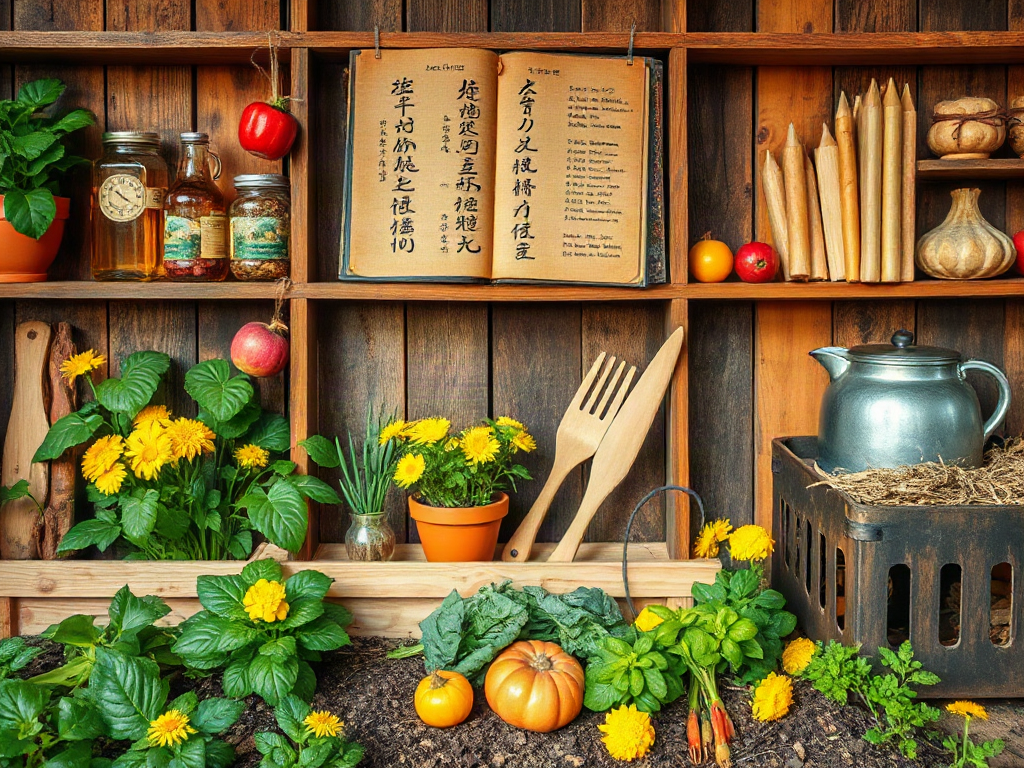
Beginners should start with a small kitchen garden, composting, basic food preservation, and a dependable water-use routine before adding animals, orchards, or major construction. These projects offer quick feedback, modest startup costs, and skills that transfer to larger homestead systems. A garden reveals soil and sunlight problems early, while compost improves fertility without requiring livestock; preservation turns a manageable harvest into practical household food. Delay chickens, goats, ponds, and elaborate infrastructure until daily chores, fencing, drainage, and local rules are understood. The best first project is one the household can maintain through busy weeks, failed experiments, seasonal changes, and limited available cash.
Start With Projects That Teach the Property
The first homestead project should reveal how the land behaves without tying the household to expensive equipment or daily obligations. A few raised beds, a ground-level garden, a rain gauge, or a simple compost area can expose sunlight patterns, drainage, wind, soil texture, deer pressure, and the amount of time available for maintenance. Those observations are more useful than a long list of ambitious improvements chosen from photographs of mature properties.
Beginner projects work best when they have a short feedback loop. A vegetable bed may show compacted soil within weeks, whereas an orchard can take years to reveal poor placement or unsuitable varieties. Likewise, a small compost system teaches moisture balance and material availability before a household invests in livestock manure management. The goal is not to make every first attempt perfect; it is to make mistakes inexpensive and informative.
Walk the property at different times of day before selecting a site. Mark areas that remain wet after rain, places where water flows toward buildings, and locations that are convenient to reach with tools and a hose. A garden that is technically productive but far from the kitchen may receive less attention than a smaller bed near the house. Convenience is an operating advantage, not a cosmetic preference.
A useful early filter is whether a project needs daily care, specialized construction, or a large purchase. If the answer is yes to all three, postpone it. Start with an activity that can be paused for a weekend, repaired with ordinary materials, and evaluated within one season. Readers comparing options in Which homestead projects should beginners start first should also account for water access, available labor, climate, zoning, and whether the project produces something the household already uses.
Build a Small Garden and Compost Loop
A modest food garden is usually the strongest first production project because it combines observation, soil care, planting, harvest timing, and pest management in one contained area. Begin with a size that can be weeded and watered without resentment. Several short beds near a reliable water source are often easier to manage than one large plot at the far end of a property.
Choose dependable crops that match the season and the household’s meals rather than planting every interesting variety. Leaf lettuce, herbs, bush beans, radishes, snap peas, zucchini, or hardy greens may provide clearer feedback than crops requiring trellising, curing, or lengthy maturation. The best selection depends on climate and local growing conditions, so regional university extension calendars and seed information are more useful than a generic planting date.
Composting belongs beside the garden, but it should remain simple at first. A bin or contained pile needs a balance of moist nitrogen-rich material, dry carbon-rich material, air, and reasonable moisture. Kitchen scraps buried in an unmanaged pile may attract animals, smell, or remain recognizable for months. Turning the material occasionally and keeping it covered with dry leaves or similar material makes the process easier to monitor.
The garden and compost should be treated as a learning loop, not as a promise of complete food independence. Compost can improve soil structure over time, but it does not automatically correct poor drainage, extreme pH, contamination, or a site with insufficient sunlight. Avoid placing fresh manure directly around edible crops unless it has been handled according to recognized food-safety guidance. A soil test can be more informative than adding amendments by guesswork.
- Record planting dates, varieties, watering problems, pest damage, and harvest amounts.
- Test one change at a time, such as mulch, spacing, or a different planting location.
- Use barriers or netting where deer, rabbits, or birds are a known problem.
A common beginner mistake is expanding after the first enthusiastic harvest. More beds multiply watering, weeding, and preservation work. Keep the initial footprint small enough that weeds are removed before they seed and produce is picked while quality is high. Once the household can maintain that area during its busiest month, adding another bed is a reasoned step rather than an emotional purchase.
Add Water, Preservation, and Basic Household Skills
Water management should be an early project even when food production is the immediate objective. A garden depends on more than rainfall, and carrying containers from a distant tap quickly exposes the labor cost of poor placement. Check hose reach, pressure, seasonal reliability, runoff, and whether the proposed source is appropriate for edible plants. Rain barrels may supplement irrigation where permitted, but they should not be treated as an unlimited supply.
Simple infrastructure is preferable to dramatic earthworks during the first year. Mulch reduces exposed soil and can slow evaporation, while a shutoff valve and a well-routed hose reduce wasted trips. Observe where water collects before digging swales, ponds, or drainage channels. Moving water without understanding the slope can send it toward a foundation, neighboring property, septic area, or access road.
Food preservation is another high-value beginner project because it uses production immediately without requiring a large growing area. Start with methods whose safety rules are clear and whose equipment is affordable: freezing herbs or vegetables, drying suitable foods with controlled conditions, making refrigerator pickles, or storing sound root crops in an appropriate cool location. Pressure canning low-acid foods and water-bath canning acidic foods require tested procedures; improvising processing times based on appearance is not a safe shortcut.
Preservation also tests whether the garden is producing what the household will actually eat. Someone who dislikes frozen zucchini should not plant a surplus of it simply because the crop is productive. A small harvest cooked into familiar meals provides better information than jars or bags that remain unused. Keep labels with the food, date, and method, and rotate stored items so preservation does not become hidden waste.
These projects compare favorably with an immediate solar array, extensive workshop, or large pantry purchase because they build repeatable routines at lower risk. They do not replace those investments when a property needs them, but they help identify actual consumption, water demand, storage limitations, and maintenance tolerance first. For a related decision, Which homestead projects should beginners start first is best answered by measuring recurring household needs rather than copying another homestead’s infrastructure.
Choose Animals and Larger Work Only After the Basics
Small livestock can be rewarding, but animals should rarely be the first homestead project. Chickens, ducks, goats, rabbits, and bees create daily responsibilities that continue during travel, illness, storms, and busy work periods. Before purchasing animals, confirm local rules, predator pressure, feed availability, shelter requirements, fencing, manure handling, veterinary access, and a backup caretaker.
Chickens illustrate the tradeoff clearly. A small flock may provide eggs and manure, yet it also needs secure nighttime housing, clean water, protection from heat and cold, predator-resistant construction, and a plan for illness or declining production. Buying birds before building the enclosure reverses the sensible order. The animal’s needs then force rushed construction, weak fencing, or unsuitable materials.
Goats and larger grazing animals demand even more attention to fencing and forage. A pasture that looks green may not provide adequate nutrition year-round, and browsing animals can damage young trees or escape through gaps that seem insignificant. Purchased feed, mineral requirements, hoof care, and shelter can make an apparently self-sufficient project more expensive than expected. Animals should be added when their care fits an established weekly rhythm, not merely when the property has spare space.
Perennial crops and orchards also belong after basic observation. Planting trees too close to buildings, utility lines, septic areas, or access lanes creates problems that cannot be corrected by moving a mature tree. Start with a small number of varieties suited to the local climate and learn pruning, watering, mulching, and pest monitoring before buying a collection.
The frequent failure mode is counting only the desired output. Eggs, fruit, honey, or milk are visible benefits; fencing repairs, feed storage, seasonal gaps, predators, and end-of-life decisions are less visible costs. A project is ready when the household can explain who performs each task, what happens during an emergency, and how the system will be maintained when production is poor.
A Beginner’s First-Year Sequence
A staged sequence prevents several demanding projects from competing for the same weekends and budget. The sequence should remain adjustable for climate, property type, health, and household size, but its logic is durable: observe first, create a manageable output, then add complexity after the routine survives a difficult season.
During the first month, map sunlight, drainage, water access, storage space, and likely wildlife pressure. Start a simple garden record and select a small growing area. Assemble basic hand tools, establish composting practices, and check local rules before building permanent structures. These tasks produce information without locking the household into a design.
During the growing season, focus on maintaining the garden rather than continually enlarging it. Test mulch or irrigation improvements, note which crops are eaten, and preserve a modest surplus. Repair weak points while they are still small: a leaning trellis, a hose route that creates a trip hazard, or a gate that does not keep animals out. Practical records are more valuable than vague impressions.
After the first season, review labor and results honestly. A project is succeeding when it receives care on ordinary weeks, not only during a burst of enthusiasm. If watering was difficult, improve access before adding beds. If harvests were ignored, change the crop list before increasing production. If compost stayed wet and cold, adjust the mix and aeration rather than adding a second bin.
- Observe: document sun, water, soil, wildlife, rules, and available time.
- Test: build one small garden and one uncomplicated compost setup.
- Use: cook, freeze, dry, or otherwise handle the harvest safely.
- Review: identify labor bottlenecks, wasted purchases, and failed assumptions.
- Expand: add animals, perennials, or major infrastructure only when the earlier routine is stable.
This order is not a contest or a requirement to pursue every category. Someone with little sunlight may begin with herbs, mushrooms where appropriate, repair skills, or preservation rather than a large vegetable plot. Someone with abundant land but limited time may prioritize water reliability and storage over livestock. The useful principle is to select projects that build capacity without creating obligations the household cannot reliably meet.
For practical decisions about crop timing, soil testing, composting, food preservation, and animal care, consult your state university extension service, local conservation district, USDA resources, and tested preservation guidance from recognized public agencies. Local recommendations are particularly valuable because climate, pests, water conditions, and livestock rules vary by location.
Frequently Asked Questions
Should a beginner start with chickens or a garden?
A garden is usually the lower-commitment first step. It can be reduced, paused, or redesigned, while chickens require daily care, secure housing, feed, and protection throughout the year.
How large should a first homestead garden be?
Use the largest area you can weed, water, harvest, and protect during your busiest weeks. A small, productive plot is more useful than an oversized garden that becomes neglected.
Is composting worth starting before growing food?
Yes. Composting teaches material management and can provide a soil amendment over time, but it should not replace drainage correction or a soil test when those problems are present.
When should beginners plant fruit trees?
Plant after observing the property and confirming suitable varieties, mature size, pollination needs, water access, and distance from utilities and structures. Begin with a few well-sited trees rather than an orchard.
What is the most common beginner homestead mistake?
Starting too many labor-intensive projects at once is common. Build one manageable routine, record what fails, correct the bottleneck, and expand only when maintenance remains reliable.
Conclusion
Begin with projects that produce information as well as useful results: observe the site, establish a small garden, manage compost, improve water access, and practice safe preservation. Those activities reveal whether the limiting factor is soil, sunlight, wildlife, storage, money, or available labor. They also make later choices about chickens, orchards, workshops, and larger water systems more grounded.
Keep records through an entire season and judge success by maintenance on ordinary weeks. A smaller project that remains productive and orderly is a stronger foundation than an impressive installation that depends on constant enthusiasm. When the first routine is stable, expand one category at a time, using the evidence from your own property rather than assuming another homestead’s sequence will fit.