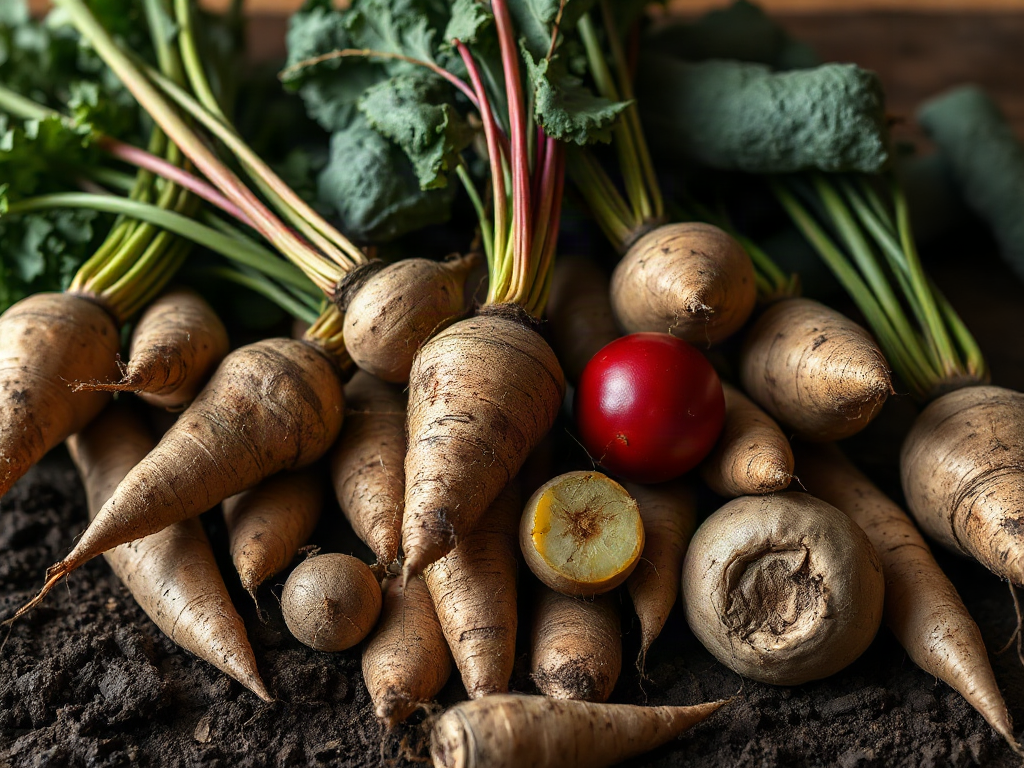
Safe beginner methods for storing root vegetables rely on sound produce, gentle curing, darkness, steady cool temperatures, and enough ventilation to control moisture. Brush off loose soil rather than washing, remove leafy tops, and separate damaged roots before storage because cuts and trapped dampness accelerate decay. Carrots, beets, parsnips, and turnips usually keep well in ventilated containers layered with slightly damp sand or another clean medium, while potatoes need darkness and dry airflow. Check stored vegetables every week, remove soft or moldy pieces promptly, and never store produce beside ripening fruit that releases ethylene. A simple cool, dark cupboard or insulated basement can work better than a sealed plastic bin.
Prepare Root Vegetables Before Storage
Storage quality is largely decided before the vegetables enter a bin or cellar. Choose mature, undamaged roots with firm skin and no open cuts, bruises, soft patches, insect tunnels, or signs of rot. A vegetable that is already deteriorating can spread decay to nearby produce, particularly in a crowded container where air movement is poor.
Handle roots gently during harvest and sorting. A fork or shovel puncture may look minor, but exposed tissue loses moisture quickly and gives fungi and bacteria an entry point. Set damaged specimens aside for prompt cooking rather than trying to preserve them with sound roots. Smaller roots may also dry out sooner than large, mature examples, so use them first when storage space is limited.
Remove green tops from carrots, beets, turnips, and similar crops, leaving a short stem if desired. Leaves continue drawing water from the root and can leave it limp. Do not scrub aggressively. Shake or brush away loose soil, then allow surface moisture to evaporate in a shaded, airy place. Washing immediately before storage often leaves water in crevices and raises the risk of decay.
A short curing period can improve keeping quality for some crops. Place freshly harvested roots in a single layer out of direct sun, rain, and freezing air until the exterior is dry and minor skin abrasions have toughened. Curing is not a way to rescue diseased produce, and warm, humid conditions can make spoilage worse. The practical goal is a dry surface, not prolonged exposure to heat.
Keep storage varieties separate from roots intended for immediate use. For example, a firm late-season carrot may tolerate weeks in a cool medium, while a tender young carrot is better eaten soon. Labeling containers with the crop and storage date makes rotation easier and reduces the temptation to leave questionable produce unnoticed. Related advice on Safe beginner methods for storing root vegetables is most useful when paired with this initial sorting step.
Match Each Vegetable to the Right Conditions
Different root vegetables fail for different reasons, so one storage environment rarely suits every crop equally well. Potatoes need darkness and reasonably dry airflow; light can encourage green coloration and a bitter taste. Onions and garlic also prefer dry conditions with ventilation. Carrots, beets, parsnips, and turnips generally retain quality longer in cool, humid surroundings that limit moisture loss without leaving them wet.
A cool basement, root cellar, or insulated storage area may work if its temperature remains steady and the vegetables are protected from freezing. Sudden temperature changes create condensation, and condensation wets skins even when the room does not seem particularly humid. A refrigerator can be practical for a small quantity of carrots or beets, but its circulating air may dry uncovered roots. A perforated bag or drawer can moderate that loss while still allowing excess moisture to escape.
Use the crop’s texture and surface as a guide. A carrot that becomes rubbery is losing water; one that develops a slick surface is facing excess moisture and poor ventilation. Potatoes that sprout in a warm cupboard are not necessarily rotten, but sprouting signals that the location is too warm for longer storage. Move sound potatoes to a darker, cooler, better-ventilated place and use them promptly.
Some combinations should be avoided. Apples, pears, and other ripening fruit release ethylene, which can affect nearby produce and may encourage sprouting in potatoes. Keeping fruit in another area is a simple precaution. Potatoes should also be separated from onions when possible because their moisture and storage needs differ; a shared sealed container can create a damp microclimate that shortens the life of both.
For beginners, prioritize a stable environment over an elaborate setup. A clean, dark, cool cupboard is adequate for a modest supply of potatoes, while a ventilated refrigerator drawer may suit a few weeks of carrots. A dedicated cellar becomes worthwhile only when the volume of produce justifies the extra monitoring. The best method is the one that lets you observe moisture, temperature, and condition without creating a neglected hidden stockpile.
Use Simple Containers and Moisture Control
Containers should protect vegetables from light, pests, and impact without trapping wet air. Slatted crates, cardboard boxes with ventilation holes, mesh bags, and shallow produce drawers are useful beginner options. Avoid sealed plastic tubs unless the vegetables are completely dry and the container is opened regularly; trapped condensation can turn a sound harvest into a cluster of soft spots.
For carrots, beets, parsnips, and turnips, layering in slightly damp clean sand can reduce shriveling. The material should feel cool and lightly moist, never muddy or dripping. Place a layer of medium in the bottom of a box, arrange roots so they do not touch closely, and cover them with more medium. This limits direct air exposure while allowing inspection and removal of individual roots.
Sand is not mandatory. A perforated bag, a ventilated crate lined with paper, or a refrigerator drawer can work for smaller quantities. The tradeoff is duration and attention: a loose crate offers easy inspection but may dry roots faster, while a moist packing medium preserves firmness but makes hidden decay easier to miss. Choose the simplest option that fits the quantity you can check weekly.
Never pack wet roots tightly together. If soil is clinging because the harvest was damp, spread the vegetables out until their surfaces are dry before boxing them. Paper can absorb minor surface moisture, but it does not correct a room that is too humid or a container with no airflow. Replace damp packing material and clean any container that has held moldy produce before reusing it.
A practical setup for a small harvest is a labeled crate for potatoes, a ventilated bag or drawer for onions, and a separate box for roots packed in slightly damp sand. Keep containers off a cold concrete floor, away from heaters, and clear of direct sunlight. Leave space around them so air can circulate. These modest choices usually matter more than buying specialized storage equipment.
Inspect Stored Produce and Prevent Spoilage
Regular inspection is the safety mechanism that keeps storage problems small. Check vegetables about once a week, feeling for soft areas and looking for mold, leaking liquid, unusual odor, shriveling, or heavy sprouting. Inspect the bottom and corners of boxes first because pressure, poor airflow, and accumulated moisture tend to create trouble there.
Remove any root with visible mold, active rot, a strong fermented smell, or extensive softness. Do not simply cut away a questionable section and return the rest to a shared container, because contamination may be less visible than the surface suggests. Sound vegetables that touched a leaking specimen should be examined carefully and moved to a clean, dry container. Wash hands and clean reusable tools after sorting.
Minor quality changes do not all mean the same thing. A slightly limp carrot may still be suitable for soup after trimming, while a slimy carrot should be discarded. A potato with a small sprout can sometimes be used after removing the sprout and checking that the potato is firm, but green coloration, bitterness, or extensive sprouting calls for caution and disposal rather than extended storage. When uncertain, do not taste visibly spoiled produce to judge safety.
Storage conditions should be adjusted according to the failure signal. Shriveling suggests excessive warmth, dryness, or exposed airflow. Condensation and mold suggest too much moisture or insufficient ventilation. Sprouting points toward warmth, light, or aging. A warm cupboard may be fine for short-term use but unsuitable for holding several months of potatoes. Conversely, a damp cellar may preserve carrots yet damage onions.
Keep a short record of what worked: harvest date, location, container, and the first signs of decline. If carrots remain firm but onions soften, change the onion setup rather than altering every crop. Rotate older vegetables forward and use them before newer ones. Good storage is not passive preservation; it is a small routine of separation, observation, and timely use.
For crop-specific temperature, humidity, curing, and storage recommendations, consult publications from state university extension programs, agricultural departments, and food-safety agencies. Their guidance can help you adapt a household cupboard, refrigerator, or cellar to the particular vegetables you grow.
Frequently Asked Questions
Should root vegetables be washed before storage?
Usually no. Brush off loose soil and let surface moisture dry. Wash roots shortly before eating or cooking, because damp storage surfaces can encourage decay.
Can carrots and beets be stored in the same box?
They can share a cool, humid setup if each vegetable is sound and separated with clean, slightly damp packing material. Check regularly because one rotting root can affect the rest.
Why do stored potatoes turn green?
Light exposure can cause green coloration and a bitter taste. Keep potatoes in darkness with airflow, and discard potatoes that are extensively green or otherwise questionable.
Is a sealed plastic container safe for root vegetables?
Sealed containers commonly trap condensation. Use ventilation holes or a breathable container, and make sure produce is dry before packing.
How often should stored vegetables be checked?
Weekly inspection is a practical minimum for a home supply. Check sooner after wet harvests, temperature changes, or signs of condensation, and remove failing pieces promptly.
Conclusion
Reliable root-vegetable storage comes from matching preparation and environment to the crop. Sort out damaged roots, remove leafy tops, dry surfaces, and avoid washing before long-term storage. Give potatoes darkness and ventilation, while carrots, beets, parsnips, and turnips benefit from cool humidity without standing moisture. Use crates, perforated bags, or lightly damp packing material according to the quantity and inspection routine you can manage.
Begin with a small batch rather than placing an entire harvest into an untested cellar or bin. Label it, inspect it weekly, and treat shriveling, condensation, sprouting, and soft spots as clues about the environment. Adjust one condition at a time and use older produce first. That approach limits waste and builds a dependable household method without requiring specialized equipment.