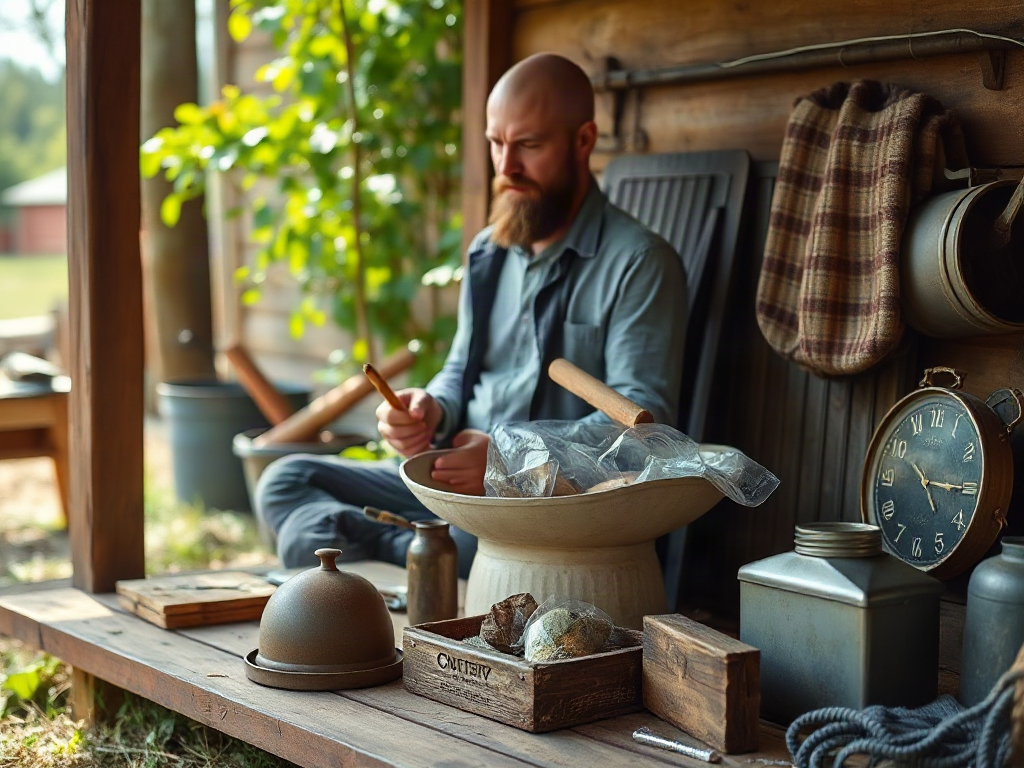
Prioritize homestead purchases when cash is limited by funding safety, water, shelter, food preservation, and income-protecting repairs before convenience tools or production expansions. Rank each purchase by the harm caused if you delay it, whether a repair or rental can cover the need, and how often the item will be used. A reliable well-pump repair outranks a new greenhouse, while fencing may move to the top if escaped livestock threaten roads or neighboring property. Keep part of the available cash unspent for breakdowns, and buy specialized equipment only after repeated use makes ownership cheaper and more dependable than borrowing or renting.
Rank Purchases by Consequences, Not Excitement
A limited budget should follow the cost of failure. If postponing an item could leave the household without drinking water, expose animals to traffic, spoil stored food, damage a roof, or stop essential paid work, that item belongs ahead of purchases that merely save time or increase future output. The key question is not whether something would be useful. Nearly every tool, structure, and machine on a working property can be useful. The sharper question is what happens during the next season if the purchase is not made.
Consequences reveal differences that price tags conceal. A modest replacement valve for a leaking water line may protect the well pump and prevent repeated water loss. A larger garden tiller might shorten bed preparation, but beds can still be opened with existing hand tools, borrowed equipment, or a smaller cultivated area. Although the tiller offers a visible improvement, the valve protects a system with no easy substitute. Limited cash should usually go to the valve.
Use four tests when comparing competing purchases:
- Safety: Could delay create a fire, injury, contamination, escape, or structural hazard?
- Continuity: Would failure interrupt water, sanitation, heat, food storage, animal care, transportation, or household income?
- Time pressure: Is there a weather, planting, repair, or delivery window that cannot be recovered later?
- Substitution: Can the need be handled temporarily with a repair, rental, loan, smaller workload, or different process?
Urgency should still be verified rather than assumed. A discounted implement is not urgent simply because the sale ends Friday. Seed-starting equipment is not automatically urgent if direct-sown crops fit the climate and available labor. Conversely, a sound gate latch can become urgent when livestock are already testing a weak enclosure. Calendar pressure, failure risk, and marketing pressure are different things.
A common mistake is ranking purchases by expected savings without considering when those savings arrive. A bulk grain bin may lower feed costs eventually, but it can also tie up cash in the bin and a large feed order while a deteriorating shed roof remains unfunded. For a disciplined approach to prioritizing homestead purchases when cash is limited, give near-term losses more weight than uncertain long-term gains.
Fund the Systems That Keep the Property Livable
Core household and animal systems deserve first claim on available money because their failure spreads quickly. Water access affects drinking, cooking, sanitation, irrigation, and livestock. Weather-tight shelter protects people, feed, tools, wiring, and structural materials. Safe food storage protects both groceries and harvested food. Fences, gates, and handling equipment may become safety infrastructure where animals are present rather than optional agricultural upgrades.
Start by identifying the weakest point in each essential system. A water system is more than a well or municipal connection; it includes power, pump controls, pressure equipment, pipes, filtration where needed, freeze protection, and a way to store or obtain emergency water. Spending heavily on irrigation expansion makes little sense when an exposed supply line freezes repeatedly. Fixing the vulnerable line provides a more dependable result than adding capacity to an unstable system.
Shelter decisions require similar judgment. Active roof leakage near electrical wiring or structural framing generally outranks cosmetic siding, interior shelving, or a new outbuilding. The least expensive effective response may be a targeted repair rather than full replacement, but repeated patching is poor value when the underlying material has failed across a broad area. Check the extent of damage, expected service life, and whether temporary work will interfere with the eventual permanent repair.
Food production does not automatically rank ahead of food preservation. A household expanding its garden may be tempted to buy more beds, irrigation components, or fruit trees. If it lacks reliable refrigeration, pest-resistant dry storage, canning equipment that matches the intended method, or enough freezer capacity, additional harvest can become waste. Preservation capacity should roughly match realistic production, not an optimistic planting target.
Animal purchases need an even stricter sequence. Secure enclosure, dependable water, appropriate shelter, feed storage, and routine care costs should be funded before bringing home livestock. Buying animals first because they are inexpensive transfers the expense into an emergency: fencing must then be purchased quickly, often at retail prices and without enough time to compare designs. The animal’s purchase price is rarely the complete entry cost.
Signs that core spending is working include fewer emergency water interruptions, dry storage after storms, feed protected from moisture and pests, and daily chores that can be completed safely with existing labor. Recurrent leaks, extension cords serving as permanent wiring, escaped animals, or spoiled food show that expansion money is being spent ahead of basic reliability.
Compare Buying With Repairing, Renting, and Waiting
Ownership is only one way to secure a needed result. Repairing, borrowing, renting, hiring a local operator, sharing equipment, or reducing the scale of a job can preserve cash without abandoning the work. The best option depends on frequency, downtime risk, transport, maintenance ability, and whether the item must be available at a precise moment.
Consider a compact tractor attachment used for one annual task. Buying provides scheduling control, but ownership also creates storage, maintenance, compatibility, and repair obligations. Renting may cost more per day yet remain cheaper across several years of light use. Hiring the work can be better when the operator brings a larger machine and completes the task faster. Ownership becomes more defensible when the attachment is used repeatedly, rental transport is difficult, or weather creates such a narrow operating window that availability has real value.
Repairs should be evaluated by function rather than sentiment. A well-built wheelbarrow with a worn tire and handles may justify inexpensive replacement parts. A lightweight cart with a cracked frame, failing wheel mounts, and insufficient capacity may consume repair money without becoming dependable. Before ordering parts, inspect the whole item, identify all known faults, check parts availability, and compare the repaired capability with the work actually required.
Used equipment can stretch a budget, but a low purchase price does not remove condition risk. Test powered tools under load when possible, examine safety guards, look for fluid leaks or improvised wiring, confirm that consumable parts remain available, and include transport in the comparison. For tanks, food-contact equipment, and chemical sprayers, unknown prior use may make a bargain unsuitable. Sanitation history and material compatibility can matter more than the discount.
Waiting is a valid choice when the need is speculative. A sawmill, incubator, milking machine, or large dehydrator should not be purchased solely because it supports a possible future enterprise. First prove the workload at a smaller scale, record how often outside services are used, and estimate the cash the activity actually retains. A purchase is easier to justify after the current method creates a documented bottleneck.
The common failure mode is comparing only the sale price. A complete comparison includes accessories, fuel or electricity, replacement parts, protective equipment, weatherproof storage, transport, and the cash lost if the machine sits unused. Applying those costs makes prioritizing homestead purchases when cash is limited less vulnerable to attractive but incomplete bargains.
Build a Cash-Based Buying Order
A written buying order turns competing wants into decisions that can survive a tempting sale or a stressful breakdown. Begin with a fixed amount of genuinely available cash after ordinary household bills, debt obligations, taxes, animal feed, fuel, and other recurring costs are covered. Do not treat a credit limit, expected harvest income, or an item listed for sale as cash already available.
Keep an emergency portion outside the purchase pool. The appropriate amount varies with the property: an older well system, long distance from repair services, livestock, aging vehicles, or severe winter exposure can justify a larger reserve. The purpose is not to create a perfect universal percentage. It is to prevent one planned improvement from leaving no money for a failed pump, urgent veterinary care, storm damage, or essential transportation repair.
Then create a short queue rather than a sprawling wish list. For each candidate, write the problem it solves, the consequence of delay, the minimum acceptable solution, the full acquisition cost, and a cheaper temporary alternative. Rank it in this order:
- Correct active hazards and failures. Address unsafe wiring, contaminated water risks, severe leaks, unstable structures, and insecure animal containment.
- Protect essential continuity. Support dependable water, sanitation, shelter, heat where needed, food storage, and transportation tied to income or supplies.
- Prevent predictable losses. Fund repairs or storage that protect feed, crops, tools, buildings, and harvested food from known seasonal threats.
- Remove a proven bottleneck. Buy labor-saving or production equipment only after repeated records show that the current limitation costs substantial time, output, or outside-service fees.
- Add optional capacity. Expand acreage, livestock numbers, workshops, or processing only after the supporting systems and operating cash are ready.
Suppose a household has cash for either replacement poultry fencing, a larger freezer, or a walk-behind tractor. If birds are escaping through deteriorated mesh, the fence addresses immediate loss and liability. If fencing remains sound but produce is regularly discarded because preservation space is full, the freezer may rank first, provided its operating cost and outage risk are acceptable. The tractor moves forward only when existing tools cannot prepare the necessary ground within the planting window and rental or reduced acreage is impractical.
Recheck the queue monthly and after major weather, income, or livestock changes. A purchase should move upward when deterioration accelerates, a critical deadline approaches, or the temporary substitute stops working. It should move downward when the project scope shrinks, a repair restores function, or operating costs prove unaffordable. The queue is working when emergency buying declines, core systems remain dependable, and new equipment enters service immediately. It is failing when unopened supplies accumulate, projects multiply, or routine expenses must be charged because improvement money consumed the cash buffer.
Frequently Asked Questions
What should be the first major purchase for a new homestead?
The first major purchase should correct the property’s most consequential weakness, often water reliability, weather-tight shelter, sanitation, access, or safe containment. The answer depends on existing conditions rather than a universal equipment list.
Should tools or infrastructure come first?
Infrastructure usually comes first when its failure threatens safety or basic operations. Buy tools first only when they are necessary to complete an urgent repair and borrowing, renting, or hiring the work is less practical.
Is used homestead equipment a good way to save money?
Used equipment can save money when its condition, parts support, safety features, and maintenance needs are verifiable. Include repairs, missing accessories, storage, and transport before comparing it with a new item.
How can I tell whether an expensive tool will pay for itself?
Record rental fees, hired-work costs, hours spent using slower methods, and expected annual use. Ownership is more credible when the tool solves a repeated bottleneck and its full cost is lower than realistic alternatives.
Should I spend all available cash on the highest-priority project?
Usually not. Preserve cash for breakdowns and recurring expenses unless an active hazard requires immediate action. A project that empties the reserve can turn the next ordinary repair into debt or operational failure.
Conclusion
Scarce cash should protect the functions that cannot fail cheaply: safe water, sound shelter, sanitation, food storage, secure animals, and the transportation or equipment needed to maintain income. After those needs are stable, direct money toward preventing seasonal losses and removing bottlenecks demonstrated by actual use.
Write down the next few purchases with their full costs, consequences of delay, and temporary alternatives. Reserve money for failures, inspect used items beyond their asking price, and test ambitious projects at a smaller scale before buying specialized machinery. Revisit the order whenever weather, livestock, property condition, or income changes. A sound buying decision is not the item with the broadest list of possible uses; it is the least costly dependable response to the most consequential current need.