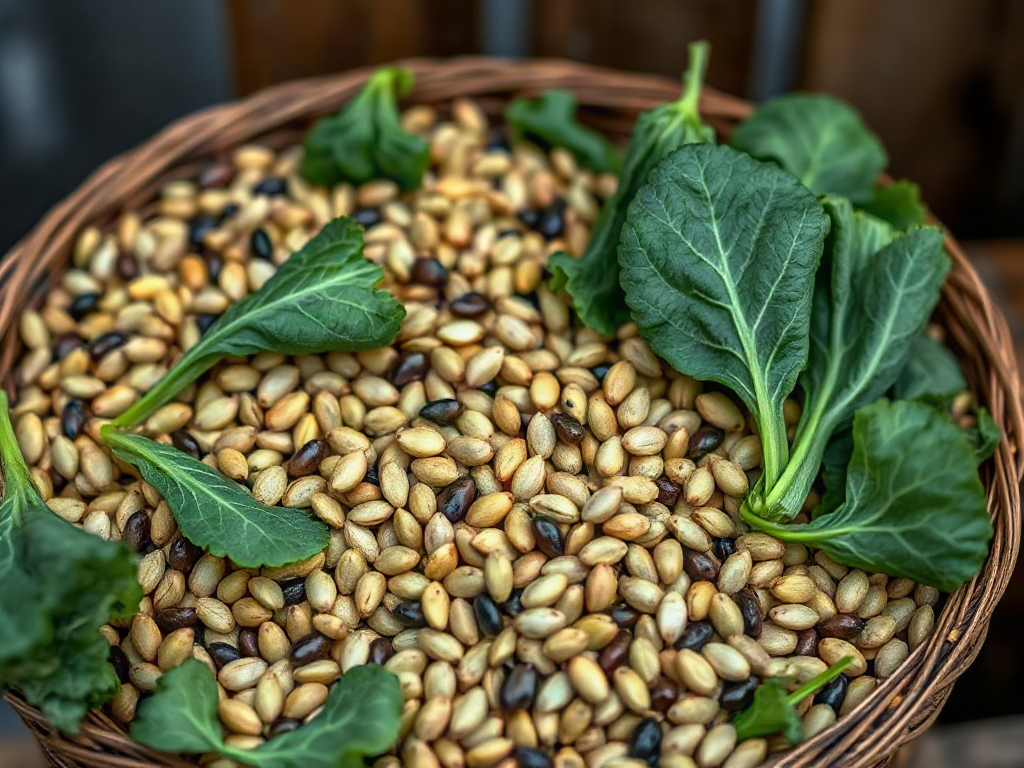
Saving viable seeds from open-pollinated vegetables works when you preserve varietal purity, let seeds reach physiological maturity, dry them thoroughly, and store them under cool, dark, low-humidity conditions. Choose healthy, true-to-type plants rather than merely saving seeds from the largest fruit. Prevent unwanted cross-pollination through adequate isolation, barriers, timing, or controlled hand pollination, especially with squash, corn, brassicas, and other readily crossing crops. After cleaning, test a small sample for germination and label the remainder with the variety, harvest year, and any pollination controls used.
Choose Crops and Parent Plants That Will Breed True
Open-pollinated varieties can reproduce their recognizable traits across generations, but only when pollen comes from a compatible plant of the same variety or another plant that will not alter the desired line. The open-pollinated label does not mean that every saved seed automatically remains true to type. Nearby varieties of the same species may exchange pollen, while accidental hybrids, diseased parents, and immature seed can produce disappointing results.
Begin with a named open-pollinated or heirloom variety whose identity is reasonably certain. Seed from an F1 hybrid may germinate, but its offspring can separate into an unpredictable mix of traits. That seed is useful for experimentation, not for reliably reproducing the original crop. Grocery-store produce presents another uncertainty because the variety, hybrid status, growing conditions, and harvest maturity are usually unknown.
Plant selection matters just as much as the packet label. Save from vigorous specimens that express the qualities the variety is supposed to have: expected fruit form, color, maturity window, growth habit, flavor, and resistance to ordinary garden stress. Reject plants with unexplained wilting, severe viral symptoms, misshapen growth, or unusually poor production. Saving seed only from the first or largest fruit can inadvertently select for a narrow trait while ignoring plant health and overall performance.
Use several parent plants where space permits. A single self-pollinating tomato or bean can produce usable seed, but repeatedly narrowing a population may reduce its genetic breadth. Cross-pollinated crops such as corn benefit from a much larger group because each ear receives pollen from numerous neighboring plants. A tiny corn planting may yield kernels, yet the next generation can lack the vigor and consistency expected from a well-maintained population.
Mark selected plants early with weather-resistant tags so their produce is not picked for the kitchen. Record any useful observations, including unusually early maturity, tolerance of dry weather, or fruit that differed from the expected type. This turns Saving viable seeds from open-pollinated vegetables into deliberate selection rather than a last-minute use for overlooked produce. The common failure is choosing parents after harvest, when plant-level health and performance can no longer be assessed.
Control Cross-Pollination Before Seeds Form
Pollination biology determines how much isolation a crop needs. Beans, peas, lettuce, and tomatoes are mainly self-pollinating, although insects can still cause occasional crossing. Squash, cucumbers, melons, brassicas, beets, chard, onions, and corn rely more heavily on insects or wind, so compatible varieties growing nearby create a greater risk of mixed offspring.
Compatibility follows botanical species rather than everyday crop names. A zucchini and some pumpkins may cross because they belong to the same species, while two vegetables both called squash may be unable to cross because they are different species. Beets and Swiss chard are forms of the same species and can exchange pollen despite looking unrelated at harvest. A cucumber will not cross with a melon merely because both are vining cucurbits. Confirm the species on seed packets or in a crop-specific seed-saving reference instead of relying on appearance.
Distance is the simplest control, but a small property rarely offers textbook-scale isolation. Physical barriers and buildings may reduce insect movement without guaranteeing purity, while wind-carried corn pollen can travel beyond a garden boundary. Time isolation is another option: stagger compatible varieties so their flowering periods do not overlap. Weather can shift bloom dates, however, so inspect actual flowers rather than trusting sowing dates alone.
Controlled pollination offers better certainty for a few valuable plants. With squash, identify male and female flower buds likely to open the next morning, close or bag them before they open, and transfer pollen by hand after opening. Seal the pollinated female flower again and mark that fruit with a durable tie. Mesh cages can isolate insect-pollinated crops, but caged plants may need introduced pollinators or hand pollination. Bagging wind-pollinated flowers requires crop-specific technique and enough plants to avoid an excessively narrow seed population.
A practical isolation decision should account for the intended use of the seed:
- Home use: modest isolation may be acceptable if an occasional off-type plant can be removed.
- Maintaining a treasured variety: use stricter distance, caging, or controlled pollination and save from multiple parents.
- Sharing or selling named seed: document isolation carefully and follow applicable labeling or commercial requirements.
The visible vegetable harvested this year usually reflects the mother plant, so a crossed squash may look perfectly normal. The genetic change appears in plants grown from its seeds. Assuming that normal-looking fruit proves purity is therefore a frequent and consequential mistake.
Harvest Seeds at Full Maturity
Seed maturity often occurs later than eating maturity. A cucumber picked crisp and green, a tender snap bean, or a young summer squash contains embryos that may be too immature for dependable germination. Seed-saving produce generally remains on the plant until its seeds finish developing, even when the flesh becomes fibrous, tough, faded, or otherwise unsuitable for the table.
Dry-seeded crops are usually the most straightforward. Let bean and pea pods become brown and papery, and allow lettuce flower heads to produce dry seed-bearing tufts. Harvest before prolonged rain or seed shattering causes losses. If wet weather threatens, cut nearly mature stalks and finish drying them under cover with good airflow. Seeds that are still soft enough to dent easily with a fingernail need more drying time.
Wet-seeded crops require separation from pulp. Tomatoes benefit from a short fermentation because the process loosens the gelatinous coating around the seeds. Scoop seed and gel into a labeled container, allow the mixture to ferment briefly at room temperature, then add water and separate sound seed from floating pulp before rinsing. Fermentation should not become an extended soak; seeds can begin deteriorating or germinating if left warm and wet for too long.
For ripe peppers, select fully colored fruit rather than green culinary-stage peppers. Scrape out the seeds and dry them promptly, using gloves when handling hot types. Cucumbers intended for seed become oversized and commonly turn yellow or brown. Winter squash should reach full harvest maturity, and allowing sound fruit a post-harvest curing period can give incompletely developed seeds additional time before extraction. Scoop, rinse, and remove clinging flesh because residual pulp slows drying and encourages mold.
Biennial vegetables present a different constraint. Carrots, beets, chard, onions, cabbage, and several related crops normally produce seed after surviving a winter or an artificial cold period. The gardener must preserve selected roots, bulbs, or plants, replant when necessary, and wait for flowering in the second season. Saving seed from these crops therefore requires more space, longer isolation, and attention to winter survival than saving annual bean or tomato seed.
Mark harvest containers before cutting pods or fruit, particularly when several varieties are handled on the same day. Mixing two clean, mature seed lots at the workbench defeats an entire season of isolation. A dedicated tray and tool for each variety make Saving viable seeds from open-pollinated vegetables more reliable than trying to identify similar seeds afterward.
Clean, Dry, Test, and Store the Seed
Drying determines whether mature seed remains usable in storage. Surface-dry seed can still hold enough internal moisture to support mold, heating, or rapid loss of vigor in a sealed container. Spread cleaned seed in a thin layer on a screen, plate, or uncoated paper in a dry, shaded location with moving air. Avoid high oven temperatures and intense direct sun, both of which can damage living embryos even when the seed looks unchanged.
Cleaning methods should match seed structure. Rub dry pods or flower heads gently to release seed, then use screens or careful pouring in a light airflow to separate heavier seed from chaff. Rinse wet-processed seed thoroughly and spread it so individual seeds do not remain in damp clumps. Coffee filters and absorbent paper can trap small seeds as they dry; a smooth plate or fine screen is often easier to work with. Keep varieties physically separated and leave labels with them throughout the process.
Once thoroughly dry, package seed in paper envelopes for short-term organization or in airtight jars for better moisture protection. Paper alone does not block humid air, so envelopes stored in a damp shed can repeatedly absorb moisture. A practical arrangement is to place labeled paper packets inside a sealed glass jar kept in a cool, dark indoor location. A food-safe desiccant packet can help maintain dryness, but it cannot rescue seed that was packed while still damp.
Temperature and moisture work together: warm, humid storage shortens useful life, while cool and dry conditions preserve vigor. Refrigeration can be useful if seed is sealed against condensation. Let a cold, closed container warm to room temperature before opening it; otherwise, moisture from the air may condense on chilled seeds. Freezing is more demanding because inadequately dried seed can be injured, making ordinary cool storage the simpler choice for many home gardeners.
Label every packet with the crop, variety, harvest year, source garden, and pollination method. Add notes such as “hand-pollinated fruit” or “possible crossing with neighboring variety” rather than presenting uncertain seed as pure. Before planting a limited or older lot, test a counted sample between moist paper towels or in a small tray under conditions suitable for that crop. Record how many produce normal seedlings, not merely how many crack open.
A declining germination result does not automatically make the lot worthless. Sow more thickly if space allows, or grow a small regeneration planting while enough seed still sprouts. Mold, musty odor, insect activity, condensation inside the jar, or seedlings that emerge weak and malformed are warning signs. The best storage system is one that keeps seed dry, preserves clear identity, and makes periodic testing easy rather than one that simply hides packets for years.
Frequently Asked Questions
Can seeds be saved from any open-pollinated vegetable?
Yes, but the difficulty varies. Self-pollinating annuals such as beans and tomatoes are relatively simple, while cross-pollinated or biennial crops require greater isolation, more parent plants, or a second growing season.
Will open-pollinated vegetables always grow true to type?
No. They grow predictably only when the parent population remains true and compatible varieties do not contribute unwanted pollen. Environmental stress can also change appearance without causing a genetic change.
How can I tell when vegetable seeds are dry enough to store?
Dry seeds should feel hard rather than pliable, and larger types should resist a fingernail dent. Because appearance is imperfect, allow ample drying time in low humidity before sealing a representative batch and checking for condensation.
Why did saved seeds germinate but produce different vegetables?
The parent may have been a hybrid, compatible varieties may have crossed, or the original seed lot may not have been stable. Mislabeling during harvest and cleaning is another common cause.
How long do home-saved vegetable seeds remain viable?
Longevity differs by crop and storage conditions. Cool, dark, dry storage generally extends useful life, but a counted germination test is more dependable than assuming viability from the harvest date alone.
Conclusion
Reliable seed saving begins before flowers open and continues until the labeled packet is safely stored. Confirm that the variety is open-pollinated, select several healthy and representative parents, and match isolation methods to the crop’s actual pollination biology. Leave seed crops long enough to mature beyond the usual eating stage, then clean them without mixing varieties and dry them completely before sealing.
Start with beans, peas, lettuce, peppers, or tomatoes if space and isolation options are limited. Move to squash, brassicas, corn, and biennial vegetables after developing a system for controlled pollination and recordkeeping. A small germination test before the next sowing season provides the clearest check on storage success. Accurate labels and honest notes about possible crossing are as valuable as the seeds themselves, especially when a harvest will be shared or used to maintain a named variety.