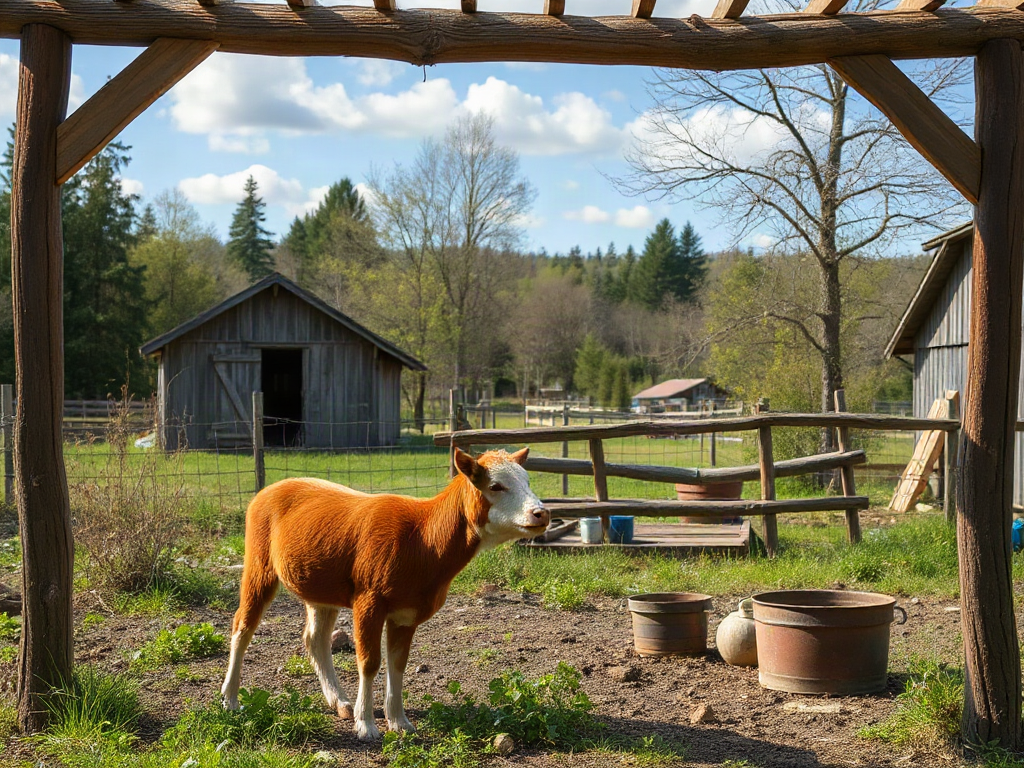
A realistic first-year homesteading path begins with observing the property, securing water and soil basics, and completing one manageable food project before adding livestock or expensive infrastructure. Beginners should map sunlight and drainage, price recurring costs, build a small garden or preservation routine, and reserve time for maintenance that produces no immediate harvest. Seasonal priorities matter: spring favors site preparation, summer exposes watering and workload limits, autumn supports preservation and review, and winter is best used for repairs and next-year decisions. Success means creating dependable systems without exhausting the household budget, calendar, or land.
Define a First-Year Scope the Property Can Support
The first year should establish reliable routines rather than imitate a fully developed farm. A new homesteader is learning the property’s wet areas, frost pockets, sun exposure, wildlife pressure, access routes, and maintenance demands at the same time. Committing immediately to a large vegetable plot, laying hens, an orchard, food preservation, and major building work turns each surprise into a conflict for money and labor.
Begin by separating essential property work from optional production. Essential work may include making drinking water dependable, addressing unsafe wiring or fencing, clearing blocked drainage, securing fuel for winter, and repairing a leaking outbuilding. Optional production includes projects such as expanding a garden, keeping poultry, establishing berries, or making household staples. A productive project should not consume funds needed to correct a safety or sanitation problem.
Property observation is active work. Mark where water stands after heavy rain, where snow melts first, which beds receive at least several hours of direct sun, and how far hoses or loaded wheelbarrows must travel. A garden placed in the sunniest distant corner may appear ideal on paper but become difficult to water during a hot week. A slightly smaller plot near the house can outperform it because weeds, pests, and wilted plants are noticed sooner.
Choose one primary food project and, if capacity remains, one small secondary skill. A household might grow a compact garden as its primary project and practice freezing beans or making refrigerator pickles as the secondary skill. Another might maintain an existing fruit patch while learning to cook regularly from stored dry goods. The narrower approach produces records and repeatable competence; the broad approach often produces unfinished fences, neglected crops, and recurring purchases that were never budgeted.
A practical first-year scope should pass four tests:
- Daily capacity: routine care still fits on workdays, during illness, and in poor weather.
- Seasonal capacity: planting, harvest, repairs, and preservation do not all depend on the same weekend.
- Financial capacity: setup costs leave room for replacements, feed, water, fuel, and emergencies.
- Exit capacity: the project can be reduced or paused without abandoning living plants or animals.
This restrained scope is not wasted ambition. It reveals which activities suit the land and household. Readers using Homesteading for beginners: a realistic first-year path as a working reference should write down what they are deliberately postponing. That list prevents every attractive idea from becoming an urgent purchase.
Build the Water, Soil, and Tool Foundation
Water access determines how much productive space can be maintained during dry weather. Before buying seeds or livestock equipment, inspect the well, municipal connection, outdoor taps, hoses, storage tanks, and drainage paths that the property already has. Rain barrels may supplement garden watering, but their usefulness depends on roof area, rainfall patterns, storage capacity, and local rules. They should not be treated as a guaranteed replacement for a dependable primary supply.
Measure the actual watering task rather than assuming a hose will reach. Walk the route, connect the fittings, check pressure at the destination, and note whether the hose crosses a driveway or mowing path. A 100-square-foot bed near a tap is a different commitment from several scattered beds watered with carried cans. Mulch and drip irrigation can reduce evaporation and hands-on time, but drip lines still require pressure checks, filtration where appropriate, and inspection for clogs or animal damage.
Soil decisions should be based on evidence. A laboratory soil test, often available through a university extension program or another qualified local service, can report pH and nutrient information using regionally appropriate interpretation. Where prior land use raises concern about contaminants, ask the testing service which additional analyses are suitable; an ordinary fertility test does not necessarily answer a contamination question. Adding lime, fertilizer, or large quantities of manure without test results can create nutrient imbalances rather than repair them.
For a new garden, a modest bed with compost and mulch is usually easier to manage than deeply cultivating a large area. Raised beds offer defined soil and easier access but require lumber or other edging, imported material, and more frequent attention to drying. In-ground beds cost less where the existing soil is workable, though sod removal, compaction, stones, or drainage may require more initial labor. The correct choice follows site conditions rather than a universal claim that one format is superior.
Buy tools according to repeated jobs. A sturdy spade or digging fork, hoe, hand pruners, rake, watering equipment, buckets, gloves, and a wheelbarrow or garden cart cover many beginner tasks. Specialized machines can be rented or borrowed until their frequency justifies ownership. Used power equipment may look economical, but missing guards, unavailable parts, old fuel systems, and repair needs can erase the savings. Follow manufacturer instructions and use appropriate protective equipment for cutting, mowing, tilling, or spraying.
A working foundation shows itself through ordinary signs: water reaches crops without a daily improvisation, paths remain passable after rain, tools have a dry storage place, and beds can be weeded in short sessions. Repeated hose failures, standing water, uncontrolled weeds, or constant tool searches indicate that the underlying system needs correction before the growing area expands.
Follow Seasonal Priorities Instead of Starting Everything at Once
Seasonal sequencing keeps projects aligned with weather, biological cycles, and available labor. Calendar dates vary by climate, so local frost guidance and extension resources are more useful than a planting date copied from a distant region. The goal is not to fill every season with new construction; it is to complete work early enough that the next season does not expose an unfinished dependency.
Spring: Prepare Less Ground, More Completely
Spring favors soil testing, bed preparation, water-line checks, seed starting where suitable, and planting a limited set of crops. Select foods the household already eats and match them to available space. Leaf lettuce, bush beans, herbs, summer squash, tomatoes, or storage onions each have different harvest patterns and climate needs. Planting ten crops in small, labeled quantities yields more useful first-year information than sowing an oversized row of everything in the seed catalog.
A common spring failure is confusing warm air with warm, workable soil. Digging saturated ground can damage structure, while setting tender plants out too early may stall growth or expose them to frost. Check local planting guidance, examine soil moisture, and prepare frost protection before it is needed. Record sowing and transplant dates so next year’s adjustments are based on the property rather than memory.
Summer: Protect the System Under Peak Demand
Summer reveals whether the plan survives heat, weeds, pests, vacations, and competing work. Inspect the garden several times a week, but organize the visit around specific actions: check soil moisture below the surface, look under leaves, harvest mature produce, remove weeds before they seed, and examine irrigation connections. Daily shallow sprinkling can encourage shallow rooting and waste water; watering decisions should reflect soil type, crop stage, rainfall, and local restrictions.
Do not add animals merely because the garden routine feels stable in early summer. Livestock bring daily care, housing, predator protection, feed storage, manure management, veterinary access, and end-of-life decisions. Beginners who want hens, for example, should first confirm zoning or other applicable rules, identify a reliable feed source, calculate winter care, and build secure housing before acquiring birds. Delaying animals is often the safer first-year decision.
Autumn and Winter: Preserve Selectively and Audit Honestly
Autumn work includes harvesting, protecting perennial plantings, cleaning and storing tools, managing plant residue, and preserving only quantities the household can process safely. Freezing is often simpler for a beginner than shelf-stable canning. Anyone canning food should use a current, tested process from a reliable source rather than changing jar size, acidity, ingredients, or processing time based on preference.
Winter provides the clearest opportunity to compare plans with results. Review crop notes, repair tools, estimate stored-food use, and identify bottlenecks. Seed catalogs can encourage expansion before the previous season has been evaluated. Return to the seasonal outline in Homesteading for beginners: a realistic first-year path and expand only the part that remained dependable during the busiest weeks.
Measure Workload, Costs, and Results Before Expanding
A first-year project should be judged by reliability and household value, not by whether every expense was recovered in food. Startup purchases distort the first season, and homegrown produce is not automatically cheaper than store-bought food. Soil amendments, fencing, irrigation parts, tools, seed, containers, electricity, feed, and losses all affect the result. Record them even when the goal is resilience or enjoyment rather than profit.
Use a simple monthly log with four columns: money spent, hours required, useful output, and problems encountered. Useful output can include harvested produce, meals preserved, repairs completed, or skills demonstrated without outside help. Keep the method light enough to maintain. A notebook stored near the back door may capture more accurate information than an elaborate spreadsheet that is updated twice.
Time records reveal hidden demands. A garden may require little attention in May but collide with work and family obligations during an August harvest. Chickens may take only a short period on an ordinary morning, yet frozen water, illness, predators, or damaged fencing create urgent work. Plan from the difficult week, not the ideal day. If no responsible person can cover care during travel or illness, livestock capacity has not been established.
Signs that a project is ready to grow include regular maintenance, manageable costs, timely harvests, low avoidable waste, and a clear solution for the previous season’s main bottleneck. Expansion might mean adding one bed after installing a better watering line, not doubling the entire plot. It might mean planting two disease-resistant fruit trees after observing drainage for a full year, rather than buying an orchard package before knowing where cold air settles.
Warning signs call for reduction. These include produce repeatedly maturing when nobody can process it, deferred home repairs, routine purchases placed on debt, animal housing that stays damp, or weeds reaching seed before they are addressed. Reducing the number of crops, shortening rows, buying transplants instead of running an indoor seed setup, or postponing livestock can restore control. Smaller systems that are maintained consistently create more usable food than ambitious systems that repeatedly fail at their busiest point.
Set a firm review date near the end of the production season. Keep one project unchanged, improve one weak process, and add no more than one substantial new commitment for year two. A review based on written costs and labor is more dependable than deciding during winter enthusiasm. The companion Homesteading for beginners: a realistic first-year path can remain a boundary-setting document as new possibilities arise.
Frequently Asked Questions
How much land does a beginner need for homesteading?
No fixed acreage is required. A yard can support herbs, vegetables, composting, and food-storage skills, while larger acreage adds fencing, mowing, access, and maintenance obligations. Match the project to usable sunlight, water, local rules, and available time.
Should a first-year homesteader start with chickens?
Only if secure housing, daily care, feed storage, local compliance, backup caretaking, and winter water are settled first. A garden is easier to pause or reduce, so many beginners benefit from delaying livestock until property routines are stable.
What is a reasonable first-year garden size?
Choose an area that can be watered and weeded during the household's busiest week. A few well-managed beds often provide better information and more usable produce than a large plot with incomplete irrigation and uncontrolled weeds.
How should beginners budget for a homestead?
Separate safety and property repairs from food projects, then budget setup and recurring expenses independently. Include soil tests, water fittings, replacement tools, seed, preservation supplies, feed if applicable, and an emergency reserve rather than counting only the initial purchase.
How do I know whether to expand in the second year?
Expand when routine work was completed consistently, costs remained manageable, output was used, and the main bottleneck has a tested solution. If maintenance, preservation, or animal care repeatedly fell behind, simplify before adding another project.
Conclusion
A useful first year leaves behind functioning systems and trustworthy records, not merely a long list of attempted projects. Settle essential repairs, learn how water moves across the property, test the soil, and choose a food project that fits ordinary workweeks as well as peak-season pressure. Track expenses, labor, harvest use, and recurring breakdowns so year-two decisions rest on evidence.
Before adding acreage, animals, or specialized equipment, repair the process that caused the most trouble. That may mean shortening irrigation routes, reducing crop variety, improving tool storage, or arranging dependable backup care. Keep what worked, correct one limiting system, and add only one major commitment at a time. Measured growth protects the land, budget, and household capacity that make a homestead sustainable.