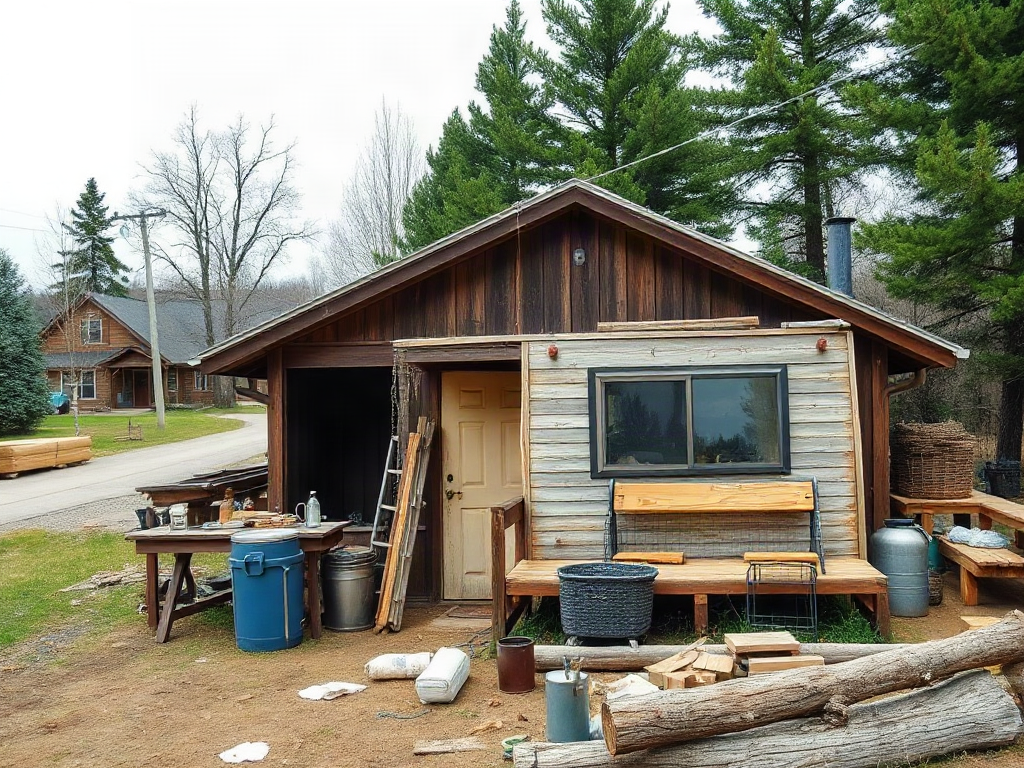
Creating a first-year homestead emergency plan means building a 30-day readiness system around water, food, shelter, communication, medical care, livestock, and evacuation. Start by listing hazards specific to the property, then assign backup actions for power loss, severe weather, injury, wildfire, and water failure. Store supplies where they remain usable, document animal and utility procedures, and practice the plan before an emergency exposes missing tools or unclear responsibilities. A modest plan that is tested and updated is safer than an expensive stockpile nobody can rotate, locate, or operate. Prioritize life safety and reliable water before expanding into specialized equipment or long-term food production.
Identify First-Year Homestead Hazards and Priorities
A useful emergency plan begins with the property’s actual vulnerabilities, not a generic disaster list. A new homestead may depend on one well pump, a long gravel drive, temporary fencing, a wood stove, propane appliances, or a single vehicle. Each dependency creates a different failure point. Walk the land during daylight and record what could threaten people, animals, structures, utilities, crops, and access.
Separate hazards by urgency and by how quickly the household must respond. A chainsaw injury, barn fire, or gas leak demands immediate action. A failed freezer, frozen water line, or washed-out driveway may allow several hours for mitigation. A prolonged outage, drought, or regional evacuation requires a longer-duration plan. Treating all risks as identical creates clutter and makes the first decision harder during stress.
Use a simple priority order: protect life, provide emergency communication, secure water, maintain safe shelter, care for animals, preserve food, and restore essential utilities. This order may shift for a specific property. For example, a household with goats or poultry must address animal water and containment earlier than a household that keeps no livestock. A remote property may need extra attention to road access and medical transport because help could take longer to arrive.
Write down the most likely first-year scenarios rather than trying to prepare equally for every possibility. A workable list might include a winter power outage, summer wildfire smoke, a well-pump failure, a serious farm injury, wind damage to fencing, and a vehicle breakdown during a supply trip. For each event, note the first safe action, the person responsible, the supplies required, and the point at which outside help is needed.
A common mistake is designing around dramatic, low-probability events while ignoring ordinary disruptions. The plan should address the broken pump that leaves the family without water just as seriously as a major storm. Link this planning work to Creating a first-year homestead emergency plan as property conditions change, especially after adding animals, fuel storage, or new equipment.
Build Water, Food, Power, and Shelter Backups
Water is usually the first practical constraint because people, livestock, sanitation, cooking, and some fire-control tasks all depend on it. Identify every water source and the equipment required to make it usable. A well may need grid power, a pressure tank, and a functioning pump; a rain barrel may provide utility water but not automatically safe drinking water. Store drinking water separately from water reserved for animals, cleaning, or flushing.
Choose backup methods according to the failure you expect. A generator can run a pump if it is correctly sized, fueled, ventilated, and connected without creating a dangerous electrical condition. A hand pump, filled containers, or a gravity-fed tank may be more useful when fuel access is uncertain. Test the selected method before an outage. A generator that starts but cannot handle the pump’s startup demand is not a dependable water plan.
Food reserves should cover the period before normal shopping, deliveries, or garden production resumes. Favor foods the household already eats and can prepare with available equipment: canned beans, rice, oats, pasta, shelf-stable milk, nut butter, canned vegetables, salt, cooking oil, and pet or livestock feed where relevant. Rotate these supplies through ordinary meals. A large store of unfamiliar foods may look secure but can create waste, dietary problems, or preparation difficulties.
Power planning involves more than buying a generator. List the loads that protect health and prevent property damage, such as refrigeration, medical equipment, well pumps, freezers, communication devices, and limited lighting. Compare a fuel generator with battery storage, solar charging, or a smaller mixed system. Fuel systems offer high output but require storage and maintenance; batteries are quieter and convenient for electronics but may not support heating or pumping for long periods.
Shelter planning should include temperature control, cooking, lighting, and fire safety. Confirm that alternative heaters and stoves are approved for their intended use, keep combustion appliances ventilated, and install working smoke and carbon-monoxide alarms. Never operate a fuel-burning generator indoors, in a garage, or close to doors and windows. The appealing shortcut of moving equipment into a barn or shed still exposes occupants to dangerous exhaust and fire risk.
Create a compact supply location that remains accessible if one building is damaged. Keep water treatment materials, flashlights, batteries, first-aid supplies, weather-appropriate clothing, sanitation items, tools, and important contact information together. Check expiration dates, damaged packaging, fuel condition, and battery charge on a schedule. The best reserve is not the largest one; it is the reserve that can be found, used safely, and replenished before failure.
Account for Livestock, Medical Needs, and Evacuation
Livestock planning must answer three questions: how animals receive water and feed, how they remain contained, and how they leave if the property becomes unsafe. Write species-specific instructions for normal quantities, feeding order, medication, handling, and emergency contacts. Someone unfamiliar with the homestead should be able to understand the routine without guessing which gate leads to which pen.
Animals may create competing priorities during a fire, flood, extreme heat event, or prolonged outage. People should not enter a burning structure or remain in a dangerous area to save equipment or livestock. Prepare transport crates, halters, panels, spare fencing, identification records, and a list of destinations that may accept animals. Practice loading when conditions are calm. An animal that has never seen a trailer may resist during the exact moment speed matters.
Feed storage deserves the same attention as food storage. Keep feed dry, raised from damp floors, protected from rodents, and divided when practical so one damaged container does not ruin the entire supply. Store enough bedding and medication to bridge a short disruption, while following label directions and obtaining professional veterinary advice for illness or injury. Do not assume that a general first-aid kit substitutes for species-appropriate care.
Medical planning should begin with household-specific needs. Record prescriptions, allergies, mobility limitations, emergency contacts, and preferred hospitals or clinics. Keep a well-stocked first-aid kit for cuts, burns, sprains, eye exposure, and minor wound care, but establish clear limits: heavy bleeding, breathing difficulty, serious burns, suspected fractures, poisoning, and severe animal injuries require urgent professional assistance. Training in first aid or farm safety can be more valuable than adding obscure supplies.
Evacuation routes need alternatives. A single driveway may be blocked by a fallen tree, snow, flooding, or a damaged bridge. Mark at least two routes where possible, identify meeting points, keep vehicles maintained, and avoid letting fuel levels fall so low that leaving becomes a last-minute calculation. Keep copies of property directions and contact details offline because cell service and internet access may fail.
The frequent planning error is treating evacuation as an individual decision made at the last moment. Define who monitors alerts, who gathers people, who checks animals, and who shuts down utilities if time allows. If the family divides into separate vehicles, decide where everyone reunites. A short written assignment reduces hesitation and prevents two people from performing the same task while another essential task is missed.
Test, Document, and Update the Emergency Plan
An emergency plan becomes dependable only after a controlled test exposes its weak points. Choose a low-risk exercise such as a four-hour power outage. Turn off the relevant breaker if safe, use only the planned lighting and cooking equipment, retrieve stored water, and record what fails. This may reveal that the generator is stored behind a locked gate, the extension cord is too short, or the freezer cannot be connected as expected.
Test one scenario at a time and measure practical results rather than collecting equipment. Can everyone locate the shutoff valves? Can the water backup provide enough usable water? Can a phone, radio, or weather receiver receive information? Can animals be moved without entering an unsafe enclosure? Can food be prepared without relying on the electric range? A plan is improving when tasks take fewer steps and people make fewer assumptions.
Document procedures in plain language. Include maps showing the well, fuel, electrical panel, fire extinguishers, animal areas, gates, first-aid supplies, and meeting points. Add appliance manuals, generator instructions, veterinary contacts, utility numbers, insurance information, and copies of identification or medication records. Store a printed copy in an accessible location and a second copy in a vehicle or other protected place.
Use a 30-day readiness cycle to avoid building an expensive system all at once. During the first week, list hazards and contacts. During the second, secure water, lighting, sanitation, and medical basics. During the third, address animal movement, feed, fuel, and evacuation supplies. During the fourth, run an exercise and correct the failures it exposes. This sequence favors life safety and usable capacity over decorative organization or specialized gear.
Review the plan after every near miss, seasonal change, construction project, or major purchase. A new freezer changes power needs; additional poultry changes water and evacuation needs; a new wood stove changes ventilation and fire procedures. Recheck supplies at least seasonally and before severe-weather periods. Replace used items immediately, rotate food into household meals, and confirm that all adults know the current location of critical tools.
Do not confuse preparedness with self-sufficiency. Outside assistance, emergency services, neighbors, utility crews, veterinarians, and medical professionals remain part of a responsible plan. Share only the information that is appropriate, but build relationships before an emergency. A neighbor may have a tractor, livestock trailer, or road knowledge that cannot be replaced quickly by a purchase. The strongest plan combines household capability with timely escalation to qualified help.
For a more detailed property-specific reference, keep Creating a first-year homestead emergency plan alongside the printed procedures, and review it whenever the household’s equipment or responsibilities change. A second useful internal reference is the first-year homestead emergency plan checklist, particularly before winter storms, wildfire season, or the arrival of new animals.
Frequently Asked Questions
What should a new homestead emergency plan prioritize?
Prioritize life safety, emergency communication, drinking water, safe shelter, medical needs, and evacuation. Add livestock care and food preservation according to the property’s actual dependencies.
How much water should a homestead store?
Calculate drinking, cooking, sanitation, and animal needs separately, then choose a reserve period the household can afford and rotate. Local conditions, storage space, climate, and access to alternate sources determine the practical amount.
Is a generator enough for a well-dependent property?
Not by itself. Confirm that the generator can handle the pump’s electrical demand, establish a safe connection method, store fuel appropriately, and keep a non-electric water option or stored water available.
What livestock information belongs in the plan?
Record feeding routines, water needs, medications, handling methods, identification, transport equipment, veterinary contacts, and destinations that could receive animals during an evacuation.
How often should the emergency plan be tested?
Run a manageable exercise each season and after major changes to utilities, buildings, equipment, or livestock. Correct failures immediately rather than waiting for a real outage to confirm them.
Conclusion
A first-year homestead emergency plan should be built around the failures the property is most likely to experience: lost power, unavailable water, damaged access, serious injury, unsafe weather, and livestock disruption. Map those risks, assign responsibilities, store supplies that can actually be used, and define when professional or public assistance is required. Water and life safety deserve priority over elaborate food stockpiles or specialized tools. A short power-outage exercise, an animal-loading practice, and a documented evacuation route will expose more weaknesses than another untested purchase. Revisit the plan each season and after every major change. Preparedness becomes practical when every adult can locate the supplies, explain the next safe action, and recognize when staying on the property is no longer reasonable.