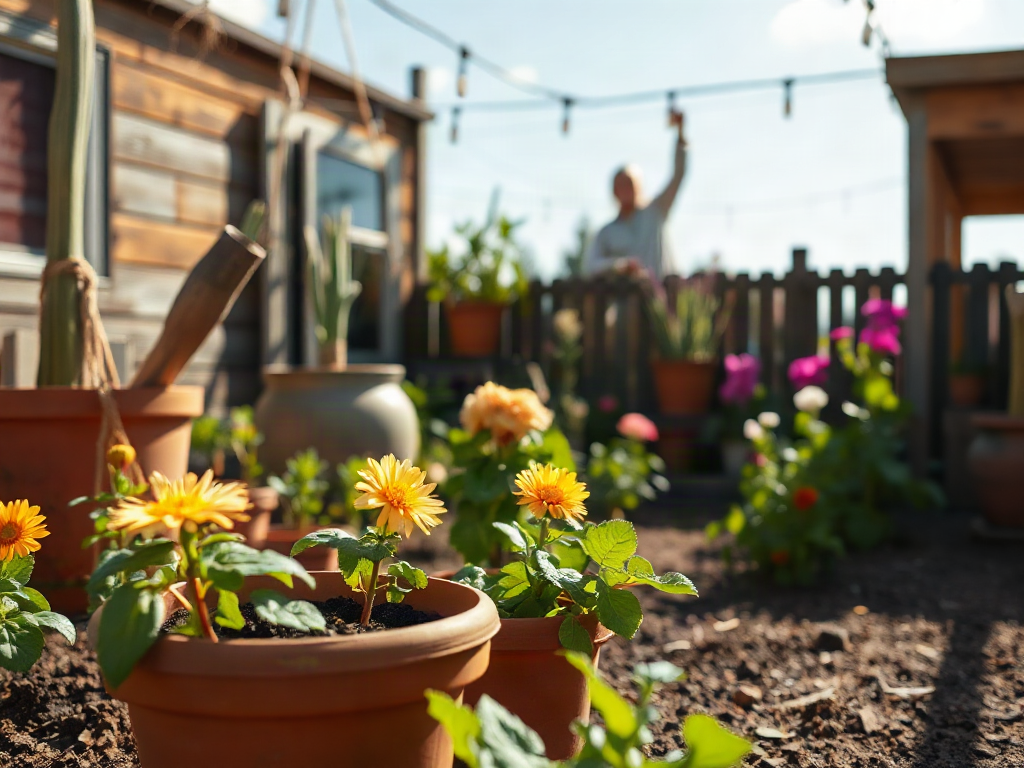
Plan Around Texas Heat, Sun, and Planting Windows
Texas gardening decisions should begin with location and season, not a seed catalog. Conditions differ sharply between humid East Texas, the dry western half of the state, the Panhandle, Central Texas, and the Lower Rio Grande Valley. Even within one yard, reflected heat from a south-facing wall can make a bed substantially harsher than a plot beside a wooden fence or open lawn.
Observe a proposed garden site before building permanent beds. Record where direct sun reaches the ground in the morning, at noon, and late in the afternoon. Fruiting vegetables need substantial light, but a site receiving morning sun and filtered late-day shade may perform better in midsummer than an exposed bed surrounded by concrete. Dense shade is not the answer: tomatoes, peppers, and okra growing without enough light may become lanky and produce poorly.
Planting dates matter because heat affects more than visible wilting. High temperatures can interfere with flower pollination and fruit set, while warm nights reduce the recovery period plants need after a hot day. A tomato plant may remain green and continue flowering yet produce little fruit during the hottest stretch. Adding more fertilizer will not correct weather-related blossom failure and may encourage excess leafy growth.
Beginners usually get better results by dividing the year into planting windows. Use late winter and spring for crops that can mature before severe summer heat. Keep a smaller summer garden of genuinely heat-tolerant plants, then prepare for another productive round as temperatures ease toward fall. Local frost dates, elevation, and regional climate shift the exact schedule, so county-level Texas A&M AgriLife Extension planting information is more useful than a single statewide date.
A modest first plot is easier to protect than a large exposed garden. One or two beds placed near a water source allow closer observation, quicker shade installation, and thorough irrigation. Before purchasing plants, review the site, seasonal timing, and available daily attention through this Texas heat gardening plan. The common mistake is planting a large spring-style garden just as summer begins, then trying to compensate for poor timing with constant watering.
Choose Vegetables That Can Handle a Hot Summer
Crop selection determines whether summer maintenance produces food or merely keeps struggling plants alive. Okra, southern peas such as black-eyed peas, sweet potatoes, and many eggplants tolerate heat better than lettuce, spinach, peas, or broccoli. Peppers can remain productive with adequate root moisture, although they may pause fruit set during extreme conditions. Heat tolerance does not mean immunity: young transplants and shallow-rooted plants still need careful establishment.
Match the crop to the part of summer in which it must grow. Cool-season greens tend to bolt, become bitter, or fail to germinate in hot soil. Bush beans may also drop blossoms or slow down during prolonged heat. By contrast, okra commonly becomes more vigorous as the weather warms, and southern peas cope with conditions that leave cool-season legumes unproductive. Sweet-potato vines cover the soil and shade their own root zone once established, but they need room to spread.
Transplant size and timing deserve attention. A large, root-bound nursery plant is not necessarily a better purchase than a compact transplant with healthy leaves and white roots. Plants moved into hot ground during a bright afternoon can lose water faster than damaged roots can replace it. Set transplants out near evening, water the root ball and surrounding soil thoroughly, and provide temporary protection from afternoon sun for the first several days. Gradually remove that protection as new growth appears.
For a manageable beginner planting, combine one tall heat lover, one compact fruiting crop, and one ground-covering crop. An example is okra along the north side of a bed, peppers where they will not be shaded completely, and a sweet-potato vine allowed to trail over an edge. Avoid packing them tightly at installation. Crowded plants compete for soil moisture, restrict air movement in humid regions, and make it harder to inspect leaves for pests.
Variety descriptions that mention regional adaptation, disease resistance, or performance in hot climates are more useful than labels promising only large fruit. A locally suitable variety cannot overcome poor planting dates, but it may handle regional disease pressure and temperature swings more reliably. The expensive mistake is repeatedly replacing unsuitable plants. Direct that budget toward compost, mulch, dependable irrigation, and crops capable of producing in the season actually available.
Build Soil That Holds Moisture Without Staying Waterlogged
Healthy garden soil should absorb irrigation, retain useful moisture, and still drain enough air to the roots. Texas soils range from fast-draining sand to dense clay, so a universal watering schedule is unreliable. Sandy ground may dry rapidly below the surface, while clay can look cracked on top yet remain wet around roots. Raised beds drain readily but can also heat and dry faster than in-ground beds.
Before planting, loosen the bed and incorporate finished compost into the upper soil rather than filling individual planting holes with a radically different material. A heavily amended pocket surrounded by compacted clay can hold water like a container and discourage roots from moving outward. Broad, moderate improvement creates a more consistent root zone. Compost contributes organic matter, but it does not remove the need to check drainage or supply nutrients according to crop needs.
A soil test offers a better basis for fertilizer decisions than guessing from leaf color. Overfertilized plants may produce soft growth, require more water, and become more attractive to some pests. Excess nitrogen is especially unhelpful when heat already limits flowering or fruit set. Apply amendments for the actual soil and crop rather than assuming that every Texas garden needs lime, phosphorus, or a strong all-purpose fertilizer.
Mulch is the working surface of a hot-weather bed. After the soil has warmed and plants are established, spread roughly two to four inches of shredded leaves, clean straw, or another suitable organic mulch over the bed. Keep it slightly away from stems and trunks so moisture is not held directly against vulnerable tissue. Mulch reduces direct sun on the soil, slows evaporation, limits crusting, and buffers rapid changes in root-zone temperature.
Do not mistake decorative rock for an equivalent summer mulch around vegetables. Stone lasts longer, but it absorbs and reradiates heat, which can intensify the conditions surrounding low plants. Likewise, landscape fabric may complicate soil improvement and drip-line changes in a frequently replanted vegetable bed. Organic mulch requires replenishment as it decomposes, but that tradeoff suits an annual food garden. A useful check is to pull the mulch aside after watering: the underlying soil should be evenly damp, not dusty, foul-smelling, or saturated.
Use a 7-Step Water, Mulch, and Shade Routine
Consistent root-zone moisture is more effective than frequent surface sprinkling. Light daily watering can keep the top inch damp while deeper roots remain dry, encouraging a shallow root system that suffers quickly during heat and wind. Deep irrigation wets a larger soil volume, giving plants access to moisture between watering days. The required frequency still changes with soil texture, plant size, wind, rainfall, and whether the bed is raised.
Use this seven-step routine as a starting plan rather than a rigid calendar:
- Check below the surface: Move mulch aside and feel the soil two to three inches deep near the plant, without damaging roots.
- Water early: Irrigate in the morning so plants enter the hottest hours with available moisture.
- Target the root zone: Use drip tubing, a soaker hose, or a slow hose flow instead of spraying paths and foliage.
- Test the depth: After watering, dig a small inspection hole to confirm that moisture penetrated beyond the surface.
- Restore mulch: Cover exposed soil while leaving a small gap around each stem.
- Watch evening recovery: Plants that regain firmness after sunset may be responding normally to temporary midday heat; persistent wilt needs investigation.
- Add temporary shade selectively: Use breathable shade cloth above vulnerable plants when sun exposure is overwhelming them, while maintaining airflow.
Drip irrigation generally wastes less water to evaporation and keeps foliage drier than an overhead sprinkler. A soaker hose is simpler for a small bed, but pressure can be uneven over long runs. Whatever the system, place emitters near the active root zone and inspect them regularly. A clogged emitter can leave one plant wilted while the rest of the bed looks healthy, misleading a beginner into watering everything more heavily.
Shade cloth should reduce stress without turning a vegetable bed into a dim enclosure. Suspend it above the foliage rather than laying it directly on plants, and prioritize late-afternoon exposure. Improvised solid plastic is a poor substitute because it can trap heat and block rain. For a bed beside a west-facing masonry wall, relocating containers or adding afternoon screening may be more effective than increasing irrigation indefinitely.
Keep a brief record of watering, rainfall, and plant response. The signs of a workable routine are moist soil below the mulch, new growth, evening recovery, and developing flowers or fruit. Constantly wet soil, yellowing lower leaves, algae, fungus gnats, or a sour odor suggest excessive moisture or poor drainage. More irrigation is not automatically safer during a heat wave; oxygen-starved roots cannot use water effectively.
Recognize Heat Stress and Correct Problems Early
Midday wilt is a signal to inspect, not an automatic order to flood the bed. Leaves can temporarily droop when water loss exceeds the roots’ ability to replace it, even when soil remains moist. Check again in the evening and examine the root zone by hand. A plant that recovers after temperatures fall may need afternoon protection, while one that stays limp overnight may have dry roots, root damage, disease, or waterlogged soil.
Leaf scorch usually appears as dry, tan, or brown tissue along exposed edges or between veins. Sunscald on fruit forms pale, damaged areas where fruit is suddenly exposed to intense light, often after pruning or leaf loss. Preserve enough healthy foliage to shade developing peppers and tomatoes. Removing large amounts of growth to “improve airflow” can leave fruit vulnerable to direct sun and increase the plant’s stress.
Blossom drop has several possible causes, including high daytime temperatures, warm nights, moisture swings, and poor pollination conditions. It should not immediately trigger heavy feeding. Maintain steady moisture, avoid unnecessary transplanting or pruning, and allow the plant to resume fruit set when conditions moderate. Blossom-end rot on tomatoes or peppers is associated with disrupted calcium movement into developing fruit and is often aggravated by uneven moisture; adding calcium without a soil-based reason may not solve the underlying watering problem.
Pests can compound heat damage. Inspect the undersides of leaves early in the morning for mites, aphids, whiteflies, eggs, webbing, or stippling. Identify the problem before using a treatment, because applying soaps or oils during intense sunlight and high temperatures can injure foliage. Follow product labels exactly and use physical removal or a strong stream of water when appropriate for a small infestation.
A practical triage order prevents random corrections: check soil moisture and emitter function, inspect stems and leaf undersides, consider recent weather, then review fertilizer and pesticide use. Change one major variable at a time when possible. The companion beginner Texas garden checklist can help organize site, crop, and irrigation observations. When several plants decline in the same patch, suspect a shared root-zone or watering issue; when only one plant fails, inspect that plant and its emitter before changing the entire bed.
Frequently Asked Questions
What vegetables grow well in intense Texas summer heat?
Okra, southern peas, sweet potatoes, eggplant, and many peppers are practical choices. Regional conditions still matter, and even heat-tolerant crops need consistent moisture while establishing.
Should a Texas vegetable garden receive full sun all day?
Most fruiting vegetables need strong light, but morning sun with limited late-afternoon protection can reduce severe summer stress. Avoid dense shade that prevents flowering and productive growth.
How often should I water a garden during extreme heat?
Water according to moisture below the mulch, not a fixed daily schedule. Irrigate deeply when the root zone begins drying, then confirm that water penetrated several inches without leaving the soil saturated.
Does shade cloth help vegetables in Texas?
Breathable shade cloth can protect transplants and reduce harsh afternoon exposure. Suspend it above the foliage, maintain airflow, and avoid using solid plastic that traps heat.
Why do tomato flowers fall off during hot weather?
High daytime temperatures, warm nights, and moisture fluctuations can disrupt pollination and fruit set. Keep moisture steady and avoid excess fertilizer while waiting for more favorable conditions.
Conclusion
A productive Texas garden begins with matching the planting window, crop, and site to the weather rather than trying to overpower summer conditions. Start with a small bed near water, favor proven warm-season vegetables, and protect the root zone with suitable soil preparation and organic mulch. Check moisture beneath that mulch before irrigating, verify that water reaches depth, and reserve shade cloth for exposed beds or plants that cannot recover overnight.
Use spring and fall for the widest crop selection while treating midsummer as a selective growing period. Record where afternoon heat is strongest, which emitters underperform, and which plants remain productive. Those observations provide a better plan for the next planting than a generic statewide schedule. If a plant declines, inspect moisture, drainage, pests, and weather effects before adding fertilizer or increasing water across the entire garden.