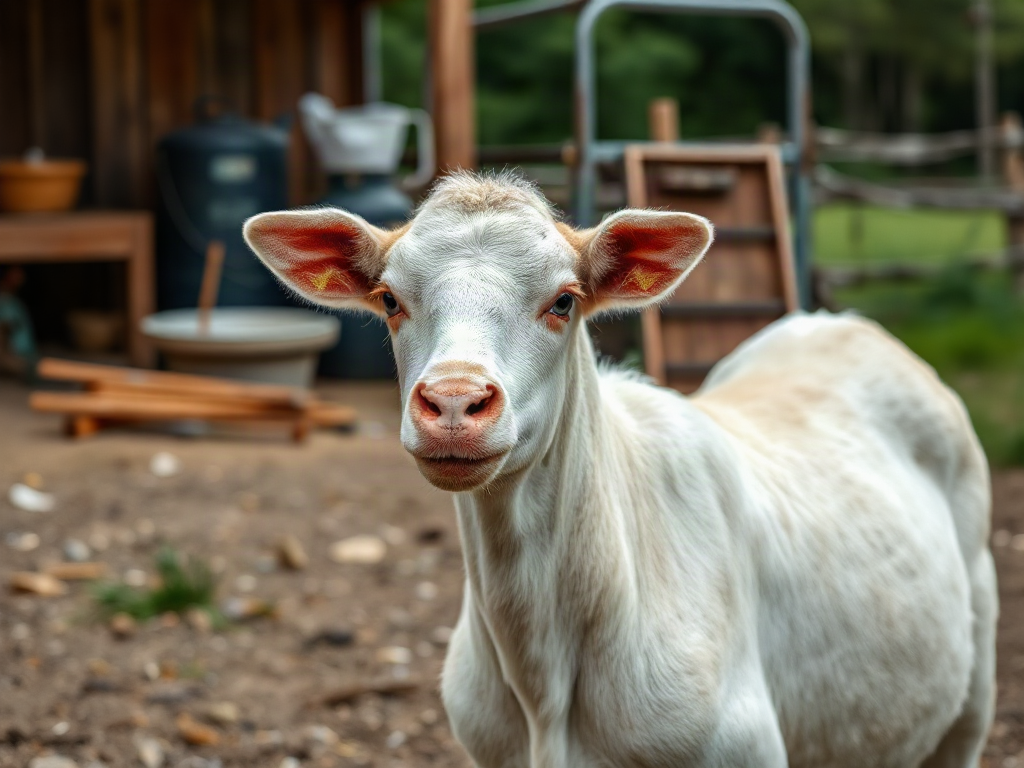
Homesteading lifestyle changes reshape daily routines by tying work rhythms to animal needs, weather, daylight, food production, and the maintenance of essential systems. Morning and evening chores become less optional, while errands, meals, paid work, and time away from home must fit around feeding, watering, harvesting, and seasonal deadlines. The most workable approach is to establish nonnegotiable care windows, reduce unnecessary complexity, and keep backup water, feed, tools, and household supplies ready. New homesteaders often underestimate repetitive maintenance rather than difficult projects.
How Homestead Chores Reshape the Day
Homestead work is governed more by living systems and physical conditions than by a conventional clock. Chickens need access to water after a freezing night, seedlings can wilt before an evening watering, and a damaged fence cannot always wait until the weekend. Even a modest property introduces recurring tasks that must be completed within useful windows rather than whenever free time appears.
Daily routines usually become anchored by morning and evening rounds. A morning round might include checking animals, refreshing water, opening housing, inspecting garden irrigation, and noticing storm or predator damage. The evening round may involve collecting eggs, closing animals securely, moving hoses, bringing in produce, and preparing supplies for the next day. These rounds are valuable not only because work gets done, but because frequent observation catches small problems early. A slow-filling trough or hen behaving unusually is easier to address before it becomes an emergency.
The recurring workload often surprises people more than large projects do. Building a coop is finite; cleaning it, carrying bedding, storing feed, managing manure, and checking latches continue every week. A garden follows the same pattern. Planting receives attention, but thinning, watering, harvesting, washing produce, and dealing with surplus occupy far more calendar space. Anyone evaluating Homesteading lifestyle changes that affect daily routines should count the repetitive work, not just the visible setup.
Complexity matters as much as property size. Ten identical laying hens generally create a simpler routine than several species with different feed, shelter, fencing, and health needs. Likewise, one concentrated vegetable plot is easier to inspect than small beds scattered across a property. Beginners often assume that doing more activities at a small scale keeps the burden low. In practice, each new activity adds separate supplies, knowledge, cleanup, and failure points.
A useful first step is to record the actual duration of chores for two ordinary weeks. Include walking, filling containers, finding tools, cleaning, and putting materials away. Signs of a sound routine include predictable completion times, animals waiting calmly rather than urgently, and enough margin to handle a broken latch. Repeatedly skipping inspections, finishing after dark, or postponing sanitation indicates that the system is too complicated or inefficient.
Seasonal Work Rhythms and Changing Priorities
Homestead routines change throughout the year because biological and weather-related deadlines arrive unevenly. Spring may compress seed starting, bed preparation, births, repairs, and rapid grass growth into the same period. Summer shifts attention toward water, heat management, weeds, pests, and frequent harvests. Autumn brings preservation, storage, shelter preparation, and decisions about what can realistically be maintained through winter.
Seasonal work creates peaks rather than a steady workload. Tomatoes may need little attention early in the season and then produce more ripe fruit than a household can process after work. Hay, firewood, or a major harvest may require several concentrated days. Cold weather can reduce garden work while increasing the effort required to carry water, manage bedding, clear access routes, and protect equipment. A routine based only on an average day will fail during these peaks.
Weather also changes the order of tasks. During hot conditions, watering and harvesting are usually better handled early, while shaded maintenance can wait until later. Before a hard freeze, draining hoses and protecting vulnerable plumbing outrank cosmetic jobs. After heavy rain, entering saturated beds or driving equipment across soft ground may compact soil and create damage that lasts beyond the immediate task. The practical skill is not completing the same list every day; it is recognizing which work becomes costly if delayed.
Keep a short seasonal priority list rather than one enormous project list:
- Time-critical: animal care, irrigation failures, ripe produce, exposed plumbing, or insecure fencing.
- Time-sensitive: planting windows, food preservation, shelter repairs, and fuel or bedding preparation.
- Deferrable: aesthetic improvements, optional expansion, and projects that do not protect food, water, animals, or infrastructure.
A common mistake is scheduling expansion during the busiest production period. Adding poultry housing while preserving a large harvest can turn two manageable activities into competing emergencies. Winter or another relatively quiet period is often better for designing systems, acquiring materials, and completing durable infrastructure. Seasonal notes from the previous year are especially useful: record the first irrigation strain, periods of excess produce, muddy routes, and supplies that ran short.
A seasonal routine is working when supplies are acquired before urgent need, critical tasks remain visible, and weather forecasts trigger specific preparations. It is failing when every frost, heat spell, or harvest surge feels unexpected. The goal is not to control the season but to reserve labor and storage capacity for its predictable pressure points.
Household, Employment, and Social Tradeoffs
Homesteading changes household scheduling because someone must remain accountable for essential care even when paid work, appointments, or travel interfere. Remote employment does not automatically solve this conflict. A sick animal, escaped flock, delivery, or failed pump can interrupt a workday, while a fixed commute reduces the daylight available for chores during winter.
Clear ownership prevents the familiar problem of everyone assuming another person checked the water. Tasks should have a named primary person and a backup, especially for animal security, feeding, irrigation, and heating or water systems. Shared responsibility without explicit assignments often works during calm weeks but breaks down under fatigue or schedule changes. Children can participate in age-appropriate work, but an adult still needs to verify tasks that affect animal welfare or safety.
Meals also become more closely linked to harvest and storage. Fresh produce is useful only if the household has time to wash, sort, cook, preserve, or give it away. A large basket of beans harvested on a Sunday evening can create hours of additional kitchen work. Freezing smaller batches may fit a busy household better than canning, even if shelf-stable storage is appealing. The better method is the one that matches available time, freezer space, equipment, and the foods the household actually eats.
Travel becomes a logistical decision rather than a simple departure. Gardens may tolerate a short absence with reliable irrigation, but livestock generally require a capable caretaker who recognizes abnormal behavior, understands gates and feed amounts, and knows what to do if water stops flowing. Written instructions, labeled supplies, emergency contacts, and a practice round are more dependable than a hurried explanation before leaving. If competent backup care is unavailable, reducing animal commitments may be more responsible than giving up every trip indefinitely.
Social time often moves from spontaneous to scheduled. Evening events may need to follow animal lockup, while weekends can fill with repairs and preservation. That tradeoff is manageable when household members deliberately protect downtime. It becomes corrosive when one person carries invisible planning work or when every leisure period is treated as unused labor capacity.
Before adding another enterprise, discuss its daily owner, backup owner, peak-season demands, absence coverage, and stopping point. The broader account of Homesteading lifestyle changes that affect daily routines includes these relationship and employment constraints, not merely outdoor chores. A successful household system makes responsibility visible and permits occasional rest without neglecting essential care.
Building a Routine That Remains Sustainable
A durable homestead routine is designed around minimum essential care, efficient movement, and spare capacity. It should still function on a rainy workday, during a mild illness, or when one task takes twice as long as expected. A schedule that works only when everyone is energetic and all equipment behaves normally is already operating too close to its limit.
Begin by defining the minimum viable day. This is the shortest safe routine covering water, feed, shelter, animal observation, urgent plant care, and checks of critical utilities. It is not the normal standard for cleanliness or productivity. Instead, it provides a fallback during disruptions. Separate that list from weekly maintenance such as cleaning housing, turning compost, sharpening tools, inventorying feed, or preserving food.
Next, reduce friction along the physical route. Store feed in secure containers near its point of use, keep dedicated tools where the work occurs, and place frequently operated gates on the natural walking path. A frost-free hydrant near animals can change winter labor far more than an elaborate tracking system. Conversely, distant water, awkward latches, undersized storage, and tools shared among widely separated areas add minutes to every round. Those minutes accumulate twice a day for years.
Use a compact weekly review to keep the routine realistic:
- Identify tasks that were delayed, skipped, or repeatedly annoying.
- Check feed, bedding, household staples, preservation supplies, and fuel.
- Review the forecast and any planting, harvesting, or maintenance deadlines.
- Assign the coming week’s essential work and backup coverage.
- Remove or postpone one optional task if the schedule has no open margin.
Tools and automation can reduce labor, but they also introduce inspection duties. Automatic waterers still need checks for leaks, contamination, freezing, or blockages. Timers can irrigate an empty bed after harvest or fail to supply a newly planted area unless settings are updated. Automation should remove repetitive handling without removing observation. A brief physical check remains valuable where failure could harm animals, waste water, or damage property.
Expansion should follow demonstrated capacity rather than enthusiasm alone. Maintain a new routine through its hardest relevant season before adding another species, larger garden, or preservation commitment. Signs that the system can grow include stable chore times, stocked backups, manageable sanitation, and dependable absence coverage. Warning signs include deferred repairs, frequent feed shortages, produce regularly spoiling, resentment over responsibilities, or no time reserved for emergencies.
The strongest approach to Homesteading lifestyle changes that affect daily routines is selective rather than maximal. Keep activities that provide enough food, satisfaction, resilience, or practical value to justify their recurring demands. Simplify or discontinue those that consume daily attention without fitting the household’s land, schedule, climate, or interests.
Frequently Asked Questions
How many hours a day does homesteading take?
Daily time varies with season, layout, livestock, and production goals. Track complete chore rounds, including cleanup and walking, for two weeks; project days and seasonal harvest periods should be counted separately.
Can someone homestead while working full time?
Yes, if daily obligations remain limited and essential chores fit before or after work. Efficient water systems, nearby storage, modest animal numbers, and reliable backup care matter more than trying to maximize production.
Which homestead activities require the most rigid schedule?
Livestock care, milking, greenhouse temperature management, irrigation during heat, and processing highly perishable harvests offer the least scheduling flexibility. Perennial plantings and storage crops usually allow wider work windows.
How can homesteaders take vacations?
Use a trained caretaker, written instructions, labeled supplies, emergency contacts, and a trial visit before departure. Simplify feeding and watering beforehand, but do not rely on unmonitored automation for animal care.
What is the clearest sign that a homestead routine is overloaded?
Repeatedly postponing sanitation, repairs, harvesting, or animal checks shows that routine demands exceed available capacity. Reduce commitments or improve infrastructure before adding another project.
Conclusion
Daily homestead life becomes manageable when obligations are matched to the household’s actual time, energy, land, and backup options. Prioritize dependable water, secure animal care, efficient chore routes, seasonal preparation, and clear responsibility before expanding production. Track how long recurring work truly takes, including cleanup and processing, rather than estimating from the most convenient days.
The next practical move is to document one ordinary week, identify the task that creates the most repeated friction, and improve that system first. A better hydrant location, fewer scattered growing areas, labeled storage, or a named backup caretaker may create more useful capacity than another ambitious project. Sustainable homesteading is not measured by how many activities fit on the property; it is reflected in whether essential care remains consistent when work, weather, fatigue, and equipment problems disrupt the preferred schedule.