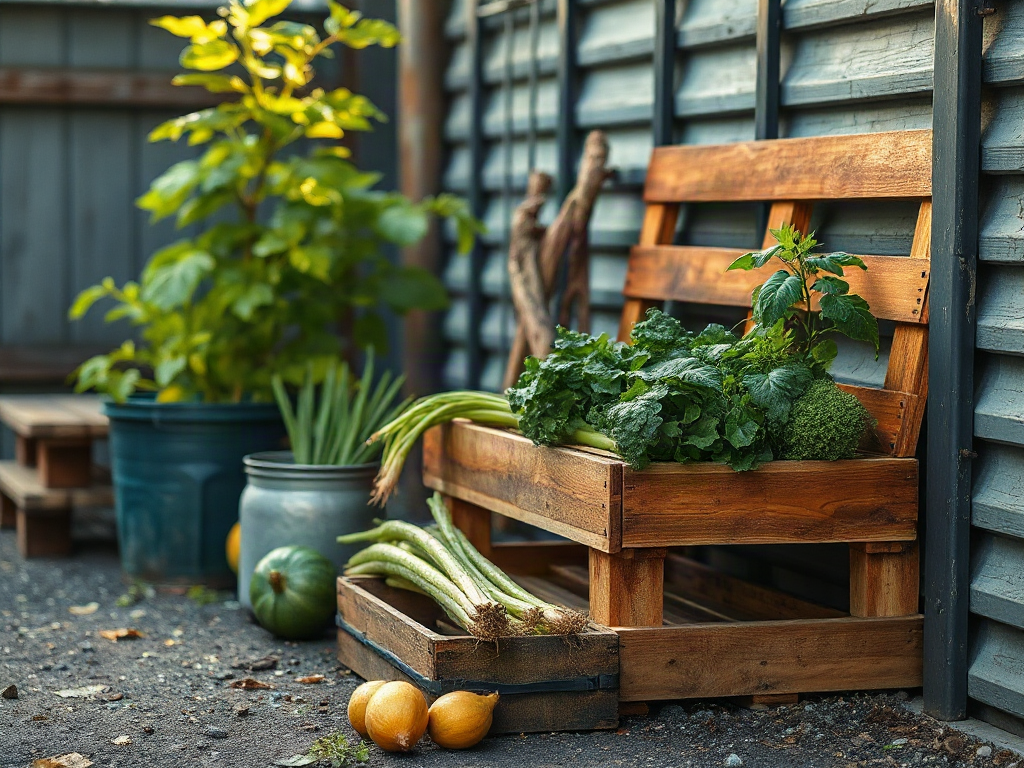
Assess the Space Before Buying Supplies
A useful urban homestead begins with a site inventory, not a shopping trip. A balcony, patio, fire escape, windowsill, shared yard, or building entrance may look available while still having restrictions that determine what can safely grow there. Observe direct sunlight at several points during the day, note where water will come from, and identify where excess water can drain. Four hours of direct sun may support leafy greens and many herbs, while fruiting plants such as tomatoes and peppers generally perform better in the sunniest position available.
Access rules matter as much as light. Renters should review lease terms, and apartment residents should check building or association policies before attaching trellises, placing containers on railings, or collecting rainwater. Fire exits, walkways, utility equipment, and emergency access must remain clear. A railing planter that projects over a public sidewalk creates a different risk from a pot resting inside a protected balcony. Wind exposure can also make tall containers unstable and dry their soil much faster than ground-level beds.
Weight is an easy constraint to underestimate. Wet potting mix, mature plants, ceramic pots, and stored water become heavy when concentrated in one area. Anyone using a balcony or rooftop should obtain reliable information about permitted loads rather than guessing. Lightweight containers and commercial potting mix may reduce weight, but they do not replace building-specific guidance. Spread movable pots appropriately and avoid improvised structures that place concentrated loads on weak surfaces.
Create a simple map showing sunny, partly shaded, windy, and protected zones. Add the nearest faucet, indoor sink, storage point, and drainage route. Then reserve only part of the available area for the first season. A narrow passage that appears adequate in spring can become blocked after squash vines, tomato branches, or watering cans occupy it. The practical aim of Urban homesteading for beginners with limited outdoor space is not maximum container density; it is a system that remains safe and usable after plants reach full size.
Build a Small but Productive Growing System
Containers are usually the most adaptable production method when permanent beds are unavailable. Each container needs drainage holes, enough root volume for the selected plant, and a stable position where runoff will not damage flooring or inconvenience neighbors. Use potting mix formulated for containers rather than garden soil, which can compact, drain poorly, and add unnecessary weight. A saucer may protect a surface, but standing water should not be allowed to keep roots saturated or become a mosquito habitat.
Match container size to root demand. Lettuce, chives, radishes, and many culinary herbs can use relatively shallow planters, while tomatoes, eggplants, cucumbers, and other large plants need substantially more soil volume. Small pots fluctuate quickly between wet and dry, especially beside reflective walls or on windy balconies. Larger containers cost more and occupy more room, yet their moisture and root temperatures tend to be easier to manage. Self-watering planters can reduce daily watering pressure, although their reservoirs still require monitoring and periodic cleaning.
Vertical supports create growing room without consuming more floor area. A freestanding trellis can hold pole beans, peas, or a compact cucumber variety, provided the support and container resist wind. Hanging baskets may work for strawberries or trailing herbs where overhead mounting is expressly permitted. Avoid treating vertical space as unlimited: upper plants can shade lower crops, vines can cross property boundaries, and wall-mounted hardware may violate rental rules.
Start with two or three container types rather than an assortment of specialized products. For example, one deep planter could hold a compact tomato with a sturdy cage, a window box could carry cut-and-come-again lettuce, and several medium pots could contain basil, parsley, or chives. This mix exposes a beginner to different watering and harvesting patterns without making maintenance chaotic.
Check soil moisture below the surface before watering. Apply water slowly until some drains from the bottom, then empty indoor saucers when needed. Frequent shallow splashes encourage a small root zone and may leave lower soil dry. Wilting at midday does not always mean the plant needs more water; heat stress and saturated roots can look similar. Test the mix with a finger or wooden skewer and consider the container’s weight before adding more.
Choose Food Crops That Earn Their Space
Small-space crop selection should reflect household use, harvest frequency, and local conditions. Herbs and leafy greens often provide repeated harvests from a modest footprint, while a sprawling crop may occupy valuable space for months before producing a few meals. Parsley, chives, thyme, basil, arugula, loose-leaf lettuce, and Swiss chard are practical candidates when their light and temperature needs match the site. A crop is not efficient, however, if nobody in the household wants to eat it.
Compact varieties can improve the fit, but labels such as dwarf, patio, or bush do not mean a plant will stay tiny. Read the expected mature height and spread, container recommendation, days to maturity, and support needs. A determinate patio tomato may be easier to contain than a vigorous indeterminate vine. Bush beans avoid a tall trellis, while pole beans may produce through a longer vertical area. The better option depends on whether floor space or permitted height is the tighter constraint.
Seasonal timing prevents containers from sitting unproductive or plants from failing in unsuitable weather. Lettuce, peas, cilantro, and radishes generally favor cooler periods; basil, beans, peppers, and tomatoes need warmer conditions. Local frost dates and summer heat patterns are more useful than a national planting calendar. A south-facing masonry balcony may become much hotter than the reported air temperature, while a shaded courtyard may warm slowly in spring.
Use succession planting selectively. Sowing a small amount of lettuce every couple of weeks can spread harvests, but repeated sowing will not overcome intense summer heat. When a cool-season crop finishes, replace it with a warm-season herb or vegetable suited to the available light. Keep enough empty space for airflow rather than filling every gap. Crowded leaves remain damp longer, complicate pest inspection, and force plants to compete for water.
Evaluate success by edible output and workload rather than by the number of species grown. Record sowing dates, rough harvest quantities, pest problems, and whether each food replaced something normally purchased. That record makes the next season of Urban homesteading for beginners with limited outdoor space more precise. A reliable pot of frequently used herbs may deliver more household value than a demanding vegetable that produces once.
Handle Water, Compost, and Storage Without Creating Nuisances
Water, organic scraps, and supplies need defined places in a confined home. Carrying water through several rooms every morning soon becomes tedious, while an outdoor hose may not be available. Choose a watering can that can be filled easily and lifted safely, group plants with similar moisture needs, and keep a tray or towel available for spills. Watering early in the day gives foliage time to dry and makes leaks easier to notice than late-night watering.
Rain collection is not automatically practical or permitted. A small barrel becomes extremely heavy when full, needs a secure lid and overflow route, and may be subject to property rules or local requirements. Never assume a roof, gutter, or balcony drain provides clean irrigation water. Roofing materials, animal waste, debris, and building runoff can contaminate collected water. For a few containers, tap water carried efficiently may be the simpler and safer choice.
Composting should match the volume of scraps and the tolerance of the living space. An outdoor pile is rarely suitable for a balcony. A properly managed worm bin can process selected plant scraps and plain paper-based bedding, but it needs suitable moisture, temperature, ventilation, and protection from pests. Adding food faster than worms can process it causes odors and flies. Meat, oily foods, dairy products, and large quantities of acidic scraps are poor additions to a small beginner bin.
A sealed municipal organics caddy may be preferable where local collection exists. Bokashi fermentation is another compact option, but the fermented material still needs a lawful destination for burial or further processing; it does not emerge as finished potting mix. Whichever method is used, indoor compost products should not be added heavily to containers. Finished compost is a soil amendment, not a complete substitute for well-draining potting mix, and immature material can harm roots.
Store dry amendments, seeds, and tools in labeled, pest-resistant containers away from children and animals. Do not keep unidentified mixtures in food jars. Fertilizer should be applied according to its label because container nutrients wash out with drainage, yet excessive feeding can damage roots and contaminate runoff. Sour odors, persistent fungus gnats, slimy compost, algae-covered soil, or water leaking to a lower unit are failure signals that call for less input, better drainage, or a smaller system.
Follow a Manageable First-Month Plan
The first month should test the household routine before the homestead expands. Select one sunny growing zone, establish a realistic water route, and set a spending limit that includes potting mix and drainage protection rather than only plants. Use seedlings for one or two long-season crops if the local season is already underway, and sow quick crops such as radishes or loose-leaf lettuce directly when temperatures are suitable.
A compact sequence keeps early decisions reversible:
- Week one: Measure usable space, record sunlight, confirm property rules, and identify drainage, wind, and weight constraints.
- Week two: Set up three to five containers with potting mix, stable supports, and saucers or runoff protection appropriate to the site.
- Week three: Plant a small selection based on current weather and household meals, then label each pot with the crop and planting date.
- Week four: Review moisture patterns, growth, pests, odors, runoff, and time spent on care before buying anything else.
Inspect plants closely at least several times a week. Check leaf undersides, new growth, soil moisture, stems, and drainage holes. Aphids, mites, caterpillars, and fungal problems are easier to manage when noticed early. Begin with physical responses such as removing badly affected leaves, washing off small soft-bodied pests where appropriate, or increasing spacing. Any pesticide used on edible plants must be labeled for that crop and setting, and its directions must be followed.
Signs of a workable system include even growth, predictable watering intervals, clean drainage, regular harvests, and maintenance that fits normal weekdays. Repeated wilting, unused produce, blocked access, persistent pests, or chores being skipped indicate excess scale or a poor crop-site match. Reduce the number of containers before adding automation or buying more equipment. A smaller arrangement that survives a hot week and a busy schedule is more resilient than an ambitious setup requiring constant rescue.
At the end of the month, retain the productive crops, relocate underperformers if a better microclimate exists, and remove plants that are unsuitable for the season. Expand by one function at a time: another food container, a simple preservation habit, or a carefully managed scrap system. That pace keeps costs, waste, and maintenance visible while building practical skill.
Frequently Asked Questions
How much outdoor space is needed for an urban homestead?
A few square feet can support herbs, salad greens, and one compact vegetable plant. Sunlight, safe placement, water access, and consistent care matter more than an arbitrary minimum area.
What foods are easiest to grow on a small balcony?
Loose-leaf lettuce, chives, parsley, basil, radishes, and compact beans are approachable choices when planted in the right season. Match each crop to the balcony’s actual daily sunlight and heat exposure.
Can renters practice urban homesteading?
Yes, using movable containers and nonpermanent equipment, provided the lease and building rules allow them. Confirm restrictions on railings, structural loads, drainage, attachments, composting, and shared areas first.
Is a compost bin necessary for a small urban homestead?
No. Municipal organics collection may be cleaner and easier. A worm bin is reasonable only when the household can control feed volume, moisture, temperature, odors, and pests.
How can container plants be kept alive during a short trip?
Move pots out of harsh afternoon exposure when appropriate, water thoroughly before leaving, and test a reservoir or drip method in advance. For longer absences, arrange a reliable person to check moisture rather than relying on an untested device.
Conclusion
A strong small-space homestead is measured by dependable household value, not by how many projects fit onto a balcony. Verify property restrictions, structural safety, sunlight, drainage, and water access before installing containers. Then choose a few foods that suit both the microclimate and the kitchen, using properly sized pots and a routine that exposes problems early.
Treat composting, rain collection, and vertical structures as optional additions rather than required credentials. Each introduces storage, sanitation, weight, or access concerns that may outweigh its benefit in a confined property. Spend the first month documenting watering frequency, harvests, pest pressure, and time demands. Keep what performs reliably, remove what creates repeated problems, and add only one new function after the existing system remains stable through changing weather and an ordinary busy week.