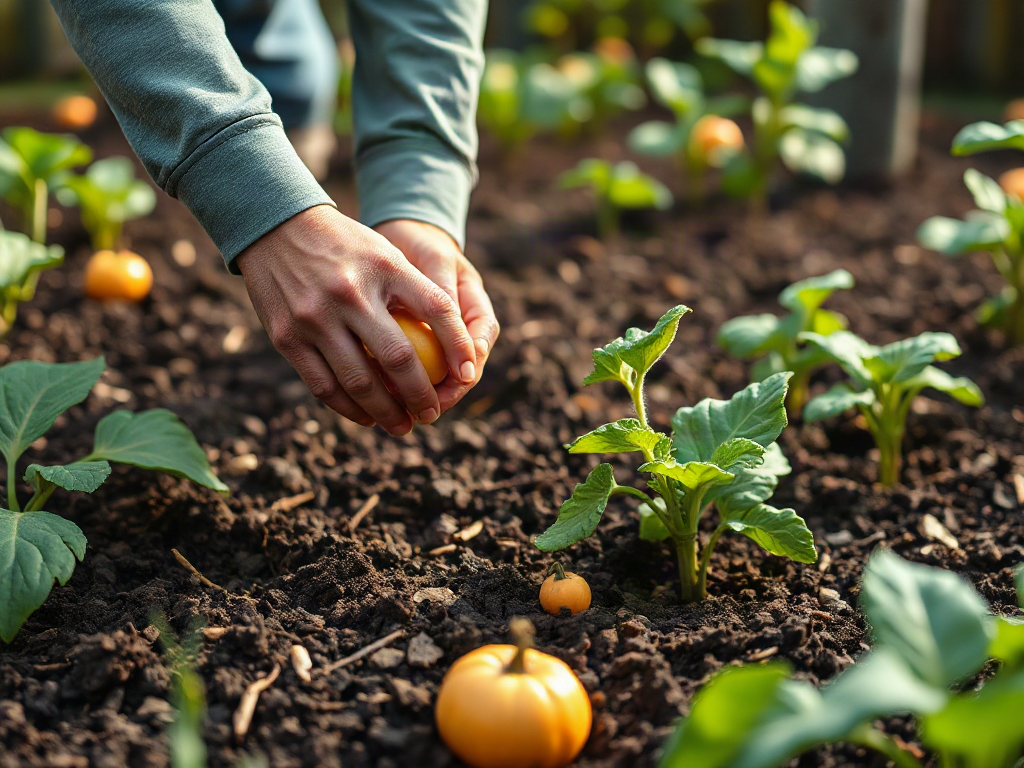
Choose a Site That Can Support Vegetables
Site quality determines how much work a new garden will demand after planting. Most fruiting vegetables, including tomatoes, peppers, cucumbers, and beans, perform best with at least six hours of direct sunlight, with eight or more often producing stronger growth. Leafy crops tolerate somewhat less light, but a bright location is still preferable to a shaded corner beneath trees. Observe the proposed area several times during the day because fences, buildings, and mature trees can cast shadows that are not obvious in the morning.
Drainage matters as much as sunlight. After heavy rain, water should soak into the ground rather than remain in puddles for a day or longer. Saturated soil excludes oxygen from the root zone and increases the likelihood of weak growth and root disease. A low spot may look convenient, but it can become unusable during wet weather. Where native soil drains poorly, a raised bed can provide a shallower, better-aerated growing zone. A raised structure does not fix standing water around the bed, however, so runoff still needs somewhere to go.
Access shapes daily maintenance. Place the bed close enough to a reliable water source that watering does not require dragging several connected hoses across the property. Check for nearby tree roots, buried utilities, septic components, and areas treated with lawn herbicides. Avoid planting beside old painted structures or on questionable fill soil unless testing confirms that the site is suitable for food production. Containers filled with purchased growing mix are a practical alternative when the ground is contaminated, paved, heavily rooted, or unavailable.
For a first season, a bed around 4 feet wide allows most adults to reach the center from either side without stepping on the soil. Length can match the available time and space; even an 8-foot-long bed can hold several useful crops. In-ground rows cost less to establish, while framed beds warm earlier, define paths clearly, and are easier to amend intensively. Containers offer the greatest flexibility but dry faster and need enough volume for mature roots.
Mark the proposed footprint before digging, then watch it for several days. Confirm that a hose reaches, rain drains away, and foot traffic will not cross the planting area. Starting small is not merely cautious: it keeps watering, weeding, and harvesting within a realistic weekly workload. The site assessment in Growing a vegetable garden for beginners from scratch should happen before buying seeds, lumber, or bulk soil.
Build Fertile Soil Without Overcorrecting It
Productive garden soil holds moisture while still leaving air spaces around roots. Texture, organic matter, drainage, nutrient levels, and pH all influence that balance. Dark color alone does not prove that soil is fertile, and adding several bags of amendments without testing can create excess nutrients rather than better growing conditions. A laboratory soil test is the most useful starting point for an in-ground bed because it can identify pH and nutrient needs specific to the sampled area.
Collect soil from several points within the planned bed and combine the samples according to the testing laboratory’s directions. Keep lawn, compost pile, and garden samples separate because they are managed differently. University or regional agricultural extension services commonly provide instructions and interpretive recommendations. Follow the report’s application rates; more lime or fertilizer is not better. Excess phosphorus can accumulate, excessive nitrogen can produce lush leaves with poor fruiting, and unnecessary lime can move pH beyond the range preferred by common vegetables.
Compost improves the physical condition of many soils, but it is not a complete remedy for every problem. Spread a modest layer of finished compost over a new bed and mix it into the upper soil rather than filling a deep hole with pure compost. Roots need a broad, consistent growing zone, not an isolated pocket. In heavy clay, repeated additions of organic matter can improve workability over time, while coarse sandy soil benefits from compost’s ability to retain moisture. Never work clay while it is wet enough to smear or form a dense ball; compaction created then can persist through the season.
A new raised bed requires a mix that drains yet does not collapse after a few irrigations. Straight garden soil may become dense inside a frame, while pure potting mix can be unnecessarily expensive for a large bed. A blended raised-bed product or a measured mixture of screened topsoil and mature compost is usually more practical. Ask bulk suppliers what is in their mix and whether they can provide test information. Fresh manure, unfinished compost, and materials with unknown herbicide exposure can damage seedlings or introduce weeds.
Prepare the surface so it is level and crumbly, then water it before sowing very small seeds. Mulch should wait until seedlings emerge and the soil has warmed enough for the crop. A two- to three-inch layer of clean straw, shredded leaves, or untreated grass clippings can reduce evaporation and block many annual weeds, but mulch piled against stems may retain excessive moisture. Good preparation is showing results when water enters the soil without prolonged puddling and roots spread through the bed. Crusting, sour odors, persistent saturation, or stunted growth indicate that structure or drainage needs another look.
Select Crops and Plant at the Right Time
Crop choice should reflect season, space, household demand, and the length of the local growing period. Buying one of every appealing seed packet often creates a crowded bed with incompatible planting dates. Choose a short list of vegetables that your household will eat, then confirm whether each prefers cool or warm conditions. Lettuce, peas, spinach, radishes, carrots, and many brassicas tolerate cool weather. Beans, cucumbers, squash, peppers, and tomatoes need warmer soil and can be injured by frost.
Local frost dates are planning estimates rather than guarantees. Seed packets and transplant labels provide crop-specific timing, while regional extension calendars help translate those instructions to local conditions. Direct sowing works well for beans, peas, carrots, radishes, squash, and cucumbers because they germinate readily or dislike root disturbance. Tomatoes, peppers, eggplants, and some brassicas are commonly set out as transplants, giving them a head start where the growing season is limited. Large, flowering transplants are not automatically better; compact plants with healthy foliage and a firm root ball usually establish more smoothly.
Use mature plant size rather than seedling size to set spacing. Six tiny zucchini plants may fit neatly on planting day, but their leaves can soon cover most of a small bed. Crowding reduces airflow, makes harvesting difficult, and forces roots to compete for water. A better first-bed combination might include one cherry tomato supported by a cage, a short row of bush beans, several lettuces, and radishes planted in gaps that will be empty before the larger crops expand.
A compact seven-stage planting sequence keeps the work orderly:
- Confirm sunlight, drainage, and access to water.
- Test and prepare the soil.
- Identify the local frost window and current soil conditions.
- Select a few crops suited to the season.
- Lay out mature spacing before opening packets or pots.
- Sow or transplant at the depth shown on the label.
- Record the variety, date, location, and expected harvest period.
Seed depth affects emergence. Tiny seeds planted too deeply may exhaust their stored energy before reaching light, while shallow large seeds may dry out. Firm the soil gently after sowing so moisture can move around the seed, then use a fine spray that does not wash it away. Transplants should be watered before and after planting; most go into the soil at the same depth they occupied in the pot. Tomatoes are a notable exception because portions of their buried stems can form roots.
Succession sowing can extend harvests of radishes, lettuce, and bush beans, but only if climate permits. Plant a small amount, then repeat after an interval instead of sowing the whole packet at once. Keep labels because varieties differ in maturity and disease resistance. The crop-selection approach described in Growing a vegetable garden for beginners from scratch favors dependable harvests over the maximum possible variety.
Manage Water, Weeds, Pests, and Harvests
Consistent observation prevents small garden problems from becoming crop losses. Walk through the bed several times a week and look beneath leaves, touch the soil, remove young weeds, and harvest anything ready. A fixed watering schedule can be misleading because wind, temperature, rainfall, soil texture, mulch, and plant size change water demand. Check moisture below the surface with a finger or small trowel; the top can look dry while the root zone remains moist.
Water slowly enough to penetrate rather than run off. Early morning irrigation leaves plants supplied before daytime heat and allows wet foliage to dry. A watering wand aimed at the soil, drip tubing, or a soaker hose limits splashing compared with a strong overhead stream. Newly sown beds need gentle, frequent moisture near the surface until germination, whereas established plants benefit from deeper watering with time between applications for air to return to the soil. Wilting at midday does not always prove drought; if the soil is already wet and plants recover in the evening, additional water may worsen the problem.
Weeds are easiest to control while small. Pulling them after they flower or set seed creates more work in later seasons, and deep hoeing can damage vegetable roots. Shallow cultivation followed by mulch is usually more efficient. Inspect mulch periodically because thick, matted grass clippings may repel water or become slimy. Add thin layers only after untreated clippings have cooled, and keep all mulch away from direct contact with tender stems.
Pest management begins with identification, not spraying. Holes in leaves may come from caterpillars, beetles, slugs, or weather damage, and each calls for a different response. Examine both leaf surfaces and check plants at different times of day. Hand-picking, row covers, crop sanitation, and removal of badly infested material can be enough in a small bed. Row cover must be installed before pests arrive and removed or opened when insect-pollinated crops begin flowering. Any pesticide used on edible plants must list the crop and pest on its label, and its harvest interval must be followed.
Plants communicate whether the system is working. Steady new growth, normal leaf color, flowering followed by fruit set, and soil that remains moist but not saturated are favorable signs. Yellow lower leaves can reflect aging, excess water, nutrient issues, root damage, or disease, so adding fertilizer without checking conditions is a poor diagnosis. Sudden widespread wilting, chewed stems, no seed emergence, or fruit that repeatedly rots deserves prompt investigation.
Harvest timing affects both quality and continued production. Pick zucchini and cucumbers while tender, gather beans before pods become tough, and remove damaged fruit so plants do not spend energy on it. Lettuce may be taken as outer leaves or as a whole head, depending on the variety. Record which crops produced well, which were ignored in the kitchen, and where shade or pests caused trouble. Those notes turn a first-year experiment into a more accurate layout for the following season.
Frequently Asked Questions
What is the easiest vegetable garden size for a beginner?
A bed about 4 by 8 feet is large enough for several crops but small enough to water and weed consistently. Containers or a smaller bed are better when time, mobility, or outdoor space is limited.
Which vegetables are easiest to grow for the first time?
Bush beans, leaf lettuce, radishes, zucchini, and cherry tomatoes are approachable when planted in their preferred season. Choose only vegetables suited to your climate and available sunlight.
Should a new vegetable garden use seeds or transplants?
Direct-sow fast-growing crops such as beans and radishes, but consider transplants for tomatoes and peppers. Transplants cost more, while seeds provide more varieties and cover more ground economically.
How often should a vegetable garden be watered?
Water according to soil moisture rather than a rigid calendar. Seedbeds need frequent surface moisture, while established vegetables generally need slower, deeper irrigation when the root zone begins to dry.
Can vegetables grow without a raised bed?
Yes. In-ground beds work well where soil is safe, reasonably fertile, and well drained. Raised beds are useful for poor drainage, compacted ground, clearer access, or more control over the growing mix.
Conclusion
A successful first vegetable bed comes from matching ambition to the site and the time available for maintenance. Verify sun and drainage before spending money, test in-ground soil before applying amendments, and select a few crops whose planting windows fit local weather. Give every plant its mature spacing, keep the root zone evenly moist rather than constantly wet, and inspect leaves and soil often enough to notice changes early.
Mark out one manageable bed, arrange a soil test, and choose vegetables your household will actually harvest and eat. Keep brief notes on planting dates, varieties, pests, yields, and failures. Those observations are more valuable than expanding immediately: they reveal whether the next investment should be better irrigation, improved soil, pest protection, or simply a different crop in the next season.