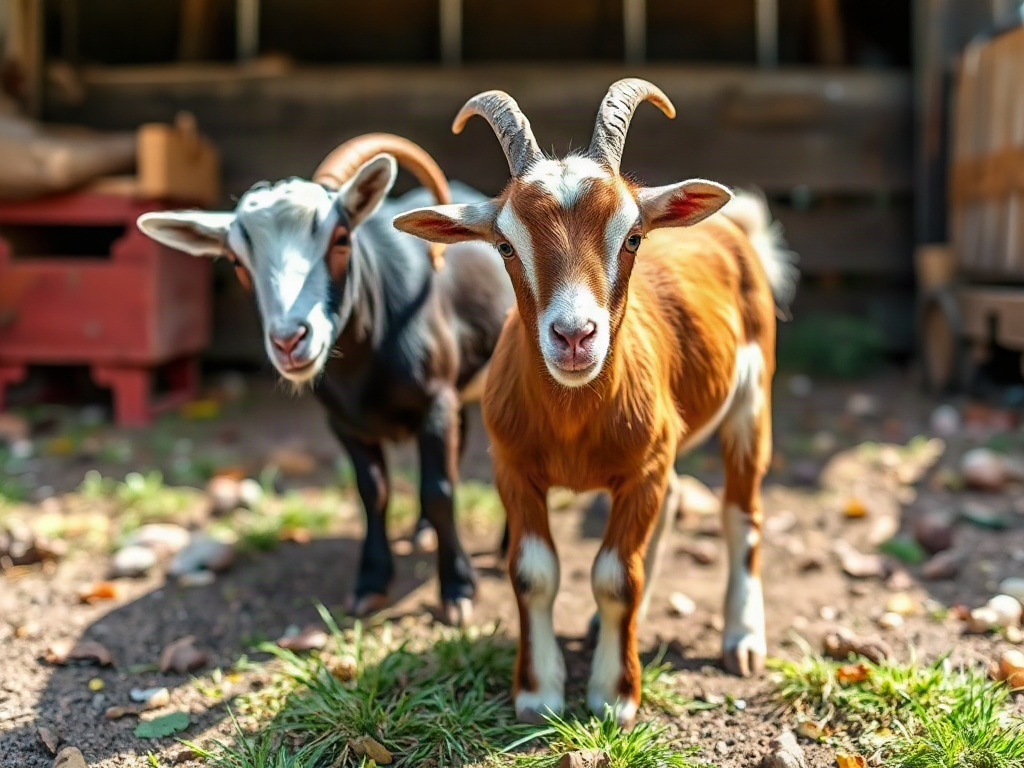
Raising pygmy goats in small spaces works when beginners keep at least two compatible goats, provide escape-resistant fencing, maintain a dry shelter, and manage feed and manure instead of relying on limited pasture. A compact enclosure needs separate areas for hay, water, resting, and climbing so food stays clean and timid goats can avoid conflict. Daily observation should cover appetite, droppings, movement, fence damage, and water intake, while hoof care and parasite monitoring belong on a recurring schedule. Before bringing goats home, confirm local livestock rules, arrange veterinary support, and calculate whether the site can handle year-round hay storage and waste removal.
Decide Whether Your Space Can Support Pygmy Goats
A small property can accommodate pygmy goats, but usable space matters more than the advertised dimensions of the lot. Goats need a secure outdoor enclosure, a dry sleeping area, room to move away from one another, protected feed storage, and a workable route for removing soiled bedding. A yard that technically has enough square footage may still be unsuitable if it floods, shares a fence with loose dogs, or leaves no place to store hay away from moisture.
Pygmy goats are herd animals, so keeping one alone is a poor space-saving strategy. Human attention does not replace continual contact with another goat. Beginners should plan for at least two compatible animals and size the facilities around both. Two wethers, which are castrated males, are often a more straightforward companion pair than animals intended for breeding or milk production. Breeding introduces kidding space, reproductive management, and the possibility of needing additional pens at short notice.
Local rules can end the project before construction begins. Check municipal zoning, homeowners association restrictions, setback requirements, livestock limits, and nuisance provisions for noise, odor, or manure. Do not assume that a property described as rural or agricultural automatically permits goats. Ask how the rules classify miniature livestock and whether a shelter requires approval. Written confirmation is more useful than an informal opinion from a neighbor.
Small-space management also changes the economics. A larger pasture may provide some seasonal forage, while a compact pen usually makes the owner responsible for nearly all hay, minerals, bedding, enrichment, and manure handling. The ground may become bare quickly because goats repeatedly walk, play, and feed in the same places. That is not necessarily a failure, but it means the pen should be managed as a livestock yard rather than treated as self-renewing pasture.
Before buying animals, walk the proposed site after heavy rain and during the hottest part of the day. Look for standing water, inadequate shade, toxic landscaping, sharp debris, and gaps beneath gates. Identify where a delivery vehicle can unload hay and where manure can legally go. The planning principles in Raising pygmy goats for beginners in small spaces are most useful when applied before goats test every weak point themselves.
Build a Secure Pen and Weatherproof Shelter
Fencing is the primary containment system, not a decorative boundary. Pygmy goats investigate openings with their noses, lean on weak panels, and may use nearby objects as launching points. A fence should resist climbing and pushing, have openings that do not readily trap heads, and meet the ground closely enough to discourage goats from nosing underneath. Height alone cannot compensate for loose wire, weak corners, or a gate latch that moves when rubbed.
Woven livestock fencing or rigid livestock panels are common choices, but each has tradeoffs. Woven fencing follows uneven ground and can enclose irregular areas, although it must be stretched and supported correctly. Rigid panels are easier to use for compact pens and subdivisions, but joints and cut ends need careful fastening. Electric fencing may reinforce a physical barrier when installed and maintained properly; it should not be treated as an effortless substitute for a secure perimeter, especially where predators or neighborhood dogs are concerns.
Place climbing structures well away from the fence. A cable spool, platform, or sturdy low deck gives goats an outlet for climbing, but the same object beside a boundary becomes an escape aid. Avoid unstable stacks, protruding nails, tight gaps, and heights from which a goat could land on hard debris. A useful layout includes more than one route around obstacles so a dominant goat cannot corner a quieter companion.
The shelter must stay dry, block prevailing wind, and provide ventilation above goat level. Airtight construction traps moisture and ammonia from bedding, while an exposed three-sided structure may admit driving rain if it faces the wrong direction. Test the interior during bad weather rather than judging it on a calm day. Bedding should remain dry where goats lie down, and the roof should drain outside the pen’s busiest path.
In a confined enclosure, divide functions instead of placing everything in one crowded corner. Mount the hay feeder where fallen hay can be cleaned up, keep water away from bedding, and create a dry loafing surface near the shelter. A second feeding position can reduce bullying. If one goat repeatedly waits to eat, loses condition, or gets driven into fencing, the layout is failing even if both animals technically fit inside it.
A common mistake is building the shelter first and fitting the fence around it later. Sketch gates, cleaning access, feed delivery, drainage, and emergency separation before setting posts. Include a small catch area or movable panels so hoof trimming, veterinary examination, and introductions do not turn into a chase through the entire pen.
Feed Goats Without Relying on a Tiny Pasture
Limited vegetation should be treated as enrichment, not the foundation of the ration. Goats are selective browsers, but a small yard cannot continually replace the leaves and stems they consume. Once desirable plants disappear, the animals may strip bark, sample ornamental shrubs, or eat plants they previously ignored. Provide suitable forage consistently rather than waiting for the pen to look bare.
Good-quality hay generally forms the practical base for non-lactating pet goats that lack adequate browse. Offer it in a feeder that limits trampling and contamination; hay scattered on wet ground quickly becomes bedding and waste. The appropriate type and amount depend on the animals’ age, body condition, reproductive status, health, and the hay itself. A local veterinarian or livestock-focused extension resource can help owners assess forage rather than choosing by color or price alone.
Fresh water must remain available and clean. Pygmy goats may reject water containing manure, algae, stale hay, or ice, so a small bucket is not automatically adequate just because it was full that morning. Place the container where goats cannot easily stand in it, scrub it routinely, and monitor consumption during hot weather or sudden cold. Changes in drinking can also accompany illness or a change in feed.
Use a loose mineral formulated for goats rather than improvising with a general-purpose block. Goats may not consume enough from a hard block, and products intended for other livestock may have a different mineral profile. Keep loose mineral dry and accessible. Copper requirements deserve particular care: goats and sheep do not handle supplemental copper in the same way, so mixed-species housing and shared mineral feeders require professional guidance rather than guesswork.
Grain is not a default requirement for every backyard pygmy goat. Concentrates may be appropriate for specific growth, pregnancy, lactation, or medical needs, but casual feeding can add excess energy and disturb the balance of the ration. Wethers and bucks require particular attention to urinary health and mineral balance. Sudden feed changes are another avoidable risk because the rumen microbial population needs time to adjust. Introduce any necessary change gradually and seek veterinary advice for an animal that stops eating, strains to urinate, develops diarrhea, or shows abdominal distress.
Store hay off the floor under a sound roof with airflow around it. Reject bales with obvious mold, unusual heat, or a musty odor. Secure grain and treats in containers goats cannot open; an escaped goat consuming a large quantity of concentrate is an emergency, not a harmless indulgence. For beginners, disciplined forage storage and controlled feeding are more valuable than collecting numerous supplements.
Follow a 7-Step Care Checklist
Consistent observation catches small changes before they become difficult small-space problems. Because goats in a compact pen are seen at close range, owners can establish a reliable baseline for appetite, posture, droppings, movement, and social behavior. The goal is not to diagnose every condition independently. It is to notice departures from normal and know when to contact a veterinarian.
- Confirm both goats are present and responsive. A goat standing apart, grinding its teeth, repeatedly lying down, or failing to approach food deserves closer attention.
- Check hay, water, and mineral. Remove contamination, note unexpectedly high or low consumption, and verify that a dominant animal is not blocking access.
- Inspect the fence and gate. Look for lifted wire, bent fasteners, digging at the perimeter, and objects moved close enough to aid climbing.
- Scan the shelter and bedding. Remove wet material, check roof leaks, and make sure ventilation openings have not been blocked.
- Observe walking and hooves. Limping, overgrown hoof walls, odor, heat, or reluctance to bear weight calls for prompt assessment.
- Review droppings and body condition. Persistent loose manure, weight loss, a rough coat, or swelling beneath the jaw may warrant veterinary evaluation and parasite testing.
- Remove manure and refresh enrichment. Rotate safe climbing items or browse and keep heavily used ground from becoming a wet, contaminated feeding surface.
Hoof trimming frequency varies with hoof growth, ground surface, season, and the individual goat. Hard, varied footing may wear hooves differently from soft bedding and damp soil. Ask an experienced goat keeper, veterinarian, or qualified hoof-care provider to demonstrate safe restraint and trimming before attempting major corrections. Removing too much hoof at once can cause pain and bleeding, while postponing care can distort the hoof and alter movement.
Parasite control should be based on observation and informed testing rather than automatic deworming on a calendar. Repeatedly using dewormers without knowing whether treatment is needed can contribute to drug resistance. A veterinarian can advise on fecal testing, local parasite patterns, treatment choices, and withdrawal requirements where relevant. Owners who use eyelid-color assessment methods need proper hands-on instruction; a color chart alone does not replace diagnosis.
Keep a simple record for each goat with identification, vaccinations, hoof work, fecal results, treatments, body-condition observations, and veterinary contacts. Records reveal gradual changes that daily familiarity can hide. They also make it easier to explain a problem accurately when professional help is needed. A recurring checklist based on Raising pygmy goats for beginners in small spaces should become more specific as the owner learns each animal’s normal behavior.
Signs that the system is working include dry resting areas, steady body condition, normal movement, predictable feeding behavior, intact fencing, and manageable odor. Repeated escapes, persistent mud, heavy hay waste, hoof trouble, bullying, or manure accumulation indicate that the facilities or routine need revision. Adding another goat, breeding the pair, or expanding feeding should wait until the existing arrangement remains stable through seasonal weather.
Frequently Asked Questions
Can one pygmy goat live alone in a small yard?
No. Pygmy goats are social herd animals and should normally have a compatible goat companion; regular human attention does not provide the same continuous social contact.
Do pygmy goats need pasture?
They do not require a large pasture if suitable hay, water, minerals, exercise space, and safe enrichment are provided. A tiny yard should not be expected to produce enough forage year-round.
What type of shelter works in a compact goat pen?
Use a dry, well-ventilated shelter that blocks prevailing wind and driving rain. It should have enough resting room for every goat without allowing one animal to trap another.
Are pygmy goats noisy or smelly?
They can vocalize when hungry, isolated, stressed, or seeking attention. Odor is usually more noticeable when bedding stays wet, manure accumulates, drainage is poor, or intact males are kept.
Should beginners give pygmy goats grain every day?
Not automatically. Many non-lactating pet goats can become overweight on unnecessary concentrate, so grain should match a defined nutritional need and a veterinarian-informed feeding plan.
Conclusion
A successful compact goat yard is measured by animal condition and daily manageability, not by how many goats can physically fit behind a fence. Confirm permission first, choose a compatible pair, and finish the perimeter, shelter, drainage, feed storage, and manure route before bringing them home. Treat hay and clean water as dependable inputs rather than expecting a small patch of vegetation to sustain the herd.
Once the goats arrive, watch individual access to feed, keep resting areas dry, record health changes, and correct fence damage immediately. Arrange a relationship with a goat-knowledgeable veterinarian before an emergency and get hands-on instruction for hoof work and parasite monitoring. If the pen remains muddy, crowded, difficult to clean, or socially tense, improve the system before adding animals or attempting breeding.