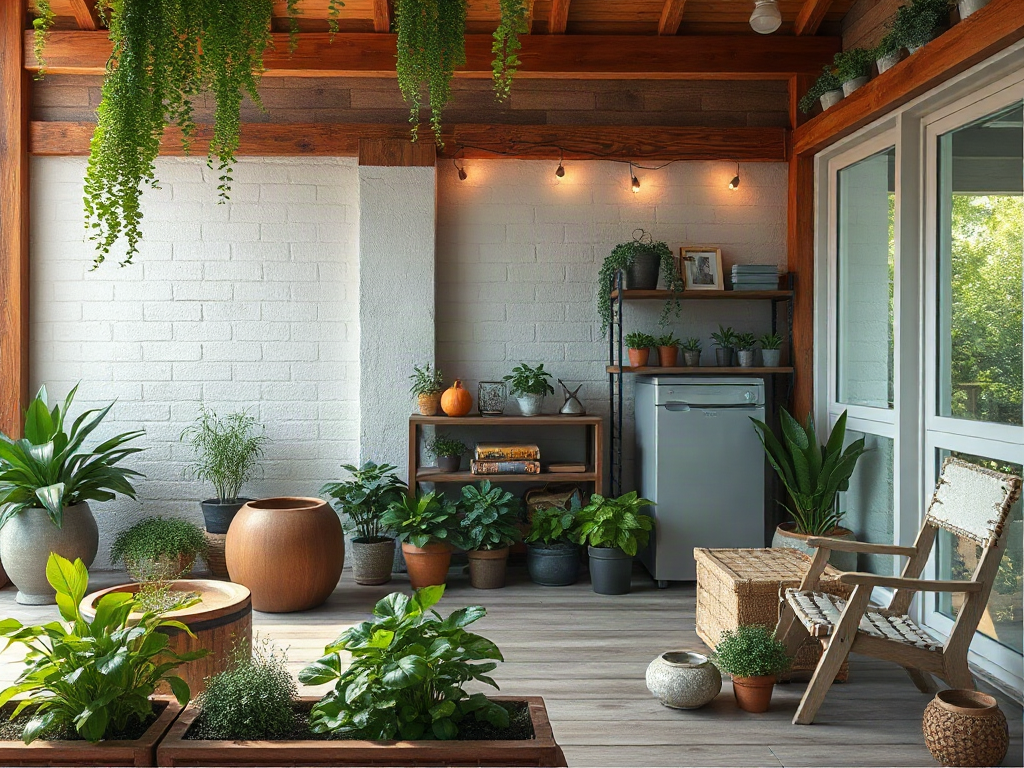
Micro homesteading systems for apartments and small lots work best when food growing, composting, water use, and storage are designed as one compact workflow rather than separate projects. Prioritize productive containers or raised beds, crops matched to available sunlight, and a contained method for processing kitchen scraps without odors or pests. Capture and reuse water only where leases and local rules permit, and avoid loading balconies with heavy wet soil or full rain barrels. A successful system produces a modest, repeatable harvest while keeping daily maintenance, indoor humidity, drainage, and stored supplies within the space’s actual limits.
What Can a Micro Homestead Realistically Fit?
A useful micro homestead begins with an inventory of light, load-bearing surfaces, water access, drainage, household rules, and daily labor. Square footage alone gives a misleading picture. A sunny six-foot balcony may grow more edible produce than a shaded side yard, while an indoor shelf can handle seedlings and herbs but may create humidity or lighting costs if expanded without restraint.
Observe direct sunlight at several points during the day rather than relying on a general label such as “south-facing.” Nearby buildings, roof overhangs, trees, and balcony walls can shorten the usable growing window. Fruiting plants such as tomatoes, peppers, cucumbers, and strawberries generally demand the brightest locations. Leaf lettuce, parsley, mint, chives, and some Asian greens are more practical where direct sun is limited, although deep shade will still reduce growth.
Weight deserves equal attention in apartments. Potting mix becomes substantially heavier after watering, and large planters concentrate that load in a small area. Place heavier containers near structurally supported edges only when the building owner or qualified building professional confirms that arrangement is suitable. Avoid treating a balcony as ground-level storage for soil bags, water barrels, masonry planters, or stacked containers. Lightweight pots and appropriately formulated container mix are usually safer than garden soil, which compacts, drains poorly in pots, and adds unnecessary mass.
Access can determine whether an otherwise sensible layout survives the season. Every container needs to be reachable for watering, inspection, and harvest without moving several other pots. Keep drainage from dripping onto neighboring balconies or creating slippery walkways. Saucers can protect surfaces, but standing water should not remain around roots or become a place where insects breed.
Set a production goal tied to food you already use. A household that cooks with herbs several times a week may gain more from basil, thyme, parsley, and scallions than from one sprawling winter squash vine. On a small lot, a dedicated bed for salad greens and climbing beans may outperform a mixed planting dominated by space-hungry crops. The common mistake is trying to reproduce a rural homestead in miniature. A compact system should select the highest-value functions for the site rather than compressing livestock, bulk staple crops, water storage, and every preservation method into an unsuitable space.
How Do You Build a Compact Food-Growing System?
Compact food production works when each growing position has a defined crop, container, and succession plan. Start with a small number of reliable planting zones: a bright area for fruiting crops, a moderate-light area for leafy crops, and a protected nursery space for seedlings. This makes watering and crop rotation easier than scattering mismatched pots throughout the property.
Container depth should reflect the root system and the plant’s mature size. Shallow boxes suit many lettuces and small herbs, while tomatoes, peppers, eggplants, and long-rooted crops need more root volume and stable support. Every outdoor container requires drainage holes. A layer of stones at the bottom does not correct poor drainage and reduces the volume available to roots; use a free-draining container mix and an unobstructed outlet instead.
Vertical growing increases productive surface area, but it does not create additional sunlight or root space. Trellised pole beans, compact cucumbers, and peas can use railings or freestanding supports where attachments are permitted. Position tall plants so they do not shade shorter crops or block required access. Secure supports against wind, especially above ground level, and keep vines from crossing property lines or clinging to building materials.
A simple planting sequence is more dependable than filling every pot at once:
- Plant frequent-use crops first: choose three to five herbs, greens, or compact vegetables that fit household meals.
- Reserve the brightest position: use it for one or two fruiting crops rather than overcrowding several.
- Sow in small intervals: replace a harvested container of quick greens instead of producing one large flush.
- Record results: note sowing dates, light exposure, pest pressure, and actual harvests before buying more containers.
Consider a balcony with four medium containers and one narrow trellis. Two pots can alternate lettuce, arugula, or radishes in cooler periods; one can hold perennial chives or thyme; another can support a compact pepper; and the trellis can carry pole beans when temperatures suit them. That arrangement supplies several recurring ingredients without making every plant compete for the same vertical plane.
Overplanting is the typical failure mode. Crowded seedlings initially look productive, but restricted airflow, rapid water depletion, and competition can reduce usable harvests. Thin seedlings according to their mature spread, inspect leaf undersides, and remove failing plants promptly. Signs that the system is working include steady new growth, predictable watering intervals, roots contained within the pot, and harvests that enter meals. Constant wilting, water running straight through dry mix, pale growth, or roots circling densely indicate that the crop, container, or maintenance schedule needs adjustment.
How Can Compost, Water, and Waste Work Together?
A small-space resource loop should reduce waste without creating sanitation, moisture, or neighbor problems. Kitchen scraps can become a soil input, but the processing method must match the dwelling. Outdoor compost piles are rarely appropriate for apartments, while compact enclosed systems can work if they are operated carefully and permitted by the lease or building rules.
A worm bin can process selected plant scraps in a ventilated container with moist bedding. Feed gradually, bury scraps below the surface, and avoid adding more than the worms can process. Persistent odors, escaping worms, or wet compacted material usually signal excess food, inadequate airflow, or too much moisture. A sealed fermentation bucket handles scraps differently and produces pre-composted material that still needs a suitable place to finish breaking down; it does not create ready-to-use potting soil inside the bucket. If no finishing location exists, municipal organics collection may be the cleaner choice.
Ordinary enclosed composting can suit a small yard when the bin has contact with neither living space nor vulnerable structures and local requirements allow it. Balance moist food scraps with dry carbon-rich material such as shredded uncoated cardboard or dry leaves. Meat, grease, and large quantities of cooked food can attract pests in many home systems. Diseased plants, persistent weeds with seeds, and pet waste also require disposal methods suited to local guidance rather than automatic addition to edible-garden compost.
Water planning should begin with demand reduction. Group containers with similar moisture needs, mulch the soil surface where appropriate, and water at the growing medium rather than wetting walls and walkways. Check moisture below the surface with a finger or wooden skewer before watering on a fixed calendar. Windy balconies can dry rapidly even when temperatures are moderate, whereas indoor pots may remain wet much longer.
Rainwater capture is more practical on a small lot than on most balconies. A full container is heavy, needs a secure lid and overflow route, and may be restricted by property rules or local requirements. Water collected from a roof can contain debris or contaminants associated with roofing materials and nearby pollution, so its suitability depends on the collection surface and intended use. Do not assume captured water is potable, and do not drink it without an appropriate, validated treatment system.
The strongest loop may be modest: vegetable trimmings go to an approved organics stream or managed worm bin, finished material supplements rather than replaces container mix, and careful irrigation limits runoff. Trying to make the system perfectly closed often causes trouble because container crops remove nutrients at harvest and may still need fresh mix or fertilizer. Judge success by clean operation, manageable inputs, healthy roots, and less discarded material—not by complete independence from outside resources.
Storage, Routines, and Seasonal Planning
Micro homesteading becomes sustainable when supplies and chores have fixed limits. Seeds, jars, tools, soil amendments, harvest baskets, and empty pots can consume more room than the active garden. Assign one weather-protected shelf, cabinet, or lidded container to garden materials, and treat its capacity as a purchasing boundary. Keep fertilizers and pest-control products in their original labeled packaging and away from children, pets, food, and heat sources.
Daily work should be brief and diagnostic. A quick check can identify wilting, damaged stems, blocked drainage, fallen supports, or early insect activity before the problem spreads. Water only after checking the growing medium. Harvest mature leaves and fruit promptly, because neglected produce consumes plant energy and can attract pests. Weekly tasks can include tying vines, cleaning saucers, rotating indoor pots for even exposure, and checking whether succession sowings are due.
Seasonal planning prevents the common pattern of an ambitious spring followed by an unmanageable summer. Select crops using the local frost calendar and expected heat, not the date garden products appear in stores. Cool-season greens may bolt as days warm, while heat-loving peppers can stall in cold nights. On a small lot, replacing a declining crop quickly is valuable because an empty bed represents a large share of total capacity. In an apartment, an unused sunny container can be replanted with a fast crop or rested and cleaned before the next planting.
Preservation should follow actual surplus. Freezing chopped herbs, drying a small batch of thoroughly clean herbs, or refrigerating quick pickles is often more proportionate than buying canning equipment for occasional harvests. Shelf-stable canning is a safety-sensitive process that requires a tested recipe and the correct method for the food’s acidity; improvising jar size, processing time, or ingredients is not a suitable way to use a small excess. When harvests are only meal-sized, eating them fresh is efficient rather than inadequate.
Use a monthly review to decide whether to expand, simplify, or change crops. Compare the harvest with the time, potting mix, water, and storage it required. A tomato plant that repeatedly struggles in four hours of light should not be treated as a character test; replace it with greens or herbs suited to that exposure. Conversely, steady harvests and a routine that survives busy weeks show that another container or short bed may be reasonable.
A failing system produces recurring clutter, missed watering, unresolved pests, spoiled harvests, or more compost feedstock than the chosen method can process. Remove one function before adding new equipment. Reliable micro homesteading is built through repeatable cycles—sow, maintain, harvest, clean, and replant—rather than accumulating projects faster than the space can support them.
Conclusion
A productive small-space setup is defined by dependable cycles, not the number of homestead activities squeezed onto the property. Map sunlight and water access first, verify structural and property restrictions, then choose a few crops that match both the site and household meals. Add composting only when there is a contained processing method and a legitimate use or destination for the finished material.
Keep tools and inputs within a fixed storage limit, monitor drainage and pests during short daily checks, and review results at the end of each planting cycle. If a crop repeatedly demands more light, root space, or labor than the site provides, replace it rather than expanding equipment around it. The next practical step is to sketch the available growing zones and assign one manageable function to each.
Frequently Asked Questions
Can I micro homestead without a balcony?
Yes. A bright window can support herbs, scallions, microgreens, or some leafy vegetables, while community compost collection, compact food storage, and seasonal preserving can supply other functions. Grow lights may expand options but add heat, equipment, and electricity use.
What should I grow first in a very small space?
Begin with two or three foods you use often and that suit the available light. Herbs, loose-leaf greens, scallions, and radishes are usually easier to fit than pumpkins, corn, or large indeterminate vines.
Is garden soil suitable for balcony containers?
Usually not. Ground soil can become dense in pots, drain poorly, and add substantial weight. Use a container-growing mix appropriate for edible plants, and confirm that the balcony can safely support the complete wet system.
How can I compost without causing odors?
Choose a contained method, add scraps gradually, maintain airflow and appropriate moisture, and remove unsuitable food. Odor usually indicates excess feed, waterlogged material, or anaerobic conditions rather than an unavoidable feature of composting.
Are chickens or rabbits practical on a small lot?
They may be possible only where zoning, leases, space, sanitation, shelter, veterinary access, and year-round care permit them. Containers and composting are usually better starting systems; livestock should not be added merely to make a small property feel more like a conventional homestead.
Further Reading
Authoritative Sources
- Composting at Home
epa.govThe U.S. Environmental Protection Agency explains home composting materials, methods, and common operating considerations
- USDA People’s Garden
usda.govThis USDA initiative provides gardening information and connections relevant to food production in homes and communities
- National Center for Home Food Preservation
nchfp.uga.eduThis university-based resource publishes tested guidance for safely preserving home-grown foods
- Extension Foundation
extension.orgExtension resources can help readers find regionally appropriate information about crops, pests, seasons, and soil management