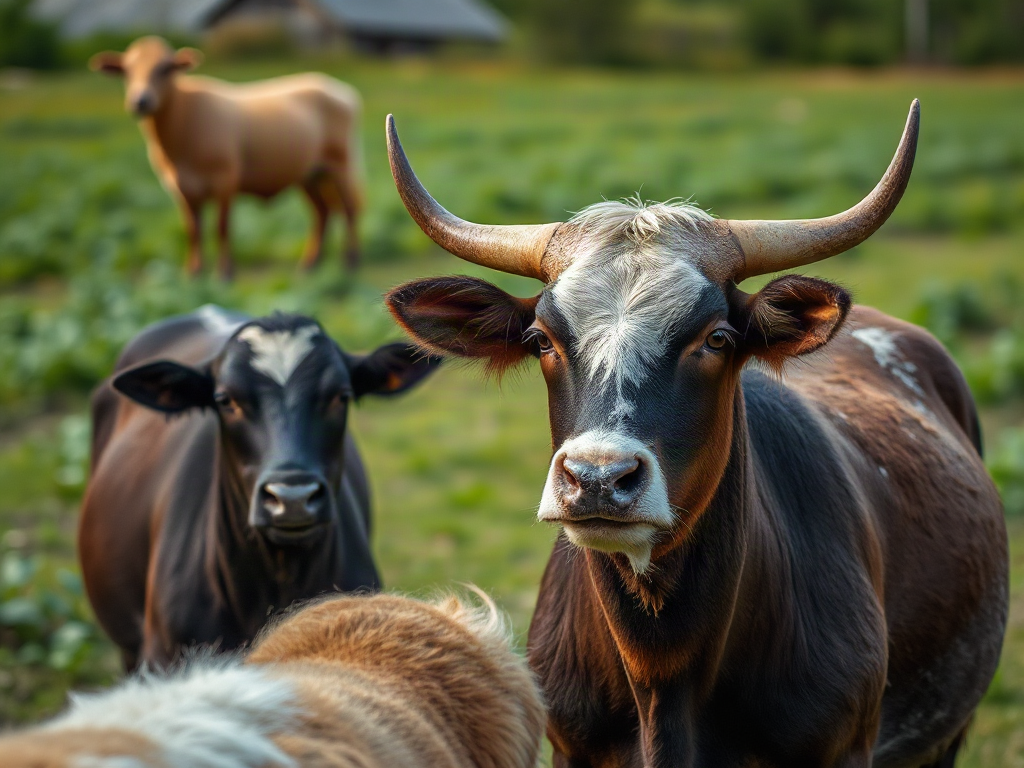
Keep newly acquired livestock separated from the resident herd for at least 30 days, unless a veterinarian recommends a longer quarantine based on species, origin, test results, or symptoms. House arrivals in a distinct area with separate water, feed equipment, bedding tools, and manure handling. Observe appetite, temperature when appropriate, breathing, manure, skin, feet, and behavior every day, and record any treatments or abnormalities. Complete species-appropriate testing, parasite control, vaccinations, and identification with veterinary guidance rather than treating every animal automatically.
How Should You Prepare a Livestock Quarantine Area?
A workable quarantine area separates animals, equipment, drainage, and daily chores—not merely noses across a convenient fence. Choose a pen or small pasture that limits direct contact with the resident herd and prevents shared access to water troughs, feeders, mineral stations, shelters, and handling alleys. Greater distance is preferable when the property allows it, especially if animals could touch through fencing or exchange respiratory droplets at close range.
Consider how water and manure move through the property. A pen uphill from the main herd may allow runoff to enter occupied lots, while boots and wheelbarrows can carry manure between areas. Quarantine should therefore have its own feed tubs, water containers, pitchfork, grooming tools, halters, and bedding supplies. Color-coded buckets or clearly marked tools make accidental sharing less likely. If complete duplication is unrealistic, clean and disinfect appropriate equipment before it returns to general use, following the product label and allowing surfaces to remain wet for the stated contact time.
The enclosure must still meet the animal’s normal needs. Cattle require sturdy fencing and safe handling access; goats may exploit small gaps; pigs can root beneath weak panels; poultry need protection from wild birds and predators. Isolation in an unsafe, muddy, poorly ventilated pen simply exchanges one hazard for another. Provide dry footing, weather protection, species-appropriate space, and a way to examine or restrain an animal without moving it through the resident herd’s facilities.
Set the chore route before arrival. Care for established animals first and quarantined animals last, then change or clean contaminated footwear and wash hands. Dedicated coveralls or boots are useful when disease risk is elevated. If a sick animal is discovered, avoid returning immediately to newborns, pregnant animals, or shared feed storage.
A common failure is using an adjacent pen because it looks separate. Animals touching noses through wire, drinking from a trough that crosses the fence, or standing in runoff from the other side are not functionally isolated. Walk the route from feed storage to pen, water source, manure destination, and handling point. Any crossing with the resident herd reveals a gap to correct before the trailer arrives.
What Should Happen When New Livestock Arrive?
Arrival day should establish identity, condition, history, and a health baseline while minimizing unnecessary movement. Ask for available purchase records, identification, vaccination dates, test documentation, recent treatments, withdrawal information, and the source herd’s known health concerns. Records do not replace observation, but they help a veterinarian decide which tests or preventive measures fit the animal rather than relying on a uniform protocol.
Unload directly into the prepared area when possible. Routing a new goat through the resident barn or placing purchased cattle in a communal alley before quarantine creates exposure before observation has begun. Use calm handling because transport stress can suppress appetite, loosen manure, and make subtle illness harder to interpret. Offer familiar forage and clean water first; sudden feed changes can cause digestive trouble that resembles or compounds disease.
Examine each animal from a safe distance before close handling. Note alertness, body condition, gait, breathing effort, coughing, nasal or eye discharge, manure consistency, skin lesions, swelling, and visible parasites. Check feet where handling facilities and experience permit. Species, age, weather, pregnancy status, and transport duration all affect what is normal, so unexplained abnormalities deserve veterinary discussion rather than an improvised diagnosis.
Create a written arrival record with the date, individual identification, source, visible condition, feed offered, and any medications already reported. A photograph from each side can help track changes in body condition, swelling, wounds, or skin problems. For a small homestead, a clipboard at the quarantine pen may be more dependable than relying on memory. Larger groups benefit from numbered animals and individual entries because one improving animal can conceal another that is declining.
Do not automatically deworm, vaccinate, or medicate every arrival the moment it steps off the trailer. Treatment choices can depend on previous products, local parasite resistance, age, pregnancy, intended food use, and test findings. Medication also creates withdrawal obligations for animals producing meat, milk, or eggs. A veterinarian familiar with the species and region can help build an arrival plan that addresses real risks without masking symptoms or using unnecessary products.
Daily Observation, Testing, and Treatment Decisions
Consistent observations make quarantine informative rather than ceremonial. Check animals at least daily and preferably during normal feeding, when changes in appetite, movement, social behavior, and water use are easiest to recognize. Observe quietly before entering the pen; livestock may hide weakness or become more animated when approached. Record what you see so gradual changes are not lost between chores.
A compact monitoring routine should cover the same categories each time:
- Intake: interest in forage, concentrate, minerals, and water.
- Output: manure consistency, urination, and abnormal straining.
- Respiration: coughing, discharge, noise, or increased effort.
- Movement: lameness, reluctance to rise, stiffness, or isolation.
- Body condition: wounds, swelling, hair or feather changes, and external parasites.
- Behavior: alertness, rumination where applicable, and response to pen mates.
Testing should match the animal and the herd being protected. A closed dairy-goat herd, a small beef herd, a pig breeding group, and a backyard flock face different concerns. Source history, regional disease patterns, age, reproductive status, and planned use can change the testing decision. Contact a livestock veterinarian before purchase when possible; advance planning is more useful than discovering after arrival that a test requires a different sample, timing window, or official identification.
Separate an animal within the quarantine group if it develops concerning signs, provided another safe pen is available. Call a veterinarian promptly for severe breathing difficulty, inability to stand, neurologic signs, rapidly worsening illness, significant injury, or multiple affected animals. Avoid moving a suspect animal through shared facilities unless directed and necessary for care. Keep notes on onset, progression, feed intake, manure, temperature if you have been taught to take it safely, and any treatment already given.
Thirty days is a commonly used minimum planning period, but it is not a universal guarantee. Some infections have variable incubation periods, testing may need specific timing, and treatment can justify restarting or extending observation. A calendar alone cannot clear an animal that is coughing, losing weight, producing abnormal manure, or awaiting results. Quarantine is working when records remain stable, no new signs emerge, and planned veterinary steps are completed—not simply when a date arrives.
When Is an Animal Ready to Join the Herd?
Readiness requires both health clearance and a controlled social transition. The animal should have completed the planned isolation period without unresolved symptoms, have acceptable test results where testing was chosen, and have no outstanding treatment or veterinary follow-up. Appetite, manure, movement, and body condition should be stable. If uncertainty remains, extending separation costs time and labor but is usually easier than managing exposure throughout the established group.
Begin with fence-line contact only after quarantine requirements have been met; fence-line exposure is an introduction method, not a substitute for isolation. Use a barrier that prevents entanglement and limits striking, biting, or horn injuries. Observe whether animals settle after initial interest. Persistent charging, pacing, food guarding, or attempts to breach the fence suggest that more time or a different setup is needed.
Choose the first shared turnout carefully. A larger neutral area generally offers more escape room than a tight stall, alley, or feeder corner. Provide multiple feed and water access points so dominant animals cannot control every resource. Avoid introductions during calving, kidding, lambing, farrowing, severe weather, or other periods when the resident group is already under pressure. Horned and hornless animals, large size differences, intact males, and mothers with young may require additional separation or management.
For example, adding one young doe to an established goat group can trigger concentrated bullying because there is no familiar companion to share attention. Introducing two compatible arrivals may reduce isolation, but only if both have completed quarantine and are healthy. With cattle, quiet fence-line contact followed by turnout in a roomy paddock may be safer than placing a newcomer directly at a crowded hay feeder. Poultry often need visual contact through a partition before supervised access to shared space.
Monitor the group closely during the first hours and again at feeding. Normal hierarchy behavior may include brief chasing or displacement, but repeated pinning, injury, refusal to eat, exhaustion, or exclusion from water requires intervention. Keep the quarantine pen available instead of dismantling it immediately. A failed introduction may call for a slower social process, while renewed coughing, diarrhea, lameness, or lethargy calls for renewed health separation and veterinary advice.
Frequently Asked Questions
Is 30 days long enough to quarantine new livestock?
Thirty days is a practical minimum often used for planning, but source risk, species, symptoms, testing schedules, and veterinary findings may justify a longer period. Do not release an animal solely because the calendar has reached day 30.
Can quarantined livestock share a fence with the herd?
Direct fence contact weakens quarantine because animals may touch noses or exchange secretions. Use distance or a double barrier during isolation, then allow controlled fence-line contact after health requirements are complete.
Should every new animal be dewormed on arrival?
Not automatically. Parasite risks, resistance patterns, prior treatment, testing, species, and production use affect the decision. Ask a veterinarian about fecal testing and targeted treatment, including applicable withdrawal times.
What if one animal becomes sick during quarantine?
Separate it from other arrivals if that can be done safely, stop planned introductions, document the signs, and contact a veterinarian. The observation period may need to be extended for exposed pen mates.
Can animals from the same seller be quarantined together?
They may be managed as one quarantine group when their source and exposure history are genuinely shared. Animals assembled from different farms, auctions, or transport groups should not automatically be treated as a single-risk group.
Conclusion
Effective quarantine is built around separation, repeatable observations, and decisions based on the individual animal’s history rather than a calendar alone. Prepare the pen and chore route before purchase, prevent shared equipment and runoff, and document each arrival’s condition. Use veterinary input to select testing, vaccination, parasite control, and treatment instead of applying every intervention by default.
Keep the newcomer out of the resident group while symptoms, pending results, or treatment questions remain. Once health requirements are complete, shift to a gradual social introduction with secure fencing, adequate space, and duplicate feeding points. Watch both health and hierarchy behavior after turnout, and retain a functional separation pen in case the process needs to pause. The next practical step is to inspect the proposed quarantine area from water source to manure destination and correct every point where traffic, tools, or animals overlap.
For species-specific quarantine and testing decisions, consult a livestock veterinarian and current materials from your state veterinary authority, land-grant university extension service, and the USDA Animal and Plant Health Inspection Service. Local guidance is especially useful because reportable diseases, movement requirements, parasite patterns, and recommended diagnostic tests vary by species and region.