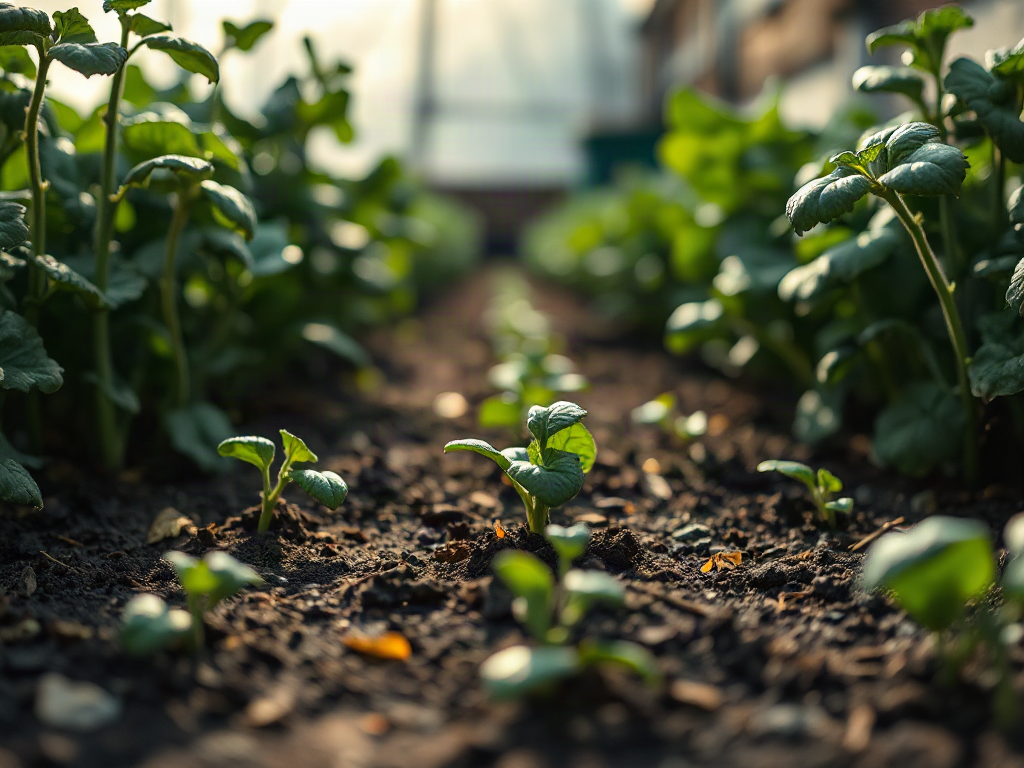
Growing vegetables with succession planting intervals means sowing small batches every 7 to 21 days instead of planting an entire seed packet at once. Begin with quick crops such as radishes, lettuce, spinach, bush beans, and baby carrots, then adjust each interval for germination speed, harvest duration, weather, and household demand. Use shorter gaps for crops harvested all at once and longer gaps for plants that produce repeatedly. Record sowing and first-harvest dates rather than trusting the seed packet alone.
How Does Succession Planting Work?
Succession planting spreads sowing dates across the season so vegetables reach harvest at different times. A gardener might sow one short row of radishes this Saturday, another row two Saturdays later, and a third after the first row is harvested. The purpose is not necessarily to grow more plants. It is to replace one large harvest with several smaller, more usable harvests.
The interval between sowings matters because vegetables do not all produce in the same way. A radish is normally removed when its root is ready, so that plant contributes to only one harvest. Bush beans may produce over a limited flush, while pole beans can continue setting pods for much longer. Leaf lettuce may be cut several times if the center remains intact. These different harvest patterns determine whether another sowing is needed in one week, three weeks, or not at all.
Days-to-maturity figures provide a starting point, but they do not create a reliable calendar by themselves. The number on a seed packet may be counted from direct sowing for one crop and from transplanting for another. Cool soil can delay germination, summer heat can trigger bolting, and shorter autumn days can slow growth. A lettuce listed at 45 days may take longer during a chilly spring or become bitter before forming a full head in hot weather.
Beginners usually get better results by separating succession planting into three methods. Repeated sowing places the same crop in the ground at regular intervals. Sequential replacement puts a different crop into an area after the first one finishes, such as fall spinach following spring peas. Staggered varieties use early-, mid-, and late-maturing cultivars planted at about the same time. Repeated sowing is the easiest method to observe, but combining it with replacement planting makes better use of limited beds.
The common misconception is that every vegetable should be planted repeatedly. Tomatoes, peppers, pole beans, zucchini, and cucumbers may provide ongoing harvests from one planting when the plants remain healthy. Sowing these too frequently can create crowding and more produce than a household can use. Concentrate repeated sowing on vegetables with short harvest windows, then use a second planting of longer-producing crops only when disease, heat, or declining vigor is likely to shorten the first planting.
Which Planting Intervals Should Beginners Use?
A practical starting range is 7 to 14 days for fast, single-harvest vegetables and 14 to 21 days for crops with longer picking windows. These are trial intervals rather than fixed rules. The right gap is the one that supplies a useful amount without leaving several plantings ready simultaneously.
| Vegetable | Starting Interval | Planting Approach | Main Adjustment |
|---|---|---|---|
| Radishes | 7–14 days | Direct sow a short row | Pause during sustained heat if roots become pithy or overly sharp |
| Leaf lettuce | 10–14 days | Sow small patches or start plugs | Lengthen the gap when harvesting outer leaves repeatedly |
| Spinach | 10–14 days | Direct sow in cool soil | Stop before hot weather and resume for an autumn crop |
| Baby carrots | 14–21 days | Direct sow shallow bands | Allow extra time for slow or uneven germination |
| Bush beans | 14–21 days | Sow after soil warms | Use a longer gap if each planting produces for several weeks |
| Beets | 14–21 days | Direct sow small blocks | Thin seedlings and harvest roots at usable sizes |
The amount sown is as consequential as the interval. Planting forty lettuces every two weeks does not solve an oversupply problem. Estimate what the household uses during the expected harvest window, then sow roughly that amount with a modest allowance for poor germination and losses. For example, a household eating two heads of lettuce per week might begin with four to six plants every two weeks rather than filling an entire row.
Short intervals create a steadier supply but require more sowing sessions, labels, watering, and thinning. Longer intervals reduce maintenance but can produce noticeable gaps between harvests. A seven-day radish schedule may suit someone who checks the garden frequently. A gardener visiting only on weekends may prefer a two-week rhythm and accept a less continuous harvest.
Intervals should also reflect how the crop is eaten. Baby carrots can remain in the soil and be pulled over time if conditions are suitable, which widens their useful harvest window. Head lettuce is less flexible because several heads may mature together and decline quickly in warm weather. Bush beans need frequent picking once production starts, but each sowing may remain productive long enough that weekly planting creates unnecessary overlap.
A weak assumption is that a shorter interval always produces a more continuous harvest. Two sowings made a week apart can catch up and mature together when warmer weather accelerates the later planting. Watch actual harvest dates for the first two rounds. If both become ready together, widen the next interval or sow fewer seeds per round.
How Do You Build a Practical Succession Schedule?
A workable schedule begins with the usable planting season, not a preset calendar. Identify the approximate last spring frost and first autumn frost for the garden, then note which vegetables tolerate cold, which require warm soil, and which struggle in summer heat. Local extension planting calendars are more useful than national dates because elevation, coastal influence, and regional temperature patterns can shift planting windows.
Choose three or four succession crops for the first season. Radishes, leaf lettuce, bush beans, and beets create a manageable mix because their growth and harvest patterns are easy to observe. Scheduling ten vegetables at once creates recordkeeping and watering demands that can overwhelm the benefit of staggered harvests.
- Mark the first safe sowing window. Base it on crop tolerance and local conditions rather than the first warm afternoon.
- Select a trial interval. Use 7–14 days for quick greens and radishes or 14–21 days for beans, carrots, and beets.
- Limit each batch. Sow only what the household could reasonably harvest during that crop’s useful window.
- Label every sowing. Record the crop, variety, sowing date, and bed location on a weather-resistant marker.
- Write down emergence and first harvest. These dates reveal how local soil and weather differ from packet estimates.
- Set a final sowing date. Work backward from damaging heat or frost, adding time for slower late-season growth.
Suppose a gardener wants bush beans throughout summer. The first short row is sown after the soil has warmed. A second row follows about three weeks later. If the first row is still producing heavily when the second begins, the third sowing can be delayed or omitted. If heat or pests end the first crop early, a third planting may restore production once conditions improve.
Bed space should be reserved before the schedule is adopted. A planned sowing date is useless if mature cabbage, sprawling squash, or an unfinished pea crop still occupies the site. Sketch the bed at mature plant size and assign each succession a specific strip or block. Containers can hold lettuce transplants temporarily, but carrots and other direct-sown roots need their final space from the beginning.
Signs that the schedule is working include small harvests arriving at separate times, open bed space becoming available near the next sowing date, and little produce aging unpicked. Repeated gluts, empty weeks, or seedlings waiting too long for space indicate that either batch size, interval, or crop choice needs revision.
How Weather, Space, and Harvest Patterns Change the Plan
Temperature and day length can change the effective interval even when sowing dates remain evenly spaced. Spring sowings often accelerate as soil warms, allowing a later batch to catch an earlier one. Autumn sowings behave in the opposite way: declining light and cooler soil slow germination and leaf growth, so the last crop may need more calendar time than its packet suggests.
Heat-sensitive vegetables need a seasonal pause rather than uninterrupted sowing. Spinach and many radishes perform best in cool periods and may bolt, become tough, or develop poor roots during sustained warmth. Repeatedly sowing them through unsuitable weather wastes seed and irrigation. Use the hot interval for bush beans, chard, or another crop adapted to the available conditions, then return to spinach or radishes as temperatures moderate.
Water consistency becomes harder when several sowings share a bed. Newly planted seeds need moisture near the soil surface, while established roots can draw water from deeper layers. A watering pattern suitable for mature beans may allow a shallow carrot sowing to dry out before germination. Mark new rows clearly, check the upper layer of soil, and use light mulch only after seedlings emerge so it does not obstruct tiny shoots.
Limited space favors replacing finished crops over reserving multiple blocks at once. A small raised bed might hold spring radishes, summer bush beans, and autumn spinach in the same strip. That sequence uses seasonal turnover, but it leaves little room for delays. If the beans are still productive when spinach must be sown, the gardener must choose between removing a useful crop and risking a late spinach planting. Keeping one flexible nursery tray of lettuce can help, but direct-sown roots cannot be held in reserve the same way.
Harvest behavior also changes the next sowing decision. Frequent picking can extend the useful period of beans, cucumbers, and cut-and-come-again greens. Missed harvests may allow plants to become coarse or divert energy into mature seed. Before sowing another batch, inspect the current planting: healthy plants still producing usable vegetables may justify postponement, while declining yield, disease, or bolting supports replacement.
The mistake to avoid is treating the written calendar as an obligation. A succession plan is a forecast that should be corrected with field observations. Delay sowing when the bed is saturated, shorten a batch when the refrigerator is full, or stop a crop when its seasonal window has closed. Adaptation produces a steadier harvest than rigid adherence to dates.
Common Succession Planting Mistakes and Corrections
Oversowing is the most frequent failure because staggering dates does not compensate for batches that are too large. Reduce the length of each row before shortening the interval. Four small lettuce sowings are more useful than four full rows unless the harvest is intended for a larger group or preservation.
Unmarked plantings create a second problem. Seedlings of related crops can look alike, and memory becomes unreliable after several rounds. Labels should identify the variety as well as the vegetable because two cultivars can mature at different rates. A simple notebook or spreadsheet needs only sowing date, emergence date, first harvest, final harvest, and a brief note about quality.
Gardeners also rely too heavily on stated maturity. Use packet information to estimate the first schedule, then replace assumptions with observed timing. If carrots listed for two months consistently require several additional weeks in the garden, move the final autumn sowing earlier. If spring radishes mature quickly as days warm, increase the interval to keep rounds from overlapping.
Ignoring germination failure can create an apparent harvest gap that is really an establishment problem. Check a sowing before waiting for its expected harvest date. Patchy emergence may result from a dried seedbed, crusted soil, seed planted too deeply, old seed, or disturbance by heavy rain. Resow promptly if the seasonal window remains open instead of preserving an empty date on the calendar.
Finally, avoid replacing productive plants merely because the next entry is due. Calendar-based removal wastes crops with a long harvest window. Compare the value of the existing planting with the time needed by its replacement. If pole beans remain vigorous, keep picking them; if bush beans are producing fewer pods and showing decline, the reserved space may be more valuable for an autumn crop. The schedule should support harvest decisions, not override what is happening in the bed.
Frequently Asked Questions
How often should beginners plant succession vegetables?
Start every 7–14 days for radishes and quick greens, and every 14–21 days for carrots, beets, or bush beans. Adjust after comparing the actual harvest windows of the first two sowings.
Which vegetables are easiest for succession planting?
Radishes, leaf lettuce, spinach, beets, baby carrots, and bush beans are approachable choices because they can be sown in small batches and have recognizable harvest stages.
Should tomatoes and zucchini be planted every two weeks?
Usually not. Healthy tomatoes and zucchini can produce repeatedly from one planting. A later backup planting may be useful where pests, disease, or seasonal decline commonly ends production early.
When should the final succession crop be planted?
Count backward from expected frost, damaging heat, or another seasonal limit using realistic local growth time. Add extra time for autumn crops because cooling soil and shorter days often slow development.
Can succession planting work in containers?
Yes. Use several containers or replant one after a crop finishes. Account for faster drying, restricted root space, and the time required to refresh depleted potting mix between rounds.
Conclusion
Successful succession planting comes from controlling batch size, matching intervals to each vegetable’s harvest pattern, and changing the calendar when garden conditions disagree with the plan. Begin with a few direct-sown crops, label every round, and compare sowing dates with emergence and first harvest rather than relying only on advertised maturity.
Use short intervals for quick crops removed at harvest and wider gaps for vegetables that produce over several weeks. Pause cool-season crops during unsuitable heat, reserve bed space before scheduling replacements, and set the final sowing early enough to mature under slowing autumn conditions. For the next planting session, choose one short row, record its date, and schedule a tentative follow-up. The first two harvests will provide the local evidence needed to refine the rest of the season.