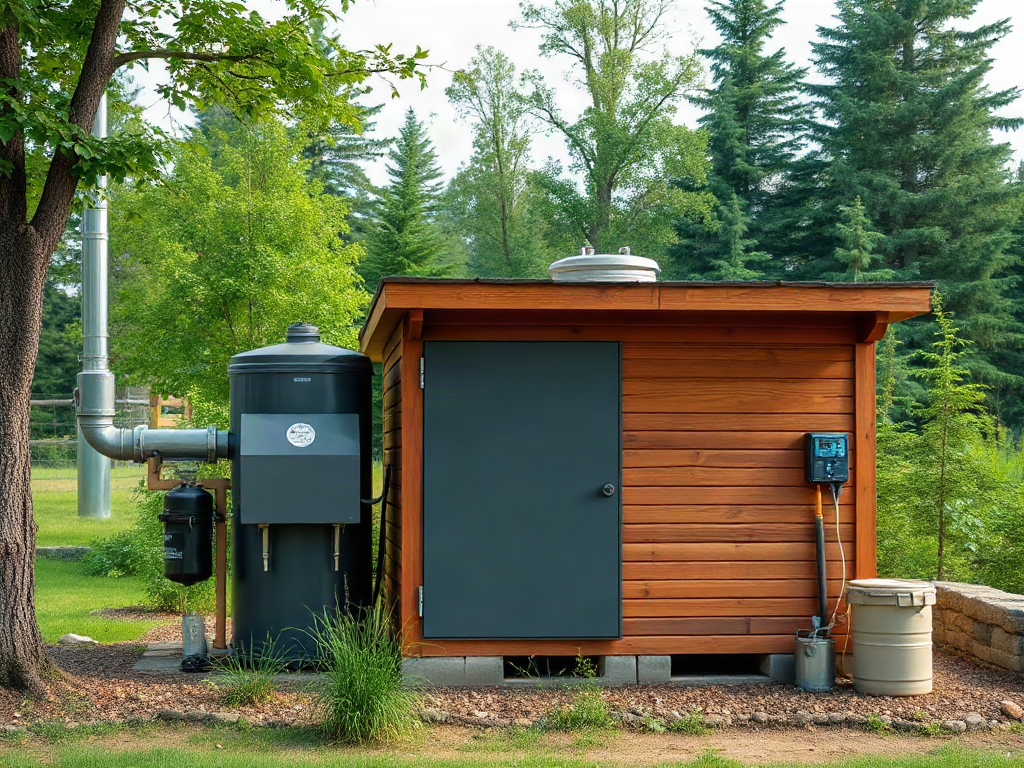
A reliable homestead power backup should match essential electrical loads, deliver enough surge capacity for pumps and motors, and remain operable through the longest likely outage. Calculate running watts and startup demand separately, then compare generator fuel storage, battery usable capacity, solar recharge limits, and seasonal conditions. Use a listed transfer switch or interlock so backup power cannot energize utility lines, and never operate combustion equipment inside occupied or attached spaces. Reliability also depends on routine test runs, protected fuel, replacement parts, and a written load order that prevents a well pump, freezer, and heating equipment from starting simultaneously.
Define the Loads That Must Stay Powered
Backup sizing begins with a load inventory rather than the advertised capacity of a generator or battery. A homestead may depend on a well pump, pressure system, freezer, refrigerator, septic controls, communications equipment, animal-watering hardware, and a furnace blower. Supplying every circuit at once can make the system needlessly expensive, yet overlooking one motor load can cause repeated shutdowns.
Record the running watts of each essential device from its nameplate, manual, or manufacturer documentation. Motors and compressors also have startup demand, commonly called surge or locked-rotor demand. A well pump that runs comfortably after starting may briefly require much more power when its motor engages. An inverter, generator, transfer equipment, and wiring must tolerate that event without excessive voltage drop or overload.
Separate critical loads into operating tiers. The first tier should protect water, food, sanitation, required medical equipment, and any heating controls needed to prevent frozen pipes. A second tier might include lighting, internet equipment, tool charging, or selected kitchen appliances. Electric water heating, resistance space heating, clothes drying, and electric cooking often belong in a deferred tier because they consume capacity rapidly.
For example, running a freezer and refrigerator continuously may be unnecessary because insulated appliances cycle. The well pump can be operated during scheduled water windows while other large loads are off. Load management can therefore make a moderately sized backup source more dependable than an oversized unit that consumes fuel quickly and is difficult to maintain.
Use this compact sizing sequence:
- List essential equipment: Include voltage, running watts, startup demand, and expected daily operating time.
- Identify the largest simultaneous surge: Consider which pump, compressor, or blower could start while other loads are already running.
- Choose a load order: Decide which circuits may operate together and which must remain off.
- Add measured margin: Allow room for motor starting, inverter losses, battery aging, and a modest future load without treating every appliance as continuously active.
A common mistake is adding only the running wattages and assuming the total defines system size. Another is buying for the entire service-panel rating even though only a small group of circuits matters during an outage. Clamp-meter observations by a qualified electrician, appliance energy monitors, and pump documentation can refine uncertain estimates. These measurements turn Choosing a reliable homestead power backup from guesswork into a defensible equipment decision.
Compare Generators, Batteries, and Hybrid Systems
Generators, battery systems, and generator-battery combinations solve different outage problems. A combustion generator stores energy as fuel and can run as long as fuel and maintenance remain available. A battery responds silently and quickly but holds a fixed amount of usable energy unless solar panels, a generator, or the grid recharge it. Reliability comes from matching those characteristics to outage length, noise limits, climate, and operator availability.
A portable generator usually offers a lower initial equipment cost and can serve selected circuits through suitable transfer equipment. Its drawbacks include manual setup, fuel handling, exhaust risk, weather exposure, noise, and more frequent refueling. A permanently installed standby generator may start automatically and can support unattended outages, but it adds installation complexity, periodic service, and dependence on the selected fuel supply. A propane tank offers stable on-site storage, while gasoline requires closer attention to storage life and fuel-system care. Diesel may suit farms that already store and rotate diesel safely, but small lightly loaded engines can still need disciplined maintenance.
A battery inverter is well suited to communications, refrigeration, lights, electronic controls, and brief overnight interruptions. It avoids combustion exhaust and can switch rapidly enough that some loads barely notice an outage. Capacity is limited by usable kilowatt-hours rather than the battery’s headline rating alone. Inverter output must also handle pump and compressor surges. Cold conditions, battery chemistry, reserve settings, conversion losses, and degradation affect available service.
Solar panels can extend battery runtime, but their rated output is not guaranteed energy. Short winter days, snow cover, shade, cloud, panel orientation, and simultaneous household consumption may leave little surplus for charging. A solar-battery package sized around a bright summer day can disappoint during a multi-day winter storm—the same period when access roads or fuel deliveries may be disrupted.
A hybrid arrangement often provides the strongest resilience for a remote property. The battery carries light overnight loads without running an engine, while a generator starts periodically to serve heavy loads and recharge the battery. This allows the generator to operate nearer an efficient working load instead of idling for a few hundred watts. It also creates redundancy: the battery handles generator startup delays, and the generator compensates for poor solar production.
The weakest assumption is that one technology is universally superior. Choose a generator-centered system when long runtime and heavy motor loads dominate. Favor batteries when outages are short, silence matters, and daily energy demand is tightly controlled. Consider a hybrid when access, weather, or livestock care makes a single energy source too fragile.
Estimate Runtime Under Real Homestead Conditions
Runtime must be calculated from daily energy consumption and replenishment, not from maximum power alone. Power, measured in watts or kilowatts, describes how much equipment draws at a moment. Energy, measured in watt-hours or kilowatt-hours, describes how much it consumes over time. A backup may have adequate inverter output to start a pump yet still have too little stored energy to operate the property through the night.
For a battery estimate, multiply each load’s watts by its hours of daily operation, then add the results. A 100-watt load running for ten hours uses about 1 kilowatt-hour before accounting for conversion losses. Motors and refrigeration require better estimates because they cycle. Nameplate wattage multiplied by 24 hours usually exaggerates their energy use, while assuming a very short cycle may understate it. A plug-in meter can measure standard-voltage appliances; hardwired pumps may require electrician-assisted measurement or manufacturer data.
Compare the daily total with usable battery capacity, not nominal capacity. Reserve settings may intentionally leave energy unused to protect the battery or preserve emergency capacity. The inverter itself consumes power, and wiring and conversion introduce losses. If the property uses 6 kilowatt-hours during an outage day, a nominal 6-kilowatt-hour battery should not be assumed to cover it fully.
Generator runtime requires a different calculation. Review the manufacturer’s fuel-consumption information at realistic loading, then multiply by the operating hours expected between refueling opportunities. Light loading does not mean zero consumption; an engine still burns fuel while supplying a small load. Scheduled operation can conserve fuel—for instance, running the generator long enough to pump water, cool freezers, recharge batteries, and complete cooking rather than leaving it on solely for intermittent demand.
Plan against a difficult but plausible outage instead of an average day. A winter scenario might include low solar harvest, a furnace blower, tank heaters that cannot be deferred, and difficult fuel access. A summer scenario may replace heating loads with refrigeration, ventilation, or irrigation pressure. Livestock watering can sharply change the priority order because delayed pumping may affect more than household convenience.
A runtime estimate is failing when battery state of charge falls faster each day, the generator needs unplanned refueling, voltage sags during pump starts, or operators repeatedly shed critical circuits. A successful design maintains a stable reserve, completes planned load windows, and has enough fuel or recharge capacity to repeat the cycle. Revisit the figures whenever a pump, freezer, heating system, or occupancy pattern changes.
Plan Safe Connection, Operation, and Maintenance
Connection hardware is part of the backup system, not an accessory to purchase later. A transfer switch, approved interlock arrangement, or purpose-designed backup panel isolates the property from utility power and directs electricity only to intended circuits. Connecting a portable generator through an improvised cord or an outlet can backfeed utility lines, expose workers and neighbors to dangerous voltage, and damage equipment when grid service returns.
Have a qualified electrician evaluate service configuration, neutral and grounding requirements, generator bonding, conductor size, overcurrent protection, and compatibility with inverter equipment. These details vary with the equipment and installation. An interlock that physically prevents the main breaker and generator breaker from being on together is not interchangeable with every panel, and a transfer switch must carry the relevant load and voltage. Local permits, inspections, and utility requirements may also apply.
Combustion generators belong outdoors, away from occupied structures, doors, windows, and air intakes, following the manufacturer’s placement instructions. A garage, barn room attached to living space, porch enclosure, or partially open doorway does not make exhaust safe. Weather protection must not restrict cooling or trap carbon monoxide. Battery systems avoid engine exhaust but still require manufacturer-compliant clearances, temperature control, protection from impact and moisture, and suitable overcurrent disconnects.
Write an operating sheet that any responsible household member can follow. It should identify which breakers remain off, the order in which loads are added, where fuel shutoffs and electrical disconnects are located, and what abnormal sounds, alarms, smells, or voltage behavior require shutdown. Label circuits at both the transfer equipment and service panel. During a stressful outage, clear labels are more reliable than memory.
Maintenance should reflect actual equipment rather than a generic calendar. Follow the generator manual for oil, filters, spark plugs, coolant where applicable, battery checks, exercise cycles, and storage procedures. Rotate stored fuel through an appropriate system, inspect containers, and keep fuel separated from ignition sources. Test battery backup under load, review event logs, confirm firmware and settings according to manufacturer instructions, and inspect solar panels and exterior wiring after severe weather.
A monthly no-load engine start alone may hide faults. Periodic testing with representative loads reveals weak starting batteries, stale fuel, tripped breakers, poor transfer operation, undersized extension leads, and motor-starting problems. Record run time, loads served, fuel used, battery reserve, and alarms. That log shows whether the assumptions behind Choosing a reliable homestead power backup remain valid as equipment ages.
Frequently Asked Questions
How large should a homestead backup generator be?
Add the running loads that will operate together, then account for the largest likely motor-starting surge. Size from measured or documented loads rather than the service-panel rating, and have connection equipment reviewed by a qualified electrician.
Is a battery or generator more reliable for long outages?
A generator can continue while usable fuel is available; a battery is limited by stored energy and recharge conditions. A hybrid can preserve quiet battery operation while using a generator for heavy loads and charging.
Can solar panels recharge a backup battery during an outage?
They can if the system supports outage charging and sufficient sunlight reaches the array. Winter daylight, clouds, snow, shade, household consumption, and inverter limits can reduce or interrupt charging.
Can a portable generator be connected through a household outlet?
No. Improvised outlet connections can backfeed utility lines and create electrocution and equipment hazards. Use compatible, code-compliant transfer equipment installed or evaluated by a qualified electrician.
How often should backup power equipment be tested?
Follow the manufacturer's schedule and periodically test with representative loads, not only at idle. Confirm transfer operation, motor starting, battery reserve, fuel condition, alarms, and safe shutdown procedures.
Further Reading
Authoritative Sources
- Generator Safety Fact Sheet
cdc.govCDC guidance explains carbon-monoxide hazards and safer placement of portable generators during power outages
- Power Outages
ready.govReady.gov provides practical federal guidance for preparing for and operating safely during extended electrical outages
- Home Battery Storage
energy.govThe U.S. Department of Energy outlines how residential battery storage works with household loads and renewable generation
- Carbon Monoxide Hazards
osha.govOSHA describes carbon-monoxide exposure risks associated with fuel-burning engines and inadequately ventilated locations
Conclusion
A dependable backup is built around known loads and repeatable operation. Document pump and compressor surges, separate critical circuits from deferrable appliances, and calculate daily energy use under the season most likely to strain the system. Then choose generation, battery storage, or a hybrid according to fuel access, recharge conditions, outage duration, noise, and the property’s need for unattended operation.
Before buying equipment, confirm the transfer method and installation requirements with a qualified electrician. After installation, run a realistic outage exercise: isolate utility power as instructed, start loads in order, record fuel use or battery decline, and verify that water, refrigeration, sanitation, and heating controls remain available. Correct weak runtime assumptions, unclear labels, and maintenance gaps before the next outage makes them urgent.