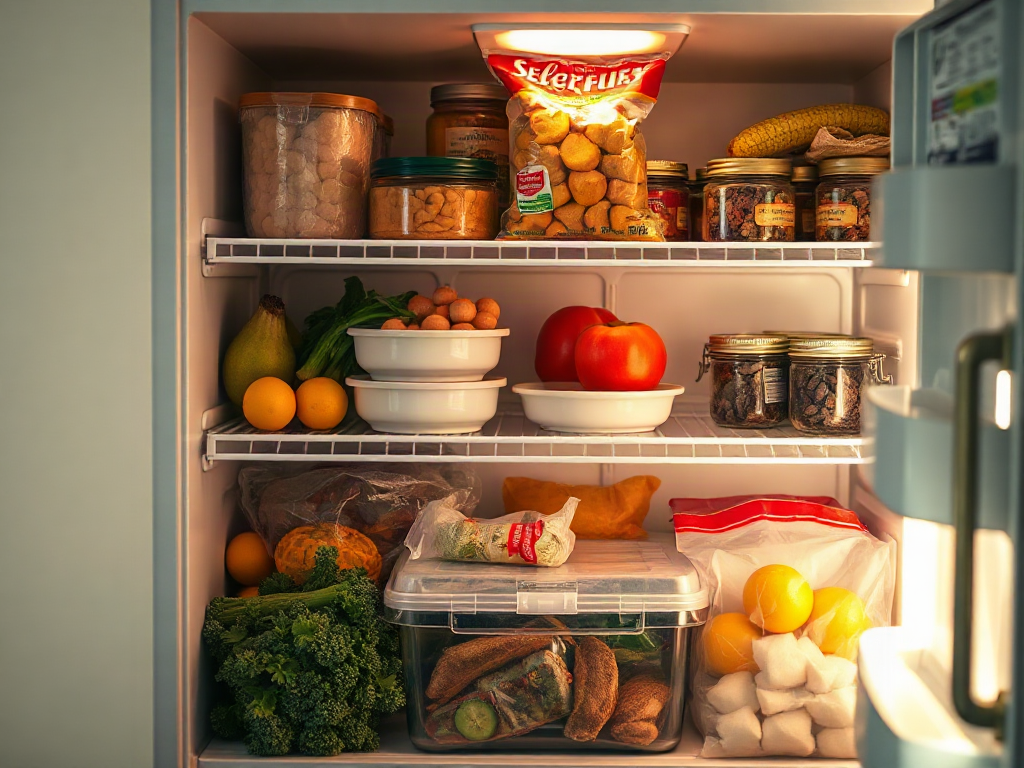
Keeping food safe during a homestead power failure depends on limiting warm exposure, preserving refrigerator and freezer temperatures, and separating questionable food before anyone eats it. Keep doors closed, move high-risk foods into a cooler with ice or frozen containers, and use a thermometer rather than smell to judge temperature. A full freezer generally stays cold longer than a partly filled one, while canned, dried, and shelf-stable foods reduce pressure during a prolonged outage. Discard perishable food that has been above safe refrigeration temperature for too long, shows contamination, or cannot be evaluated confidently; cooking may not remove every hazard created by bacterial growth.
First Decisions During the Outage
The first hours of a power failure determine how much food remains usable. A refrigerator does not become unsafe the moment electricity stops, but every door opening releases cold air and adds warm air that the appliance must later remove. On a homestead, the situation may be complicated by outdoor heat, long distances to a store, livestock demands, and limited ice or generator fuel.
Write down the outage start time and check the refrigerator and freezer thermometers without lingering with the doors open. If you do not have appliance thermometers, place a separate food thermometer in the refrigerator and use a frozen container or ice condition as a rough freezer clue. Temperature records are more useful than assumptions based on whether food still feels cool. Keeping food safe during a homestead power failure becomes much easier when the household has an actual timeline.
Keep both doors shut unless there is a specific reason to retrieve food. Decide in advance which items are most vulnerable: raw meat, poultry, seafood, milk, soft cheeses, cooked leftovers, cut produce, eggs, and prepared dishes. A sealed jar of pickles or unopened shelf-stable milk does not deserve the same priority as a tray of raw chicken. Pulling out low-risk items first wastes cold air and makes later decisions harder.
A generator can protect food, but it introduces a separate hazard. Operate it outdoors, away from doors and windows, and follow the manufacturer’s electrical instructions. Never improvise indoor fuel-burning heat or use a vehicle in an enclosed area as a power source. If fuel is scarce, reserve it for short cooling cycles or essential equipment rather than running the refrigerator continuously without a temperature-based plan.
Prioritize before moving anything
- Record the outage time and current temperatures.
- Keep refrigerator and freezer doors closed.
- Prepare clean coolers, ice, frozen water bottles, and a thermometer.
- Protect high-risk foods first if temperatures begin rising.
- Separate food for people from feed, compost, or waste containers.
The common mistake is treating every food as equally urgent. Prioritization preserves the most expensive or nutritionally important foods while avoiding unnecessary handling. It also prevents a rushed decision, such as opening the freezer repeatedly to search for one package, from shortening the cold life of the entire appliance.
Managing Refrigerators, Freezers, and Coolers
Refrigerated food needs stable cold conditions, while frozen food benefits from mass, insulation, and minimal air movement. A full freezer usually holds its temperature longer than a nearly empty one because the frozen contents act as a cold reservoir. That does not make it immune to thawing: a hot room, damaged door seal, frequent opening, or prolonged outage can still raise the contents into an unsafe range.
Move food into a cooler when the refrigerator is warming or when you can no longer trust its temperature. Use ice, frozen water bottles, or sealed commercial cold packs, and keep raw meat in leakproof containers on the lowest level. A cooler packed with loose ice may drain as it melts, so place foods in sealed bags or containers and empty meltwater as needed. A second cooler for drinks is worthwhile because beverage access otherwise exposes perishable food to repeated warm air.
Do not use winter weather as an automatic substitute for refrigeration. Outdoor temperatures fluctuate, sunlight can heat containers quickly, and animals can reach exposed food. Snow may be contaminated, and a shaded porch can still be warmer than a safe refrigerator temperature. If outdoor storage is unavoidable, use a clean, closed container in a protected location and monitor the food’s actual temperature rather than relying on the forecast.
When a generator is available, a refrigerator and freezer may be managed with intermittent operation, but the exact schedule depends on the appliances, ambient temperature, insulation, and how full they are. Check temperatures during the cycle and avoid overloading extension cords. A small inverter generator may not safely support every appliance at once. The goal is not simply to restore electricity; it is to keep food cold while operating equipment safely.
A useful comparison is between a cooler and a freezer. The cooler is easier to organize and inspect, but it has limited capacity and loses cold quickly when opened. The freezer offers better thermal stability, yet food may be difficult to evaluate after partial thawing. Label packages with the time they entered a cooler and group foods by cooking or discard priority. This reduces searching and helps another household member make the same decision.
Weak assumptions cause many losses. “It still smells fine” does not establish safety, and refreezing is not automatically acceptable simply because ice crystals remain. Food that still contains ice crystals may be refrozen or cooked promptly if it has remained cold, but texture may suffer. Food that has fully thawed and warmed should be judged by temperature history, not by appearance alone.
Sorting Food After Power Returns
Restored electricity does not erase the outage history. Sort food by verified temperature, time, packaging condition, and contamination risk. Keep questionable items away from food that will be eaten, and wash hands, coolers, shelves, and utensils that contacted leaking raw juices. A refrigerator that has resumed cooling may still contain unsafe food, so do not taste items to test them.
Start with the refrigerator because its contents generally warm faster than frozen food. Unopened condiments, whole fruits, many vegetables, hard cheeses, and commercially shelf-stable products may have different handling needs from cooked meat or dairy. Follow the product label when it provides storage instructions, but recognize that labels cannot reconstruct an unknown temperature history. When the history is unclear for a high-risk item, discarding it is the safer choice.
Freezer decisions require attention to physical condition. Food that remains hard frozen can usually return to the freezer. Food that has partially thawed may be refrozen if it has stayed cold, although quality may decline. Packages with torn seals, heavy leakage, unusual bulging, or contact with dirty meltwater deserve extra caution. Do not confuse freezer burn with bacterial spoilage: freezer burn mainly damages texture and flavor, while temperature abuse creates a different safety concern.
Separate safe-looking food from food that needs disposal, and use a marker to record the decision on packages. For the next meal, choose foods with the clearest history and cook them according to ordinary safe preparation practices. Cooking is not a universal rescue step; some hazards can remain after food has been warm long enough for harmful byproducts to develop.
Odor, color, and texture can reveal obvious spoilage but cannot reliably confirm safety. This matters particularly with cooked rice, meat, poultry, seafood, eggs, cream-based dishes, and leftovers. A homestead may make waste feel especially painful because food represents labor, feed, and seasonal planning. That economic pressure is real, but it should not turn uncertain food into a gamble for children, older adults, pregnant people, or anyone with increased vulnerability to foodborne illness.
Clean-up is part of the recovery. Discard leaking packages in a sealed manner, sanitize hard surfaces according to product directions, and inspect cooler drains and refrigerator shelves. If a power surge damaged an appliance, confirm that it is cooling normally before restocking it. The failure mode to avoid is refilling a warm refrigerator immediately after power returns; crowding can slow cooling and hide a continuing equipment problem.
Building a More Resilient Food System
Long-term food safety during outages depends less on one emergency trick than on reducing dependence on a single cooling appliance. A practical pantry can include canned foods, dry grains, beans, nut butters, shelf-stable milk, commercially packaged ready-to-eat foods, and drinking water. Choose items the household already eats, rotate them through normal meals, and store them where heat, moisture, pests, and flooding are controlled.
Home-canned foods require particular discipline. Use only tested recipes and established preservation methods, inspect jars before opening, and never assume a sealed lid proves safe processing. Bulging, leaking, spurting, cracked, or foul-smelling containers should not be tasted. Pressure canning and water-bath canning are not interchangeable, and the correct method depends on the food’s acidity and recipe. Keeping food safe during a homestead power failure includes protecting preserved food from preventable processing mistakes before an outage occurs.
Freeze a few containers of water ahead of time to create cold mass for coolers and to provide an additional indication of freezer performance. Keep an appliance thermometer in both the refrigerator and freezer, maintain several insulated coolers, and store fuel only as safely permitted. A written inventory showing which foods are in the refrigerator, freezer, root cellar, and pantry prevents unnecessary door opening and speeds meal decisions.
Food preservation methods involve tradeoffs. Canning can provide room-temperature storage but requires equipment, tested procedures, and careful jar inspection. Dehydrating reduces weight and refrigeration needs but depends on adequate drying and moisture-proof storage. Fermentation creates a useful food category but is not a replacement for every preservation method; salt, acidity, time, and temperature all matter. Root-cellar storage may work for selected crops, yet it cannot safely substitute for refrigeration of meat or dairy.
Run a short outage drill during a mild season. Check whether everyone knows where the thermometers, coolers, ice, can opener, labels, and safe water are stored. Test the generator outdoors and verify that its capacity matches the intended appliances. A drill often exposes mundane failures, such as frozen bottles stored behind inaccessible boxes or no plan for disposing of spoiled food.
The most useful preparation is a layered system: cold storage for foods that need it, preservation for foods that tolerate it, and shelf-stable meals for the period when both power and transport are uncertain. Avoid stocking only ingredients that require cooking if fuel may also be limited. A few ready-to-eat options can reduce the temptation to keep questionable leftovers or repeatedly open a warming appliance.
Frequently Asked Questions
How long can food stay in a refrigerator during a power failure?
A closed refrigerator may remain cold for a limited period, but the actual time depends on room temperature, insulation, fullness, and door openings. Use a thermometer and move high-risk foods to an iced cooler if the temperature rises.
Should food with ice crystals be refrozen?
Food that still has ice crystals and has remained cold may be refrozen, although texture can deteriorate. Fully thawed food requires a temperature and time assessment rather than an automatic decision.
Can cooking make food safe after it warmed up?
Cooking may destroy some live bacteria, but it should not be treated as a universal fix for food held warm too long because some hazards may persist.
Is snow safe to use around emergency food?
Snow can be contaminated and may not provide stable cooling. Use sealed ice or frozen water containers when possible, and keep food protected from animals, dirt, and meltwater.
What foods are best for a no-power pantry?
Choose foods your household will actually eat, such as canned goods, dried beans, grains, nut butter, shelf-stable milk, ready-to-eat meals, and drinking water. Rotate supplies and include items requiring little fuel.
Further Reading
Authoritative Sources
- Keeping Food Safe During an Emergency
fsis.usda.govFederal guidance on protecting refrigerated and frozen food during power interruptions and evaluating food afterward
- Food Safety at Home
fda.govPractical information on contamination prevention, storage, cleaning, and safe handling
- National Center for Home Food Preservation
nchfp.uga.eduTested home-canning and preservation information for readers building a shelf-stable food reserve
Conclusion
Food safety during a homestead outage is a temperature-management problem followed by a disciplined sorting decision. Record when the power stopped, keep appliance doors closed, protect high-risk foods with ice or a safe generator setup, and use thermometers instead of smell or optimism. Treat refrigerators, freezers, coolers, home-canned goods, and pantry foods as different systems with different failure points. Before the next outage, freeze water containers, organize a clearly labeled cooler area, stock foods that need little fuel, and keep tested preservation instructions available. When the temperature history of meat, dairy, leftovers, or eggs is uncertain, the cost of disposal is usually easier to manage than the consequences of serving unsafe food.