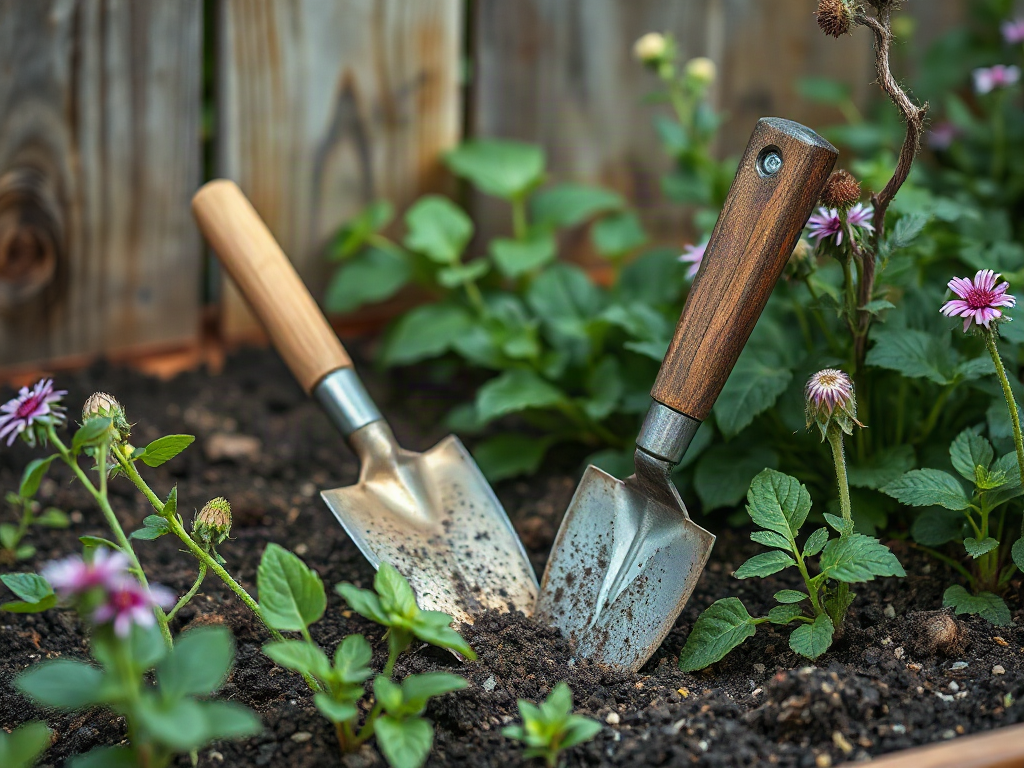
Choosing hand tools for a small homestead garden means matching each tool to your soil, crop spacing, and expected workload rather than buying a large kit. A sturdy trowel handles transplanting, a narrow hoe manages weeds between rows, a digging fork loosens compacted beds, bypass pruners cut live stems cleanly, and a broad hand cultivator breaks shallow crusts. Tool weight, grip size, blade shape, and corrosion resistance matter because awkward equipment causes fatigue and encourages poor technique. Prioritize durable tools you will use weekly, keep cutting edges sharp, and avoid using a light planting tool for hard ground or woody growth.
Match Tools to Soil, Beds, and Crops
Tool selection becomes easier when the garden’s physical demands are described before shopping. Loose raised-bed soil calls for different equipment from a compacted clay path or a bed filled with established roots. Crop spacing matters just as much: closely planted onions need a slim weeder, while a broad squash planting can tolerate a wider hoe. The useful question is not which tool looks most versatile, but which shape transfers force to the soil without damaging nearby plants.
A hand trowel is suited to transplant holes, container work, and shallow planting. Its blade should enter the soil without flexing, and a marked blade can help maintain consistent planting depth. A digging fork is more appropriate for loosening a small patch, lifting perennial roots, or working around stones. A cultivator with three or more tines can rake crusted soil, but it is not a substitute for a fork when the ground is genuinely compacted.
Consider a narrow vegetable bed planted with lettuce, carrots, and beans. A broad hoe may remove weeds quickly between bean rows but can sever shallow lettuce roots if used carelessly. A pointed hand weeder or narrow stirrup-style tool offers better control near the plants. Conversely, using a tiny hand fork across a large bed wastes time and increases wrist strain. The tradeoff is speed versus precision, so buy for the tightest spaces and hardest routine task rather than the easiest one.
Before choosing, inspect the garden after watering and after a dry spell. Note whether the soil forms hard clods, whether mulch limits access, and whether roots or stones obstruct digging. Those observations identify the needed blade strength and working width. The internal reference Choosing hand tools for a small homestead garden is most useful when treated as a task-matching decision rather than a shopping list.
Build a Small Tool Set That Covers Real Jobs
A compact homestead garden generally benefits from a core set of hand tools rather than duplicate gadgets. The priority is coverage: planting, loosening, weeding, pruning, harvesting, and handling mulch should all be possible without forcing one tool into an unsuitable role. A practical starting set often includes a trowel, digging fork, hoe or hand weeder, bypass pruners, garden knife, and gloves suited to the work.
The trowel and fork serve different purposes. The trowel removes and replaces small amounts of soil; the fork separates or lifts soil with less smearing when conditions are damp. For weeds, a narrow hoe is effective in open rows, while a hand weeder gives better accuracy around seedlings. Bypass pruners are designed for live stems because their passing blades make a cleaner cut than anvil-style pruners, which are more appropriate for certain dry or dead materials. A garden knife can open bags, cut twine, harvest greens, and slice through small roots, but it should not be treated as a digging bar.
Harvesting changes the ideal kit. Salad greens may require a sharp knife and a clean basket, while root vegetables make a slim digging fork more valuable than a second trowel. A homesteader growing berries or young fruit trees may use pruners every week, making blade quality and replacement parts more important than decorative handle materials. Someone growing mostly annual vegetables may reasonably spend more on soil tools and less on pruning equipment.
Use this priority order when money or storage is limited:
- Buy the tool that prevents the most repetitive strain or crop damage.
- Choose one strong tool for each recurring job before adding specialty tools.
- Add a second tool only when different beds, crops, or soil conditions justify it.
A common failure is purchasing a large assortment because the individual pieces seem inexpensive. Unused tools consume storage, while a weakly built favorite tool becomes a daily frustration. Test the basic set over one growing season, then add equipment in response to a repeated bottleneck. For another practical comparison, see Choosing hand tools for a small homestead garden alongside your own task notes.
Judge Comfort, Construction, and Maintenance
Durability is more than a thick metal blade. A reliable hand tool has a secure connection between head and handle, an edge suited to its job, and a grip that allows controlled force. Look for straight alignment, clean welds or a solid socket, and handles without cracks or sharp finishing defects. Stainless steel may resist rust, while coated or carbon-steel blades can perform well when dried and maintained. The best choice depends on whether the tool will live in a dry shed, a damp potting area, or a vehicle used for field work.
Handle fit deserves a hands-on test. A grip that is too large makes repeated squeezing tiring; one that is too small can concentrate pressure in the palm. Long-handled tools provide reach and reduce bending, but they are less precise in crowded beds. Short tools improve control around seedlings and containers but require more kneeling or stooping. Neither design is universally better. A gardener managing narrow beds may prefer short tools, whereas someone with limited bending tolerance may need longer handles or raised work surfaces.
Weight also changes technique. A heavy fork may penetrate hard soil more readily, but carrying it and lifting clods repeatedly can make a small job exhausting. A light cultivator is comfortable for surface work but may bend when forced into compacted ground. Match tool mass to the resistance of the task, and let the tool’s shape do the work instead of driving it with excessive wrist pressure.
Maintenance protects both performance and cost. Remove soil before storage, dry metal surfaces, and wipe cutting tools after contact with plant sap. Pruner blades should meet cleanly; a crushed or torn stem indicates misalignment, dullness, or an unsuitable tool. Sharpen only according to the blade design, and oil moving joints lightly where appropriate. Storing tools with wet soil on them is a common mistake because corrosion and hardened residue make the next use slower and rougher.
Avoid Common Buying and Use Mistakes
The most costly mistake is asking a hand tool to perform work beyond its design. A trowel can open a planting hole but may bend if used to pry stones. A hoe can cut young weeds at the surface, yet repeated deep chopping disturbs soil and risks crop roots. Pruners can remove small branches, but forcing them through oversized wood damages the blade and creates rough cuts. Using a tool within its intended range usually saves more money than buying the cheapest version and replacing it.
Another weak assumption is that sharpness alone solves difficult soil. Dry clay, buried roots, and compacted paths may require moisture at the right time, a digging fork, or a larger tool. Working soil while it is saturated can smear pore spaces and create hard lumps as it dries, while attacking bone-dry clay can be inefficient and physically demanding. Check soil condition before blaming the tool. If a handful forms a slick ribbon or clings heavily, postpone digging and reassess moisture.
Storage location affects whether equipment gets used. Tools left across a bed become trip hazards and may spread soil between areas; tools kept far from the garden encourage improvised substitutes. A wall rack, sheltered bin, or simple carry bucket can keep the daily set nearby. Clean pruning tools between visibly diseased plants, and avoid placing sharp blades loose in a bucket where they can damage hands or edges.
Test a prospective tool with the motion it will perform. Scrape a shallow line, make a planting hole, or close the pruner around a suitable stem. Notice whether the handle twists, the blade flexes, or your wrist bends sharply. Signs that a choice is failing include repeated slips, crushed stems, increasing hand soreness, and needing excessive force for ordinary work. Replace or reassign the tool before those problems become habits.
A small garden does not require professional-scale equipment, but it does reward deliberate selection. Compare the first season’s repeated tasks with the tools that slowed you down. That record is more useful than broad claims about a supposedly universal set, and it can guide the next purchase through Choosing hand tools for a small homestead garden in a way that reflects your actual beds.
Create a Seasonal Tool Routine
Tool needs shift as the garden moves from bed preparation to planting, weeding, harvest, and cleanup. Early spring often favors a fork, rake, and trowel; active growth increases the value of a narrow weeder and pruners; harvest brings knives, baskets, and digging tools into frequent use. Planning around these phases prevents buying several tools for a short-lived task while neglecting equipment used throughout the season.
At the start of each work session, check handles, fasteners, cutting edges, and visible rust. Choose a tool based on the soil and crop spacing in front of you, not on what is already in your hand. For example, loosen a compact planting strip with a fork, then switch to a trowel for individual transplants. That sequence reduces the temptation to pry with the trowel and produces more even holes.
At season’s end, wash and dry tools, remove plant residue, sharpen suitable edges, and store them under cover. Record damaged handles or loose heads while the problem is fresh. A modest maintenance routine extends useful life and makes the next planting window less dependent on last-minute purchases. The goal is a small, dependable set that remains comfortable and fit for purpose as the garden changes.
Frequently Asked Questions
What is the first hand tool to buy for a small garden?
A sturdy trowel is the usual first purchase for transplanting and small planting jobs, unless the soil is compacted, in which case a digging fork may deserve priority.
Is stainless steel the best material for garden hand tools?
Stainless steel resists rust, but well-made carbon or coated steel can also perform reliably with drying and maintenance. Construction and handle security matter as much as metal type.
Should I choose a hoe or a hand weeder?
Choose a hoe for open spaces between rows and a hand weeder for close work around seedlings. Narrow beds often benefit from having both because speed and precision are different jobs.
How can I tell whether pruners fit my garden?
Bypass pruners suit many live stems and should close smoothly without crushing. Check the manufacturer’s recommended cutting range and avoid forcing them through branches that require a saw or lopper.
How should garden hand tools be stored?
Brush off soil, wash when needed, dry metal completely, and store tools under cover with blades protected. Keep frequently used tools near the garden but not loose where they create a hazard.
Further Reading
Authoritative Sources
- University of Minnesota Extension: Vegetable Gardening
extension.umn.eduUseful growing guidance that helps connect tool choices with bed preparation, planting, cultivation, and harvest tasks
- Oregon State University Extension: Choosing Garden Tools
extension.oregonstate.eduPractical information on selecting, using, and maintaining garden tools for different jobs
Conclusion
Choose hand tools by the work your small homestead garden repeatedly demands: soil resistance, crop spacing, planting depth, pruning needs, and harvest methods. A compact set built around a trowel, fork, weeder or hoe, pruners, and a useful knife will usually outperform a crowded collection of poorly matched tools. Check balance, grip, blade alignment, and the head-to-handle connection before buying. During use, switch tools when the task changes rather than forcing one implement to dig, pry, cut, and cultivate. Clean and dry equipment after work, sharpen appropriate edges, and let recurring bottlenecks guide future purchases. That approach keeps spending focused, reduces strain, and leaves you with equipment suited to the actual conditions of your beds.