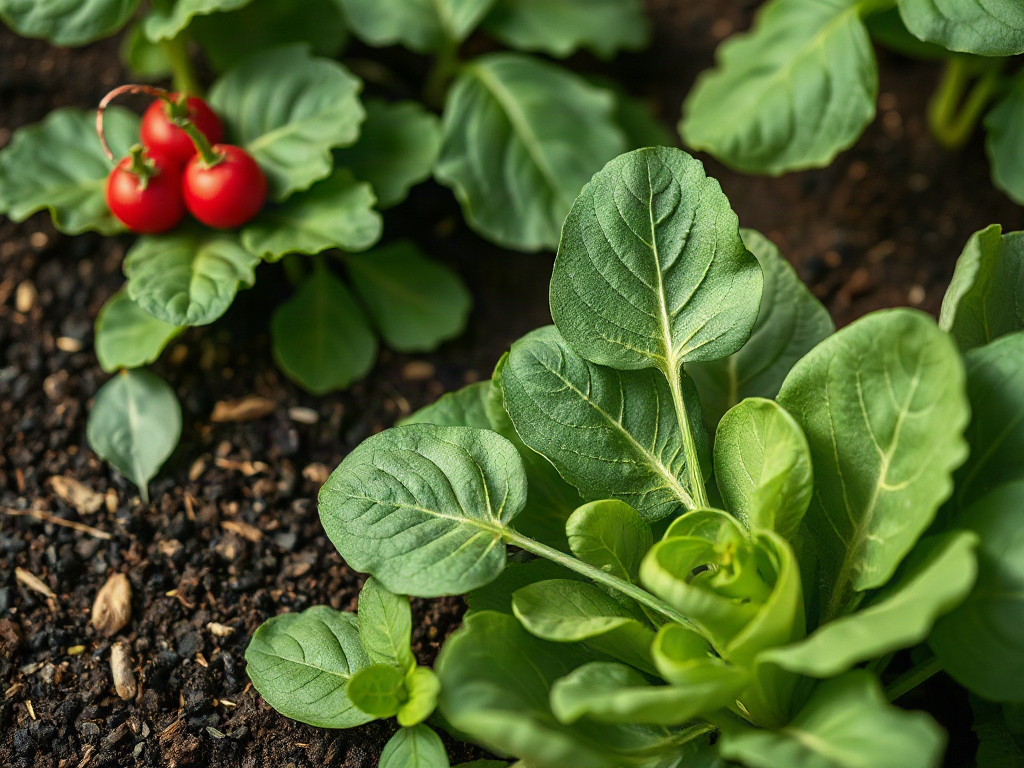
Easy-to-grow seeds for beginners with limited time include radishes, bush beans, loose-leaf lettuce, zucchini, peas, and reliable herbs such as basil and dill. These crops germinate readily when planted in the correct season, tolerate simple sowing methods, and produce without pruning or elaborate support. Match cool-season seeds to mild weather, give warm-season crops sun and warm soil, and use mulch or self-watering containers to reduce irrigation work. Sow small quantities at intervals, because overcrowding, poorly timed planting, and more produce than one household can harvest create more work than the seeds themselves.
Seeds That Give Quick, Dependable Results
The easiest seeds are not merely those that germinate quickly; they also grow well when sown directly, tolerate minor lapses in attention, and provide a useful harvest without specialized training. Radishes, bush beans, loose-leaf lettuce, peas, zucchini, basil, and dill meet several of those requirements. Their suitability still depends on temperature, light, and how much produce the gardener can realistically use.
Radishes are useful for a first cool-weather planting because their seedlings emerge quickly and the roots mature without transplanting. Sow them shallowly in loose soil and thin crowded seedlings early. Radishes left packed together may produce abundant leaves but undersized roots. Hot weather can make roots pungent or cause plants to flower, so they are easier during spring or autumn than during midsummer.
Loose-leaf lettuce is another practical cool-season choice. Unlike head lettuce, it does not need to form a dense, perfect head before harvest. Individual outer leaves can be cut as needed while the center continues growing. Lettuce has shallow roots, however, so a thin mulch layer and a container with adequate soil volume are more useful than a tiny pot that dries within hours.
Bush beans offer a better fit than pole beans when support construction and vine training would consume scarce time. Once the soil is warm, the large seeds are simple to handle and can be placed directly where the plants will grow. Bush varieties produce in a compact flush, which simplifies space management but can create a short period of frequent picking. Anyone wanting smaller harvests over a longer window can sow a short row, wait about two weeks, and sow another.
Zucchini is vigorous and productive, but “easy” does not mean compact. A single mature plant can occupy substantial bed space and may produce more fruit than expected. One or two plants are often more sensible than a full seed packet. Harvest fruits while they are manageable; overlooked zucchini become large quickly and divert the plant’s resources from new production.
Peas suit cool conditions and need only simple netting or twiggy support when a short or dwarf variety is selected. Basil and dill work well for gardeners who value small, repeated kitchen harvests. Basil prefers warmth, while dill can be sown directly and dislikes unnecessary root disturbance. The best shortlist of Easy-to-grow seeds for beginners with limited time therefore begins with crops suited to the planting month, not a universal packet assortment.
Match Each Crop to the Available Space and Season
Correct timing removes more work than almost any gadget. A seed planted outside its preferred temperature range may emerge slowly, attract pests before it establishes, or require repeated watering just to survive. Cool-season crops such as peas, radishes, lettuce, spinach, and dill generally perform better in mild conditions. Bush beans, zucchini, cucumbers, and basil need warmer soil and are vulnerable to cold.
Seed packets provide locally useful sowing windows, spacing, planting depth, and days-to-maturity estimates. Treat those details as operating instructions rather than decorative information. A gardener with a short growing season should compare the maturity period with the likely frost-free window. In a hot climate, the same decision may revolve around finishing lettuce or radishes before sustained heat arrives.
Available sunlight narrows the options further. Fruiting crops such as beans and zucchini generally need a sunny location to flower and produce well. Leaf lettuce can tolerate less direct sun, particularly where afternoon shade protects it from heat. “Shade tolerant” does not mean suitable for a dark indoor corner; weak, elongated seedlings are a sign that light is inadequate.
Space should be judged at mature size rather than seed size. Radishes and leaf lettuce fit window boxes, railing planters, and small raised beds. Bush beans need more root room but remain manageable in a deep container. Zucchini is usually better in a large container used by one plant or in an open bed where its leaves will not smother neighboring crops. Peas use vertical space efficiently if their support is installed at sowing rather than after stems begin sprawling.
Container gardening can reduce weeding and place crops close to the kitchen, but containers dry faster than garden soil. A larger pot with drainage holes usually demands less attention than several tiny pots. A reservoir-style planter can extend the interval between watering, although its fill tube and drainage outlet still need occasional checking. Garden beds retain moisture longer when amended with compost and covered with a light organic mulch, but they may require an initial round of weed removal.
Choose according to the limiting factor. For a sunny balcony, try bush beans, basil, or a compact zucchini in appropriately sized pots. For a partly shaded doorstep, loose-leaf lettuce may be more forgiving. For a garden visited mainly on weekends, direct-sown beans with mulch are generally safer than small seedling trays that can dry out in one warm afternoon. That kind of site matching makes Easy-to-grow seeds for beginners with limited time genuinely low maintenance rather than merely easy to germinate.
A Low-Maintenance Sowing and Care Routine
A restrained planting routine saves time by preventing avoidable thinning, transplanting, watering, and surplus harvesting. Begin with two or three crops rather than opening every packet. Prepare a weed-free area, loosen the surface, and dampen dry soil before sowing. Pre-moistened soil is less likely to float tiny seeds out of position during the first watering.
Planting depth has a direct effect on emergence. Large bean and pea seeds can be buried more deeply than lettuce or basil. Tiny seeds need only a light covering as directed on the packet; excessive depth may exhaust their stored energy before shoots reach the surface. Firming the soil gently improves seed-to-soil contact, but compacting it heavily can reduce air movement and make emergence harder.
Use this compact setup sequence:
- Select one cool-season or warm-season group. Do not mix crops that need conflicting temperatures merely because they appear in the same seed display.
- Sow a short row or one properly sized container. Label it with the crop, variety, and date so delayed germination is not mistaken for failure.
- Water the seed zone gently. Keep it evenly damp during germination without leaving it saturated.
- Thin to the packet spacing. Remove extras while they are small, before roots and leaves compete heavily.
- Cover exposed soil. Once seedlings are established, add a modest mulch layer without burying their stems.
Watering should respond to the soil rather than a rigid daily alarm. Press a finger into the upper layer or lift a small container to judge its weight. Water thoroughly when the root zone is beginning to dry, then allow excess water to drain. Frequent surface sprinkling encourages shallow rooting and may leave lower soil dry. Constantly waterlogged soil, by contrast, limits oxygen around roots and can cause decline even when leaves initially look lush.
Signs of success include sturdy upright growth, new leaves of normal color, and soil that remains moist for a reasonable interval after watering. Repeated wilting by midday, pale stretched stems, a green film on perpetually wet soil, or seeds washing into clusters indicate that the system needs adjustment. Move containers to better light, improve drainage, reduce watering frequency, or add mulch according to the actual symptom.
Succession sowing keeps the workload and harvest modest. Instead of planting an entire row of radishes or lettuce on one date, sow a small amount and repeat later if the first planting performs well. The same approach works with bush beans where the warm season is long enough. It avoids the common situation in which a beginner spends little time growing the crop but considerable time dealing with an oversized harvest.
Mistakes That Turn Simple Crops Into Extra Work
Overplanting is the most common way to make a beginner garden demanding. Seed packets often contain far more seed than a small household needs in one season. Sowing every seed creates dense seedlings that must be thinned, watered, and monitored, followed by produce that ripens faster than it can be eaten. Begin with the number of plants the space and kitchen can support; store the remaining seed as directed on its packet.
Starting everything indoors creates another unnecessary task. Tomatoes, peppers, and some long-season crops may benefit from an indoor head start, but beans, peas, radishes, dill, and zucchini can usually be direct-sown under suitable outdoor conditions. Indoor trays demand consistent moisture, strong light, gradual outdoor acclimation, and transplanting. For someone with limited time, direct sowing removes several failure points.
Convenience products cannot compensate for the wrong location. Rich potting mix will not make zucchini productive in deep shade, and an automated timer will not rescue a container with blocked drainage. Check sunlight, drainage, mature plant size, and seasonal temperature before buying amendments or irrigation accessories. A simple crop in a compatible site is usually easier than an elaborate setup built around a poor crop choice.
Skipping thinning feels economical but increases competition for light, water, and nutrients. Crowded lettuce remains small and poorly ventilated; tightly packed radishes may not form usable roots. Thin when seedlings are young, following the final spacing on the packet. Edible lettuce thinnings can be used as baby greens if they are clean and correctly identified, which makes the task feel less wasteful.
Neglecting harvest also increases work and reduces quality. Beans become fibrous, zucchini enlarge rapidly, basil begins flowering, and peas grow starchy when left too long. Place frequently harvested crops near a route already used, such as beside the back door rather than at the far edge of the property. A brief scan while carrying out another routine is more dependable than planning a separate gardening session.
Finally, avoid treating pest damage as a signal to apply a product immediately. Inspect both sides of leaves and identify whether the problem is chewing, sap-sucking insects, drought stress, or physical damage. Hand removal, a row cover installed before pests arrive, or changing the sowing date may be enough for a small planting. Broad, unidentified treatment can affect non-target insects without correcting poor watering or unsuitable weather. A measured approach keeps Easy-to-grow seeds for beginners with limited time simple and prevents minor damage from becoming a new maintenance routine.
Frequently Asked Questions
What seed is easiest for a first-time gardener?
Radishes are a strong first choice in mild weather because they are direct-sown, emerge quickly, and need little space. Bush beans are similarly approachable once the soil is warm.
Which seeds need the least frequent attention?
Bush beans, peas, dill, and radishes can need relatively little intervention in a prepared bed with suitable weather and mulch. Containers require more frequent moisture checks than most garden beds.
Can easy seeds be grown without a garden bed?
Yes. Loose-leaf lettuce, radishes, basil, and compact bush beans grow in containers with drainage and adequate depth. Use larger pots because they retain moisture longer than small ones.
Should beginners start seeds indoors or outdoors?
Direct sowing is usually simpler for beans, peas, radishes, dill, and zucchini. Indoor sowing adds lighting, watering, hardening-off, and transplanting tasks that these crops often do not need.
How many seed varieties should a busy beginner plant?
Two or three varieties are enough for a manageable first planting. Choose crops suited to the same season, sow modest quantities, and add another variety only after the watering and harvesting routine feels sustainable.
Conclusion
A low-effort garden depends on crop restraint and site matching more than on buying a packet labeled easy. Select two or three direct-sown crops that fit the current temperatures, available sun, container or bed size, and the amount your household will harvest. Radishes and loose-leaf lettuce suit mild periods; bush beans, basil, and zucchini belong in warm conditions, with zucchini limited to the space available.
Sow modest quantities, follow packet depth and spacing, and keep the seed zone damp until seedlings establish. Then shift attention to deeper, less frequent watering, timely thinning, and regular picking. If plants repeatedly wilt, stretch toward light, remain waterlogged, or fail to size up, correct the environment rather than adding more seed. A small successful planting provides better information—and less work—than a crowded collection of mismatched crops.