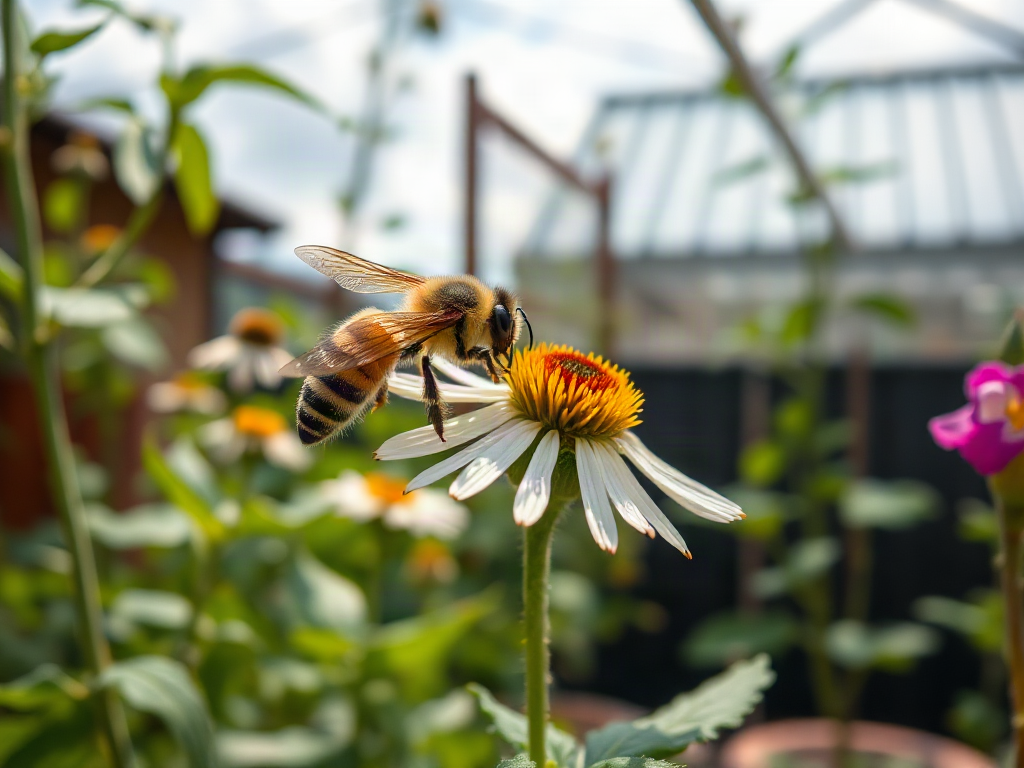
Pollination planning for isolated food gardens means matching compatible crops with flowering dates, reliable pollen movement, and backup hand-pollination methods when insect visits are limited. Group plants that need cross-pollination, such as cucumbers, squash, melons, and many fruit trees, while separating varieties that may cross if seed purity matters. Track first flowers, protect blooms from wind and pesticide exposure, and hand-pollinate early in the day when flowers are fresh. A garden may produce abundant blossoms yet little food if flowers are sterile, pollinators cannot reach them, or male and female flowers open at different times. Recording bloom timing each season turns uncertain harvests into a manageable garden decision.
Match Crop Biology to Garden Isolation
Isolation changes pollination because a garden cannot depend on nearby crops, wild plants, or a large population of visiting insects to fill gaps. The first planning task is to identify which plants can set fruit with their own pollen and which need pollen from another flower or compatible plant. Tomatoes, peppers, beans, and peas commonly self-pollinate, although movement from wind or vibration can still affect fruit set. Squash, cucumbers, melons, and many fruit trees are more dependent on visits that transfer pollen between flower parts or between separate plants.
Crop labels alone do not provide enough information. A single squash plant may produce male and female flowers, so fruit formation depends on both flower types being open at the same time and receiving pollen. A small orchard may contain two trees that bloom in different weeks, making their presence together useless for cross-pollination. Seed-saving goals add another layer: compatible varieties can exchange pollen even when the harvest itself is unaffected, changing the traits of saved seed.
Make a crop inventory before planting. Record whether each crop is self-pollinating, cross-pollinating, or dependent on separate male and female flowers; note the number of plants; and identify whether fruit quality, seed purity, or simply harvest volume is the priority. A gardener growing one meal-sized planting of zucchini may need only a hand-pollination backup. Someone saving cucumber seed may need distance, isolation bags, or a separate flowering window.
- Self-pollinating crops: inspect flowers and plant vigor, but usually prioritize healthy growth over adding many varieties.
- Insect-dependent crops: plant enough compatible flowers to overlap and create a visible target for bees.
- Separate-sex flowers: confirm that male and female blooms are present before assuming poor soil is the cause of failed fruit.
Use the same crop-specific reasoning found in Pollination planning for isolated food gardens when expanding the garden. More plants can improve pollen availability, but they also increase crowding, disease pressure, and the number of blooms that must be monitored.
Build a Blooming Schedule That Works
Pollination succeeds when receptive flowers, viable pollen, and a transfer route coincide. Planting dates therefore matter less than the actual flowering window. Weather can delay flowering, shorten bloom life, or prevent insects from flying. A cool, wet week may leave squash flowers open but unvisited, while strong wind can dry exposed flowers and disrupt controlled transfers.
Create a simple bloom calendar for each crop. Estimate when flowering should begin from the seed packet or local growing experience, then leave space to record the first male flower, first female flower, peak bloom, and signs of fruit set. In a new garden, these observations are more useful than treating a published planting date as fixed. If a melon begins flowering after its planned companion has faded, the solution may be a later sowing rather than more fertilizer.
Staggering is useful when the isolated garden has limited space. Two sowings of a short-lived crop may provide overlapping flowers without requiring a large planting at one time. The tradeoff is uneven harvest timing and additional attention to watering. For fruit trees, choose compatible cultivars known to flower together in the local climate rather than relying on common claims that any two trees will pollinate each other.
Position also influences access. A dense wall of foliage can hide flowers from insects, and a sheltered tunnel may need deliberate pollination even when the surrounding landscape is active. Place insect-dependent crops where blooms are visible, avoid routine spraying during flowering, and provide shallow water with safe landing surfaces if natural visitors are scarce. Do not assume that adding flowers automatically solves the problem; flowers that bloom weeks earlier or offer no accessible nectar may not help the crop at its critical stage.
A practical weekly check should include flower count, visitor activity, weather, and tiny fruit development. A cucumber flower that enlarges at its base is a useful sign of successful transfer; a blossom that shrivels with no swelling suggests a timing, pollen, or flower-health problem. These observations connect naturally with isolated garden crop planning without turning pollination into a separate task disconnected from planting.
Use Hand Pollination as a Reliable Backup
Hand pollination is most useful when a crop has suitable flowers but natural pollen movement is unreliable. It does not repair heat damage, nutrient stress, disease, or flowers that were never receptive. The method is simple: transfer fresh pollen from the appropriate male structure to the receptive female structure during the crop’s active flowering period.
For squash and related plants, identify the male flower by its slender stem and pollen-bearing center; the female flower usually has a small swelling behind the petals and a divided stigma inside. Use a clean artist’s brush, cotton swab, or the male flower itself. Touch pollen lightly onto the stigma rather than scraping the flower. Early morning is often practical because many flowers are newly open, but local observation should determine the best timing. Some flowers open for only part of a day.
Cucumbers and melons may require pollen transfer between separate flowers, while tomatoes often benefit from gentle vibration of the flower cluster rather than brushing pollen from another plant. A protected garden can therefore need different techniques in the same week. Mark treated flowers with a loose string or plant-safe tag so the result can be compared with untreated blooms.
Hand pollination has costs. It takes time, may reduce genetic mixing when repeated from one plant, and can fail if pollen is old or flowers are wet. It is a sensible insurance policy for a few high-value plants, not necessarily a replacement for habitat and compatible plantings across a large garden. If every flower requires manual treatment, reassess crop choice, shelter, insect access, and flowering overlap before expanding the routine.
- Check that the flower is open, dry, and structurally normal.
- Collect pollen from a fresh, compatible flower.
- Apply it gently to the receptive surface.
- Label the bloom and inspect for swelling over the following days.
Keep tools clean between varieties when seed purity matters. If cross-pollination is desired for fruit production, transfer pollen among compatible plants rather than repeatedly using one weak or damaged plant.
Reduce Pollination Failures in a Small Garden
Failed fruit set is often blamed on a lack of bees before the flowers themselves are examined. Excess heat can reduce pollen viability, cold can slow flower opening, and persistent rain can dilute or wash pollen away. Plants under drought stress may produce fewer flowers or abort developing fruit. Excess nitrogen can create large leaves and vigorous stems while delaying or obscuring bloom.
Inspect the whole plant before changing the pollination method. Look for curled leaves, distorted flowers, fungal damage, missing male blooms, and flower drop. A squash plant with many male flowers but no female flowers may be young or stressed; adding pollen cannot create a female bloom. A tomato with flowers but no fruit may need gentle vibration and steadier moisture, while a cucumber with a misshapen young fruit may have received incomplete pollen.
Isolation also magnifies pesticide decisions. Broad insect control applied during bloom can reduce the very visitors the garden needs, including insects that were not feeding on the crop. If pest treatment is unavoidable, follow the product label and consider timing, drift, and non-target exposure. Physical barriers, removal of damaged leaves, and targeted control may be preferable where they address the pest without treating every flowering plant.
Compare the likely remedies instead of applying them all at once:
- Few visitors: improve flower visibility, reduce disturbance during bloom, and add locally suitable flowering plants with overlapping bloom.
- Flowers open at different times: adjust sowing dates or select varieties with closer maturity.
- Flowers look unhealthy: address moisture, temperature, disease, and plant nutrition first.
- Fruit forms but is misshapen: test hand pollination and observe whether transfer is reaching the entire receptive surface.
One common mistake is moving plants into a sealed enclosure and assuming protection guarantees production. Mesh, glass, and plastic can block insects, raise temperatures, and alter humidity. If a protected structure is necessary, plan intentional ventilation and a repeatable pollination routine. The right solution may be a partly open shelter rather than a fully closed one.
Turn Observations Into a Seasonal Pollination Plan
A durable plan is a short record that links crop, flower timing, pollination route, and response. Before sowing, list the crops that are most dependent on outside pollen and give them the best available space. During bloom, record whether visitors appear, whether flowers overlap, and whether young fruit develops. After harvest, note which varieties performed well under the garden’s actual isolation rather than under ideal catalog conditions.
Prioritize crops according to the value of the harvest and the effort required. A family may choose reliable beans and tomatoes as the foundation, reserve space for a few carefully monitored cucumbers, and grow one squash plant only if daily hand-pollination is manageable. Another household may value seed saving and accept the extra work of separating varieties. There is no single correct balance between diversity, yield, labor, and genetic control.
Use a compact decision sequence when a crop fails to set fruit:
- Confirm that the crop needs cross-pollination or a particular flower pairing.
- Check whether compatible flowers were open together.
- Inspect moisture, temperature, disease, and flower condition.
- Observe visitors before assuming their absence.
- Hand-pollinate several healthy flowers and label them.
- Compare treated and untreated fruit set before changing the entire garden.
Success looks different across crops. It may mean straight, swelling cucumbers, filled squash fruit, regular tomato clusters, or mature seed with the traits you intended to preserve. Failure may appear as repeated blossom drop, hollow fruit, distorted growth, or no response after several properly timed transfers. Keep the records with the seed inventory so next year’s crop choices reflect evidence from the isolated site.
For a broader planting reference, connect these notes with your garden’s pollination schedule. A plan that includes crop biology, bloom overlap, visitor access, hand-pollination tools, and seasonal records is more dependable than simply planting extra flowers and hoping the distance from other gardens will not matter.
Frequently Asked Questions
Which food crops need the most pollination planning?
Squash, cucumbers, melons, and many fruit trees deserve priority because they often depend on pollen transfer between flowers or compatible plants.
Can one isolated squash plant produce fruit?
Yes, if it produces male and female flowers at the same time and pollen reaches the female flower. Hand pollination may be needed when insects are scarce.
When should hand pollination be done?
Work with fresh, dry flowers during their receptive period, often early in the day. Confirm the timing by observing when each crop opens.
Do more flowers always attract enough pollinators?
No. Supporting flowers must overlap the crop’s bloom, suit local visitors, and be placed where insects can reach them without heavy pesticide exposure.
How can gardeners tell whether pollination worked?
Watch for normal swelling behind the flower and steadily developing young fruit. Blossom drop or distorted fruit can indicate incomplete transfer or a separate plant stress.
Further Reading
Authoritative Sources
- Academy of Nutrition and Dietetics
eatright.orgProfessional nutrition guidance, healthy eating resources, and practical dietitian-reviewed advice.
- U.S. Department of Agriculture
usda.govOfficial food, nutrition, agriculture, and consumer guidance from the USDA.
- NIH Office of Dietary Supplements
ods.od.nih.govResearch-based fact sheets on nutrients, supplements, dietary intake, and safety considerations.
- International Society of Sports Nutrition
sportsnutritionsociety.orgEvidence-informed sports nutrition resources and position stands for active people and athletes.
Conclusion
Reliable pollination in an isolated food garden comes from matching crop biology with flowering dates and an appropriate backup method. Give the closest attention to crops with separate flower roles or cross-pollination needs, then verify that compatible blooms overlap under the site’s real weather conditions. Protect flowers from avoidable disturbance, inspect plant stress before blaming insects, and use gentle hand pollination on selected healthy blooms when natural transfer is uncertain. Keep labels and seasonal notes so each result improves the next planting decision. A small garden does not need elaborate equipment, but it does need observation: which flowers open, who reaches them, when fruit begins to swell, and which varieties justify the labor. Those records turn isolation from a guess into a manageable production constraint.