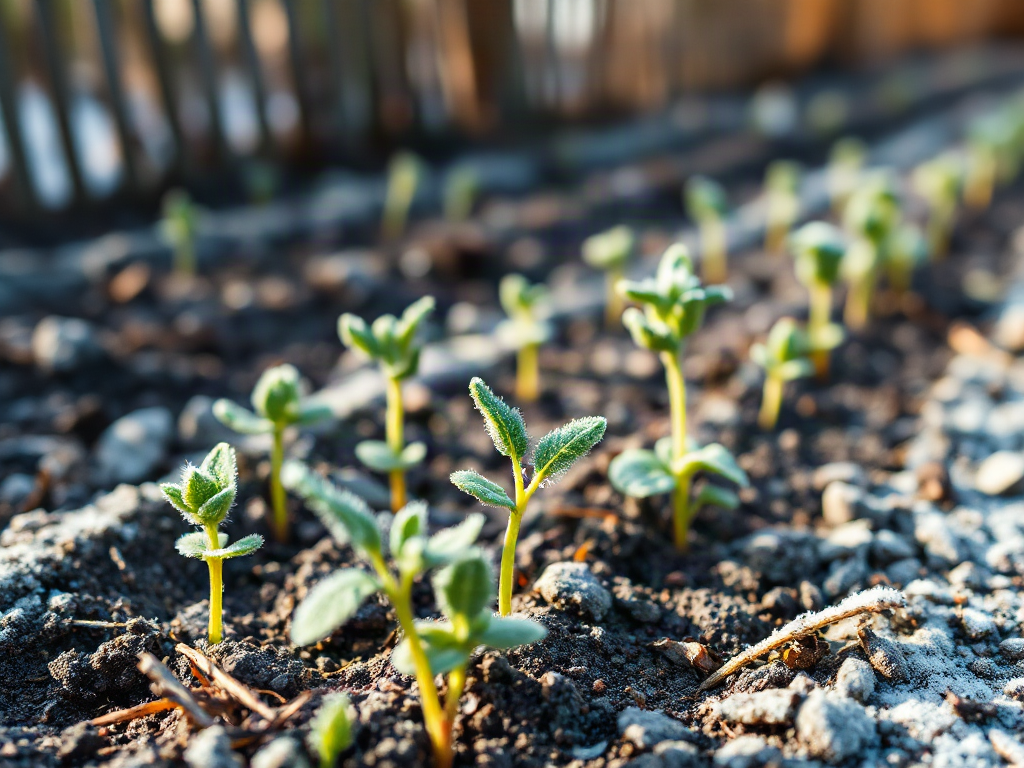
Protecting seedlings from late spring frost means combining a reliable weather check with early covering, ground-level insulation, and gradual uncovering after sunrise. Frost forms when clear, calm conditions let heat escape from plant tissue, so tender transplants need protection before temperatures reach freezing rather than after damage appears. Use hoops, frost cloth, or an overturned container that does not rest on foliage, and secure the edges so cold air cannot flow underneath. Watering the soil earlier in the day may moderate temperature swings, but wet leaves overnight can increase disease risk and should not replace a cover. Harden seedlings before planting, inspect them at dawn, and delay transplanting if a prolonged freeze is forecast.
Read Frost Risk Before Planting Out
Seedling damage depends on more than the overnight low shown in a forecast. A clear sky, light wind, dry air, and exposed soil can allow plant surfaces to become colder than the surrounding air. A forecast near freezing therefore deserves attention even if the official temperature is slightly above 32°F. Tender tomatoes, peppers, basil, cucumbers, squash, and young beans are especially vulnerable, while cool-season seedlings such as kale, lettuce, onions, and peas generally tolerate brief cold more readily.
Location changes the risk. Cold air settles in low areas, and a bed beside a wall may stay warmer than one in an open field because masonry releases stored heat. Raised beds often drain well but can lose heat quickly from their elevated sides. Seedlings in black nursery pots are also exposed on every side, unlike plants rooted in the thermal mass of the ground. A practical comparison is a sheltered patio against a south-facing wall versus a low garden hollow: the same forecast can produce very different results.
Check the forecast several times during the day, paying attention to the predicted low, wind, cloud cover, and duration of cold. A brief dip near freezing calls for a cover; multiple hours below freezing may justify moving containers indoors or postponing transplanting. Do not rely only on the last frost date. That date is an historical planning reference, not a promise that a particular night will be safe.
Harden seedlings before exposing them to outdoor conditions. Over roughly a week, increase outdoor time gradually, beginning in a bright sheltered place and avoiding strong wind at first. Hardening does not make a warm-season crop frost-proof, but it can reduce shock from sunlight, breeze, and temperature change. For more seasonal context, compare local planting decisions with Protecting seedlings from late spring frost before moving an entire tray outside.
Choose Covers That Protect Without Crushing Plants
The most dependable cover creates a layer of trapped air around the foliage while keeping fabric or plastic from resting directly on tender leaves. Frost cloth is designed for this purpose and can remain over plants during a cold night when its edges are secured. Lightweight fabric may provide useful protection from a light frost, but heavier material generally offers more insulation and may need stronger hoops.
Plastic can work as a temporary outer barrier, but it should not touch leaves. Contact transfers cold directly to plant tissue, and sunlight can heat a sealed tunnel rapidly after dawn. Place plastic over hoops, buckets, or a small frame, then remove or vent it promptly in the morning. An overturned plastic storage tub can protect one small plant, provided it has no gaps at the base and is removed before the interior overheats. Cardboard boxes are acceptable for a single night if they remain dry, but they can collapse in rain and offer less reliable protection when wind is present.
The cover must reach the soil, not merely drape over the top. Cold air entering beneath a loose edge can undo the benefit of an otherwise effective material. Use stones, boards, clips, or landscape pins to hold fabric down without tearing it. Avoid tying covers tightly around stems; the goal is a broad insulated pocket, not a sealed bundle that bends or abrades the plant.
A common mistake is choosing a cover based only on convenience. A thin sheet can be suitable for a mild, short frost but inadequate for a long clear night. Conversely, a heavy blanket thrown directly onto foliage may cause broken stems and wet, flattened leaves. Match the method to the plant size, forecast, and available support. Small containers can be moved into an unheated garage, while established rows are usually better served by hoops and cloth. The article Protecting seedlings from late spring frost is most useful when treated as a decision about exposure, duration, and structure rather than a search for one universal material.
Set Up Soil And Covers For A Cold Night
Preparation during daylight makes frost protection more effective and less hurried. Remove weeds and debris that prevent a cover from sitting close to the soil, install hoops before temperatures fall, and identify which plants are most valuable or least replaceable. A healthy transplant with several established leaves may justify more elaborate protection than a spare succession seedling that can remain in a protected tray.
Moist soil generally stores more heat than very dry soil, so watering the bed earlier in the day can moderate temperature swings when the soil is dry. Water at the base and allow foliage to dry before night. This tactic is supplementary: it cannot compensate for a hard freeze, exposed containers, or a cover with large openings. Do not saturate poorly drained beds, because cold, waterlogged roots may suffer even when the foliage escapes frost.
Mulch can reduce rapid soil heat loss, but timing matters. A thick, loose layer of straw around a newly planted warm-season seedling may keep the root zone cooler during the following daytime and delay soil warming. Use mulch to moderate the root environment, not as a substitute for an overhead cover. Dark soil, compost, or a water-filled thermal mass may retain heat in some setups, but each has limits and should be tested on a small area before being trusted for a valuable planting.
Use this short evening sequence:
- Check the actual low, wind, cloud conditions, and expected hours below freezing.
- Water dry soil at the base during daylight, avoiding wet foliage at dusk.
- Place supports so fabric will not press against leaves.
- Extend the cover to the soil and secure every exposed edge.
- Move potted seedlings to a sheltered, frost-free location when practical.
Inspect the setup from the side after securing it. Gaps at corners, low spots where fabric collects water, and unsupported plastic touching leaves are warning signs. If wind is forecast, a rigid frame and clips are safer than loose fabric weighted only at two points. Keep a spare layer available, but do not add weight indiscriminately; crushed plants may be damaged even if temperatures remain above the critical threshold.
Uncover, Inspect, And Recover Damaged Seedlings
Remove or vent the cover after the danger has passed and daylight begins warming the site. Leaving plastic sealed over plants can create excessive heat, condensation, and weak, stretched growth. Frost cloth is more forgiving, but plants still need light and airflow. On a marginal morning, lift one edge first, check the temperature and condition of the foliage, then open the cover fully as conditions permit.
Inspect plants after they thaw rather than judging them while frozen. Frosted tissue may look water-soaked, limp, or translucent at first. Wait until the damage becomes clear before pruning, because living tissue may recover as it warms. Blackened stems, collapsed growing points, and a persistent water-soaked appearance indicate more serious injury than a few damaged leaf edges. Do not fertilize immediately in an attempt to force recovery; stressed roots may not be ready to use an extra nutrient load.
A seedling with an intact central growing point may resume growth after losing some leaves. A tomato with a dead top can sometimes produce a side shoot, while a pepper with severe stem injury may be better replaced. Warm-season cucurbits are often less forgiving because their stems and growing points are easily damaged. Keep an undamaged backup plant if the forecast is uncertain, and delay aggressive pruning until the extent of injury is visible.
Recovery also depends on root conditions. Keep the soil evenly moist but not saturated, protect the plant from additional wind, and restore normal light exposure gradually if it has been kept indoors. A common failure is replanting or pruning too quickly after one cold night, then exposing weakened tissue to another freeze. Watch for new, firm growth over the next several days. If leaves continue collapsing, the stem softens near the soil line, or the plant fails to regain turgor after warming, replacement may be more efficient than repeated rescue attempts.
Future timing should reflect what happened. If a particular bed froze while a nearby sheltered container did not, change the location or install permanent supports rather than simply buying a thicker cover. For a broader planting decision, revisit Protecting seedlings from late spring frost and record the crop, location, cover, forecast, and result.
Local university extension services, national weather agencies, and horticultural departments often publish frost-date maps, crop-hardiness information, and guidance on protecting transplants. Use sources that explain local weather patterns and distinguish brief frost from prolonged freezing, then adapt their recommendations to the crop and exposure of your own planting site.
Frequently Asked Questions
What temperature is too cold for newly planted seedlings?
Warm-season seedlings can be injured near freezing, especially during a clear, calm night. Peppers, basil, cucumbers, squash, and tomatoes deserve protection whenever a frost is possible.
Can I use plastic bags to cover seedlings?
Use them only as a temporary cover supported so plastic does not touch foliage. Secure the opening at soil level and remove the bags after sunrise to prevent overheating and condensation.
Should seedlings be watered before a frost?
Water dry soil during daylight because moist soil may release more stored heat overnight. Avoid wetting leaves late in the day, and do not saturate beds with poor drainage.
When should frost covers come off?
Open or remove covers once freezing danger has passed and morning light begins warming the plants. Sealed plastic should come off promptly; breathable cloth can stay longer if temperatures remain cool.
Can frost-damaged seedlings recover?
Yes, if the stem and growing point remain firm. Wait for visible damage before pruning, maintain moderate moisture, and replace plants with collapsed stems or continuing tissue breakdown.
Conclusion
Successful frost protection comes from managing exposure before the cold arrives. Check more than the forecasted low, because clear skies, calm air, dry soil, low terrain, and exposed containers can increase damage. Prioritize the most vulnerable crops, use a supported cover that reaches the soil, and secure its edges against moving air. Water dry ground during daylight only as a supporting measure, not as a replacement for insulation. Remove plastic promptly after dawn, assess injured tissue after thawing, and keep replacement seedlings available when a hard freeze remains possible. A short record of the forecast, planting location, cover material, and outcome will make the next late-spring cold event easier to judge and less costly to manage.