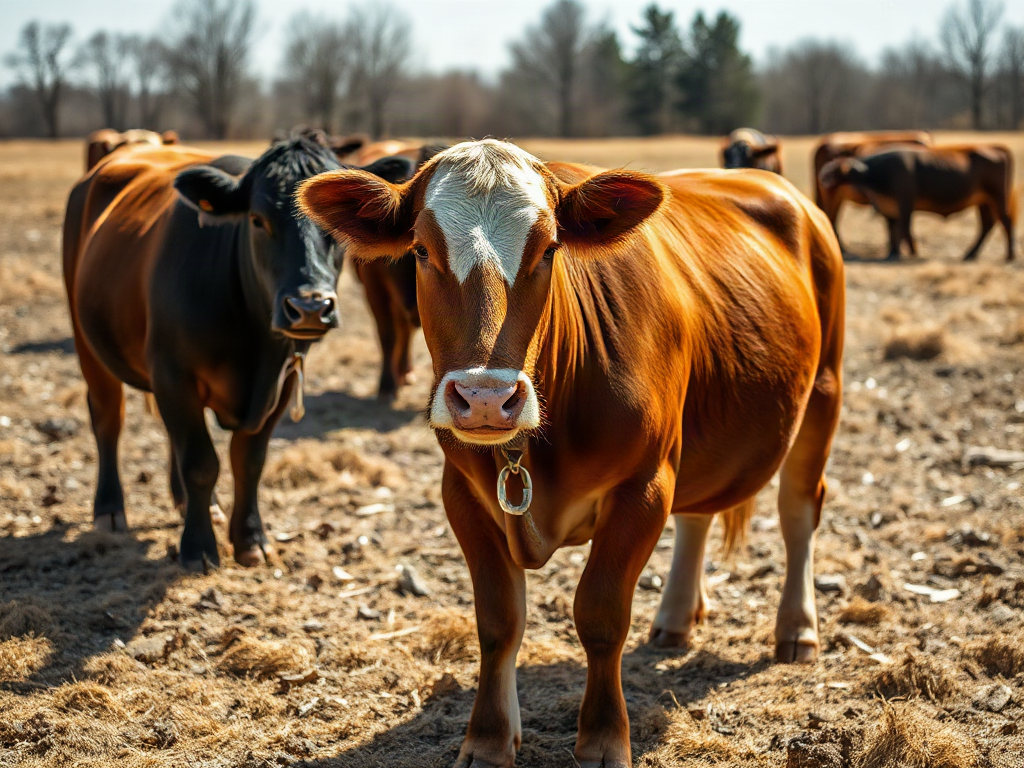
Match Cattle Numbers to Usable Forage
Acreage alone does not determine how many cattle a property can support. Soil productivity, rainfall, forage species, slope, shade, drainage, and the length of the growing season all change the amount of feed produced. Two properties of equal size may have very different carrying capacities, especially when one contains woods, buildings, ponds, lanes, or persistently wet ground that contributes little grazeable forage.
Estimate the truly usable pasture first, then ask a local extension office, conservation district, or forage specialist for a realistic starting range for local conditions. Stocking recommendations are estimates rather than promises. Drought, a late spring, insect pressure, or repeated grazing before plants recover can reduce available feed quickly. Beginners are safer starting below the estimated limit and adding animals only after observing a full growing season.
For example, four cattle on a green five-acre field may look conservative in May. If growth slows in midsummer and the animals repeatedly graze new leaves as soon as they emerge, the same field can become short, weedy, and bare by August. Continuing to hold all four animals then converts a forage shortage into a soil problem. Buying hay or reducing animal numbers early is usually less costly than repairing damaged pasture while also feeding cattle.
Use a forage budget rather than a visual guess. Note the pasture area, likely grazing months, expected periods of low growth, and amount of stored feed available. Recheck conditions throughout the season. A declining average forage height, expanding bare patches, cattle reaching under fences, or animals returning immediately to recently grazed plants are signs that demand exceeds supply.
- Count usable acres: Exclude yards, lanes, buildings, dense woods, open water, and inaccessible slopes.
- Reserve a feed margin: Keep hay or another suitable forage available for drought, delayed growth, and winter.
- Set an exit point: Decide beforehand when animals will be sold, moved, or fully fed off pasture.
The common mistake is treating a stocking rate as a permanent property of the land. Carrying capacity changes by season and management. Anyone researching Raising beef cattle for beginners on limited acreage should treat a small initial herd as risk control, not as unused potential.
Build Fencing, Water, Shelter, and Handling Access
Reliable containment and water deserve investment before cattle arrive. Perimeter fencing must withstand pressure from animals that are hungry, frightened, newly weaned, or separated from companions. Temporary electric subdivisions can manage grazing inside that boundary, but they should not be expected to replace a sound perimeter on a property near roads, neighbors, or crops.
Walk every fence line and inspect posts, braces, gates, wire tension, electrical grounding, and vegetation touching energized wires. New cattle should enter a secure receiving area where they can learn the location of feed and water and settle before being released into a larger field. A lone animal is more likely to pace, call, and test fences, so keeping compatible cattle together generally makes management easier.
Water placement affects both intake and pasture use. A trough that runs dry, freezes, becomes contaminated, or has inadequate refill speed can create an urgent welfare problem. Test the system under peak demand rather than assuming a household hose or small float valve will keep up. Place troughs on firm, well-drained footing where possible; constant traffic around a low spot creates mud, hoof damage, and polluted runoff. If movable troughs are used, check hoses and couplings daily.
Natural shade, a simple windbreak, or suitable shelter may be valuable depending on climate, but an elaborate barn is not automatically the first priority. Dry footing, clean water, shade during heat, and protection from severe weather usually matter more than enclosed space. Local conditions determine what protection is adequate, so consult regional extension guidance rather than copying a building plan from a different climate.
Cattle also need a safe route for examination, treatment, loading, and removal. A strong pen, narrow working alley, and properly secured head restraint are safer than trying to corner an ill animal in an open pasture. Plan trailer access with enough turning room and an all-weather surface. The time to solve a loading problem is not when an injured steer needs prompt attention.
A useful pre-arrival check includes perimeter containment, two functioning gates, backup water, shade or weather protection, feed storage, and a handling arrangement. The failure mode on small properties is often false convenience: cattle are close to the house, so owners assume equipment is unnecessary. Proximity does not make a large, frightened animal safer to restrain.
Use Grazing Rotation Without Overworking Small Pastures
Rotational grazing works by controlling when cattle enter a paddock and allowing plants to regrow before the next grazing. It does not create forage from insufficient soil moisture or replace feed during seasonal dormancy. Smaller paddocks improve control, but moving cattle frequently without measuring recovery can simply overgraze the entire property in a more organized pattern.
Begin with a few practical subdivisions rather than an elaborate network of permanent lanes. Portable electric fencing can divide a secure pasture, provided cattle are trained to respect it and the energizer is correctly installed. Observe how quickly the herd removes leaves, whether manure is distributed reasonably, and how long plants need to rebuild leaf area. Recovery time should expand when growth slows and can shorten during rapid spring growth.
Consider a three-paddock example. Cattle graze the first area briefly, move to the second, and then the third. If the first paddock has not recovered by the time the third is finished, the answer is not an automatic return to paddock one. The owner must lengthen the rotation by adding a subdivision, feeding elsewhere, or using a sacrifice area. Reentry based only on a calendar repeatedly removes young regrowth and weakens roots.
A sacrifice area is a deliberately selected lot where cattle can be fed when pasture is too wet, dormant, or short. Concentrating damage there protects the remaining sod, although the area requires drainage, manure management, erosion control, and regular maintenance. It is not a neglected mud pen. Site it away from waterways and wells, and seek local guidance on runoff or manure requirements.
Signs that rotation is working include visible regrowth before reentry, stable ground cover, limited bare soil, and cattle that enter a paddock and graze rather than immediately searching beyond the fence. Warning signs include clipped plants across every paddock, increasing weeds, muddy gateways, exposed roots, and a growing dependence on emergency hay.
Clipping, fertilizing, overseeding, or controlling weeds may improve a pasture, but none corrects excessive stocking by itself. Soil testing can guide lime and nutrient decisions; applying products without a test may waste money or worsen nutrient loss. The practical aim of Raising beef cattle for beginners on limited acreage is sustained forage recovery, not maximum short-term grass removal.
Plan Feed, Health Care, and Daily Observation
Pasture quality changes even when the field remains green. Mature stems, weathered forage, drought-stressed plants, and dormant grass may not meet the needs of growing cattle. Hay becomes the nutritional foundation when pasture cannot supply enough usable forage, while minerals and supplements should be selected for the forage, animal class, and local deficiencies rather than purchased by label appeal.
Buy hay by more than appearance. Ask about plant type, harvest conditions, storage, and whether a forage analysis is available. Mold, excessive dust, weeds, and heating damage reduce value and may create health concerns. Store bales under cover or otherwise protect them from avoidable weather loss, and use feeders that limit trampling. Small-acreage owners often underestimate both winter quantity and waste around poorly designed feeding sites.
Introduce feed changes gradually. Abrupt shifts from forage to a high-energy ration can disrupt rumen function, and unrestricted access to unfamiliar concentrate may be dangerous. A veterinarian or qualified livestock nutrition professional can help match a ration to growing calves, mature cows, or finishing animals. Salt and an appropriate mineral product should remain protected from rain and monitored for actual consumption.
Establish a veterinary relationship before an emergency. Discuss vaccinations, parasite control based on local risk, identification, biosecurity, castration or dehorning status, and withdrawal periods for any medication. Newly purchased cattle should have documented origins and health information when available, then be observed separately from resident livestock according to a veterinarian-informed plan. Requirements for animal identification, transport, carcass disposal, and sales differ by location, so owners should verify current rules with the relevant state or national authority.
Daily observation is the most valuable low-cost management task. Watch cattle before disturbing them: healthy animals commonly rise, move, drink, ruminate, and approach feed in a consistent group pattern. Investigate isolation, repeated coughing, labored breathing, drooping ears, lameness, unusual manure, poor appetite, abdominal swelling, or an animal that fails to come to water. Record treatments, feed deliveries, pasture moves, body-condition observations, and unusual weather.
The mistake is waiting for dramatic symptoms. Cattle can conceal illness, and a small change in behavior may appear before a severe decline. Knowing each animal’s normal routine makes early recognition more likely. Contact a veterinarian promptly when signs are acute, worsening, unexplained, or affecting multiple animals rather than relying on an improvised treatment from another farm.
Choose a Beginner-Friendly Cattle Enterprise
The simplest first enterprise is usually one with limited breeding and calving complexity. A small group of healthy, weaned feeder steers can let a beginner practice grazing, handling, health observation, recordkeeping, and marketing without maintaining a bull or managing births. Their feed needs and sale timing still require planning, but the operational risks are narrower than those of a cow-calf herd.
Breeding cows introduce year-round forage demand, pregnancy management, calving risk, calf health, breeding decisions, and the need to maintain or access a suitable sire. Keeping a bull for only a few cows is often inefficient and creates additional fencing and handling hazards. Artificial insemination avoids owning a bull but demands heat detection, scheduling, facilities, and skilled service. Beginners committed to breeding may find leasing pasture, using a reputable breeding service, or buying bred females more practical, although each option carries cost and health considerations.
Purchase temperament and health before color, size, or breed preference. Calm cattle accustomed to people, fences, troughs, and common handling systems are easier and safer to manage. Avoid assembling isolated bargain animals from numerous sources merely to lower the purchase price; mixed origins can increase disease exposure and produce a group with inconsistent feed history and behavior. Ask about age, weight range, vaccination history, weaning status, prior diet, identification, and any recent illness.
Work backward from the sale route. A livestock auction offers access to buyers but exposes the seller to market timing, transport, commissions, and variable prices. Direct freezer-beef sales may retain more control but add customer management, processing reservations, labeling or sales requirements, and the challenge of selling the entire carcass. Confirm local rules and processor availability before promising beef to customers.
A sound first-year sequence is to price winter feed, identify a veterinarian, inspect facilities, calculate conservative forage supply, locate a seller with documented cattle, and arrange transport and an eventual market. Keep enough cash available for hay, veterinary care, repairs, and an earlier-than-planned sale. The strongest beginner choice is not the enterprise with the highest theoretical return; it is the one the property, facilities, labor, and market can support without depending on perfect weather.
Frequently Asked Questions
How many beef cattle can be kept on a few acres?
No fixed acreage-per-animal figure applies everywhere. Base the number on usable forage, soil and rainfall, grazing duration, stored-feed capacity, and local extension estimates; beginning below the estimated carrying capacity leaves room for poor growing conditions.
Are feeder steers easier for beginners than breeding cows?
Feeder steers are often simpler because they remove breeding, calving, and bull management from the first season. They still require secure facilities, balanced nutrition, health oversight, and a defined sale plan.
Can cattle live entirely on pasture on limited acreage?
Not reliably in most situations. Slow growth, drought, winter dormancy, or wet conditions may require hay and a sacrifice area, even when managed grazing supplies much of the seasonal diet.
What fencing is suitable for a small beef herd?
Use a dependable perimeter suited to local conditions and trained cattle, then use well-maintained electric fencing for internal subdivisions. Gates, corners, grounding, vegetation load, and backup containment need regular inspection.
What should be checked every day?
Confirm water supply, fence condition, feed availability, appetite, movement, breathing, manure, rumination, and group behavior. An animal standing apart, refusing feed, or showing respiratory distress warrants prompt attention.
Further Reading
Authoritative Sources
- USDA NRCS Pasture Resources
nrcs.usda.govProvides conservation-oriented information for assessing and managing pasture resources
- USDA APHIS Cattle Health
aphis.usda.govOffers official information about cattle diseases, animal health programs, and related requirements
- University of Nebraska–Lincoln Beef
beef.unl.eduPublishes extension material covering beef nutrition, grazing, health, and production decisions
- Penn State Extension Beef Cattle
extension.psu.eduProvides practical educational resources on beef cattle facilities, feeding, herd care, and business planning
Conclusion
Limited acreage rewards conservative stocking and quick responses to changing forage conditions. Measure usable pasture, budget hay before buying cattle, and create a protected place to feed when grass needs rest. Secure perimeter fencing, dependable water, and safe handling access should be operational before the trailer arrives.
For a first season, choose a small, uniform group with a known health and feeding history rather than building a breeding herd immediately. Record pasture moves, feed use, body condition, treatments, and weather-related changes so next year’s decisions rest on the property’s actual performance. A local extension professional and livestock veterinarian can refine the forage and health plans. If grass recovery slows or cattle condition declines, reduce grazing pressure early; waiting for bare ground or visibly thin animals leaves fewer affordable options.