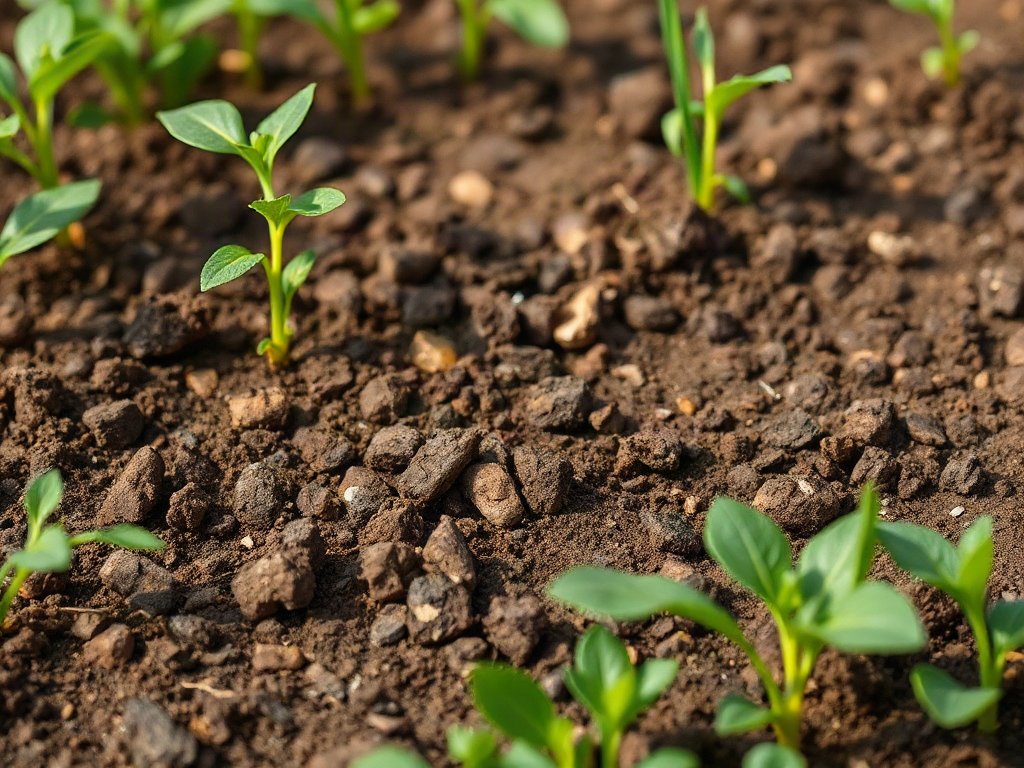
Soil fertility recovery without purchased synthetic inputs depends on rebuilding organic matter, returning locally available nutrients, protecting the soil surface, and correcting limiting conditions such as compaction or unsuitable pH. Mature compost, crop residues, legume cover crops, animal manures, wood ash where appropriate, and carefully managed weeds can supply nutrients, but each material has different nutrient ratios and risks. Begin with a soil test if available, then prioritize carbon-rich organic matter, living roots, and erosion control rather than applying large amounts of one amendment. Avoid fresh manure, repeated ash applications, and burying undecomposed residues beside crops. Recovery is gradual: better aggregation and moisture behavior may appear before fertility gains become obvious.
Find the Actual Fertility Constraint
Soil fertility recovery begins with diagnosis rather than a blanket application of homemade amendments. Poor plant growth may result from low nitrogen, but it can also come from compaction, standing water, drought, extreme acidity or alkalinity, salt accumulation, shallow soil, or competition from perennial weeds. Adding compost to a waterlogged clay bed may increase organic matter while leaving the main restriction untouched.
A basic soil test can reveal pH, phosphorus, potassium, and sometimes organic matter. Treat the report as a decision aid, not a complete description of the soil. A field with adequate phosphorus may need carbon and root activity rather than more manure. Conversely, pale leaves in a heavily mulched bed may indicate temporary nitrogen immobilization as microbes decompose high-carbon straw.
Examine the ground directly. Dig a small slice beside a crop and look for dense layers, gray or sour-smelling zones, earthworm channels, and roots that stop at the same depth. Compare a productive patch with a weak patch instead of assuming the whole garden has one problem. A soil texture test using a moistened handful can also distinguish a loose sandy soil, which loses nutrients quickly, from clay that holds nutrients but may restrict air when wet.
The common mistake is treating every symptom as a nutrient shortage. If water runs off bare soil, reducing erosion and adding surface residue may matter more than finding a richer fertilizer substitute. If plants grow dark green but produce poorly, excess nitrogen or poor pollination may be more plausible than deficiency. Prioritize the constraint that limits several crops at once, and make one substantial change at a time so its effect can be observed.
Build Nutrients From Local Organic Materials
Locally available organic materials can replace many purchased inputs, but they are not interchangeable. Mature compost supplies a modest, broad mix of nutrients and improves structure; legume biomass contributes nitrogen when young and actively growing; aged manure adds nutrients and organic matter; leaf mold mainly improves moisture retention and habitat for soil organisms. Wood ash supplies calcium and potassium while raising pH, so it belongs only on soils that need liming and should not be treated as general-purpose plant food.
Use materials according to their condition and likely composition. Finished compost should be dark, crumbly, and free of a strong ammonia or sour odor. Fresh manure can burn seedlings, release unpleasant gases, introduce weed seeds, and create food-safety concerns around edible crops. Where manure is used, aging and conservative application are safer than piling it directly around plants. Avoid manure from animals exposed to persistent herbicides unless the source is known, because some residues can survive composting and damage sensitive broadleaf crops.
Carbon-to-nitrogen balance explains many disappointing results. A thick layer of sawdust, straw, or chipped woody material mixed into the root zone may temporarily tie up available nitrogen. Used on the surface, those materials can protect soil and eventually feed it as they break down. Green leaves, young legumes, and kitchen plant scraps decompose more quickly, but a wet heap without air can become anaerobic and foul.
A useful local nutrient loop may include crop residues, fallen leaves, spoiled hay, uncontaminated bedding, legume cuttings, and carefully managed animal manure. Do not return diseased plants, invasive weed roots, or materials carrying unknown chemicals. Soil fertility recovery without purchased synthetic inputs works best when the material stream is inspected before it reaches the bed, not after a crop fails.
Keep Living Roots and Residues in the Soil
Fertility recovery accelerates when soil is covered and roots remain active for as much of the year as local conditions allow. Living roots release carbon compounds that feed microbes near the root surface, while decomposing residues return nutrients and create channels for air and water. Cover crops such as clover, peas, vetch, beans, oats, rye, or locally adapted grasses can serve different purposes, but no single species is ideal for every soil or season.
Legumes are useful where nitrogen is limited, yet they do not function like an instant fertilizer. They need suitable moisture, inoculation or compatible soil biology, and enough time to produce biomass. A thin, drought-stressed stand may contribute little. Grass and cereal covers produce abundant carbon and protect against erosion, but their residues can decompose slowly and temporarily compete with seedlings for nitrogen. A mixed stand can balance these traits, although mixtures are harder to terminate and may complicate seed saving.
Timing matters more than the label on the seed packet. Cut or roll a cover crop before it becomes a mass of tough, mature stems if rapid decomposition is needed. Leave a surface mulch where erosion is a concern, or incorporate only a small amount well before planting if the soil and equipment permit. Planting immediately into a heavy layer of fresh, wet residue can produce cool soil, slug habitat, and poor seed contact. A garden bed may benefit from shallow surface management, while a compacted field may need a different approach entirely.
Keeping residues has a tradeoff: pests and disease organisms may shelter in poorly managed debris. Remove visibly diseased material, rotate plant families, and avoid allowing one species to dominate year after year. The sign of improvement is not simply more green growth; it includes easier infiltration, fewer crusts after rain, deeper roots, and soil that holds together when squeezed without becoming hard when dry.
Use a Practical Recovery Sequence
A staged sequence prevents scarce organic matter from being wasted. First, stop the losses: reduce bare ground, redirect damaging runoff, avoid working wet soil, and keep livestock from compacting growing areas. Second, add the safest available carbon and nutrient sources in moderate amounts. Third, establish roots and residues that continue feeding the soil after the amendment is gone. This order is more dependable than applying a large quantity of manure to ground that is still eroding.
For a depleted garden, a workable first season might involve removing contaminated or diseased debris, loosening only compacted zones when soil is friable, spreading mature compost, and covering pathways with leaves or coarse residue. A legume or grass cover can follow a harvested crop. The next season, observe which areas dry too quickly, remain wet, or produce weak stems, then adjust the material and timing rather than repeating the same application everywhere.
Priorities change with the setting:
- Sandy soil: favor repeated modest additions of compost, leaf material, and surface mulch to reduce rapid drying and nutrient leaching.
- Heavy clay: protect structure, avoid tilling when wet, and use roots and surface residues; adding a small amount of organic matter will not transform clay immediately.
- Low-input field: prioritize erosion control, rotations, grazing management, and locally adapted cover crops before chasing maximum yields.
- Acidic soil: verify pH before using wood ash or other alkaline materials, since excess alkalinity can make micronutrients less available.
The main failure mode is expecting one season of compost to restore years of nutrient removal. Organic inputs release nutrients as microbes decompose them, and release slows in cold, dry, or waterlogged conditions. Heavy feeding crops may still require more nutrient cycling than a small homestead can supply. Soil fertility recovery without purchased synthetic inputs may therefore require lower planting density, more fallow or cover-crop time, and crop choices matched to the available fertility.
Measure Progress Without Guesswork
Track both soil behavior and crop performance. Record what material was applied, roughly how much, where it came from, and when it was used. Note planting dates, rainfall patterns, crop color, rooting depth, weed pressure, harvest quality, and areas that crust or pond. These observations help distinguish a fertility improvement from a temporary flush caused by decomposing manure.
Repeat soil testing on a sensible interval when testing is accessible, using comparable sampling depth and locations. Testing too soon after an amendment may capture a short-lived change rather than the condition that crops will experience. A rising phosphorus value, for instance, may signal that manure is being applied faster than crops can use it. More amendment is not automatically better when a nutrient is already abundant.
Use simple field checks between tests. Infiltration can be compared by pouring the same volume of water onto similar-sized soil patches and observing ponding or runoff. Root inspection reveals more than leaf color alone. A plant with moderate top growth but deep, branching roots may be recovering better than a lush plant with shallow roots. Earthworm numbers can vary with weather and are not a standalone fertility score, but increasing channels, crumb structure, and stable moisture are useful combined signals.
Give each intervention a clear review point. If compost improves crusting but not crop color, structure may have been the limiting factor and nitrogen may still be short. If a cover crop grows vigorously but the following crop is pale, allow more decomposition time or use less mature residue. If ash causes a sharp change in plant response, stop applying it and reassess pH. Soil fertility recovery without purchased synthetic inputs is a process of observing nutrient flows, not simply replacing a bagged product with an unmeasured homemade one.
Frequently Asked Questions
Can compost restore depleted soil by itself?
Compost can add organic matter and some nutrients, but recovery also depends on preventing erosion, maintaining roots, correcting compaction, and matching crop demand to available nutrient cycling.
Is animal manure a complete replacement for synthetic fertilizer?
Manure contains several nutrients, but its composition varies and its phosphorus or salts may accumulate with repeated use. Use aged material conservatively and base future applications on soil tests where possible.
Which cover crop adds the most nitrogen?
A vigorous, well-timed legume stand can contribute nitrogen, but the amount depends on growth, moisture, soil conditions, and how the biomass is managed. A weak stand should not be counted as a major nutrient source.
Should wood ash be added to every garden?
No. Ash raises pH and supplies some calcium and potassium, so it is most appropriate when soil acidity is documented or strongly suspected. Repeated use can create excessive alkalinity or nutrient imbalance.
How long does fertility recovery take?
Soil cover and infiltration may improve within a season, while stable organic matter, aggregation, and nutrient reserves usually require repeated management over several seasons.
Further Reading
Authoritative Sources
- Academy of Nutrition and Dietetics
eatright.orgProfessional nutrition guidance, healthy eating resources, and practical dietitian-reviewed advice.
- U.S. Department of Agriculture
usda.govOfficial food, nutrition, agriculture, and consumer guidance from the USDA.
- NIH Office of Dietary Supplements
ods.od.nih.govResearch-based fact sheets on nutrients, supplements, dietary intake, and safety considerations.
- International Society of Sports Nutrition
sportsnutritionsociety.orgEvidence-informed sports nutrition resources and position stands for active people and athletes.
Conclusion
Recovering fertility without purchased synthetic inputs is a nutrient-cycling project built around local materials, living roots, and reduced losses. Diagnose the limiting condition before adding anything, then protect the surface, use mature organic matter, and select cover crops for the job they can realistically perform. Treat manure, ash, woody residues, and green biomass as distinct resources with different timing and risks. Watch for deeper roots, improved infiltration, stable soil crumbs, and consistent crop growth rather than judging success from one flush of green leaves. A modest, documented application followed by observation is safer and more informative than a heavy amendment made on assumption. Over several seasons, the most productive system will be the one that returns more carbon and nutrients than it removes while keeping erosion and compaction under control.