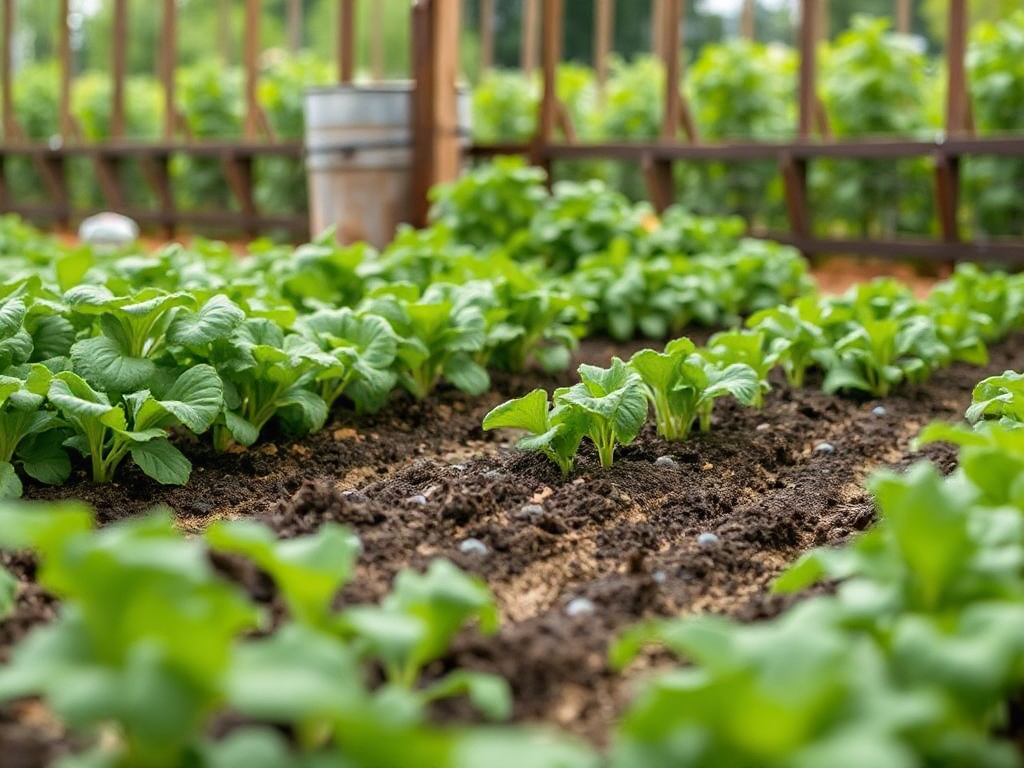
Crop succession planning for year-round homestead harvests means scheduling repeated sowings, seasonal crop changes, and protected plantings so beds produce food continuously rather than maturing all at once. The plan should match each crop’s days to harvest with local frost dates, soil recovery time, available water, and realistic household demand. Fast crops such as radishes, salad greens, and bush beans can follow one another in the same space, while long-season tomatoes or winter squash need bed reservations. Record actual harvest dates, replace declining crops promptly, and leave room for cover crops when soil fertility or disease pressure makes another food crop a poor choice.
Build the Succession Plan Around Harvest Windows
Year-round harvests come from overlapping planting windows, not from forcing one crop to produce indefinitely. A succession plan places a new sowing or transplant into the schedule before the previous planting reaches its final useful stage. The timing depends on crop maturity, weather, germination speed, harvest frequency, and how quickly a bed can be cleared.
Begin with a simple calendar divided into four periods: cool spring, warm summer, cool autumn, and the protected or dormant winter period. Mark the approximate last spring frost and first autumn frost for your location, then add crop-specific windows. Leaf lettuce may support several sowings during cool weather, whereas carrots can occupy the bed for months and leave less room for rapid turnover. Crop succession planning for year-round homestead harvests works best when each planting has a defined role in the calendar.
Separate crops into three scheduling groups. Fast crops, including radishes, baby greens, turnips, and some salad mixes, can be replanted every few weeks when conditions are favorable. Medium-duration crops, such as bush beans, beets, and bunching onions, usually need a longer interval and more dependable warmth. Long-season crops, including tomatoes, peppers, winter squash, and storage onions, should be assigned space early because they limit later options.
A practical first draft might reserve one bed for spring greens, follow them with bush beans after the soil warms, and finish with autumn spinach or a cover crop. The plan is not a promise that every sowing will succeed. It is a sequence of opportunities that allows a failed planting, heat wave, pest outbreak, or delayed transplant without collapsing the entire harvest schedule.
The common mistake is calculating only the days listed on a seed packet. Those figures often assume favorable conditions and may not include hardening off, transplant recovery, cool soil, harvest delays, or repeated picking. Add a realistic buffer and use actual observations from your garden. If a crop consistently takes six weeks instead of four, move its successor later or choose a faster replacement.
Match Crops to Beds, Weather, and Household Demand
A productive succession plan must fit the physical garden as well as the calendar. Sun exposure, irrigation reach, soil texture, trellis placement, and access paths determine which transitions are practical. A bed that receives afternoon shade may be valuable for summer lettuce, while a fully exposed bed may be better reserved for heat-loving crops and later replanted with cool-season greens.
Estimate demand before multiplying sowings. A household that eats salad several times a week may need frequent small plantings, while a family that prefers cooked greens may gain more from staggered chard, kale, or spinach. Small sowings reduce waste and spread labor. Planting an entire packet of lettuce on one date can create a brief surplus followed by an empty bed; planting modest amounts at intervals creates a steadier supply.
Use bed maps rather than treating the whole garden as interchangeable. Note the previous crop, the next crop, and any permanent fixtures. For example, peas can occupy a trellised strip in cool spring, followed by cucumbers or pole beans after the peas decline. A separate bed might hold early potatoes, then receive autumn brassicas if there is enough time for establishment. The transition is more reliable when compost, irrigation, and supports are prepared before the first crop is removed.
Weather changes the value of a planned succession. A hot spell can make a second lettuce sowing bolt before it forms useful heads, while a cool summer may delay beans and compress the autumn schedule. Flexible plans include substitute crops: bush beans can replace a failed cucumber window, turnips can replace a late carrot sowing, and mustard greens may fill a short autumn slot when larger brassicas no longer have enough growing time.
Choose between direct sowing and transplants according to the constraint you are trying to solve. Direct sowing is efficient for carrots, beans, peas, and many greens, but seedlings remain exposed during the early window. Transplants give tomatoes, cabbage, and other slower starters a head start, though they require nursery space and careful hardening. The wrong assumption is that a transplant always saves time; a root-bound or poorly acclimated plant may stall longer than a healthy direct-sown crop.
Prioritize the beds that provide the most dependable food per unit of attention. A succession calendar overloaded with delicate greens, frequent transplanting, and exact irrigation demands may look productive but fail during busy weeks. A smaller mix of reliable crops can better support a household than an ambitious schedule that depends on perfect weather and daily labor.
Use Seasonal Transitions Without Exhausting the Soil
Each crop removes nutrients, leaves residues, and changes the pest and disease conditions of a bed. Succession planning therefore includes soil recovery, not just the next harvest date. Repeating the same crop family in one location can increase disease pressure and create uneven nutrient demand, especially when plant debris remains in the bed.
Rotate plant families where space permits. Follow heavy-feeding fruiting crops with legumes, leafy crops, or a cover crop rather than automatically planting another close relative. A bed that held tomatoes may be a poor immediate location for peppers or eggplants because they share several disease concerns. Moving to beans or a nonrelated green does not guarantee clean soil, but it avoids treating the same host plants as a permanent sequence.
Cover crops are a legitimate part of a year-round harvest plan even though they are not food crops. When a bed becomes vacant too late for a worthwhile vegetable, a cover crop can protect soil from erosion, compete with weeds, and provide organic material when managed appropriately. The tradeoff is that it occupies the bed and requires termination before the next food crop. Leaving bare soil may seem simpler, but it often creates more weed and moisture-management work later.
Compost and other amendments should respond to soil test results, crop performance, and the intended planting rather than being added on an automatic schedule. A heavy application before every succession can create nutrient imbalance, while neglecting fertility in a heavily harvested bed can produce weak regrowth. Observe plant color, vigor, water infiltration, and root development, but do not treat a single symptom as a definitive diagnosis.
Sanitation matters during rapid turnover. Remove diseased plants promptly, clear fallen fruit, and avoid incorporating visibly infected material into ordinary compost unless the system reliably reaches conditions suitable for that material. Clean tools when moving between suspicious plants, and do not save seed from plants that performed poorly for reasons that may be inherited or disease-related.
A useful transition routine is to remove spent plants, inspect roots and soil surface, add only the needed amendment, restore irrigation, and plant the successor within the correct weather window. The common failure is rushing to fill every empty space. A short rest, cover crop, or mulched pause can be wiser than a poorly timed planting that matures during heat, frost, or a period when the household cannot harvest it.
Track Results and Correct Common Planning Errors
A garden log turns succession planning from guesswork into a locally useful record. Write down sowing dates, transplant dates, first harvest, peak harvest, final harvest, weather interruptions, pest pressure, and the reason a bed was cleared. Seed packets provide starting estimates, but your own records show how a crop behaves in your soil and climate.
Review the plan at the end of every season. If two plantings overlap and create more food than the household can use, reduce the interval or sow fewer seeds. If a gap appears, identify its cause: the first crop may have matured late, the successor may have been delayed, or the chosen crop may have needed more warmth than the calendar allowed. A gap is useful information because it reveals where the schedule needs a buffer or a different crop.
Watch for several recurring errors. Planting by month alone ignores soil temperature and frost risk. Scheduling every bed for food production leaves no room for fertility work, seedling failure, or a family absence. Assuming a crop will keep producing after quality declines leads to tough beans, bolted greens, or pest-damaged plants. Treating harvest quantity as the only measure also misses labor: a crop that produces well but requires more picking than the household can manage may not be a good succession choice.
Use a short priority checklist when revising the calendar:
- Protect the earliest and latest planting windows from frost, heat, and wet soil.
- Reserve space for long-season crops before assigning quick follow-up plantings.
- Stagger high-demand crops in small batches instead of planting one large block.
- Assign a replacement crop for likely failures and a nonfood option for exhausted beds.
- Record actual harvest performance before buying more seed for the next cycle.
Compare a fixed schedule with a trigger-based schedule. A fixed schedule might call for beans every three weeks, while a trigger-based schedule starts the next sowing when the previous planting reaches its first substantial harvest or when weather forecasts show a suitable window. Trigger-based planning is more adaptable, but it requires observation and timely action. Fixed dates are easier for beginners and can work well when local conditions are stable.
Signs that the system is working include smaller harvest surpluses, fewer bare beds during suitable weather, and a clear next action whenever a crop declines. Signs of failure include repeated missed sowing windows, seedlings waiting too long for prepared space, and harvests clustering in the same week. Adjust the number of plantings before adding more crop varieties; simpler schedules are easier to execute and evaluate.
Frequently Asked Questions
How often should succession crops be planted?
The interval depends on crop speed and weather. Fast greens may be sown every two to four weeks, while beans or beets often need longer spacing. Use first harvest and expected decline as practical triggers.
Can succession planting work in a small homestead garden?
Yes. Small beds often benefit most because each cleared space can immediately serve another purpose. Plant smaller quantities, prioritize foods your household actually eats, and use containers or nursery trays for timing flexibility.
What should follow tomatoes or peppers?
Choose a different plant family when possible, such as beans, carrots, or greens suited to the remaining season. Avoid automatically following tomatoes with peppers, eggplants, or potatoes in the same soil.
Should every empty bed receive another vegetable?
No. A cover crop, mulch, or managed fallow period may be more useful when the remaining season is too short, soil needs attention, or disease pressure makes another related crop a poor choice.
What is the best record to keep?
Record sowing, transplanting, first and final harvest dates, approximate quantity, weather problems, pests, and labor difficulty. Those notes are more useful for future scheduling than packet maturity dates alone.
Further Reading
Authoritative Sources
- Academy of Nutrition and Dietetics
eatright.orgProfessional nutrition guidance, healthy eating resources, and practical dietitian-reviewed advice.
- U.S. Department of Agriculture
usda.govOfficial food, nutrition, agriculture, and consumer guidance from the USDA.
- NIH Office of Dietary Supplements
ods.od.nih.govResearch-based fact sheets on nutrients, supplements, dietary intake, and safety considerations.
- International Society of Sports Nutrition
sportsnutritionsociety.orgEvidence-informed sports nutrition resources and position stands for active people and athletes.
Conclusion
A dependable year-round harvest comes from coordinating crop duration, weather windows, bed availability, soil condition, and household demand. Build the calendar around a few reliable succession crops first, then add more variety only when the basic sequence works. Reserve space for long-season plants, stagger crops that create frequent meals, and keep replacement options for weather or pest setbacks. Soil recovery belongs on the same calendar as sowing: rotation, cover crops, residue removal, and measured fertility inputs protect future productivity. At the end of each season, compare planned dates with actual harvests and revise the intervals. The next useful step is to map every bed, mark local frost windows, and schedule the first three plantings with realistic buffers.