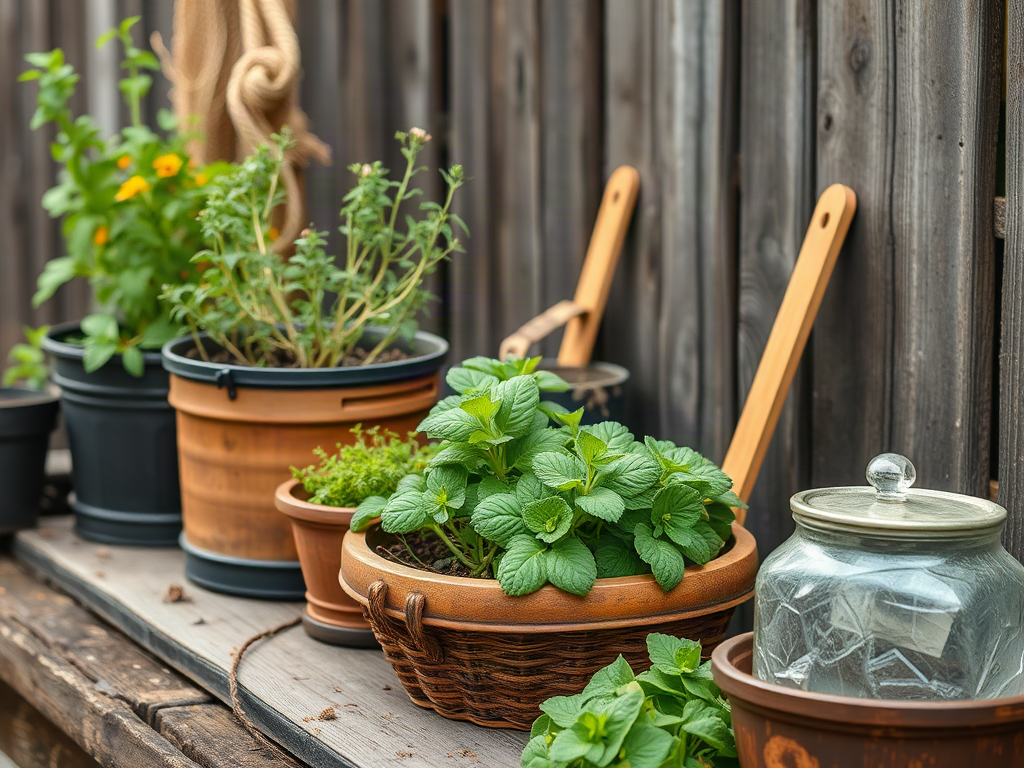
Small-space homesteading ideas for complete beginners work best when they focus on a few productive systems—container vegetables, herbs, composting, food preservation, and simple water management—rather than trying to recreate a full farm. Choose projects that match your sunlight, storage, time, and local rules, then begin with one growing area and one household skill. Fast crops such as lettuce, radishes, and herbs provide useful feedback, while perennial herbs and compact trellises improve long-term productivity. Avoid buying livestock or expensive equipment before measuring demand, maintenance, and output; limited space magnifies odor, waste, and watering problems. The aim is practical household resilience, not complete self-sufficiency.
Choose Projects That Fit Your Space
Small-space homesteading succeeds when the project matches the property rather than an idealized rural lifestyle. A balcony, townhouse yard, apartment patio, and small suburban lot each impose different limits on sunlight, weight, water access, noise, storage, and permission. Before buying supplies, observe the site at several times of day and record where direct light reaches during the growing season. A sunny eight-foot strip may be more useful for vegetables than a larger shaded yard.
Begin with an inventory of resources and restrictions. Note usable floor area, nearby taps, sheltered walls, drainage, indoor storage, and the distance between the kitchen and growing area. Check lease terms, neighborhood rules, and local requirements before adding structures, collecting rainwater, keeping poultry, or installing outdoor plumbing. A project that violates a rule or requires daily hauling may create more stress than food.
Productivity is not the only measure of value. Herbs that replace frequent store trips, seedlings that reduce seasonal expense, and a reliable compost routine may serve a beginner better than a large harvest of one crop. Compare a raised bed with fabric containers: a bed offers stable soil volume but costs more to build and occupies a fixed footprint; containers are movable and suitable for renters but dry faster and need more frequent feeding and watering.
A useful starting filter asks four questions: Can the project be maintained during a busy week? Can its waste be handled cleanly? Does it produce something the household actually uses? Can failure be corrected without a major expense? These questions rule out many attractive but unsuitable ideas. A compact growing shelf near a kitchen door may outperform a distant garden because observation and harvest become part of an existing routine.
Grow Food Vertically and in Containers
Containers and vertical supports provide the most accessible entry point because they separate growing experiments from the rest of the property. Use containers with drainage holes, a stable potting mix, and enough volume for the mature plant; a small decorative pot may work for chives but will stress a tomato or cucumber. Place heavy planters where they will remain, especially on balconies or raised surfaces, and confirm that the location can safely support their weight.
Match crops to space instead of forcing full-sized varieties into cramped conditions. Lettuce, arugula, radishes, scallions, bush beans, patio tomatoes, peppers, basil, parsley, and thyme are practical candidates. A trellis can move cucumber, pole beans, or a compact melon upward, but it must be anchored against wind and positioned so it does not shade shorter plants. Vertical growing saves floor area while increasing the need for tying, pruning, harvesting, and checking for pests.
Container gardening fails most often through inconsistent moisture. Small volumes heat and dry rapidly, while poorly drained pots stay saturated after heavy rain. Test moisture below the surface with a finger rather than watering by calendar alone. A saucer can protect a surface, but standing water should not remain around roots. Mulching the container surface with a thin layer of suitable organic material can slow evaporation, though it should not touch the stem closely.
Use succession sowing for crops that mature quickly. Instead of filling every container at once, plant a small amount of salad greens, then repeat after a short interval suited to the season. This spreads harvests and prevents a beginner from facing an unusable surplus. Keep a simple record of planting date, variety, sunlight, watering frequency, and harvest. If plants become tall and pale, light is probably inadequate; if leaves wilt repeatedly despite wet soil, drainage or root health may be the problem.
Do not assume purchased soil solves every growing issue. Potting mix can settle, nutrients can wash out, and repeated crops can exhaust a container. Refresh or replace part of the medium between seasons, clean reused pots, and avoid using unknown soil from construction areas or roadsides for food crops. A small, well-observed container collection usually teaches more than an ambitious arrangement that cannot be watered consistently.
Build Household Systems Beyond the Garden
Homesteading in a small footprint includes reducing waste, storing food sensibly, and improving household resource use—not only growing plants. Composting, seed saving, basic preservation, mending, and careful pantry rotation can provide meaningful benefits without requiring acreage. The right system is the one that fits the household’s actual waste stream and schedule.
Composting requires a controlled balance of moisture, air, and carbon-rich material. A small bin can process vegetable scraps, dry leaves, shredded cardboard, and coffee grounds, but it should not become a wet container of food waste. Chop large pieces, cover fresh scraps with dry material, and turn or aerate the contents when the mixture compacts. Meat, dairy, pet waste, and diseased plant material should be excluded unless the chosen system is specifically designed and managed for them. Finished compost should look dark and crumbly and smell earthy rather than sour.
Food preservation is useful when it reflects what the household already eats. Freezing chopped herbs, drying small quantities, making refrigerator pickles, and storing onions or winter squash in suitable conditions are more approachable than investing immediately in specialized canning equipment. Acidification, heat processing, and storage safety depend on the food and method; use tested instructions from a university extension or government food-safety source rather than improvising ratios. Preservation reduces waste, but it does not make unsafe handling acceptable.
Water efficiency deserves attention because containers may need frequent irrigation. Group plants with similar moisture needs, place thirsty crops closer to the tap, and use a watering can or hose nozzle that delivers water gently to the soil. A simple reservoir or drip system may save time, but it adds parts that can clog or leak. Hand watering is often the better first choice because it reveals wilt, insects, broken stems, and soil problems before they become expensive.
Small livestock are usually a poor first project for complete beginners unless space, local permission, shelter, feed storage, and daily care are already available. Chickens, rabbits, and bees produce manure, noise, odors, and recurring costs as well as food or useful materials. Compare that commitment with growing herbs and learning freezer or pantry preservation. A common mistake is measuring only the hoped-for output while ignoring feed, cleaning, veterinary care, seasonal heat, and the consequences of being away.
A Manageable First-Year Sequence
A staged first year limits expense and makes failures diagnosable. Begin by choosing one food-growing project and one supporting household system, such as four containers of herbs and greens plus a small compost bin. Keep the first setup visible and close to daily activity. The purpose of the first season is to learn the site’s light, wind, pests, watering demand, and household consumption patterns.
After several weeks, review evidence rather than adding more projects automatically. Which plants were harvested? Which containers dried too quickly? Did the household use the herbs, or did they bolt and go unused? Did the compost remain aerated, or did it attract flies? These observations identify the next investment. A shaded patio may justify mushroom cultivation only after researching the species and sanitation requirements, while a bright wall may favor a trellis or hanging herb planters.
A compact priority sequence can look like this:
- Measure: map light, water access, usable surfaces, and storage before purchasing equipment.
- Start: grow a few quick crops and one dependable herb in containers with drainage.
- Track: record watering, harvest, pest damage, and time spent each week.
- Support: add composting, preservation, or seed-starting only when the first routine is stable.
- Expand: repeat the crops that were eaten and reduce those that created work without value.
Budget for replacement and maintenance, not only initial construction. Trellis ties fail, containers crack, seedlings die, and irrigation fittings need cleaning. Buying the cheapest container can be false economy if it lacks drainage or becomes brittle in sunlight. Conversely, premium equipment is not automatically useful; a hand pruner, labels, a watering can, and a notebook may matter more than a complex automated system during the first season.
Use the same reasoning when adapting small-space homesteading ideas for complete beginners to an apartment or rental. Favor movable equipment, lightweight containers, and reversible improvements. Homeowners can consider a permanent bed or water-saving installation, while renters may gain more from modular planters, indoor seed-starting, and skills that transfer to any future property. The strongest sign of progress is not a crowded patio; it is a small set of systems that remain useful during busy weeks.
For reliable details on container growing, composting, preservation, and local growing conditions, consult publications from your state university extension service, the USDA, and recognized food-safety authorities. Their instructions can be more dependable than social-media recipes, particularly for preservation methods where acidity, temperature, and storage conditions affect safety. Readers can also compare these sources with their own records from small-space homesteading ideas for complete beginners projects before expanding.
Frequently Asked Questions
What is the easiest small-space homesteading project?
Grow a few herbs or salad greens in drained containers near a frequently used door. They mature relatively quickly and reveal whether light, watering, and harvesting routines are workable.
How much space is needed to begin?
A small patio, balcony corner, windowsill, or sunny strip can support a trial. Available light and access to water matter more than a specific square-foot requirement.
Should beginners keep chickens in a small yard?
Usually not as a first project. Confirm local rules, housing needs, feed storage, cleaning demands, predator risks, and daily-care obligations before considering poultry.
What containers work best for beginner food crops?
Use sturdy food-safe containers with drainage holes and enough volume for the mature crop. Fabric pots are portable and drain well, while rigid pots are often easier to clean and protect from wind.
How can a beginner avoid wasting money?
Start with a short crop list, reuse suitable containers, track harvests and watering, and expand only after a project proves useful. Avoid livestock and complex irrigation until routine maintenance is manageable.
Conclusion
Begin with the smallest setup that can teach you something: a few well-placed containers, crops your household eats, and a routine you can maintain during ordinary busy weeks. Light, water access, drainage, storage, and local rules should shape every choice. Add composting or simple preservation once the growing system is predictable, then use harvest records and time spent to decide what deserves more space. Resist the temptation to equate homesteading with livestock, elaborate infrastructure, or total self-sufficiency. In a compact home, resilience often comes from modest systems that reduce waste, supply familiar foods, and build transferable skills. Review the first season honestly, keep what worked, and expand only where the evidence supports it.