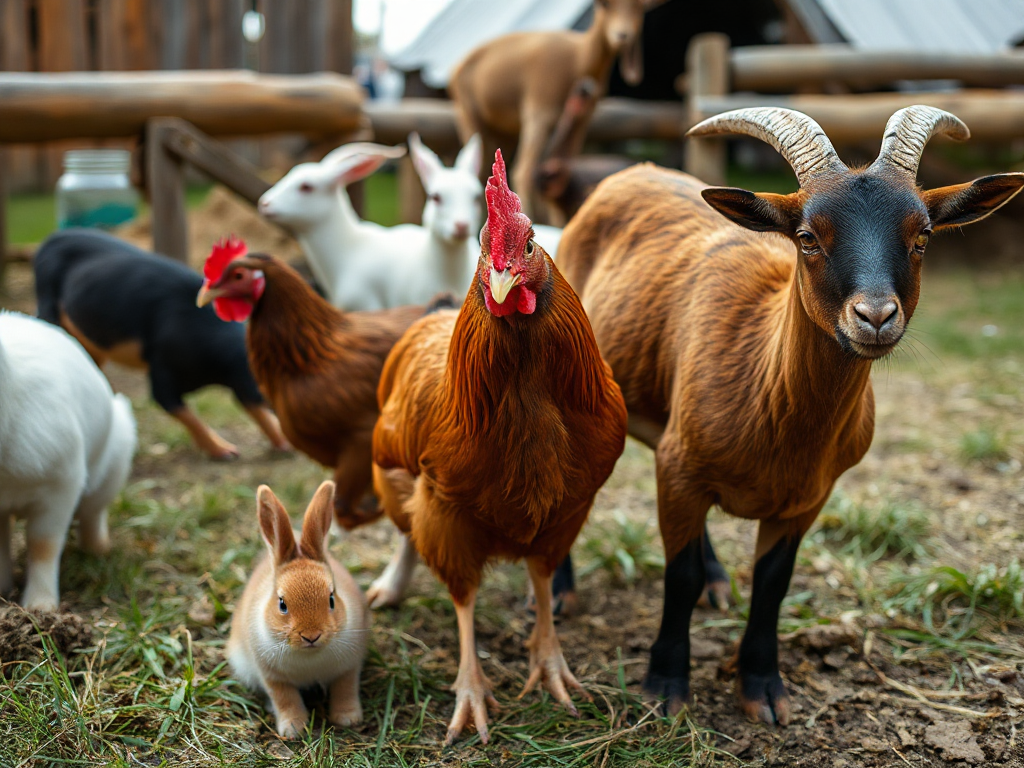
The best livestock for a small self-sustaining homestead are laying hens, meat rabbits, and carefully selected goats because they provide useful food with modest space, manageable feed needs, and multiple household benefits. Hens supply eggs and manure, rabbits convert forage and purchased feed into meat efficiently, and goats can provide milk or brush control when fencing and daily care are realistic. Ducks suit wet ground, while sheep or cattle usually demand more pasture, infrastructure, and winter feed than a small holding can support. Choose animals only after measuring available forage, water, shelter, fencing, slaughter or processing options, and the time required every day; livestock that exceed those limits reduce self-sufficiency rather than improve it.
Choosing Livestock by Homestead Limits
Small homesteads should choose animals by available feed, water, shelter, fencing, and daily labor rather than by the amount of food an animal could produce in ideal conditions. A productive animal still creates dependence if it needs more purchased grain, hay, veterinary support, or land than the household can reliably provide. The best fit is usually the species that supplies a useful product while leaving enough capacity to handle winter, illness, breeding, predator pressure, and vacation or workday interruptions.
Begin with an inventory of the property. Note usable pasture rather than total acreage, the quality and seasonality of forage, access to clean water, shaded and dry shelter, storage for feed, and a secure place for manure. A small wooded lot may offer browse for goats but little grass for sheep. A suburban-scale yard may accommodate hens and rabbits yet be unsuitable for dairy animals because of zoning, odor, fencing, or neighbor concerns. Local extension offices and agricultural agencies can help clarify livestock ordinances, biosecurity expectations, and humane processing options.
Food value is only one part of the calculation. Hens provide eggs, manure, and occasional meat, but they need protection from predators and a dependable source of calcium and protein. Rabbits reproduce quickly and require little space, but processing and breeding management may be uncomfortable for some households. Goats can supply milk and reduce brush, although they are skilled escape artists and require more substantial fencing than many beginners expect.
- Feed test: Identify what the animal eats in January, not only what it can graze in June.
- Labor test: Estimate morning and evening chores, including water checks, egg collection, bedding, and health observation.
- Failure test: Decide what happens if a fence breaks, a doe stops milking, or feed prices rise.
A common mistake is adding several species at once to create a diversified system. Diversity can spread risk, but it also multiplies housing, parasite management, feed storage, and breeding decisions. One well-managed poultry flock often contributes more to a small household than a collection of underbuilt pens and too many animals.
Hens, Rabbits, and Ducks for Compact Food Production
Laying hens are the strongest starting point for many compact homesteads because eggs are harvested frequently, require no slaughter for routine production, and fit into a relatively small secure run. Their manure can be composted with bedding, and spent garden plants may supplement—but not replace—a balanced ration. Hens work best when the coop is dry, ventilated, predator-resistant, and easy to clean. A difficult-to-access coop turns a simple daily task into a recurring burden.
Meat rabbits are efficient where space is tight and the household accepts the work of breeding, dispatching, cooling, and processing. They can be housed in hutches or colony systems, but either arrangement requires clean surfaces, shade, protection from extreme heat, and careful observation for respiratory or digestive problems. Rabbits are not a free-meat solution: breeding stock, pellets or forage, sanitation, and processing equipment still carry costs. Their advantage is a small physical footprint and a production cycle that does not require pasture.
Ducks may be preferable to chickens on damp ground or where the household values eggs with a different cooking profile. They are generally messy around water, and their wet bedding can create odor and disease problems if drainage is poor. Ducks also need protection from predators and a ration appropriate to their age and purpose. A shallow, cleanable water setup is often more practical than a large pond, which can become difficult to maintain.
Compare these options by the product you will actually use. A household that cooks eggs daily may gain more from hens than from rabbits. A household with limited yard space but access to affordable forage may prefer rabbits. A wet property with strong drainage and a willingness to manage muddy areas may suit ducks. Buying animals before answering that question is a frequent failure mode; unused eggs, unwanted breeding stock, and poorly planned processing quickly erase the claimed self-sufficiency.
Start with a deliberately small flock or breeding group and keep records for feed use, mortality, egg production, litter consumption, and time spent on chores. Those records reveal whether the system is producing food or merely consuming inputs. Expansion should follow demonstrated capacity, not optimism about future harvests.
Goats, Sheep, and Larger Grazers
Goats can be valuable on a small homestead when the property has browse, secure fencing, and a clear use for milk, meat, or brush reduction. They prefer woody plants and varied vegetation rather than a lawn-like pasture, but they still need appropriate minerals, clean water, shelter, and supplemental feed when forage declines. Dairy goats also create a daily milking schedule, which can be more restrictive than new owners anticipate. Milk handling requires clean equipment, rapid cooling, and compliance with applicable local rules.
Sheep are often calmer grazers than goats and may fit a property with suitable grass, but they bring their own management demands. Fencing must discourage escapes and predators, and the flock requires attention to hoof condition, body condition, parasites, lambing, and seasonal feed. Sheep are a poor choice for a small parcel that cannot provide enough forage or a practical plan for buying and storing hay. Their grazing behavior may also complement gardens less easily than poultry manure or rabbit compost.
Cattle generally provide more meat or milk per animal, but they are rarely the first choice for a genuinely small self-sustaining homestead. Their fencing, handling facilities, winter feed, water volume, manure management, and veterinary risks require substantial infrastructure. A single animal can also create a breeding and processing problem: keeping one cow does not create a self-replacing herd, while keeping multiple cattle may exceed the land base.
Goats are not automatically easier than cattle, and small livestock are not automatically low-maintenance. A goat that repeatedly defeats fencing can consume more time than a properly contained sheep flock. A sheep flock without enough pasture can require purchased hay for much of the year. The right comparison is not animal size but total system load.
Choose a grazing species only after walking the property through its worst season. Check whether forage remains available, whether muddy areas can be protected, and whether you can isolate a sick animal. If brush control is the main objective, temporary goat browsing may be more sensible than maintaining a permanent dairy herd. If household meat is the priority and pasture is limited, rabbits or poultry may deliver a better return on space and infrastructure.
Building a Livestock Plan That Holds Up
A durable livestock plan begins with one primary output and one manageable species. Eggs, meat, milk, manure, and brush control each require different breeds, housing, feed, and schedules. Combining every output at once creates competing priorities: dairy animals need regular milking, meat animals need a processing plan, and manure systems need enough carbon bedding and space to compost safely.
Use a staged approach. First, confirm local rules, predator controls, water access, feed storage, and a veterinarian or knowledgeable livestock resource. Next, build housing and fencing before purchasing animals. Then run the smallest practical group through a full seasonal cycle. Expansion makes sense only when the household can maintain condition, cleanliness, and records without routinely postponing chores.
A compact priority checklist is useful:
- Match the animal to the property’s worst forage and weather period.
- Budget for purchased feed, replacement stock, bedding, repairs, and unexpected care.
- Plan manure movement so it improves the garden instead of polluting water or attracting pests.
- Arrange processing, preservation, and storage before raising meat animals.
- Keep a backup plan for drought, illness, predator loss, or temporary absence.
Breeding deserves special caution. Reproduction can lower the cost of replacement animals, but it also creates surplus males, seasonal feed demands, and a need for humane culling or rehoming. Buying young animals without knowing their mature size can overload a small property within a year. Likewise, relying on kitchen scraps or garden waste as the main ration can produce deficiencies and poor growth; livestock diets should be based on species-appropriate feed, with supplements used thoughtfully.
Signs the plan is working include stable body condition, clean water and bedding, predictable feed use, manageable manure, and chores completed without constant emergency fixes. Warning signs include recurring escapes, damp housing, unexplained weight loss, rising feed bills, neglected fencing, or animals kept mainly because selling or processing them feels difficult. Those signals call for reducing numbers or changing species, not simply building another enclosure.
Internal planning should connect livestock with the rest of the property. A poultry run can be rotated away from garden beds, rabbit manure can be composted before use, and grazing areas can be protected from erosion. Readers comparing land requirements can also review Best livestock for a small self-sustaining homestead alongside a separate feed and garden plan. The goal is a balanced flow of feed, labor, manure, and food rather than the largest possible animal inventory.
A Practical Starting Combination
For many beginners, a modest combination of laying hens plus either rabbits or a small duck flock offers a sensible first stage. Hens provide frequent food and garden fertility, while rabbits add meat without demanding pasture. Ducks become attractive when wet conditions, egg preferences, or slug pressure make them more suitable, although their water and bedding management must be planned carefully.
Add goats only when the household specifically wants milk or has a genuine brush-management need and can install dependable fencing. Add sheep when grass, predator protection, and seasonal feed storage are already proven. Treat cattle as a later-stage enterprise requiring land, handling infrastructure, and a reliable plan for feed and veterinary care. This progression is not a universal ranking; it reflects the way infrastructure and daily obligations tend to accumulate.
Before purchase, spend several weeks tracking household egg and meat use, available chore time, and likely feed sources. Visit a working small farm if possible, paying attention to unpleasant tasks rather than only healthy animals in a clean paddock. Ask how winter feed is stored, what happens to surplus young, and how sick animals are separated. Those answers expose practical costs that breed descriptions often leave out.
The most useful livestock system is one the household can sustain during bad weather, busy work periods, and disappointing production seasons. A smaller flock with reliable care generally produces safer, more usable food than a crowded collection chosen from a wish list. For broader property planning, connect animal selection with Best livestock for a small self-sustaining homestead and review the plan whenever land, feed prices, or household needs change.
For current husbandry, zoning, feed, and animal-health guidance, consult your state or provincial agriculture department, local university extension service, and recognized livestock organizations. These sources can provide region-specific information that generic breed lists cannot, particularly for pasture conditions, parasite pressure, weather, and legal requirements.
Frequently Asked Questions
What is the easiest livestock for a small homestead?
Laying hens are often the easiest first livestock because they provide regular eggs, need limited space, and do not require breeding or slaughter for routine production. Secure housing and dependable feed remain necessary.
Are goats suitable for a small self-sustaining homestead?
Goats may suit a small homestead with browse, strong fencing, shelter, and a clear use for milk, meat, or brush control. They are a poor fit when daily milking or repeated fence repairs would be impractical.
Which livestock require the least land?
Rabbits and poultry generally require less land than sheep, goats, or cattle because they can be managed in secure housing. Their feed still requires storage, money, or reliable forage inputs.
Can livestock make a homestead fully self-sufficient?
Few small holdings produce every feed, mineral, medical, and replacement input. Livestock can reduce dependence on outside food while still requiring purchased supplies and occasional professional care.
Should beginners raise several species?
Usually, beginners should establish one species first and complete a full seasonal cycle before adding another. This reveals actual labor, feed, fencing, and manure demands before the system becomes difficult to correct.
Further Reading
Authoritative Sources
- Academy of Nutrition and Dietetics
eatright.orgProfessional nutrition guidance, healthy eating resources, and practical dietitian-reviewed advice.
- U.S. Department of Agriculture
usda.govOfficial food, nutrition, agriculture, and consumer guidance from the USDA.
- NIH Office of Dietary Supplements
ods.od.nih.govResearch-based fact sheets on nutrients, supplements, dietary intake, and safety considerations.
- International Society of Sports Nutrition
sportsnutritionsociety.orgEvidence-informed sports nutrition resources and position stands for active people and athletes.
Conclusion
The best livestock choice is determined by the homestead’s limiting resource: land, forage, water, infrastructure, money, or daily time. Hens are a practical entry point for eggs and manure, rabbits make efficient use of limited space for meat, and ducks can fit wet properties when drainage and bedding are controlled. Goats and sheep become worthwhile only when fencing, forage, winter feed, and animal care are already manageable; cattle usually belong in a larger, better-equipped system.
Measure the property through its hardest season, identify the food or service you genuinely need, and build housing before buying animals. Start with a small group, record feed and labor, and expand only when health, cleanliness, and chores remain predictable. Reducing numbers is a sound management decision when the system begins consuming more resources than it returns.