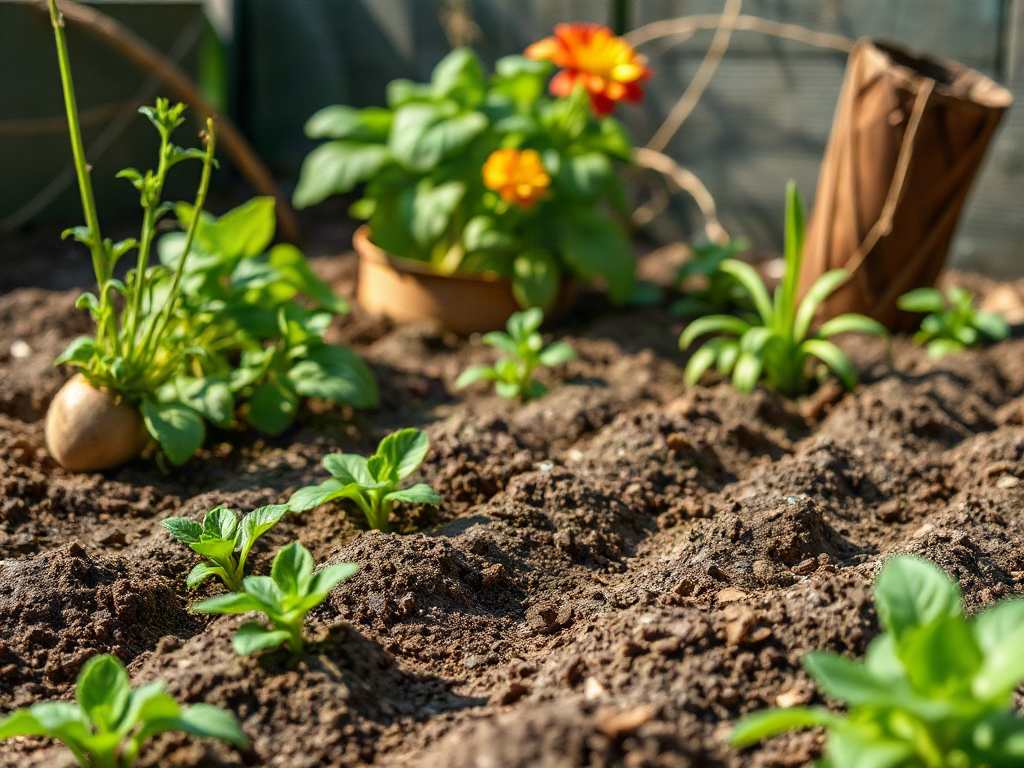
Beginners should start planting a homestead garden when local soil has warmed enough for the selected crops and the final hard frost has passed, using a staggered schedule rather than one planting day. Cool-season vegetables such as peas, spinach, and onions can often go in several weeks before the last frost, while tomatoes, peppers, beans, cucumbers, and squash usually need warmer soil and frost protection. Check your local frost dates, measure soil temperature when relevant, and prepare beds before planting. Starting too early can cause weak growth, seed rot, or frost damage; waiting slightly longer is usually safer than rushing warm-season crops into cold ground.
Read Frost Dates as a Planning Range
Planting dates for a homestead garden should be based on the local last spring frost, but that date is a risk estimate rather than a guaranteed appointment. A frost-date calendar gives beginners a useful starting point, while the actual decision also depends on overnight temperatures, soil condition, wind exposure, elevation, and the crop being planted. A sheltered garden beside a south-facing wall may warm earlier than an open field, while a low area can collect cold air after nearby ground has warmed.
Use the expected last frost as a reference point, then divide crops into cool-season and warm-season groups. Peas, radishes, spinach, lettuce, kale, and many onions tolerate cool conditions and can usually be planted before the frost-free date. Tomatoes, peppers, cucumbers, melons, beans, and summer squash are more vulnerable because cold nights slow growth and frost can kill tender foliage. When should beginners start planting a homestead garden is therefore answered by a sequence of dates, not a single weekend.
Weather forecasts matter most during the week of planting. A forecast showing several nights near freezing deserves more caution than a calendar date that has technically passed. Keep row cover, cloches, or clean buckets available for a small garden, but do not treat protection as permission to plant every warm-season crop early. Covering plants can reduce frost exposure, yet it does not fully correct cold soil, wet beds, or a prolonged cold spell.
A beginner-friendly rule is to plant hardy crops first, tender crops later, and leave space for replanting. If an early row of lettuce performs well, sow another short row a week or two later. If beans emerge poorly after a cold rain, the empty space can be replanted without disrupting the entire garden. This approach trades a little convenience for better information and fewer costly failures.
Match Planting Time to Crop and Soil
Soil temperature and crop tolerance often matter more than the air temperature on one warm afternoon. Seeds need a suitable combination of moisture, warmth, and oxygen to germinate. Cold, saturated soil can delay emergence or encourage seed decay, especially for beans, cucumbers, squash, and corn. A sunny day does not necessarily mean the planting bed has reached the conditions those crops need.
Cool-season crops can be sown as soon as the soil is workable: it should crumble rather than smear into a wet ball. Root crops such as carrots and beets also benefit from early planting, but their seeds need a fine, evenly moist surface and may emerge slowly. Direct-sown peas can tolerate cool ground, whereas pepper seeds and transplants require much more warmth. Checking a crop’s seed packet instructions or a regional university extension planting chart is more reliable than copying a neighbor’s calendar.
Transplants create a second timing question. A tomato started indoors may be large enough to plant, but a large transplant placed into cold soil can stall and suffer more than a smaller plant moved outside at a better time. Harden seedlings by gradually exposing them to outdoor conditions over several days. Move them into the garden after the frost risk has fallen and nighttime temperatures are suitable for the crop. A cold frame can widen the transition window, although it adds monitoring and ventilation work.
Use this simple comparison when deciding what belongs in the ground:
- Cool-season vegetables: plant earlier, tolerate light frost, and often prefer spring’s moderate temperatures.
- Warm-season vegetables: wait for warmer soil and stable nights; protect only when the extra labor is manageable.
- Perennial herbs or fruit plants: follow local nursery and regional guidance because establishment, not just frost, determines success.
The common mistake is treating every seed packet as if it belongs to the same planting window. A homestead garden usually works better when its schedule reflects crop biology, not a single “opening day.”
Prepare the Garden Before Seeds Go In
Bed preparation should begin before the preferred planting date because workable soil, irrigation, and weed control determine whether an early start is useful. Remove persistent weeds while they are small, mark permanent paths, and confirm that water can reach the farthest bed without excessive carrying. A garden planted before these basics are settled may germinate successfully but become difficult to maintain once several crops need attention at once.
Test the soil if the site is new, has been heavily amended, or has an uncertain history. A soil test can identify pH and nutrient concerns more accurately than adding a general fertilizer by guesswork. Excessive compost or manure may create nutrient imbalances, introduce weed seeds, or make a bed hold too much water. Use finished compost sparingly when appropriate, and avoid working wet soil because compaction can restrict roots and drainage.
Think about the garden’s exposure during the preparation stage. Most vegetables need a location with dependable sunlight, reasonable drainage, and protection from damaging wind. A spot that looks sunny in early spring may be shaded later by trees or buildings. Observe the area at different times of day if possible. Also notice where water sits after rain; a low patch may be acceptable for moisture-tolerant greens but frustrating for root crops and warm-season plants.
Scale is a major beginner constraint. A smaller, well-tended bed can produce more usable food than a large plot overtaken by weeds. Before expanding, make sure you can water, mulch, inspect, harvest, and preserve what is already growing. The same principle applies to homestead garden timing: a modest early planting gives you a manageable test of drainage, fertility, pests, and available labor.
A practical pre-planting check includes these priorities:
- Confirm the bed is workable rather than muddy.
- Identify the expected frost window and a backup protection method.
- Choose crops that match available sunlight, water, and time.
- Prepare labels, supports, mulch, and a way to record planting dates.
Skipping preparation to gain a few days rarely pays off. The garden’s first week should be spent establishing healthy conditions, not repairing avoidable soil and watering problems.
Build a Staggered First-Year Planting Schedule
A staggered schedule gives beginners several chances to learn what their site does. Instead of planting the entire garden immediately, divide it into waves based on crop hardiness and harvest timing. The first wave might include peas, radishes, spinach, lettuce, and onions. Once those beds are established and the weather settles, add carrots, beets, potatoes, or brassicas as appropriate for the region. Warm-season crops come later, after cold soil and frost are no longer the main risks.
Succession planting is especially useful for quick crops. Sowing a small amount of radish or salad greens at intervals can prevent a single overwhelming harvest and reveal how quickly the garden dries or warms. It also limits the consequences of a bad planting. If one sowing is washed out or eaten by birds, the next row provides another opportunity. Do not succession-plant every crop automatically; long-season tomatoes and storage crops may need a different layout and harvest plan.
Consider household use before choosing quantities. A family that eats salads regularly may want repeated lettuce plantings, while a household that wants winter storage may prioritize potatoes, onions, dry beans, or preserved tomatoes. Growing a large amount of an unfamiliar vegetable creates waste rather than resilience. Trial a few varieties first, then increase the ones that perform well and fit your kitchen habits.
Record the date, variety, weather, germination, pest damage, and harvest. These notes become more valuable than a generic calendar because they show how your particular property behaves. For example, if the north side of a bed remains cold two weeks longer than the south side, next year’s planting can reflect that difference. If direct-sown cucumbers repeatedly fail in cool soil, wait longer or use a protected start rather than simply sowing more seed.
The alternative to staggered planting is a single large push, which may feel efficient but concentrates risk. A late frost, heavy rain, or an unexpected work commitment can affect every bed simultaneously. Smaller waves require more planning and labeling, yet they spread labor and improve the quality of decisions made later in the season.
Recognize Early-Season Mistakes
The most common early-season mistake is confusing calendar readiness with garden readiness. A date on a planting chart cannot tell you whether your soil is waterlogged, whether the forecast has turned cold, or whether you have time to protect tender plants. Watch the garden itself: healthy seedlings emerge steadily, leaves maintain good color, and the soil drains without forming a hard crust. Slow emergence, pale growth, repeated damping-off, or missing seedlings signal that conditions need attention.
Planting too deeply is another avoidable problem, particularly with small seeds. Follow the packet’s depth guidance and keep the surface evenly moist until emergence. Heavy watering can move seeds, expose roots, and form a crust; light, frequent checks are often better during germination. Once plants are established, deeper and less frequent watering may encourage roots to occupy more of the bed, but the right pattern still depends on soil, weather, and crop size.
Beginners sometimes overreact to a cold night by covering plants with plastic directly against the leaves. That can cause cold injury where the material touches foliage and may trap excessive heat when the sun returns. Use a support structure for covers, remove protection when temperatures rise, and secure the edges against wind. If a freeze is expected to be prolonged, moving containers indoors or delaying transplanting may be safer than relying on improvised protection.
Another failure mode is adding fertilizer whenever plants look weak. Poor growth can result from cold roots, compacted soil, drought, root damage, or disease, and extra fertilizer does not correct all of those causes. Inspect moisture, drainage, leaf condition, and root-zone temperature before changing inputs. Extension offices and university horticulture resources can help identify regional pest and disease patterns without encouraging unsupported treatment claims.
Use the garden’s response to adjust rather than judge the whole season. Replant a failed short row, thin crowded seedlings, add mulch after the soil has warmed, and reserve ambitious experiments for a small area. A reliable beginner planting schedule is one that can be revised when weather and workload change.
Frequently Asked Questions
Should beginners plant a garden on the first warm spring day?
No. One warm day does not eliminate frost risk or warm the soil enough for tender crops. Start with hardy vegetables when the soil is workable and reserve warm-season plants for stable conditions.
How do I find my local planting date?
Use a regional frost-date resource, then compare it with local extension recommendations and your property’s exposure. Frost dates are estimates, so check the short-range forecast before planting tender crops.
Which vegetables can go in before the last frost?
Peas, spinach, lettuce, radishes, kale, and some onions commonly tolerate cool spring conditions. Confirm the variety’s instructions and avoid working soil while it is wet.
Is starting seeds indoors better for a beginner?
Indoor starting can extend the season for tomatoes, peppers, and other tender crops, but it requires adequate light, watering, hardening off, and transplant timing. Buying a few healthy transplants may be simpler for a first attempt.
What should I do if frost damages young plants?
Wait before removing damaged foliage, because stems may remain viable. Protect surviving plants from additional cold, assess new growth over several days, and replant quick crops if recovery is poor.
Further Reading
Authoritative Sources
- U.S. Department of Agriculture
usda.govProvides agricultural and regional information that can complement local guidance when planning a homestead garden
- Oregon State University Extension Gardening
extension.oregonstate.eduOffers research-based gardening information, including crop planning and local growing considerations
- University of Minnesota Extension Yard and Garden
extension.umn.eduContains practical guidance on vegetable gardening, weather conditions, soil, and plant care
Conclusion
Beginners do not need to identify one perfect planting day. A dependable homestead garden grows from matching each crop to local frost risk, soil condition, and the time available for care. Plant hardy vegetables first, delay tender crops until soil and nighttime temperatures cooperate, and use small planting waves so a cold snap or failed row does not consume the season. Prepare water access, paths, labels, and a manageable bed before sowing. Keep notes on dates, weather, germination, and harvest, because those observations will refine next year’s schedule more accurately than a generic calendar. The best next step is to check local frost information, choose a short list of suitable crops, and prepare the first cool-season bed rather than planting everything at once.