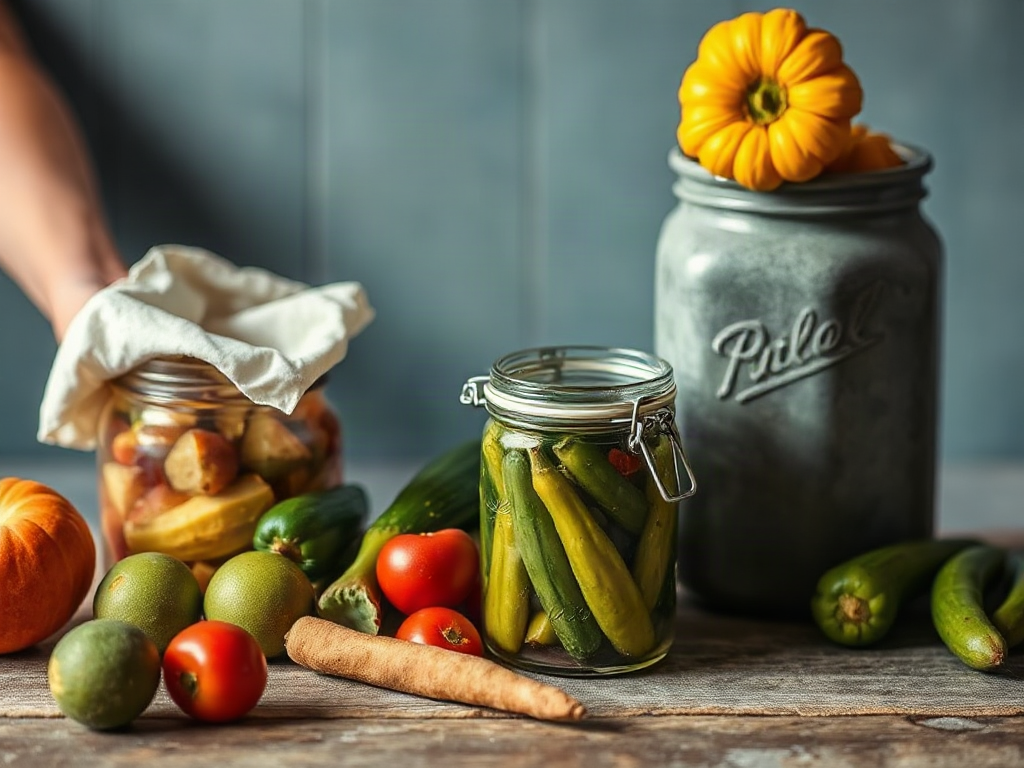
Beginners can preserve a small harvest by sorting produce promptly, matching each food to freezing, drying, refrigeration, or a tested pickling method, and packaging portions they will actually use. Tender vegetables such as green beans usually need brief blanching before freezing, while herbs and thin fruit pieces often work well when dried thoroughly. High-acid foods can be pickled in small batches, but shelf-stable canning requires a tested recipe, correct acidity, and reliable heat processing rather than improvised proportions. Clean equipment, moisture-resistant storage, clear dates, and quick action after harvest reduce quality loss and spoilage. When the quantity is modest, simple freezer or refrigerator methods are often safer and more practical than buying specialized canning equipment.
Match Each Food to a Preservation Method
The best preservation method depends on the food’s water content, texture, acidity, and the amount available. A small harvest does not need to be forced into one technique. A handful of basil may become frozen herb portions, a few extra tomatoes may be refrigerated for immediate use, and surplus cucumbers may become a small batch of refrigerator pickles. Separating the harvest by condition and intended use prevents the common mistake of treating every vegetable as though it will respond equally well to freezing or canning.
Freezing generally retains fresh flavor and is practical for vegetables that will later be cooked. Blanching some vegetables briefly in boiling water, followed by rapid cooling, slows enzyme activity that can otherwise damage color, flavor, and texture during freezer storage. Drying removes enough moisture to make food less hospitable to spoilage organisms, but it works best when pieces are cut evenly and stored only after they are fully dry. Pickling changes acidity and flavor, making it especially useful for firm vegetables, although refrigerator pickles and shelf-stable canned pickles are not interchangeable.
Think about the meal that will use the preserved food. Frozen chopped peppers can go directly into soup, while dried mint may be more useful for tea or seasoning. Soft berries may freeze attractively but can thaw mushy; that is acceptable for smoothies, sauces, or baking but less suitable for a fresh fruit plate. A modest harvest is often best divided among two methods rather than preserved in one large batch.
Use small-harvest preservation notes to compare methods as you work. The priority is not maximum shelf life at any cost; it is a safe, realistic result that fits your freezer space, cooking habits, time, and equipment.
Prepare a Small Harvest Before Quality Declines
Preservation begins at harvest, because heat, bruising, and delay continue to reduce quality after produce is picked. Harvest clean, sound food at a suitable stage of ripeness, remove damaged pieces, and move the usable portion out of direct sun. A cracked tomato or moldy berry should not be mixed with otherwise sound produce simply to avoid waste. Trimming cannot reliably make spoiled food safe.
Do not wash every item automatically if it will be stored dry for a short time, especially delicate berries that can deteriorate faster when wet. For produce that must be washed before processing, use clean running water and dry it thoroughly where the selected method requires low surface moisture. Soil should not be carried into blanching water, drying trays, or storage containers. Clean hands, cutting boards, knives, and containers matter more than elaborate equipment.
Sort by processing time. Leafy herbs and tender greens lose quality quickly, while firm root vegetables may tolerate a short delay if stored appropriately. Keep a simple note of the harvest date, preparation method, and package size. That record helps identify whether a problem came from excessive moisture, overlarge portions, poor sealing, or an unrealistic storage period.
A useful preparation sequence is:
- Inspect and discard moldy, leaking, badly bruised, or insect-damaged pieces.
- Separate foods by method and intended use rather than by appearance alone.
- Cut pieces to a consistent size so heating or drying occurs evenly.
- Prepare containers, labels, cooling space, and ice or cold water before starting.
Small quantities make this stage easier, but they also tempt beginners to postpone processing until the next day. That delay is often more damaging than the choice between two sound methods. If time is short, refrigerate clean, intact produce temporarily or freeze an appropriate item rather than leaving it warm on a counter.
Freezing Vegetables and Herbs in Usable Portions
Freezing is often the most approachable option for a small harvest because it requires little specialized equipment and allows flexible batch sizes. Vegetables such as green beans, peas, and many leafy greens usually benefit from brief blanching before freezing. The heat treatment slows quality loss, while rapid cooling stops the cooking process. Exact blanching times vary by food and cut size, so a tested food-preservation chart is preferable to guessing.
After blanching, cool the food promptly in very cold water, drain it well, and remove surface moisture before packing. Excess water becomes ice, encourages freezer burn, and can produce a limp texture after thawing. Spread pieces in a single layer first if you want them to remain separate, then transfer them to labeled freezer bags or containers. Press out excess air without crushing delicate food.
Package size determines whether frozen food remains convenient. A beginner who freezes an entire small harvest in one solid block may save time initially but create waste later when only a cup is needed. Flat packages stack efficiently and thaw faster. Label the food and date, and choose portions based on normal meals: a small bag of chopped peppers, several servings of blanched beans, or individual spoonfuls of herb paste.
Herbs need a different expectation. Tender herbs may be frozen chopped with a little water or oil in small compartments, then transferred to a labeled container. The result is usually better for cooked dishes than garnishing. Dry herbs preserve a different flavor and occupy less freezer space, so the choice depends on how you cook.
Freezing does not improve poor-quality produce. Foods that were already limp, bruised, or warm may thaw with disappointing texture. That does not always make them unusable, but it may shift their best application toward soups, sauces, casseroles, or baked dishes. A portion-based harvest routine keeps the freezer from becoming a collection of unidentified packages that no one wants to use.
Drying, Refrigerating, and Pickling Without Waste
Drying suits small amounts of herbs, thin fruit slices, mushrooms, and other foods that can lose moisture evenly. A dehydrator offers controlled airflow and temperature, but an oven or well-ventilated indoor setup may work for suitable foods if the manufacturer or a trusted preservation source gives clear directions. Pieces should be similar in thickness, trays should not be crowded, and food should be cooled before judging its final texture. Warm food can seem softer than it will be once cool.
Under-dried food is a storage risk because hidden moisture can support mold inside a sealed container. Over-dried food may be safe but brittle, dark, or less pleasant to eat. After drying, condition the food in a clean container for several days, checking for condensation or clumping. If moisture appears, return the food to the dryer or use it promptly rather than sealing it away. Store fully dry food in an airtight container away from heat and light.
Refrigeration is underrated for a small harvest. It may be the best choice when only a few days of supply remain or when the quantity does not justify a full preservation session. Refrigerated pickles are a good example: they can deliver the flavor and crunch of pickling without the claim of being shelf-stable. Keep them cold and follow a reliable recipe. Do not store an improvised low-acid mixture at room temperature.
Pickling requires attention to acidity, salt, heat, and the food’s density. Vinegar, water, and vegetable proportions should come from a tested recipe rather than personal preference when preservation safety matters. Changing the amount of vinegar or diluting brine can change the final acidity. Small-batch pickling is convenient, but a smaller jar does not automatically make an untested formula safe for pantry storage.
Choose drying when compact storage and seasoning value matter; choose refrigeration when the food will be eaten soon; choose tested canning only when you need shelf storage and can follow the process precisely. This comparison prevents a common misconception: preservation is not simply about making food last longer, but about controlling moisture, temperature, acidity, and exposure in a method suited to the food.
Storage Checks, Food Safety, and a Simple Beginner Workflow
Safe storage depends on maintaining the conditions created during processing. Frozen packages need a consistently cold freezer and tight seals. Dried foods need protection from humidity. Refrigerated foods need prompt chilling and clean containers. Shelf-stable canned foods need an appropriate tested process, intact seals, and a cool, dark storage area. A label with the food name and date is a basic control, not a cosmetic extra.
Inspect stored food before using it. Discard food with mold, fermentation that was not intended, leaking containers, broken seals, unusual bubbling, or an offensive odor. Do not taste questionable food to decide whether it is safe. For canned foods, a sealed lid alone does not prove that the contents were processed safely; the recipe, acidity, processing method, and altitude-related instructions can all matter.
A practical beginner workflow is to preserve the most perishable items first, use the least complicated suitable method, and make a quantity small enough to finish within your normal eating pattern. For example, process herbs immediately, blanch and freeze a bowl of beans, refrigerate a few tomatoes for near-term meals, and pickle only the cucumbers that will fit comfortably in one tested batch. This approach reduces equipment pressure and gives useful feedback before a larger harvest arrives.
Signs that the system is working include firm freezer packages without heavy ice buildup, dried food that remains loose rather than damp or clumped, and labels that make older portions easy to find. Warning signs include repeated thawing, condensation in dried-food containers, overloaded trays, and packages too large to use at once. Correct those process problems before preserving more food.
For beginners, the best preservation plan is usually a short priority list:
- Protect quality by processing delicate produce promptly.
- Use freezing or refrigeration when the batch is small and pantry storage is unnecessary.
- Reserve drying for foods that can become evenly dry and are likely to be used.
- Use only tested canning or pickling directions for shelf-stable storage.
- Label every package and review older food before adding new batches.
For more practical planning, keep your preservation record beside the freezer or pantry. Notes about texture, portion size, and actual use are more valuable than trying to preserve every surplus item.
Frequently Asked Questions
What is the easiest preservation method for a very small harvest?
Refrigeration or freezing is usually the simplest choice because both work well for small portions and require less equipment than canning. Select the method based on how soon you expect to eat the food.
Should vegetables be blanched before freezing?
Many vegetables benefit from brief blanching because it slows quality loss during freezer storage. Use food-specific guidance for timing, then cool and drain the vegetables thoroughly before packing.
Can beginners dry herbs without a dehydrator?
Some herbs can be dried using a suitable low-heat, well-ventilated method, provided they become fully dry before storage. If they remain soft, damp, or clumped, continue drying or use them fresh.
Are refrigerator pickles safe to keep in the pantry?
No. Refrigerator pickles are designed to stay cold and should not be treated as shelf-stable unless they were made and processed with a tested canning method.
How should preserved food be labeled?
Write the food name, preparation method, and date on each package or jar. Portion details can also help you choose older food and avoid thawing more than a meal requires.
Conclusion
A small harvest is easier to preserve when the method follows the food rather than the other way around. Process delicate produce promptly, freeze vegetables in meal-sized portions, dry only food that can become thoroughly moisture-free, and keep refrigerator pickles cold. Shelf-stable pickling or canning deserves extra caution: use tested directions and do not alter acidity or processing steps casually. Clean preparation, quick cooling, dry packaging, labels, and regular storage checks do most of the practical work. Begin with one modest batch, record how the texture and portions perform in real meals, and adjust the next harvest accordingly. A simple method that gets eaten is more successful than an ambitious batch that consumes time, space, or confidence.