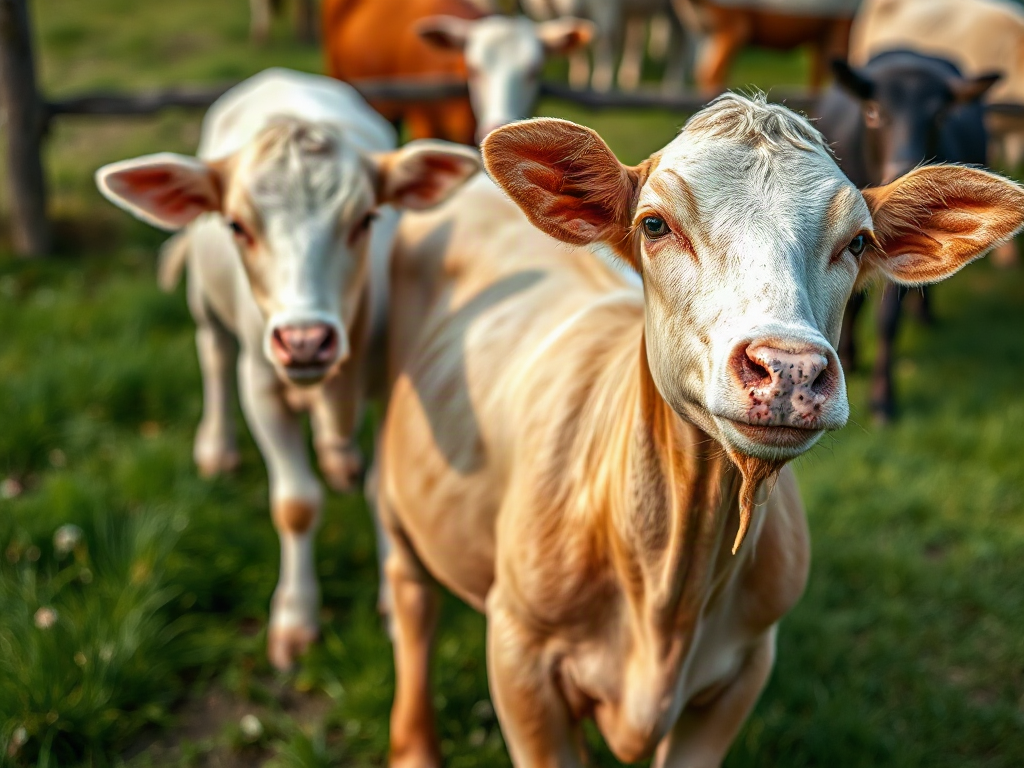
Recognizing dehydration in beginner-kept livestock requires comparing an animal’s normal behavior with changes in drinking, appetite, alertness, manure or urine output, eye appearance, and mouth moisture. Dry or tacky gums, sunken eyes, weakness, reduced output, and skin that returns slowly after a gentle pinch may indicate a worsening fluid deficit, but no single sign confirms severity across every species. Move the animal into shade, provide clean and species-appropriate water, check whether it can swallow normally, and contact a veterinarian promptly when signs are pronounced. An animal that cannot stand, refuses water, has persistent diarrhea, or appears disoriented needs urgent professional assessment rather than forced drenching.
Early Signs That Deserve Attention
Behavioral change often appears before a beginner can confidently interpret a physical test. An animal that normally approaches feed but remains apart, moves reluctantly, spends unusual time near a water source, or stops competing with its group deserves a closer look. Heat, pain, infection, digestive illness, and social stress can produce similar behavior, so the goal is not to diagnose dehydration from a distance. The goal is to identify a meaningful departure from that individual animal’s routine and investigate promptly.
Reduced feed intake matters because eating and drinking are closely connected in cattle, sheep, goats, pigs, rabbits, and poultry. Ruminants consuming dry hay need water to support normal rumen function, while lactating animals lose additional fluid through milk. Poultry may reduce feed consumption during hot weather while increasing water use. A sudden drop in both intake and manure production is therefore more concerning than a single skipped visit to the trough.
Output supplies useful context. Manure may become scant, dry, or unusually firm when fluid intake falls, although diarrhea can cause dehydration while leaving manure loose. Urine may be less frequent or appear more concentrated than usual. These observations are easiest when an animal is briefly separated in a safe pen with known feed and water access. In a group enclosure, one wet patch or one pile of manure cannot be confidently assigned to a particular animal.
Eyes that look recessed, a dry mouth, dullness, weakness, and a rapid decline in activity can accompany a larger fluid deficit. Poultry may hold their wings away from the body and pant during heat stress; pigs may pant and seek wet or cool surfaces. Panting identifies heat load, not dehydration by itself, but continued evaporative loss raises concern when water access is inadequate.
Use a short observation sequence rather than relying on intuition:
- Watch posture, breathing, movement, and interaction before handling the animal.
- Confirm whether it is actually drinking rather than merely standing near water.
- Compare appetite, manure, urine, and production with that animal’s recent pattern.
- Inspect the water source for flow, cleanliness, temperature, obstruction, and dominant animals blocking access.
A common mistake is waiting for dramatic collapse because the trough still contains water. A full trough does not prove that a timid goat can reach it, a nipple drinker is flowing, or an ill animal can swallow. Effective recognition of dehydration signs in beginner-kept livestock begins with verifying use, not merely availability.
Hands-On Checks and Their Limits
Physical checks become more useful when several findings agree. Start with quiet observation, then restrain the animal only if it can be done safely and without prolonged exertion. Stressful chasing increases heat production and may alter breathing and heart rate, making an already compromised animal worse. Beginners should ask an experienced livestock veterinarian or knowledgeable handler to demonstrate species-appropriate restraint before an emergency occurs.
Inspect the mouth where handling is safe. Gums and oral tissues are normally moist; dryness or a tacky feel may support concern about fluid loss. Mouth appearance can be misleading after eating dry feed, breathing with an open mouth, or exposure to dust. Pale, blue-tinged, very dark, or otherwise abnormal membranes can signal problems beyond simple dehydration and justify veterinary advice.
The skin-tent check involves gently lifting a small fold of skin and noting how quickly it settles. Delayed return may be consistent with dehydration, but test location and interpretation vary by species, age, body condition, and skin elasticity. Loose-skinned, older, or very thin animals can produce confusing results. Feathers, wool, and thick hair also make the test harder to perform accurately. Treat it as one clue alongside mouth moisture, eye position, intake, output, and demeanor—not as a numerical measurement of fluid loss.
Sunken eyes are another recognizable sign, especially when compared with a recent healthy appearance. Yet naturally deep-set eyes, weight loss, and chronic illness can affect the same feature. A photograph taken when each animal is healthy can help a beginner notice change later, provided the angle and lighting are comparable.
Temperature, heart rate, breathing rate, and rumen movement may add valuable information when the keeper knows the correct technique and the animal’s normal range. A fever may point toward infection; rapid breathing may reflect heat stress, pain, lung disease, or acidosis. These measurements should inform a veterinarian rather than become a reason to postpone calling one.
No home check reliably replaces a clinical assessment when an animal is weak or deteriorating. A veterinarian may evaluate circulation, underlying disease, electrolyte disturbance, and whether oral, under-the-skin, or intravenous fluids are appropriate. The beginner’s practical advantage comes from recording when signs began, estimated water intake, recent weather, feed changes, manure character, medication, pregnancy or lactation status, and any vomiting or diarrhea. That history is often more useful than confidently labeling a skin test “mild” or “severe.”
Why Livestock Become Dehydrated
Dehydration develops when fluid loss exceeds effective intake, and the source is not always an empty water container. Hot weather increases losses through panting and other cooling mechanisms. Diarrhea removes both water and electrolytes. Fever, pain, mouth injury, digestive obstruction, weakness, or neurologic illness may reduce the ability or desire to drink. Lactation and growth can further increase demand.
Water-system failures are especially easy to miss. An automatic bowl may look full yet refill too slowly for several animals. Algae, manure, ice, sediment, electrical faults, or a kinked line can restrict access. Nipple drinkers can stop flowing, and young animals may not understand a newly installed device. Water exposed to intense sun can become unappealingly warm, while unfamiliar taste or contamination may suppress intake even though supply appears adequate.
Group dynamics add another constraint. A dominant animal can guard a single trough, leaving a smaller or newly introduced animal with brief access. The solution is not simply adding more total gallons; it may require multiple drinking points placed far enough apart that one animal cannot control all of them. Watch the group around peak drinking periods rather than assuming peaceful behavior at feeding time represents the entire day.
Species and life stage change the likely cause. A calf or kid with diarrhea can lose fluid quickly relative to body size. A heavily lactating doe or cow has greater water demand than a dry animal. Rabbits and poultry may deteriorate rapidly in high heat, particularly where airflow and shade are poor. Pigs cannot cool themselves efficiently through sweating and may rely heavily on drinking water, airflow, shade, and appropriate cooling systems. These differences make a generic “one bucket per pen” rule unreliable.
Consider a practical scenario: a goat stands near a full trough, eats little, and passes dry pellets during a hot afternoon. Checking only the water level could miss a dominant herd mate or an animal with mouth pain. Watching for an actual swallow, offering access in a separate shaded pen, examining the mouth if safe, and checking the trough flow distinguish an access problem from an animal that is unable or unwilling to drink.
Keepers using dehydration signs in beginner-kept livestock as a daily management cue should record ordinary consumption and behavior before illness occurs. Exact intake varies with species, size, feed moisture, weather, production stage, and health, so trend changes on the same property are often more informative than a generalized consumption figure.
Safe Response Steps and Veterinary Warning Signs
Immediate response should reduce further stress while preserving the animal’s ability to receive suitable care. Move an affected animal calmly to shade or a well-ventilated sheltered area when heat exposure is involved. Provide clean water in a familiar container at an accessible height. If weakness or group competition is limiting access, use a nearby recovery pen where the animal can be observed without isolation stress or unsafe handling.
Confirm that the animal can drink and swallow normally. Drinking interest is encouraging, but it does not establish that the fluid deficit has resolved. Continue monitoring alertness, posture, manure or urine output, and willingness to eat. Improvement should be progressive; continued weakness, worsening eye recession, abnormal breathing, or inability to rise indicates that home observation is failing.
Do not force large amounts of water into the mouth of a weak, recumbent, disoriented, or poorly swallowing animal. Fluid can enter the airway and cause a serious complication. Stomach tubing, intravenous fluids, and fluids administered under the skin require species-specific judgment, suitable equipment, and training. Electrolyte products also differ in composition and intended use. Mixing a concentrate incorrectly or assuming that any sports drink is appropriate can create additional problems.
Contact a veterinarian urgently when the animal cannot stand, cannot swallow, refuses water despite clear illness, shows severe lethargy or confusion, has persistent or bloody diarrhea, develops marked abdominal swelling, struggles to breathe, or worsens after initial cooling and access to water. Very young, pregnant, lactating, elderly, or chronically ill animals warrant a lower threshold for professional input. Suspected heatstroke is also an emergency; aggressive cooling methods can carry risks, so seek instructions while beginning calm movement to a cooler environment.
Prepare useful details before calling: species, approximate age and weight, production status, duration of signs, water and feed intake, recent weather, manure or urine changes, temperature if safely obtained, and any treatments already given. Photographs or a brief video of posture and breathing may help the clinic triage the situation, but recording media should never delay the call.
After the immediate episode, inspect the entire watering setup. Clean containers, test every valve, measure refill performance during demand, add access points where competition occurs, and establish a twice-daily visual check during ordinary weather with more frequent checks during heat, freezing conditions, diarrhea outbreaks, or equipment changes. The strongest approach to recognizing dehydration signs in beginner-kept livestock combines individual observation with water-system verification, because treating one animal will not correct a blocked line affecting the rest of the group.
Frequently Asked Questions
What is usually the earliest dehydration sign in livestock?
A change in normal behavior, drinking, appetite, or output may appear before obvious physical signs. Compare the animal with its own routine and verify that it is swallowing water.
Is the skin-pinch test accurate for every livestock species?
No. Age, body condition, skin looseness, species, and test location affect the result. Use it only as one clue alongside the eyes, mouth, intake, output, and alertness.
Can livestock be dehydrated when water is available?
Yes. Equipment failure, dirty or hot water, social competition, mouth pain, weakness, diarrhea, and an inability to swallow can all make available water ineffective.
Should a dehydrated animal receive electrolytes?
Electrolytes may be appropriate in some situations, particularly with diarrhea, but the product, concentration, species, and severity matter. Ask a veterinarian rather than improvising a mixture.
When does suspected dehydration become an emergency?
Seek urgent veterinary help for collapse, inability to stand or swallow, severe weakness, confusion, breathing difficulty, persistent diarrhea, abdominal swelling, or continued decline despite water access and cooling.
Conclusion
Early action depends on knowing each animal’s ordinary behavior and confirming that the watering system works under real demand. Watch drinking and swallowing rather than checking water level alone, then compare appetite, output, mouth moisture, eye position, strength, and social access. Several changes occurring together carry more weight than an isolated skin-pinch result.
When concern arises, reduce heat and handling stress, offer clean water safely, separate the animal only when doing so improves observation or access, and document the signs. Do not force fluids into an animal that is weak or unable to swallow. Collapse, severe lethargy, persistent diarrhea, breathing trouble, or failure to improve calls for prompt veterinary involvement. Once the animal is stable, correct blocked equipment, poor placement, contamination, or competition so the same preventable access problem does not affect the rest of the group.