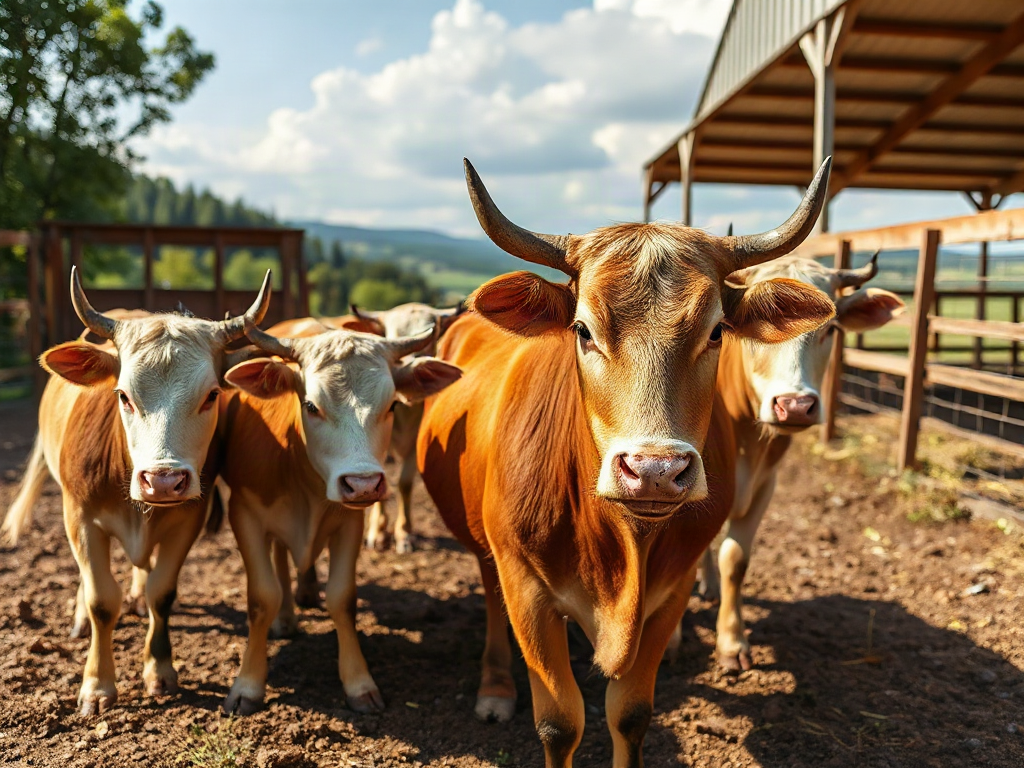
Raising cattle for beginners requires matching land and feed capacity to a small, manageable herd while providing dependable water, fencing, shelter, mineral access, and routine health care. Estimate forage production rather than relying on acreage alone, because rainfall, soil, pasture species, season, and grazing pressure determine carrying capacity. Keep stored hay available for dormant growth, drought, or muddy conditions, and introduce dietary changes gradually to reduce digestive trouble. Beginners should arrange veterinary support, handling facilities, identification, and an emergency plan before cattle arrive, then monitor body condition, manure, appetite, mobility, and pasture recovery throughout the year.
Match Cattle Numbers to Usable Land
Pasture acreage is only useful when considered alongside forage production, water access, terrain, and seasonal growing conditions. Ten productive acres with reliable rainfall may support grazing far differently from ten dry, steep, wooded, or poorly drained acres. County-level stocking estimates can provide a starting point, but they are not a promise that a particular parcel will carry the same number of animals throughout the year.
Begin by separating total property area from grazeable area. Exclude buildings, lanes, ponds, dense woods, crop ground, eroded slopes, and wet areas cattle cannot use safely. Then identify the dominant forage species, soil condition, expected growing season, and months when pasture becomes dormant. A local Cooperative Extension office or Natural Resources Conservation Service field office can help interpret soils and typical forage yields without pretending that a single cattle-per-acre figure applies everywhere.
Stocking conservatively gives grass time to regrow and leaves room for weather variability. For example, a pasture that appears abundant in spring may lose quality quickly during summer heat. If cattle repeatedly graze new shoots before plants rebuild leaf area and root reserves, pasture production declines, weeds gain ground, and purchased feed costs rise. Rotating cattle among paddocks can improve control, but rotation does not create forage. Rest periods must be based on plant recovery, not a fixed calendar.
Walk the property before buying animals. Look for bare soil, hoof damage near gates, poisonous plants, weak fence lines, inaccessible corners, and places where cattle could enter roads or waterways. Record grass height and ground cover in several representative locations. After grazing, compare those locations over time; shorter recovery intervals, widening bare patches, and cattle searching beyond fences are warning signs that demand exceeds supply.
A sound land decision includes a sacrifice area or dry lot where cattle can be fed when grazing would damage saturated or dormant pasture. This protects the long-term forage base, although manure accumulation and mud must be managed. The land component of Raising cattle for beginners: land, feed, and care is therefore less about owning a particular acreage and more about maintaining enough usable forage under changing conditions.
Build a Year-Round Feed and Water Plan
Forage should form the foundation of most beginner cattle diets, but pasture rarely supplies the same quantity or quality every month. A feed plan must bridge winter dormancy, drought, pasture establishment, and periods when mud prevents grazing. Buying cattle first and locating hay after supplies tighten leaves the owner exposed to high prices, unsuitable bales, and abrupt ration changes.
Estimate stored-forage needs from animal number, animal size, feeding duration, and expected waste. Bale count alone is misleading because bale weights vary widely. Weigh representative bales or obtain reliable seller weights, and account for losses from outdoor storage and inefficient feeders. Hay should be evaluated for mold, weeds, moisture damage, and suitability for the cattle being fed. Laboratory forage testing can reveal energy and protein limitations that are not visible by looking at a bale.
Nutritional needs also change by class of animal. A mature, dry cow maintaining body condition has different requirements from a growing calf or a cow in late gestation and early lactation. Grain or commercial supplements may fill a documented shortfall, but indiscriminate supplementation can waste money and disrupt rumen function. Any major change in hay, pasture, grain, or by-product feed should be gradual. A veterinarian or livestock nutrition professional can help interpret a forage analysis for the animals and production stage involved.
Water is part of the ration, not an optional facility detail. Cattle need continuous access to clean water delivered at a rate that meets peak group demand. Consumption varies with weather, body size, lactation, feed moisture, and salt intake, so a small trough that refills slowly may fail even if it never appears completely dry during a quick morning check. Inspect flow, cleanliness, leaks, algae, ice, and footing around the tank. Backup water storage or an alternate supply is prudent where pumps or wells can fail.
Offer a cattle mineral formulated for local forage conditions rather than substituting plain salt or an unlabeled mixture. Protect it from rain and track consumption; unexpectedly high or low use may reflect placement, palatability, competing salt sources, or incorrect formulation. Watch body condition, coat quality, manure consistency, cud chewing, appetite, and weight trend. Falling condition, loose manure after a ration change, or cattle crowding gates for feed indicates that the written plan is not matching actual needs.
Prepare Fencing, Shelter, and Handling Facilities
Containment and safe handling must be operational before the trailer arrives. Perimeter fencing has to resist pressure from the class of cattle being kept, while interior electric fencing can divide pasture for controlled grazing. A light temporary wire may guide cattle already trained to electricity, but it is a poor substitute for a dependable boundary next to a road or neighboring property.
Inspect posts, braces, gates, wire tension, energizer grounding, vegetation contact, and voltage along the entire fence. Electric systems fail when weeds drain the charge, dry soil weakens grounding, connections corrode, or batteries lose power. Train cattle to electric fence inside a secure enclosure rather than assuming they will recognize it. Gates should open fully, latch positively, and allow equipment access without forcing cattle through narrow, sharp turns.
Shelter needs depend on climate, animal type, wind exposure, shade, and drainage. Cattle often tolerate cold better than persistent wetness, deep mud, or unbroken wind, provided they are acclimated, healthy, and adequately fed. Natural windbreaks and shade may be useful, but dead limbs, unstable trees, and crowded muddy areas create hazards. Place feeding and watering points on firm, well-drained ground when possible, and avoid locating every essential resource in one traffic bottleneck.
A handling setup should let one person sort, restrain, examine, and load cattle without standing in their path. At minimum, plan for a secure pen, a narrow approach or alley, and an appropriate head gate or chute. Portable equipment may suit a very small operation, whereas permanent facilities are easier to use repeatedly. The cheapest arrangement is not economical if cattle can turn around, handlers must climb fences, or veterinary work is delayed because restraint is unsafe.
Run a facility check before purchase:
- Containment: Walk every boundary and test powered wires at several points.
- Movement: Trace the route from pasture to pen, chute, and trailer.
- Utilities: Confirm water flow, freeze protection, lighting, and vehicle access.
- Emergencies: Identify isolation space and a way to restrain a sick animal.
Calm cattle movement relies on position, space, and patience rather than shouting or force. Poor facility design magnifies stress and injury risk for both animals and people. If the property cannot support safe restraint, arrange access to suitable nearby facilities before accepting responsibility for the herd.
Establish Daily Care and Health Routines
Consistent observation catches trouble earlier than occasional intensive inspection. View cattle at least daily and learn their normal posture, appetite, rumination, movement, breathing, and social behavior. An animal standing apart, arriving late to feed, repeatedly kicking at its belly, breathing abnormally, or favoring a foot warrants closer examination rather than a wait-and-see assumption.
Establish a relationship with a cattle veterinarian before an urgent problem occurs. Health protocols vary with region, herd source, age, reproductive status, disease exposure, and intended use. Vaccination, parasite management, testing, medication records, and biosecurity therefore need herd-specific decisions. Follow product labels and veterinary directions, and observe required withdrawal periods for meat or milk. Beginners should not diagnose illness solely from online photographs or administer leftover medication without knowing whether it is appropriate.
New arrivals can introduce disease even when they look healthy. Use a separate area with no shared water or nose-to-nose contact where practical, and ask the veterinarian how long separation and observation should last for the animals involved. Obtain purchase records, identification, treatment history, reproductive information, and source-herd details. Mixing unfamiliar cattle immediately saves space but can combine transport stress, diet changes, social competition, and infectious exposure at the same time.
Keep records for each animal or management group. Note identification, origin, approximate age, breeding status, treatments, vaccines, feed changes, illnesses, and disposition. A notebook can work, but entries must be dated, legible, and consistently tied to the correct animal. Records make it possible to distinguish a recurring problem from a one-time event and help the veterinarian evaluate response to treatment.
Daily care also includes manure and mortality planning. Regularly move feeding locations where appropriate, prevent runoff into surface water, and manage accumulated bedding or manure according to local requirements. Know who can assist with carcass disposal and what methods are permitted locally before a loss occurs. A practical Raising cattle for beginners: land, feed, and care plan treats these unglamorous tasks as normal operating responsibilities rather than unexpected exceptions.
Choose a Manageable First Herd
A small group of calm, healthy cattle is generally easier for a beginner to manage than a single animal or a mixed collection bought solely because each animal was inexpensive. Cattle are social, so keeping one alone can contribute to stress and difficult behavior. At the other extreme, filling the pasture to its estimated maximum leaves no margin for drought, hay shortages, illness, or learning mistakes.
Choose the production goal before choosing breed, sex, or age. Feeder cattle intended for seasonal grazing involve different facilities and decisions from a breeding herd that will calve on the property. Cow-calf production adds bull management or artificial insemination, pregnancy decisions, calving surveillance, calf processing, and plans for open cows. Bottle calves may have a low purchase price but require frequent feeding, sanitation, and close health observation; they are not automatically the simplest entry point.
Disposition matters as much as appearance. Animals accustomed to people, fences, bunks, and handling systems may adapt more predictably than cattle with unknown history. Avoid buying an aggressive, chronically thin, lame, or visibly ill animal as a bargain project. Ask why the cattle are being sold, how they have been fed, whether they respect electric fencing, and when they were last handled. Arrange transport that avoids overcrowding and provides secure unloading into a prepared pen.
Budget beyond the purchase price. First-year costs can include fencing repair, a water system, hay storage, feeders, mineral equipment, veterinary work, identification, hauling, bedding, pasture improvement, and handling facilities. Preserve cash for emergencies instead of spending the entire livestock budget at the sale. If winter forage, safe restraint, or backup water is unresolved, delaying the purchase is less costly than improvising after cattle arrive.
The strongest sign that the first-herd plan is working is stability: cattle maintain appropriate condition, pasture recovers after grazing, water remains dependable, fences contain animals, and routine handling does not become a crisis. Repeated escapes, declining grass cover, unexplained weight loss, chronic mud, or constant emergency hay purchases signal that herd size or infrastructure needs correction. Reviewing Raising cattle for beginners: land, feed, and care as one connected system prevents a purchase decision from outrunning the property.
Frequently Asked Questions
How much land do beginners need for cattle?
No universal acreage figure is reliable. Usable forage, rainfall, soil, terrain, grazing season, animal size, and stored-feed availability determine capacity; seek a local stocking estimate and begin below the property's apparent maximum.
Can cattle live on grass alone?
Good pasture may meet much of the ration during active growth, but dormant forage, drought, pregnancy, lactation, or poor forage quality can create shortfalls. Clean water, suitable mineral, stored forage, and sometimes targeted supplementation are still needed.
Is it acceptable to keep only one cow?
Cattle are herd animals, so solitary housing is generally a poor default. A compatible pair or small group is usually more appropriate, provided the land, feed budget, fencing, and facilities can support them.
What should be ready before cattle arrive?
Complete perimeter fencing, working water, feed and mineral supplies, a secure receiving pen, safe restraint, transport access, identification records, veterinary contact, and plans for isolation and emergencies.
How can a beginner tell whether cattle are doing well?
Look for steady appetite, cud chewing, normal movement, appropriate body condition, consistent manure, calm group behavior, and clean breathing. Pasture recovery and predictable water and feed use also show whether the whole system is functioning.
Further Reading
Authoritative Sources
- USDA Natural Resources Conservation Service
nrcs.usda.govLocal offices and conservation resources can assist with soil, forage, grazing, water, and land-management planning
- USDA APHIS Cattle Health
aphis.usda.govThis federal resource provides current information about cattle diseases, animal health programs, and biosecurity concerns
- Extension Foundation
extension.orgExtension resources connect cattle owners with research-based agricultural education and locally relevant contacts
- Merck Veterinary Manual: Cattle Reproductive Management
merckvetmanual.comThis veterinary reference explains reproductive responsibilities that arise when beginners choose a breeding herd
Conclusion
A workable cattle operation is built before animals are purchased. Measure grazeable land, use local forage information, reserve feed for poor growing periods, and make water reliability nonnegotiable. Repair boundary fences and test the route cattle will follow into a pen, chute, or trailer. Then choose a small group whose age, temperament, and production purpose fit the facilities and the owner’s available time.
Once cattle arrive, daily observation and accurate records provide the earliest warning that feed, health, or stocking decisions need adjustment. Declining body condition, slow pasture recovery, recurring escapes, and heavy mud should trigger action rather than acceptance. The next practical step is a property walk with a written inventory, followed by conversations with a local Extension professional and cattle veterinarian before committing money to livestock.