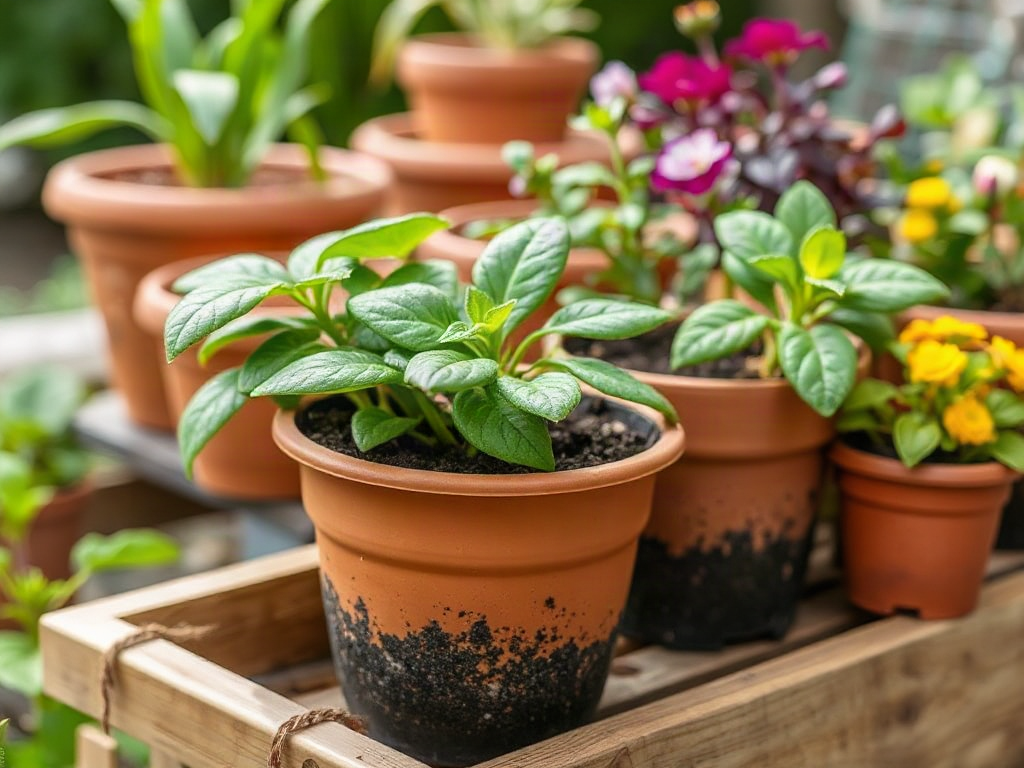
Container gardening for beginners without garden ground works by matching each crop to a pot with drainage, filling it with fresh potting mix, and placing it where the leaves receive enough usable sunlight. Choose compact vegetables or herbs, confirm that balconies and ledges can bear the wet weight, and leave room beneath every container for water to escape. Check moisture with a finger rather than following a fixed watering calendar, because small pots dry faster than large ones and wind accelerates water loss. A few properly sized containers are easier to manage than many crowded pots, especially while learning how sunlight, irrigation, and fertilizer affect growth.
Assess Sunlight, Weight, Water, and Permission
A successful container garden begins with an honest assessment of the growing site rather than a shopping trip. Observe the proposed location at several points during a clear day and record when direct sunlight reaches it. Fruiting crops such as tomatoes, peppers, and bush beans usually need the brightest position available, while lettuce, parsley, mint, and some leafy greens tolerate less direct sun. A bright window viewed from indoors may be shaded outside by an overhang, neighboring building, railing, or tree for much of the day.
Sun exposure also changes with the season. A balcony that receives strong spring light may become shaded when nearby trees leaf out, while a south-facing paved area can become intensely hot in midsummer. Reflective walls and glass increase heat around foliage and pots. In a hot, exposed location, a leafy plant may lose water faster than its roots can replace it even when the soil is moist. Morning light with some afternoon protection can therefore be more manageable than uninterrupted heat for tender greens.
Weight is the next constraint, particularly on balconies, roof terraces, window ledges, and elevated decks. Potting mix becomes substantially heavier after watering, and large ceramic or concrete planters add weight before they are filled. Do not assume an elevated surface can support a row of large containers. Ask the property owner or building manager about placement and load restrictions, and obtain qualified structural advice when capacity is uncertain. Keep pots away from emergency routes, drains, shared walkways, and railings where a falling object could injure someone.
Water must be able to reach the plants without damaging the building or inconveniencing neighbors. A nearby tap makes irrigation simpler, but a watering can may be the only practical option in an apartment. Test whether runoff drains safely. Saucers can protect surfaces from brief drainage, yet pots should not remain in collected water unless the crop is specifically suited to saturated conditions. Empty standing water and use pot feet where airflow beneath a container would protect the surface.
Before planting, check four site conditions:
- Light: Record direct sun rather than estimating brightness.
- Safety: Verify weight capacity, secure placement, and clear access.
- Water: Plan how water arrives and where excess drains.
- Rules: Review lease, balcony, homeowners association, or building requirements.
This site audit prevents the common mistake of choosing sun-loving crops for shade or installing containers that are difficult to water. Readers planning Container gardening for beginners without garden ground should treat these physical limits as design inputs, not problems that can be corrected later with extra fertilizer.
Match Pots and Potting Mix to the Crop
Container size determines how much root space and moisture reserve a plant receives. Small pots are inexpensive and easy to move, but they heat and dry quickly. Larger containers buffer changes in temperature and moisture, making them more forgiving, although they cost more to fill and become difficult to relocate. Choose the mature plant first and then select its container; buying decorative pots before deciding what will grow in them often leads to cramped roots or unused volume.
Shallow-rooted lettuce, radishes, chives, and many annual herbs can grow in broad planters with moderate depth. Tomatoes, eggplants, cucumbers, and other large fruiting plants need substantially more root volume and a stable container that will not tip as the top growth expands. The exact capacity varies by cultivar, climate, and watering frequency, so check the seed packet or nursery label for container guidance. When uncertain, one vigorous fruiting plant in a generous pot is usually easier to maintain than several competing plants in the same space.
Every conventional container needs unobstructed drainage holes. Gravel placed at the bottom does not replace those holes and reduces the volume available for roots. Cover a large opening with a piece of mesh or a fragment of broken pot to retain mix without sealing the exit. If a decorative cachepot has no drainage, keep the plant in a removable inner nursery pot and drain it fully after watering. Drilling holes may be possible for some materials, but it must be done safely and may crack ceramic containers.
Use packaged potting mix rather than soil dug from a yard or vacant area. Garden soil commonly compacts in pots, restricting the air that roots need and slowing drainage. Potting mixes are formulated from lightweight materials that hold both moisture and air. Peat-free and peat-reduced products are available, but different formulations retain water differently; observe the mix rather than assuming every bag behaves the same. Reusing an old mix can save money, although badly compacted material or mix associated with diseased plants is a poor starting point for vulnerable seedlings.
Container material creates practical tradeoffs. Unglazed clay allows moisture to escape through its walls and may suit gardeners who tend to overwater, but it dries quickly in hot wind. Plastic is lighter and retains moisture longer, while fabric pots provide ample aeration but may need frequent irrigation. Dark pots exposed to intense sun can become hot around roots. Whatever the material, leave a modest gap below the rim so water can be applied slowly without carrying soil over the edge.
The mistake to avoid is scaling down every component to save space. A tiny pot paired with a large plant creates repeated wilting, nutrient depletion, and instability. A compact cultivar in an adequately sized container is a more reliable space-saving choice than a full-size cultivar confined to an undersized pot.
Choose Crops That Fit the Available Space
Begin with crops that match both the light and the amount of food you realistically want to harvest. Herbs and loose-leaf greens offer repeated small harvests from compact containers. Radishes mature without creating a tall canopy, while strawberries can use hanging baskets if watering is convenient. Fruiting vegetables demand more sun, soil volume, feeding, and support, but a suitable compact tomato or pepper can still be productive in a bright courtyard or balcony.
Seed catalogs and plant labels may use terms such as bush, patio, compact, dwarf, or determinate. These descriptions can identify candidates for pots, but they do not mean the plant can live in any container. Check mature width and height, days to harvest, staking requirements, and recommended spacing. A compact cucumber may still need a trellis, and a determinate tomato can become top-heavy when laden with fruit. Attach supports at planting time so later installation does not tear established roots.
For a partly shaded apartment balcony, a sensible first planting might include one rectangular planter of cut-and-come-again lettuce, a separate pot of parsley, and chives near the brightest edge. A hot terrace with long direct sun could support a compact pepper, basil, and bush beans, provided irrigation is dependable. Mint is useful but aggressive; keeping it alone prevents its spreading roots from crowding slower herbs. Rosemary and basil also make poor long-term roommates because rosemary generally prefers a drier root zone than thirsty basil.
Resist filling every square inch on planting day. Dense planting may look abundant at first, but leaves soon overlap, reducing airflow and making inspection difficult. Roots compete for the limited water and nutrients in the pot. Follow spacing intended for mature plants unless the crop is specifically grown as baby leaves and harvested early. Vertical supports can move vines upward, yet they do not increase the water or root capacity below.
A small beginner plan can be organized by priority:
- Choose one crop suited to the measured light.
- Add one frequently used herb with similar watering needs.
- Select containers large enough for mature growth.
- Plant only what can be watered during the hottest part of the season.
- Expand after the first pots remain stable through several weeks of weather.
Seeds cost less and offer more cultivar choice, but nursery transplants shorten the wait and reduce the equipment needed for germination. Direct-sow quick crops such as radishes and lettuce where they will grow. A healthy transplant may be preferable for a first pepper or tomato, especially where the warm season is short. The strongest version of Container gardening for beginners without garden ground is not the garden with the most varieties; it is the one whose crops share compatible conditions and receive consistent care.
Manage Water, Feeding, Weather, and Pests
Watering decisions should follow the condition of the pot, not a fixed weekly schedule. Push a finger into the upper layer of mix and feel below the dry surface, or lift a smaller pot to compare its wet and dry weight. When watering is needed, apply it slowly across the surface until excess begins leaving the drainage holes. A quick splash can wet only the top layer, while repeated shallow watering encourages roots to occupy a narrow zone.
Frequency changes with pot size, plant maturity, wind, heat, rainfall, and container material. A young plant in a large pot may stay moist for days; the same pot filled with mature roots may require daily attention during hot weather. Persistent wilting in wet mix can indicate damaged roots rather than thirst, so adding more water may worsen the problem. Sour odors, fungus gnats, yellow lower leaves, and mix that remains saturated are warning signs of poor drainage or excessive irrigation. Conversely, mix pulling away from the pot wall and water racing through without soaking can indicate severe dryness; water slowly in repeated passes so the mix can rehydrate.
Nutrients leave containers through plant uptake and drainage. If the potting mix contains starter fertilizer, note how long the label says it is intended to feed plants before adding more. After that period, use a fertilizer labeled for edible container plants and follow its directions. More fertilizer does not produce proportionally more food: excess salts may injure roots, cause leaf-edge browning, or drive soft leafy growth at the expense of flowers and fruit. Never compensate for weak light or an undersized pot by increasing fertilizer.
Weather management is easier when planned before a forecast. Grouping pots can reduce wind exposure, though foliage still needs airflow. Move lightweight containers away from ledges during high winds and secure trellises independently where possible. In extreme heat, temporary afternoon shade and earlier watering may reduce stress. Cold-sensitive crops should not be placed outside merely because daytime temperatures are warm; nighttime conditions and local frost timing still govern planting.
Inspect leaf undersides, growing tips, and stems at least weekly. Aphids, mites, caterpillars, and whiteflies are easier to address before they spread among crowded pots. Remove badly affected leaves when that will not strip the plant, isolate a newly purchased or infested container, and identify the pest before choosing a control. Products used on ornamental plants are not automatically appropriate for edible crops, so read the entire label and observe harvest restrictions. Avoid treating harmless visitors or pollinators as pests.
Signs that the system is working include steady new growth, water entering the mix rather than running off instantly, drainage that finishes without prolonged standing water, and leaves appropriate in color and firmness for the crop. Repeated midday collapse, weak stretched stems, stalled growth, or constant saturation signals a mismatch among light, root volume, and irrigation. Adjust one variable at a time. Moving a shaded tomato to stronger light provides clearer information than simultaneously fertilizing, repotting, pruning, and changing the watering routine.
Frequently Asked Questions
Can I grow vegetables on a balcony with no yard?
Yes, if the balcony receives suitable light, permits safe drainage, and can bear the containers' wet weight. Confirm building rules and keep pots secured away from edges and exit routes.
What are the easiest container crops for a beginner?
Loose-leaf lettuce, chives, parsley, radishes, and compact bush beans are manageable choices when their light needs are met. Choose foods you use and avoid planting more pots than you can water reliably.
Can regular garden soil be used in containers?
Garden soil usually becomes dense in a pot and may drain poorly. A commercial potting mix provides a better balance of air, moisture retention, and low weight for container roots.
How often should container plants be watered?
Check the mix rather than watering by the calendar. Water thoroughly when the root zone begins to dry, recognizing that small, windy, sun-exposed pots need attention more often than large or shaded ones.
Do container vegetables need fertilizer?
They generally need replenishment because nutrients are used by plants and lost in drainage. Account for fertilizer already included in the potting mix, then follow the directions on a product labeled for edible container crops.
Conclusion
A manageable container garden is built around the limits of its location. Measure direct sun, verify safe weight and drainage, and select crops whose mature size fits the available pots. Favor potting mix over dense ground soil, keep drainage holes open, and group plants only when their moisture needs are compatible.
Start with two or three containers close to a convenient water source. Check them frequently enough to recognize the difference between normal drying, persistent saturation, and heat-related stress. Add fertilizer only when the potting mix and product label indicate it is needed, and inspect leaves before minor pest activity becomes widespread. Once those first containers remain healthy through changing weather, expand with another crop that suits the same site rather than forcing an unsuitable plant into the space.