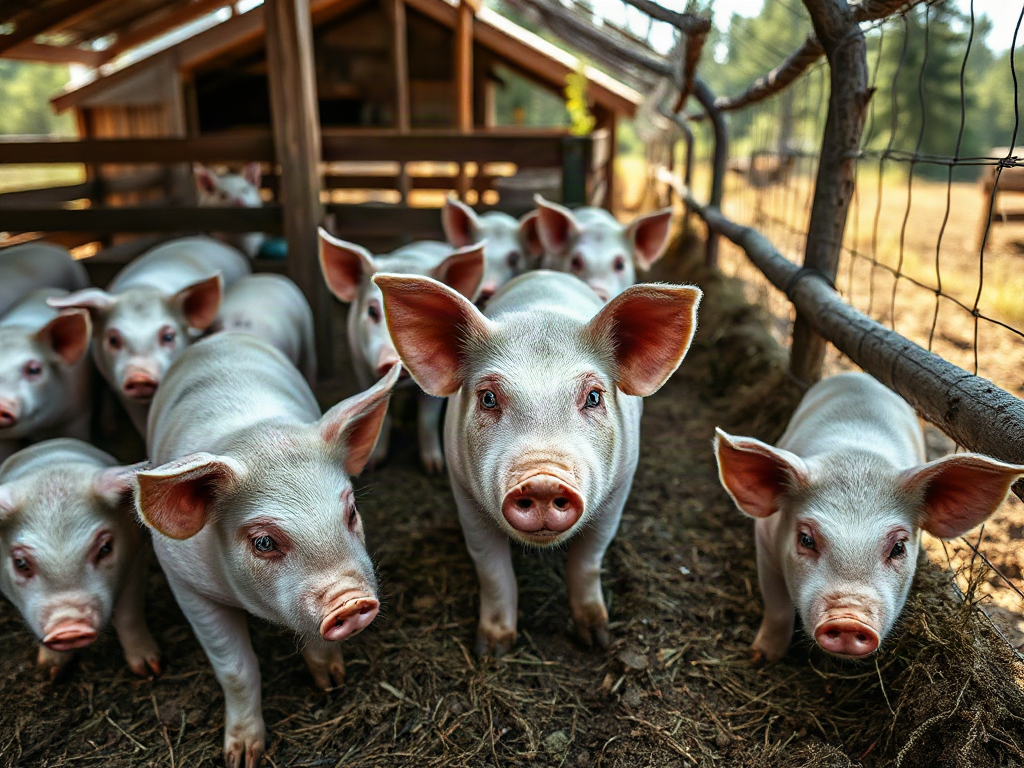
Successful piggery farming for beginners rests on matching housing, feed, and labor to the number and age of pigs being raised. Pens need dry resting space, secure fencing, shade, drainage, clean water, and enough airflow to limit heat stress and manure-related problems. Use a nutritionally complete ration suited to each growth stage rather than relying on household scraps, and protect stored feed from moisture, rodents, and contamination. Labor must cover feeding, watering, cleaning, observation, recordkeeping, and emergency care every day. Beginners should start with a small group, confirm veterinary and market access, and test the daily routine before expanding.
Set the Scale Before Building the Piggery
A beginner piggery should be sized from its daily operating limits, not from the maximum number of animals that can physically fit on the property. Available cash, dependable water, feed storage, manure disposal, veterinary access, transport, and a realistic sales route all place limits on herd size. A pen that can hold eight growing pigs is not necessarily an operation that can reliably feed, clean, monitor, and market eight pigs.
Choose the production model before buying animals. Raising weaned pigs to market weight is usually simpler than maintaining breeding stock because it avoids heat detection, mating, farrowing, newborn care, and the need to manage boars or artificial insemination. Breeding can eventually provide a continuing supply of piglets, but it adds irregular working hours and greater consequences when housing or observation is inadequate. For a first cycle, a small, uniform group from a reputable source is easier to feed and monitor than pigs of widely different ages and backgrounds.
Market timing belongs in the startup calculation. Buyers may prefer a particular live weight, carcass specification, breed type, or collection schedule. Keeping finished pigs because no buyer is ready consumes feed, occupies pen space, and delays the next batch. Ask prospective buyers how animals are priced, whether transport is included, what records they require, and how rejected or underweight pigs are handled. Local rules may also govern livestock location, waste handling, animal identification, transport, slaughter, or the feeding of food waste, so confirm requirements with the relevant agricultural and local authorities.
Use a written pre-purchase check rather than treating the first pigs as an experiment. Confirm the following:
- A secure, drained pen with a separate area for sick or newly arrived pigs
- A continuous source of potable water and a backup delivery method
- A reliable supplier of age-appropriate complete feed
- Daily care coverage, including weekends and holidays
- A veterinarian or animal-health contact and a lawful mortality plan
- A manure outlet and a credible route to market
The common failure is to buy inexpensive piglets before calculating the cost and logistics of raising them to sale. The better sequence is to price the full cycle, prepare the site, test every drinker and gate, and then stock conservatively. That approach makes piggery farming for beginners: housing, feed, and labor an operating plan rather than three disconnected purchasing decisions.
Build Housing Around Pig Behavior and Manure Flow
Effective pig housing separates clean resting space from feeding, drinking, and dunging activity while allowing workers to move animals safely. Pigs investigate weak gates, rub against fixtures, spill poorly positioned water, and compete when access points are limited. Housing therefore needs strength, drainage, and a layout that remains workable after animals become much larger than the piglets first placed in it.
Place the piggery on firm, elevated ground where runoff from roofs, yards, and neighboring land will not cross the pens. A durable floor is easier to wash and disinfect than bare soil, but a smooth wet surface creates slipping injuries. It should provide grip and slope gently toward a managed drain without forcing pigs to lie on a steep surface. Drainage must lead to an approved collection or treatment area rather than a waterway, road, or neighboring property. Before construction, determine how liquids and solids will be removed; attempting to solve manure flow afterward often requires expensive changes.
Each pen needs a dry resting zone protected from rain and direct sun. Ventilation should carry away heat, moisture, dust, and gases without producing harsh drafts around young pigs. In hot conditions, shade, airflow, cool drinking water, lower stocking pressure, and an appropriate cooling method become operational necessities. In cold conditions, young pigs may need a warmer, draft-protected area while still requiring fresh air. A sealed building with strong odor is not comfortably warm; it is a warning that air exchange or manure removal is inadequate.
Group pigs by similar size and avoid unnecessary mixing. A much smaller pig may lose access to the feeder even when the pen appears to contain enough feed. Provide enough feeder and drinker access for the group, and position water where leaks can drain without soaking the bedded or resting area. A second pen is valuable for quarantine, treatment, sorting, or holding an aggressive animal. It should not share equipment or uncontrolled drainage with the main group if it is being used to isolate illness.
Inspect housing from the pig’s height before stocking it. Look for protruding wire, sharp edges, gaps where a leg or head could become trapped, unsecured latches, exposed electrical fittings, and dead-end corners that make handling dangerous. Then run water through the cleaning system and drinkers to see where it actually goes. A pen is working when pigs remain reasonably clean and comfortable, water stays available, air does not carry a persistent irritating odor, and workers can feed, inspect, sort, and clean without climbing barriers. Constantly wet floors, coughing, panting, repeated escapes, heavy fly pressure, or manure accumulating under fixtures indicate that the design or routine needs correction.
Plan Feed and Water as Controlled Inputs
Feed should be selected for the pigs’ stage of growth and measured consistently enough to reveal changes in intake. Young, rapidly growing pigs require a different nutrient concentration from larger finishing animals or pregnant and lactating sows. A commercially formulated complete ration reduces the risk of creating amino-acid, mineral, vitamin, or energy imbalances through guesswork. The feed label and supplier directions should identify the intended class of pig and whether the product is complete or must be mixed with other ingredients.
Cheap ingredients do not automatically produce a low-cost ration. A bulky or nutritionally incomplete mixture may slow growth, increase manure, and keep animals on feed longer. Sudden ration changes can also reduce intake or disturb digestion. When changing products, transition progressively when practical and watch manure consistency, appetite, water use, and behavior. If several pigs stop eating, treat that as a health or feed-quality warning rather than assuming they are merely adjusting.
Household scraps are a weak foundation for predictable production because their salt, fat, moisture, nutrient density, and contamination risks vary from day to day. Some jurisdictions restrict or prohibit feeding food waste, particularly material containing or exposed to meat. Never assume that cooking makes a questionable practice lawful or biologically safe. Check local rules and veterinary guidance before using any by-product. Moldy, spoiled, chemically contaminated, or foreign-object-laden material should not enter the feeder.
Store bagged feed off the floor in a dry, ventilated, locked space. Rotate stock so older sound feed is used first, keep batch information where possible, and inspect for mold, caking, insects, rodent damage, and unusual odor. Buying a large volume may lower the unit price, but it is a false saving if humidity, pests, or slow use causes deterioration. Smaller, more frequent deliveries can be safer for a new unit that has not yet established its consumption rate.
Water deserves the same attention as feed. Pigs need continuous access to clean water, and demand rises with heat, dry feed intake, lactation, and body size. Check flow at the drinker itself rather than simply confirming that a tank contains water. A blocked nipple can leave one pen thirsty while the supply appears normal. Persistent flooding may indicate excessive pressure, poor drinker height, a damaged valve, or pigs playing with the fixture.
Record feed delivered to each group, remaining stock, water interruptions, and major changes in appetite. Compare these notes with weight or body-condition trends and days on feed. The purpose is not elaborate paperwork; it is early detection of waste, theft, spoilage, poor feeder adjustment, illness, or a ration that is not producing the expected progress. Sound piggery farming for beginners: housing, feed, and labor depends on treating feed and water as measurable production inputs rather than chores completed by habit.
Calculate the Daily Labor and Management Load
Piggery labor is a seven-day commitment built around observation as much as physical work. Feeding, checking water, removing manure, cleaning equipment, inspecting fencing, and recording problems must continue during bad weather, illness, holidays, and market delays. Automated drinkers and well-designed feeders can reduce repetitive work, but they create inspection duties because a single blockage, leak, or empty bin can affect an entire pen.
Divide work into daily, scheduled, and event-driven tasks. Daily rounds should include counting pigs, watching them rise and walk, checking breathing and appetite, examining manure, testing water flow, and looking for injuries or abnormal behavior. Scheduled work includes feed inventory, deeper cleaning, weight or growth checks, equipment maintenance, pest control, and record review. Event-driven work covers arrivals, vaccination or treatment directed by an animal-health professional, sorting, transport, escapes, births in breeding herds, and emergencies.
A worker should observe pigs before creating noise or putting feed into the trough. A pig that stays down, isolates itself, shivers, pants, coughs, moves stiffly, or fails to compete for feed may need prompt attention. Mark the animal, record the finding, and contact veterinary support when signs are severe, spreading, unexplained, or not improving. Do not rely on leftover medicines or copy a treatment used for a different animal; drug choice, dose, withdrawal time, and legal availability vary by condition and location.
Biosecurity is labor, not a sign on a gate. Restrict unnecessary visitors, keep boots and tools dedicated to pig areas where feasible, clean equipment between groups, control rodents, and avoid sharing trailers or handling gear without cleaning and disinfection. Newly acquired pigs should be managed separately under a veterinarian-informed introduction plan. Buying animals from several sources may appear to improve choice, but it also brings together different health histories and increases the difficulty of identifying where a problem began.
Time the routine for a full week before expanding. Record how long feeding, cleaning, inspections, feed handling, and manure removal actually take, then add capacity for repairs and sickness. A system that occupies every available hour on a normal day has no resilience when a pipe breaks or a pig requires isolation. Written task ownership is especially valuable in family operations; “someone checked the water” is not adequate when responsibility is unclear.
Good records include animal or group identity, source, arrival date, feed use, weight checks, illness observations, treatments, mortalities, sales, and major costs. Records reveal whether higher feed use reflects faster growth or simple waste, and whether recurring disease signs follow a supplier, pen, or management event. The frequent mistake is to add pigs because chores currently feel manageable. Expansion should follow evidence that housing remains dry, health events are controlled, feed stocks reconcile, backup labor is dependable, and sales occur on schedule.
Frequently Asked Questions
How many pigs should a beginner start with?
Start with a small, similar-sized group that the prepared pens, budget, water supply, and available worker can manage daily. Test one complete grow-out cycle before adding breeding stock or substantially increasing numbers.
Can pigs be raised on household food scraps?
Scraps are inconsistent in nutrients and may carry contamination or legal restrictions, especially if they contain or contacted meat. Use an appropriate complete ration and consult local authorities before feeding any food waste.
Does a small piggery need a separate isolation pen?
Yes. A separate pen provides a place for new, injured, ill, bullied, or treatment-requiring pigs. Its drainage, tools, and animal movement should be managed to reduce contact with the main group.
How can a beginner tell whether the housing is working?
Look for dry resting areas, reliable water, normal appetite, comfortable breathing, secure animals, manageable manure flow, and safe worker access. Wet floors, strong persistent odors, panting, injuries, and repeated escapes signal deficiencies.
What records should a pig farmer keep?
Record animal sources, dates, group identities, feed purchases and use, weights, health signs, veterinary treatments, mortalities, sales, and major expenses. These records expose waste and support health, marketing, and expansion decisions.
Further Reading
Authoritative Sources
- USDA APHIS Swine Health
aphis.usda.govFederal information on swine diseases and biosecurity helps producers recognize official animal-health responsibilities and current disease concerns
- Pork Information Gateway
porkgateway.orgThis university-supported resource covers pig housing, nutrition, health, manure management, and production practices in practical depth
- FAO Manual of Pig Production in the Tropics
fao.orgThe manual provides detailed context for pig production systems, particularly where climate, local materials, and smallholder constraints shape management
- Merck Veterinary Manual: Pig Reproduction Management
merckvetmanual.comThis veterinary reference is useful when comparing the added management demands of breeding pigs with a simpler grow-out enterprise
Conclusion
A workable first piggery is deliberately smaller than the owner’s theoretical capacity. Prepare drained, secure housing; verify water at every drinker; arrange a dependable complete ration; and assign daily tasks before animals arrive. Keep pigs of similar size together, preserve a separate isolation space, and observe the group before feeding so weak appetite, abnormal breathing, injury, or changed behavior is easier to notice. Record feed use, health events, growth, costs, and sales rather than judging progress by appearance alone. After one full production cycle, review where time, feed, water, and money were lost. Expand only if manure remains manageable, the health plan works, backup labor is available, and buyers take pigs when expected. Those operating signals are more reliable than enthusiasm or unused pen space.