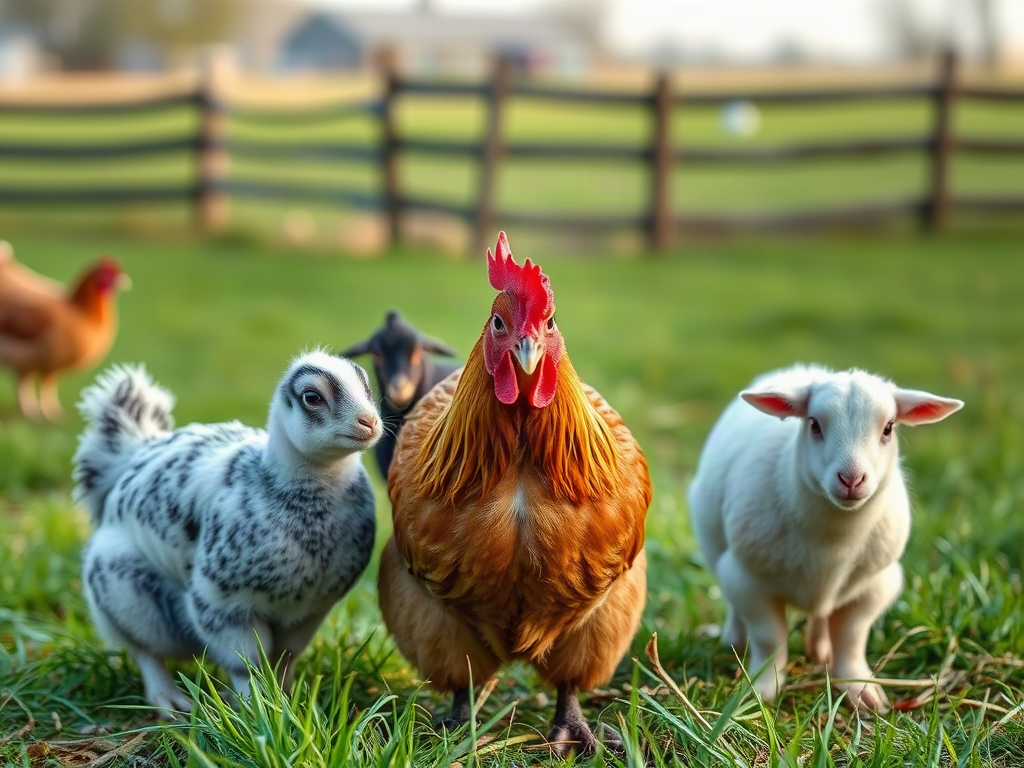
Chickens, rabbits, quail, dairy goats, and small sheep breeds are the best farm animals for self-sufficiency on small acreage because they can supply eggs, meat, milk, fiber, manure, or a combination of these products without requiring cattle-scale pasture. Chickens are the most practical first choice, while rabbits and quail suit properties with very little grazing space. Goats or sheep become worthwhile when secure fencing, stored forage, shelter, and daily care fit the household’s resources. The strongest small-acreage system matches each animal’s feed requirements, breeding cycle, processing needs, noise, manure output, and veterinary access to products the household will actually use.
Match Animals to the Acreage and Household
Usable capacity matters more than the number of acres printed on a deed. A two-acre property with dry ground, secure fencing, tolerant neighbors, and room for feed storage may support animals more successfully than a larger parcel dominated by steep slopes, wet soil, poor access, or zoning restrictions. Before selecting a species, identify where housing, manure, water lines, feed, and animal handling will fit throughout the year.
Self-sufficiency also needs a precise household definition. A family seeking dependable eggs faces a different decision from one hoping to produce milk, meat, breeding stock, or fiber. Eggs can be collected without slaughter or breeding management, while home-raised meat requires replacement animals, humane dispatch, processing equipment, cold storage, and comfort with the entire production cycle. Dairy animals impose fixed morning and evening work during lactation, even when the household is busy, ill, or away.
Feed is often the limiting input. Small acreage rarely provides every calorie that poultry, rabbits, goats, or sheep need. Poultry rations supply concentrated protein, energy, vitamins, and minerals that garden scraps cannot reliably replace. Rabbits can use suitable hay and selected forage, but balanced pellets may still be needed. Goats and sheep require enough browse or pasture, plus stored hay when plants are dormant or overgrazed. Buying much of this feed does not make the system pointless, but it changes the meaning of self-sufficiency from complete independence to reliable local food production.
Use a property-level screening checklist before comparing species:
- Legal fit: Confirm livestock, setback, slaughter, noise, and manure rules with the relevant local authority.
- Daily labor: Count feeding, watering, collection, milking, bedding, cleaning, and health checks.
- Seasonal resilience: Plan for heat, freezing water, mud, predators, hay shortages, and evacuation.
- Useful output: Choose food or fiber that the household can process, store, and consume.
- Exit options: Know how animals will be sold, rehomed, processed, or retired if the system changes.
A common mistake is stocking for summer abundance rather than winter capacity. Observe drainage, shade, wind exposure, and forage growth for a season if possible. The most suitable Best farm animals for self-sufficiency on small acreage are those the property can support during its least productive month, not merely during spring growth.
Chickens, Quail, and Ducks for Eggs and Meat
Egg-laying poultry usually delivers the quickest useful return from limited space. Chickens are widely kept, their housing requirements are understandable, and their eggs fit ordinary household cooking. A modest flock can turn purchased ration, insects, and appropriate garden surplus into a steady food supply while producing manure that becomes valuable after proper composting.
Space efficiency does not justify crowding. Birds need a dry, ventilated shelter, clean water, species-appropriate feed, protection from predators, and enough room to avoid persistent conflict and filthy ground. Fixed runs can lose vegetation quickly and accumulate manure, parasites, and mud. Deep litter, covered sections, added carbon material, or rotating several small runs can reduce pressure, but none removes the need for routine cleaning and observation.
Quail are useful where a full chicken flock would create space or noise problems. Coturnix quail mature quickly, occupy compact housing, and provide small eggs and carcasses. Their enclosures must prevent escape and protect them from rodents and other predators. The tradeoff is scale: quail eggs are small, processing many birds takes time, and replacement breeding groups require close management. Local rules may also classify quail differently from chickens.
Ducks can outperform chickens in wet conditions and may forage for slugs and insects, but they make water management harder. Open containers become dirty rapidly, and splashing can turn a confined pen into mud. Ducks need water deep enough to clean their bills and nostrils, yet a decorative pond is not automatically necessary. A drainable watering station over gravel or another washable surface is often more practical than letting moisture saturate bedding.
Choose chickens when household egg use, accessible supplies, and straightforward management matter most. Choose quail when compact containment and quiet females are priorities, while recognizing that males still vocalize. Consider ducks only when drainage and frequent water changes are realistic. Keeping multiple poultry species together may appear efficient, but different water habits, feed needs, body sizes, and disease risks can complicate care. Separate housing often produces cleaner conditions and clearer health monitoring.
Signs of a workable poultry setup include dry bedding, clean feathers, normal feeding behavior, sound feet, and a run that recovers between uses. Persistent odor, bare wet ground, feather damage, rodents, or repeated predator visits indicate that stocking density, sanitation, or enclosure design needs correction before more birds are added.
Rabbits for Compact, Quiet Meat Production
Meat rabbits convert a small housing footprint into a substantial household protein option without requiring pasture. They are quiet, their manure is easy to collect, and breeding can be scheduled around freezer space and available labor. Those advantages make rabbits attractive for a backyard where larger livestock would overwhelm the site.
Rabbit production is not effortless or waste-free. Does and growing kits need suitable nutrition, clean water, sanitation, and protection from weather. Heat is a serious operational concern because rabbits tolerate cold more readily than high temperatures when kept dry and out of drafts. Shade alone may be inadequate during hot, humid weather; housing location, airflow, cool water, reduced breeding during the hottest period, and an emergency cooling plan deserve attention before animals arrive.
Housing choices create distinct tradeoffs. Suspended cages simplify manure collection and individual monitoring, but floors must support foot health and provide a resting surface. Colony systems allow more movement yet can make breeding records, aggression, sanitation, and disease control harder. A beginner generally gains more control by housing breeding adults separately and using appropriately sized grow-out areas rather than beginning with an unmanaged colony.
Rabbits can eat selected forage, but sudden dietary changes or indiscriminate garden scraps can disrupt digestion. Safe plants must be correctly identified and introduced gradually. Good-quality hay, clean water, and a ration formulated for the animal’s production stage provide a more dependable foundation. Lawn clippings that have heated in a pile, moldy feed, chemically treated plants, and unknown weeds do not belong in the feeder.
A practical scenario illustrates their fit: a household with a small fenced yard, no pasture, and close neighbors may be unable to keep goats but could maintain a few breeding rabbits in a shaded, well-ventilated structure. That household still needs a plan for mating, nest boxes, weaning, humane processing, freezer capacity, and genetic replacement. Producing litters faster than they can be housed or consumed creates crowding rather than resilience.
Healthy appetite, consistent droppings, clean noses, comfortable resting posture, and steady growth suggest the system is functioning. Refusal to eat, diarrhea, labored breathing, head tilt, unusual lethargy, or heat distress calls for prompt isolation and veterinary guidance. The recurring mistake is treating rabbits as low-maintenance livestock simply because they are small; their compact scale concentrates the consequences of ventilation, sanitation, and feeding errors.
Goats and Sheep for Milk, Meat, and Grazing
Small ruminants offer more varied outputs than poultry or rabbits, but they raise the property’s infrastructure and labor requirements sharply. Dairy goats can provide milk, meat kids, and manure, while sheep may supply meat, milk, fiber, or grazing services depending on breed and management. Neither should be treated as a miniature lawn mower that survives on neglected grass.
Goats naturally favor browse such as leaves, woody stems, and brush, whereas sheep generally use grasses and low-growing plants more readily. A brushy parcel may therefore suit goats better than a grass-dominant paddock. Both animals can strip limited vegetation faster than expected, especially when confined. Rotational access can protect plant recovery, but a few tiny paddocks do not create more forage than the acreage can grow. Hay storage and a realistic winter feed budget remain necessary.
Fencing is a decisive cost. Goats test weak gates, climb tempting structures, and reach through fences for vegetation. Sheep may be less acrobatic, but they still need secure boundaries and predator protection. Electric fencing can support rotational systems when animals are trained to it and vegetation is kept from grounding the wires. Perimeter fencing should not depend on an untested temporary setup.
Dairy production adds breeding, kidding or lambing, udder care, milk sanitation, and a fixed milking schedule. A doe does not stop needing attention because the household leaves for a weekend. Keeping only one goat or sheep is also poor practice because these are social animals. At least two compatible animals means feed, shelter, and veterinary planning must cover a group, not a single milk producer.
Sheep may be a better choice where grazing is useful and strong goat fencing is impractical. Hair sheep avoid routine shearing, while wool breeds can produce usable fiber but require shearing and a market or household use for the fleece. Goats may fit families that value milk and have browse, secure fencing, and dependable relief milkers. On extremely small lots, purchased dairy products plus poultry or rabbits may produce greater household value with much less risk.
Evaluate body condition, hoof health, parasite pressure, forage recovery, and hay consumption rather than judging success by whether animals appear full. Escapes, chronically bare paddocks, weight loss, pale eyelids, recurring hoof trouble, or constant hay waste signal that the system needs fewer animals, better rotation, improved feeders, or professional health input. Anyone comparing the Best farm animals for self-sufficiency on small acreage should price fencing and stored forage before being persuaded by the appeal of home milk.
Build a Productive Mixed-Animal System
A mixed system works when species have distinct jobs and their care routines remain compatible. Chickens may provide eggs and help disturb compost, rabbits can supply manure and meat in a compact area, and a pair of goats may convert browse into milk. The benefits come from deliberately connecting outputs and inputs, not from collecting as many species as the property can physically hold.
Manure is a useful example. Rabbit manure can enter many garden systems with relatively little handling, although sensible hygiene still applies. Poultry litter is richer and is commonly composted with bedding before garden use. Goat or sheep bedding can add valuable organic matter but occupies storage space and must be moved. If the garden cannot use the volume produced, manure becomes a disposal burden rather than a closed-loop asset.
Add one species at a time and operate it through difficult weather before expanding. Beginning with laying hens allows a household to test daily feeding, predator control, feed storage, neighbor response, veterinary access, and vacation coverage. Rabbits or quail can follow if meat production is desired and processing is acceptable. Small ruminants should usually come later, after perimeter fencing, hay storage, handling space, and emergency transport are ready.
Keep a short operating record for feed purchases, egg or milk output, breeding dates, losses, medical treatments, and labor. The purpose is not elaborate accounting. Records reveal whether an animal is supplying useful food at a manageable cost or merely consuming attention and purchased feed. They also make sudden production changes easier to spot. A decline in eggs, for example, may follow seasonal daylight, molting, stress, poor nutrition, illness, or age rather than a single universal cause.
Resilient systems include backup capacity. Store feed in rodent-resistant containers without buying more than can remain fresh. Maintain spare waterers, safe temporary isolation space, and contact information for an appropriate veterinarian or experienced local processor. Arrange a competent caretaker before an absence occurs. Where home processing is planned, check applicable rules and practice equipment setup before processing day.
The common failure mode is simultaneous expansion: adding chicks, breeding rabbits, and dairy goats while building fences and planting a garden. Each enterprise reaches peak workload at different times, and emergencies overlap. A better sequence is to master one dependable food output, correct weak infrastructure, and expand only when daily chores remain consistent during bad weather and busy weeks. That measured approach makes Best farm animals for self-sufficiency on small acreage a property-specific decision rather than a generic species ranking.
Frequently Asked Questions
What is the easiest farm animal to start with on small acreage?
Laying hens are often the easiest starting point because they provide familiar food without breeding or milking. They still require predator-proof housing, balanced feed, clean water, manure control, and dependable daily care.
Which farm animal needs the least space?
Quail and rabbits can function in very compact, purpose-built housing. Space alone should not decide the choice: ventilation, heat protection, sanitation, processing plans, and local rules determine whether the setup is workable.
Can one acre support goats?
It may house a small group where local rules permit, but one acre may not grow enough year-round forage. Stocking capacity depends on vegetation, rainfall, soil, rotation, animal size, and purchased hay; secure fencing and manure management are also required.
Are chickens or rabbits better for self-sufficiency?
Chickens are better for recurring eggs and broad supply availability. Rabbits suit compact meat production and quieter sites, but they require breeding, heat management, humane processing, and freezer capacity.
Can different farm animals share the same enclosure?
Shared space sometimes works under experienced management, but species differ in feed, water habits, parasites, shelter, and social behavior. Separate housing and feeding areas usually make sanitation, health monitoring, and ration control more reliable.
Further Reading
Authoritative Sources
- USDA APHIS Livestock and Poultry Disease
aphis.usda.govFederal animal-health information helps small-acreage keepers understand disease awareness, biosecurity, and reporting considerations
- USDA Natural Resources Conservation Service: Animals
nrcs.usda.govThis resource connects livestock management with water, soil, habitat, grazing, and other property-level resource concerns
- ATTRA Sustainable Agriculture: Livestock and Pasture
attra.ncat.orgATTRA provides practical material on poultry, small ruminants, grazing, pasture, and livestock production systems
Conclusion
Begin with the food your household uses consistently and the species your property can support during heat, winter, mud, and absences. For many small properties, laying hens offer the most manageable entry point; rabbits or quail can add meat where grazing is unavailable. Goats and sheep become sensible only after fencing, forage, hay storage, companion-animal needs, and routine health care have been accounted for.
Confirm local rules, map the working area, estimate purchased feed, and identify processing or milking obligations before acquiring animals. Then establish one enterprise and keep records through a full seasonal cycle. Dry housing, stable body condition, clean water, controlled manure, recovering vegetation, and chores that remain manageable are better expansion signals than unused corners of the property.