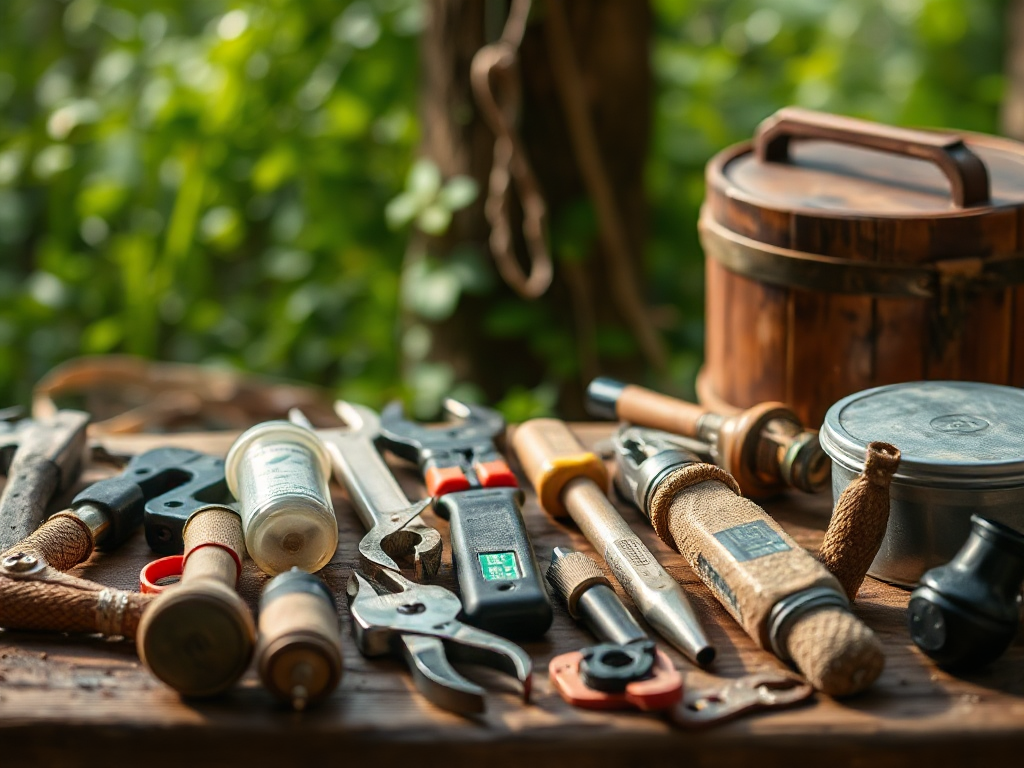
Essential tools for off-grid self-sustainability include a reliable hand-tool set, water-testing and filtration equipment, food-production tools, repair supplies, and safe power-system instruments. Prioritize tools that keep water drinkable, preserve shelter, produce or prepare food, and repair critical systems when stores are distant or electricity is unavailable. A digging fork, pruning saw, splitting maul, pressure canner, multimeter, pipe-repair kit, sharpening system, and well-maintained fasteners often deliver more resilience than specialized gadgets. Match each purchase to your climate, soil, building materials, energy system, and ability to maintain it; buying equipment without spare parts, storage, or training is a common failure.
Prioritize Tools by Consequence of Failure
The most valuable off-grid tools are not necessarily the largest, newest, or most versatile. They are the tools that restore a vital function when a system stops working. A hand pump repair kit may matter more than a broad collection of workshop equipment if the property depends on one well. Likewise, a pruning saw may be more useful than a chainsaw when regular trail clearing, fruit-tree maintenance, and small firewood tasks are the main workload.
Rank equipment by what happens if it is unavailable. Water access, sanitation, shelter, cooking, food storage, heat, transportation, and medical first aid deserve attention before convenience projects. A useful test is to ask whether a broken component can be bypassed, repaired, borrowed, or safely ignored for a week. If the answer is no, the associated tool and its consumables deserve a protected place in the inventory.
Local conditions should shape the list. Rocky soil calls for a digging bar and mattock; heavy clay may justify a sharp spade and broad fork. A wooded site needs cutting, splitting, and sharpening equipment, while an open prairie site may put fence tools, post-hole equipment, and wind-resistant fasteners first. Someone maintaining a solar system needs different diagnostic tools from someone operating a small hydro installation.
- Life-sustaining: water, sanitation, safe cooking, shelter, and first aid.
- System-preserving: repair, fastening, sharpening, testing, and cleaning tools.
- Productive: gardening, orchard care, livestock handling, harvesting, and preservation equipment.
- Convenience: specialized tools that save time but do not prevent a serious failure.
A common mistake is buying a tool for an imagined homestead rather than the actual property. Walk the land, identify the materials and systems already present, and record the jobs that recur during each season. The resulting list will be smaller, more affordable, and easier to maintain than a generic survival cache. Related planning is also useful when comparing essential off-grid tools with the equipment needed for water and energy independence.
Core Hand Tools for Land, Shelter, and Repairs
A durable hand-tool foundation covers digging, cutting, striking, gripping, measuring, fastening, and material preparation. Choose tools with replaceable handles, common fasteners, and sizes that match the construction methods used on the property. A quality shovel, digging fork, hoe, rake, mattock, bow saw, pruning saw, hatchet, and splitting maul can handle a wide range of outdoor work without depending on fuel or batteries.
Repair work requires a separate but equally important group. Keep combination wrenches, socket drivers, screwdrivers, pliers, adjustable wrenches, hex keys, a utility knife, a brace or hand drill, bits, a hacksaw, files, a level, a tape measure, clamps, and a heavy work surface. Add common screws, nails, washers, cotter pins, wire, hose clamps, thread-sealing material, and suitable adhesives. Fasteners are often the missing link: a wrench is of limited value if the replacement bolt or clamp is not available.
Consider the difference between a tool that performs a job and one that keeps performing it. A thin hardware-store shovel may bend in rocky ground, while a heavier model may be tiring for daily planting. A chainsaw can process firewood quickly, but it needs fuel, chain maintenance, protective equipment, and a way to manage mechanical faults. A bow saw is slower but quiet, simple, and less dependent on stored supplies. Neither option is universally correct.
Sharpening equipment deserves early attention. A file for saws, a sharpening stone or system for blades, a vise, and a means of maintaining axe edges can preserve the usefulness of tools that would otherwise become dangerous or inefficient. Dull cutting edges increase force, fatigue, slipping, and damage to the workpiece. Store clean tools under cover, oil exposed steel, and inspect wooden handles for cracks before demanding work.
Do not overlook safety equipment. Eye protection, work gloves suited to the task, hearing protection around engines, sturdy footwear, dust control, and task-specific protective clothing reduce the chance that one injury removes a person from essential work. A tool inventory should include instruction manuals and spare wear parts, not just the primary implements. Before expanding into advanced equipment, practice repairing a gate, sharpening a blade, replacing a hose fitting, and safely dismantling a failed hinge.
Water, Food, and Preservation Equipment
Water tools should be selected around the source, not around a preferred gadget. A household using a drilled well may need a manual backup pump, pipe wrenches, pressure-gauge access, tubing, fittings, and water-quality testing supplies. A surface-water setup needs settling containers, appropriate filtration, disinfection capability, covered storage, and a way to move water uphill. Testing helps identify whether a filter addresses the actual concern; clear water is not automatically safe water.
Keep several ways to move and store water. Food-grade containers with secure lids, buckets, a hand truck, hoses rated for potable use, siphoning equipment, and a gravity-fed backup can reduce dependence on one powered pump. Protect storage from sunlight, freezing, animals, and chemical contamination. A frequent failure is having a filter but no replacement elements, seals, prefilter material, or clean vessel for the treated water.
Food production calls for tools matched to scale. A garden hoe, broad fork, dibble, seed tray, hand trowel, harvest knife, row marker, pruning shears, and strong baskets may serve a small kitchen garden better than motorized equipment. Larger plots can justify a wheel hoe, scythe, tiller, or draft equipment, but each introduces maintenance, fuel, storage, or animal-care demands. Soil structure can also suffer when heavy machinery is used at the wrong moisture level.
Harvesting is only half the system. Drying racks with insect protection, fermentation vessels, accurate thermometers, pressure-canning equipment where appropriate, cutting boards, knives, grain or nut processing tools, and rodent-resistant storage extend the value of garden and livestock output. Pressure canning requires equipment used according to current tested instructions; improvised pressure vessels are not an acceptable substitute. Fermentation and drying also depend on cleanliness, suitable temperatures, and careful observation rather than wishful assumptions.
For example, a household growing beans may need trellis materials, a harvest basket, a drying screen, airtight storage, and a way to label dates more than it needs another cultivation tool. If preservation repeatedly fails because produce is harvested wet or containers admit pests, the solution may be workflow and storage design rather than a more expensive machine. Readers comparing tool priorities for self-sustainability should treat water safety and food preservation as linked systems: both require testing, cleanliness, redundancy, and consumable replacements.
Power, Maintenance, and Tool Readiness
Off-grid power systems need tools that reveal problems before a small fault becomes a long outage. A quality multimeter, noncontact voltage tester used appropriately, insulated hand tools for relevant electrical work, cable cutters, crimpers, torque tools, fuses, terminals, heat-shrink tubing, and labeling supplies form a useful maintenance kit. Electrical work can be hazardous; shut down and isolate equipment according to manufacturer instructions, and use a qualified professional for work beyond the operator’s training or local requirements.
Mechanical systems need different evidence. A tire gauge, pump, grease gun, oil-drain equipment, spark-plug socket, feeler gauges, thread chasers, pullers suited to owned machinery, and replacement belts can keep pumps, carts, generators, and small engines serviceable. Read the manuals before stocking fluids or parts because specifications vary. A common mistake is storing fuel or lubricants without a rotation plan, while neglecting filters, seals, shear pins, belts, and the simple tools needed to reach them.
Battery equipment is convenient for repetitive work, but it creates a charging and battery-management dependency. Corded tools may be practical near an inverter or workshop, while hand tools remain useful during low-generation periods or system faults. A generator can provide short-term output but does not replace load planning, ventilation, fuel storage discipline, or routine exercise and inspection. Choose the power source after identifying the tools that genuinely need it.
Readiness comes from rehearsal. Test a multimeter on a known circuit, assemble a hose repair, sharpen the saws, run the backup pump, and locate the shutoffs before an emergency. Keep a written maintenance log with dates, parts used, unusual sounds, pressure readings, and battery condition. Signs of a healthy system include predictable startup, stable readings, clean connections, and parts that are easy to locate. Warning signs include repeated fuse failures, unexplained voltage drops, overheating, leaks, vibration, or a repair that works only temporarily.
Redundancy should be selective. Two identical powered devices may fail for the same reason, whereas a hand-operated alternative can cover a different failure mode. Pairing a primary electric pump with a manual water method, or a powered saw with a maintained bow saw, often gives more resilience than buying two complex machines. The tradeoff is storage space and training time, so duplicate only the functions that affect safety or basic continuity.
Building a Practical Off-Grid Tool Inventory
Build the inventory in stages rather than purchasing a complete workshop at once. First document the property’s water source, heating method, cooking equipment, structures, vehicles, garden area, and likely seasonal work. Then list each system’s failure points and the tools, parts, and skills needed to address them. This approach exposes gaps such as a pump with no compatible wrench, a greenhouse with no repair film, or a wood stove with no safe method for moving fuel.
A compact priority review can use four questions: Does the tool protect health or shelter? Can it repair a system that cannot be bypassed? Will it be used several times per season? Can its operator maintain it safely? High-scoring items come first. Low-scoring specialty tools can be rented, borrowed, or purchased only when a project justifies them.
Storage affects reliability as much as tool quality. Keep corrosion-prone tools dry, separate fuel and chemicals from food equipment, protect batteries from unsuitable temperatures, and use labeled drawers or bins for fittings and fasteners. A wall chart showing tool locations and maintenance dates helps multiple household members work without wasting time. Include a small mobile repair kit for field jobs so a broken fence or irrigation line does not require repeated trips to the workshop.
Budget for the complete ownership cycle: purchase price, sharpening, replacement parts, protective equipment, consumables, and training. A durable hand tool may cost more initially but remain useful through repeated repairs, while an inexpensive powered device may become unusable when its proprietary battery or charger fails. The right comparison is not sticker price; it is the cost and consequences of keeping the function available.
Review the inventory after each demanding season. Record what broke, what was borrowed, which tools stayed unused, and which repairs took too long. That evidence supports better purchases than online popularity or large preparedness lists. A practical next step is to select one essential system, perform a supervised maintenance task, and stock the exact parts required for that task. Further planning can connect these choices with an off-grid self-sustainability checklist built around the actual site.
For reliable technical details, consult equipment manufacturers’ current manuals, local university extension publications on gardening and food preservation, and government food-safety guidance. These sources are more useful than generalized gear lists because they address operating limits, maintenance intervals, safe preservation methods, and conditions specific to the equipment or region.
Frequently Asked Questions
What should be purchased first for an off-grid property?
Start with tools for drinkable water, safe cooking, shelter repair, sanitation, and basic first aid. Add system-specific parts after inspecting the property.
Are hand tools better than powered tools?
Hand tools provide a useful backup during fuel, battery, or inverter failures, while powered tools reduce labor for repetitive or heavy work. A balanced kit uses each where its advantages justify the maintenance burden.
Which water tools are most commonly overlooked?
People often omit replacement filter elements, compatible pipe fittings, potable-water hoses, covered storage containers, testing supplies, and a non-electric way to move water.
How can a tool inventory stay affordable?
Buy durable core tools first, borrow or rent specialty equipment, purchase common replacement parts, and delay machines until the workload and maintenance capacity are clear.
How often should off-grid tools be checked?
Inspect frequently used tools before seasonal work and review the full inventory at least once each year. Check corrosion, edges, handles, batteries, consumables, and missing fasteners.
Further Reading
Authoritative Sources
- Academy of Nutrition and Dietetics
eatright.orgProfessional nutrition guidance, healthy eating resources, and practical dietitian-reviewed advice.
- U.S. Department of Agriculture
usda.govOfficial food, nutrition, agriculture, and consumer guidance from the USDA.
- NIH Office of Dietary Supplements
ods.od.nih.govResearch-based fact sheets on nutrients, supplements, dietary intake, and safety considerations.
- International Society of Sports Nutrition
sportsnutritionsociety.orgEvidence-informed sports nutrition resources and position stands for active people and athletes.
Conclusion
A resilient off-grid tool collection is built around critical functions rather than impressive equipment counts. Secure water-handling and testing supplies, dependable hand tools, repair hardware, food-production implements, preservation equipment, and safe diagnostic instruments before adding specialized machinery. Match every purchase to the site’s soil, climate, structures, energy system, and the skills available in the household. Store tools where they remain dry and accessible, keep replacement parts with the equipment, and practice the repairs that would matter during a prolonged interruption. After one full season, revise the inventory using actual failures and borrowed items as evidence. The strongest setup is not the one with the most gear; it is the one that keeps essential systems understandable, repairable, and usable when outside support is delayed.