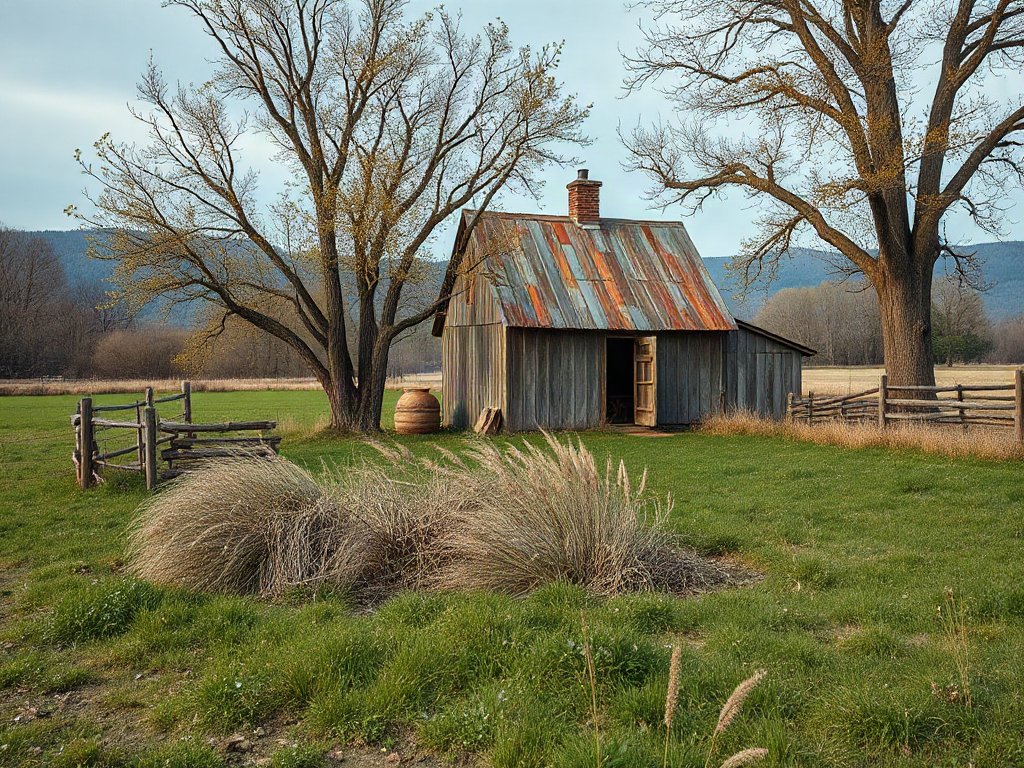
Rural homesteading balances isolation and resilience by limiting dependence on fragile supply lines without severing access to neighbors, medical care, repair services, and emergency support. A durable setup combines stored water, backup heat, food reserves, redundant communications, and realistic transportation planning. Resilience also depends on reciprocal local relationships, because injuries, wildfires, equipment failures, and prolonged outages can exceed one household’s capacity. Before pursuing greater remoteness, evaluate road access, seasonal weather, well and septic reliability, response times, and the physical workload required to keep essential systems operating when a household member is unavailable.
How Much Isolation Is Manageable?
Manageable isolation is determined by access and household capacity, not simply by the distance to the nearest town. Ten miles on a maintained paved road may create fewer difficulties than three miles on a steep private track that washes out, drifts shut, or becomes impassable during thaw. Travel time also changes after dark, in severe weather, or when the household’s most capable driver is injured or away.
Before choosing or expanding a rural property, map the services that cannot be produced at home. Include emergency medical care, pharmacies, fuel, veterinary services, feed suppliers, hardware stores, equipment repair, and a safe place to stay during evacuation. Record ordinary travel times, then consider plausible disruptions such as a downed tree, flooded crossing, wildfire closure, or vehicle breakdown. A property is not truly accessible merely because a passenger car reached it during a dry summer showing.
Personal capacity sets another limit. Livestock watering, snow removal, generator fueling, firewood handling, food preservation, and road maintenance can overlap during the hardest part of the year. A two-adult household may manage that workload until illness, pregnancy, aging, travel, or an injury removes one person. Designing every critical task around the strongest household member creates a hidden single point of failure.
Compare romantic remoteness with functional remoteness. The more isolated parcel may offer quiet, lower visibility, and additional land, but it can also require a second vehicle, heavier road equipment, more fuel storage, and longer absences from the property during supply runs. A location closer to a small town may sacrifice some privacy while providing faster repairs, easier medical access, and neighbors who can notice smoke or loose animals.
A practical site review should answer five questions:
- Can two different vehicles reach the property during the worst local season?
- Is there more than one usable route out, or a safe plan if the only route closes?
- Can another person operate the gate, pump, heat source, and animal systems?
- How long can essential household functions continue without a trip to town?
- Which conditions would trigger sheltering elsewhere rather than staying put?
Warning signs include routinely delayed maintenance, skipped medical appointments, dependence on a single driver, or anxiety whenever weather threatens the access road. Those signals do not necessarily require abandoning rural life. They indicate that access improvements, a smaller livestock load, closer service relationships, or a less remote property may create more resilience than adding another independent production project.
Which Homestead Systems Need Redundancy?
Redundancy belongs first in systems whose failure quickly threatens health, shelter, or evacuation. Water, temperature control, sanitation, communications, and transportation usually outrank gardens, workshops, or expanded livestock facilities. Producing more food has limited value if a failed well pump leaves the household and animals without usable water.
Water planning should separate the source, lifting method, treatment, storage, and distribution system. A productive well is still vulnerable if it relies on one electric pump and the grid fails. Stored potable water can cover drinking and cooking, while a gravity-fed tank or safely accessible secondary supply may serve sanitation or livestock. Any alternative source requires suitable treatment and testing; clear water should not be assumed safe. Private-well owners should use local public health or extension guidance for testing and contamination concerns.
Heating resilience depends on climate and the house. A wood stove may provide dependable backup heat where fuel is available and someone can safely cut, season, carry, and burn wood. It is less useful if insurance, chimney condition, air quality, physical limitations, or unattended operation make it impractical. Propane appliances, generators, and battery systems offer different advantages, but each has fuel, ventilation, maintenance, capacity, and operating limits. Backup equipment should be installed and used according to manufacturer requirements and applicable local codes.
| Essential Function | Primary System | Useful Backup | Failure Signal |
|---|---|---|---|
| Household water | Electric well pump | Potable storage and compatible alternate pumping | Pressure loss, cloudy water, or declining output |
| Winter heat | Central heating system | Properly installed secondary heat source | Unreliable ignition, fuel shortage, or unsafe indoor temperature |
| Communication | Mobile phone | Charged power bank, radio, or another locally effective method | Dead zones or battery loss during outages |
| Transportation | Daily-use vehicle | Maintained second option or neighbor agreement | Deferred repairs or seasonally impassable roads |
Communications deserve a location-specific test. A satellite device may be valuable beyond mobile coverage, while a radio may be more useful where an active local network exists. Buying equipment without knowing who can receive the message creates the appearance of redundancy rather than an operational backup. Keep written contact numbers, directions, medical details, and property access instructions available when internet service is unavailable.
The common mistake is collecting backups without maintaining them. Stale fuel, discharged batteries, seized transfer pumps, expired filters, and inaccessible shutoff valves fail at the exact moment they are needed. Assign each critical system a primary method, one genuinely independent backup, a named operator, and a recurring test. Resilience comes from working alternatives, not the number of objects stored in an outbuilding.
Building Local Support Without Losing Privacy
Local support can remain selective and practical without turning a private homestead into a social hub. Rural reciprocity often begins with clear, limited agreements: exchanging phone numbers with an adjacent landowner, identifying who has a tractor or chainsaw, sharing notice of a loose animal, or arranging a check-in during severe weather. The purpose is not constant involvement; it is dependable contact before circumstances become urgent.
Isolation becomes hazardous when nobody notices a problem. A chimney fire, overturned tractor, escaped livestock, or medical event can overwhelm a household before distant services arrive. Nearby people may be able to call for help, provide access information, move animals, or clear a minor obstruction. That support works best when names, gates, routes, and expectations are already familiar rather than negotiated during an emergency.
Privacy boundaries should be explicit. A household might give one trusted neighbor an emergency contact sheet and permission to enter only for visible fire, animal distress, or a missed check-in. Another arrangement could cover feeding animals for forty-eight hours while reserving financial decisions and property access for family. Spare keys, alarm details, medications, and personal records should be shared only when necessary and stored securely.
Reciprocity matters more than vague friendliness. Someone who regularly asks for road clearing, animal care, or equipment use without returning labor, fuel, payment, or another useful contribution will weaken the relationship. Contributions do not need to match task for task. A household without heavy machinery might provide meals during storm cleanup, watch a neighbor’s property, share produce, or maintain a communications list. The exchange should remain voluntary and realistic.
Formal services still have a role. Good neighbor relationships do not replace emergency responders, licensed trades, medical care, veterinary treatment, or insurance. They fill the gap between recognizing a problem and obtaining appropriate help. Likewise, mutual aid should never require an untrained person to enter a hazardous structure, handle unstable machinery, or attempt a rescue beyond their ability.
Signs that the social side of resilience is working include current contact information, successful low-stakes exchanges, clear property directions, and at least one person who will notice an unusual absence. Failure signs include unanswered messages, unspoken assumptions about borrowing equipment, unresolved boundary disputes, or reliance on a single elderly or frequently absent neighbor. If local trust is thin, prioritize building two or three modest, reliable connections rather than trying to create a broad network immediately.
How Do You Test a Homestead Before a Crisis?
A homestead test should simulate the loss of one essential service without creating a dangerous situation. Planned exercises reveal whether stored supplies are reachable, instructions make sense, equipment starts, and less-experienced household members can perform required tasks. The goal is to find friction while normal services remain available.
Begin with a written dependency audit. Choose one essential function and trace everything it needs. A well may depend on grid power, a pressure tank, electrical controls, plumbing that cannot freeze, and a person who knows the reset procedure. A livestock watering plan may also require hoses, valves, passable paths, and enough physical strength to move water. The audit often exposes several connected failures behind what appeared to be one reliable system.
Next, conduct a bounded drill. During a short simulated power outage, avoid using grid-dependent water and cooking systems while keeping the main breaker on for safety. Track how much stored water is used, whether lighting reaches utility areas, and which devices cannot be charged. In winter, a heating drill should not allow the home to reach unsafe temperatures; instead, verify the backup’s operation, fuel supply, clearances, alarms, and startup sequence under controlled conditions.
Use a simple after-action checklist:
- Record the failure: note what did not start, fit, reach, or make sense.
- Identify the cause: distinguish missing skill from missing equipment or poor maintenance.
- Correct the weakest link: repair the pump before buying more storage containers.
- Assign responsibility: name who tests, rotates, fuels, or replaces each item.
- Repeat the drill: confirm that the correction works under realistic conditions.
Seasonal testing is more informative than a one-time exercise. Summer may expose low well yield, wildfire access concerns, or refrigeration dependence. Winter reveals frozen lines, starting-battery weakness, snow-load problems, and fuel consumption. Spring can show drainage failures and road damage. Compare the household’s performance across those conditions rather than assuming one successful weekend proves year-round readiness.
A failing approach produces recurring emergency purchases, equipment nobody can operate, exhausted caregivers, or backups that depend on the same electricity, road, or fuel as the primary system. A working approach reduces improvisation: controls are labeled, consumables are rotated, another person can take over chores, and the household knows when to seek outside help or leave. Treat every drill as a maintenance decision, not a test of toughness.
Conclusion
A resilient rural property is built by reducing critical dependencies while preserving realistic routes to assistance. Start with an honest assessment of winter access, water, heat, sanitation, communications, transportation, and the workload another person would inherit during an illness or absence. Then give each essential function a tested alternative that does not fail for the same reason as the primary system.
Strengthen the human side at the same time. Establish a few reciprocal local contacts, define privacy boundaries, and document when to call professionals or evacuate. The next useful step is a single-system drill followed by a written correction list. Repair the weakest link before adding new animals, acreage, or production projects. That sequence turns remoteness from an unmanaged vulnerability into a deliberate and supportable way of living.
Frequently Asked Questions
How remote is too remote for a homestead?
A property may be too remote when seasonal access, medical travel, supply runs, or maintenance demands exceed the household’s vehicles, time, health, and backup support. Judge remoteness by worst-season travel and service access, not mileage alone.
What should a rural homestead back up first?
Prioritize drinking water, safe heating or cooling, sanitation, communications, and transportation. These functions affect health and evacuation sooner than expanded food production or convenience equipment.
Does self-reliance mean avoiding outside help?
No. Durable self-reliance includes knowing which tasks the household can handle and maintaining dependable access to neighbors, emergency services, tradespeople, medical care, and suppliers for problems beyond that capacity.
How can homesteaders maintain privacy while building community?
Use limited agreements with trusted people, such as weather check-ins, animal alerts, or emergency-only property access. Share only the contact details, keys, and instructions needed for the agreed purpose.
How often should backup systems be tested?
Use manufacturer instructions and test systems often enough to catch fuel, battery, mechanical, and operator problems before seasonal hazards arrive. Schedule additional checks before winter, wildfire season, or other locally disruptive conditions.
Further Reading
Authoritative Sources
- Build an Emergency Kit
ready.govFederal preparedness guidance helps households plan essential supplies for outages, disrupted roads, and other emergencies
- Water Treatment Options When Hiking, Camping or Traveling
cdc.govCDC guidance explains why untreated alternative water sources require an appropriate treatment approach
- Private Drinking Water Wells
epa.govEPA resources cover private-well stewardship, testing considerations, and contamination risks relevant to rural properties
- Wildfires
ready.govThis resource provides practical preparation and evacuation information for rural households exposed to wildfire conditions