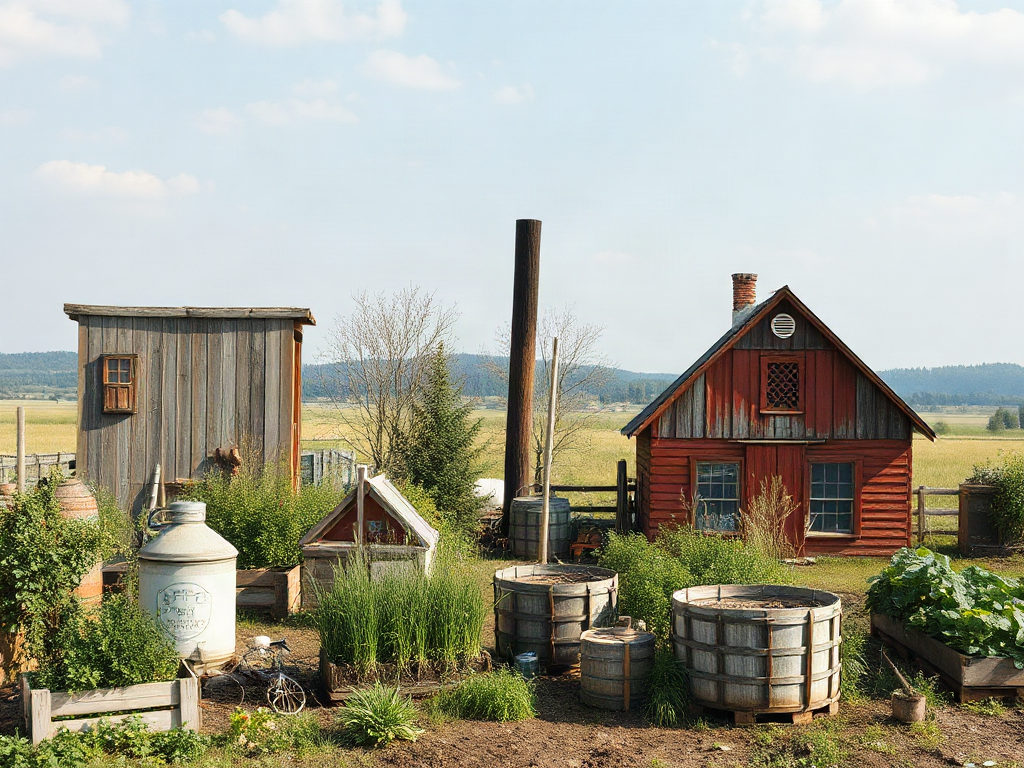
Getting started with homesteading while working full time is most manageable when you limit the first season to one food-growing project, one household skill, and a weekly maintenance schedule. Choose forgiving systems such as a small raised bed, countertop food preservation, or six laying hens only after confirming local rules and arranging dependable daily care. Budget for fencing, water access, feed, soil, and repairs before expanding. Favor projects that tolerate a missed evening, automate repetitive chores where practical, and keep backup help available.
What Should Your First Homesteading Season Include?
A workable first season should test your available time rather than your enthusiasm. Limit the season to a small production project, a household skill, and one supporting system. That might mean growing tomatoes and herbs in two beds, learning to freeze the surplus, and installing a simple watering setup. The combination produces useful food while revealing how much evening and weekend labor your job actually leaves available.
Start by inventorying the property before buying animals, tools, or lumber. Note where sunlight falls, how water reaches the growing area, whether runoff collects after rain, where supplies can be stored, and how far you must carry feed or compost. A garden beside a hose and kitchen door is often more sustainable than a larger plot at the edge of the property. Repeated walking, hose moving, and tool retrieval turn minor design weaknesses into lost time during a busy workweek.
Define success in operational terms. For a first garden, success may mean keeping four crops watered, harvested, and used without losing produce in the refrigerator. For food preservation, it may mean freezing several meal-sized portions rather than filling a pantry. These measures expose whether the project fits your household routines. Acreage developed, animals acquired, or jars accumulated can look productive while hiding waste and unfinished maintenance.
A compact first-season scope could include:
- One production project: two raised beds, a patio container garden, or a modest in-ground plot.
- One household skill: freezing produce, baking bread weekly, composting kitchen scraps, or repairing basic hand tools.
- One labor-saving improvement: mulch, a hose timer, organized storage, or a wheeled garden cart.
The common mistake is launching several systems at once because each appears simple on its own. A garden, chickens, compost pile, orchard, and preserving plan do not create five separate workloads; their peak demands can collide. Seedlings need transplanting when grass is growing quickly, chickens still need care during overtime, and ripe produce cannot wait for a convenient weekend. Treat the first year as a capacity test. If routine work is completed without repeated rescue sessions, the scope is probably appropriate. If weeds set seed, harvests spoil, or chores regularly interfere with sleep, reduce the system before adding anything else.
How Do You Fit Homestead Work Around a Full-Time Job?
Homestead work fits around employment when chores are divided by urgency, duration, and daylight requirements. Daily biological needs—animal water, feeding, egg collection, and checking vulnerable seedlings—cannot be postponed like shed organization. Harvesting may have a short window, while fence repair or compost turning can often move to a weekend. Scheduling every task as equally urgent creates unnecessary pressure and makes genuine problems harder to spot.
Build the schedule from the workweek outward. Identify two short weekday periods that are normally protected and one longer weekend block. A realistic arrangement might reserve 20 minutes before work for an animal or irrigation check, 30 minutes after work for harvesting and watering, and two or three hours on Saturday for planting, mowing, repairs, or processing produce. Commuting time, seasonal darkness, family obligations, and overtime all reduce those windows, so do not assign every available minute.
| Work Category | Typical Timing | Examples | Backup Plan |
|---|---|---|---|
| Cannot wait | Daily | Animal water, feed, health check | Named household member or nearby caretaker |
| Short window | Several times weekly | Harvesting, seedling checks, irrigation adjustment | Pick early, refrigerate, or simplify crops |
| Flexible | Weekend or scheduled evening | Mulching, tool care, compost turning | Move to the next open work block |
| Seasonal surge | Planned in advance | Planting, preserving, winter preparation | Reduce volume or recruit help |
Batch compatible tasks to reduce setup time. Carry a harvest basket while checking irrigation, store frequently used tools close to the garden, and wash produce once rather than after every picking. Automation can remove repetitive labor, but it still needs inspection. A timer does not reveal a split hose, an empty rain tank, or a clogged emitter. Use automation to shorten rounds, not to eliminate observation.
Leave at least one unscheduled buffer period each week. Weather delays, equipment failures, and unexpected job demands are normal operating conditions, not exceptional events. A schedule is working when critical chores are completed without constant catch-up, the household can take an evening off, and small failures are noticed early. Warning signs include routinely working after dark, postponing animal care, buying replacements because supplies cannot be found, or sacrificing every weekend to recover from weekday neglect. When those signs persist, remove a task or shrink the project rather than searching for a more elaborate planner.
Which Homesteading Projects Suit Limited Time?
The best early projects have flexible timing, low consequences when a day changes unexpectedly, and outputs your household will actually use. Culinary herbs, salad greens near the kitchen, bush beans, potatoes, and a few mulched tomatoes can be more suitable than a large mixed garden. Perennial herbs and berry plants may reduce annual replanting, although they still need establishment care, pruning, and protection suited to local conditions.
Compare projects by their recurring workload rather than their appealing end product. A container garden is quick to establish but may dry out faster than an in-ground bed. Raised beds simplify access and soil management, yet the lumber, soil volume, and irrigation add upfront expense. An in-ground plot can cost less to open, but sod removal, weeds, drainage, and soil improvement may demand more labor. The appropriate choice depends on the site and the time available during the hottest or busiest part of the growing season.
Food skills are often safer first steps than livestock. Freezing garden produce, making stock from kitchen scraps, drying herbs, cooking dried beans, or organizing a cool storage area can be practiced in small batches. Home canning requires tested recipes, appropriate equipment, and careful processing; it should not be improvised simply to save an overflowing harvest. Freezing is often more forgiving for a worker who has only an evening available, though it depends on freezer space and reliable electricity.
Livestock changes the commitment because care continues through bad weather, illness, holidays, and late shifts. Laying hens may appear beginner-friendly, but they need secure housing, daily food and water, manure management, predator protection, and a caretaker when the household travels. Local zoning or association rules may restrict flock size, structures, or animal keeping. Confirm those constraints before purchasing chicks or building a coop. A worker with unpredictable shifts may be better served by a garden and preservation system until dependable backup care exists.
Judge a possible project with four questions: Does it require attention at a fixed time? What happens if you are 12 hours late? Who can maintain it during travel or illness? Will the household use the output during peak production? A successful limited-time project remains functional during an unusually demanding week. Failure usually begins when someone chooses according to imagined savings or self-sufficiency rather than the least flexible chore the project creates.
How Should You Budget and Expand Without Overcommitting?
A homestead budget should separate setup purchases from recurring and failure-related costs. Garden beds may require soil, compost, supports, mulch, seed-starting materials, and water delivery. Chickens add feed, bedding, secure fencing, housing maintenance, and replacement equipment after the coop is built. An inexpensive project can become costly when rushed purchases, undersized infrastructure, or repeated repairs are excluded from the estimate.
Price the complete operating system before committing. For a garden, that means accounting for the route from water source to plants, storage for tools, harvest containers, and a plan for using surplus. For livestock, include a secure enclosure, feed storage protected from moisture and pests, winter water arrangements where needed, and paid or reciprocal care during absences. Used tools can lower costs, but damaged handles, dull blades, missing guards, or unsafe electrical components can erase the savings. Buy simple, durable equipment for frequent tasks and borrow or rent specialized tools used once a year.
Expansion should follow evidence from a full workload cycle. Add another bed only after seeing how planting, summer watering, harvest, and cleanup fit together. Consider animals only after fixed daily chores can be protected through overtime, weekends away, and severe weather. Permanent infrastructure deserves even more caution because poorly placed fencing, sheds, or water lines are expensive to relocate.
Use a short expansion gate before approving the next project:
- Existing chores have been completed reliably for an entire active season.
- The current system has enough water, storage, fencing, and processing capacity.
- A specific person can cover time-sensitive work during an absence.
- The household uses or preserves most of what the project produces.
- The next purchase can be funded without relying on uncertain future savings.
Claims that a project will quickly pay for itself deserve scrutiny. Home production can provide fresher food, useful skills, and greater control over some household supplies, but small-scale output does not automatically cost less than store purchases. Time, infrastructure, losses, feed, utilities, and repairs all matter. Track spending and labor for decision-making without turning every hour into a wage calculation. If a project repeatedly creates waste, emergency purchases, or resentment, redesigning or discontinuing it is sound management—not a failure of commitment.
Frequently Asked Questions
How much time should a beginner set aside each week?
Begin with several short weekday check-ins and one two- to three-hour weekend block. The actual need varies by season and project, so record your time during planting, peak growth, harvest, and cleanup before expanding.
Can I homestead if I live in a suburb?
Yes. A suburban lot can support vegetables, herbs, composting, rain-conscious irrigation, food preservation, and practical household skills. Check local rules before adding animals, accessory structures, tall fencing, or roadside sales.
Should I start with a garden or chickens?
A garden is usually more forgiving because many tasks can shift by a day and the project can be reduced midseason. Chickens create daily obligations and require secure housing plus dependable care during travel or overtime.
What is the easiest food crop for a busy worker?
No crop is effortless, but compact crops suited to your climate and meals are easier to manage. Herbs, bush beans, potatoes, and a few mulched tomatoes are practical possibilities when water is close and planting remains modest.
When should I add another homesteading project?
Add one after the existing system has passed through its busiest season without neglected chores, wasted output, or repeated emergency spending. Confirm that infrastructure and backup care can absorb the additional workload first.
Conclusion
Full-time employment makes project selection and system design more important than the size of the property. Begin with work that can survive schedule changes, place water and tools where they reduce repeated effort, and reserve fixed time for genuinely urgent chores. Track what the first active season costs in labor, supplies, and household attention.
Your next step is to choose one production project and map every task it creates—from setup through harvest or winter care. Remove anything that lacks water access, storage, a plan for the output, or backup coverage. After the system remains dependable through a demanding week and its seasonal peak, consider one carefully supported addition. Slow expansion protects animals, crops, finances, and personal time while producing a homestead that can function beyond the excitement of its first few months.