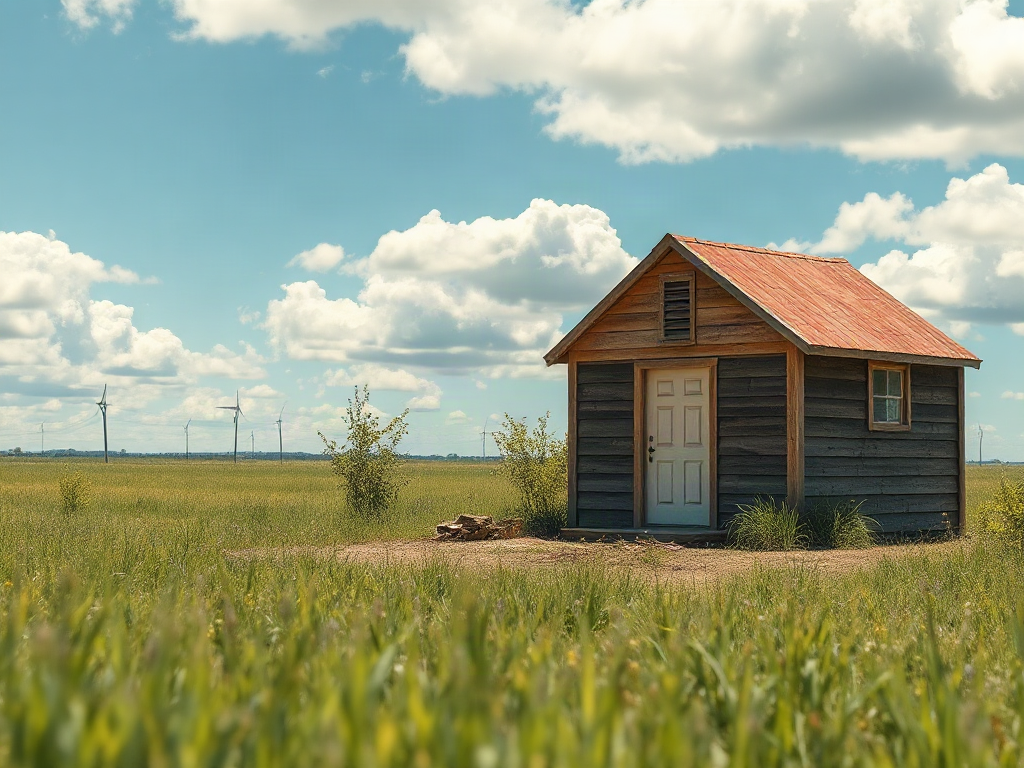
Four-acre self-sufficiency is most achievable when the land is organized around food production, dependable water, soil fertility, and modest energy needs rather than total isolation from outside supplies. Reserve the best soil and sunlight for intensive vegetables, add perennial fruit and small livestock only after fencing and water systems work, and maintain storage for seasonal harvests. Compost, crop rotation, rain capture where permitted, and efficient irrigation reduce recurring inputs. A household should still expect to purchase some fuel, tools, animal feed, medical care, and staple foods, because trying to produce everything on four acres usually creates excessive labor and fragile systems.
What Can Four Acres Realistically Produce?
Four acres can supply a substantial share of a household’s vegetables, fruit, eggs, herbs, and selected meat, but acreage alone does not determine the outcome. Usable sunlight, soil depth, drainage, water availability, local growing seasons, household diet, and available labor matter more than the number printed on the deed. A wooded, steep, or waterlogged parcel may have far less productive space than four open acres of well-drained ground.
The most workable goal is selective self-sufficiency: produce foods that suit the site and replace expensive or frequently purchased items while retaining access to goods that are inefficient to make at home. Salad greens, tomatoes, cooking herbs, berries, eggs, and storage vegetables can deliver considerable household value from limited space. Wheat, cooking oil, livestock grain, salt, and fuel generally require more land, specialized processing, or outside purchases.
Diet shapes the land plan. A household that eats plenty of fresh vegetables, potatoes, beans, eggs, and preserved fruit can obtain more from four acres than one expecting regular home-raised beef and large quantities of grain. Small ruminants may fit some parcels, but grazing four acres continuously is likely to damage pasture unless stocking is conservative and purchased hay remains available. Poultry and rabbits use less ground, although neither removes the need for feed, housing, sanitation, and daily care.
Labor is another limiting resource. A large garden, orchard, laying flock, fencing network, compost operation, and preservation schedule can collide during planting and harvest season. Beginning with a quarter-acre or less of intensively managed annual crops often produces a better result than cultivating an acre before irrigation, weed control, and storage routines are dependable.
Measure progress through reduced grocery dependence, improving soil, reliable harvests, and manageable chores—not through a claim of complete independence. Warning signs include unused produce, recurring animal escapes, emergency water hauling, persistent weed pressure, and projects that depend on constant unpaid labor. Those failures usually indicate excessive scale or poor sequencing rather than insufficient acreage.
How Should the Land Be Designed for Food, Water, and Access?
A four-acre layout should place frequently tended systems close to the house and reserve distant ground for lower-attention uses. Kitchen herbs, salad beds, seedlings, compost, and laying hens need regular observation. An orchard, coppice planting, wildlife strip, or rotational paddock can occupy outer areas where daily foot traffic is less important.
Map the property through a full cycle of seasons before committing to permanent structures. Record where winter sun reaches the ground, where rainwater collects, which slopes dry first, how prevailing wind moves, and where vehicles can enter without crossing growing beds. A summer-only assessment can hide frost pockets, saturated spring soil, and shade cast by leafless-season sun angles or nearby buildings.
Water deserves attention before beds are expanded. Calculate demand from the crops and animals actually planned, then confirm that the well, municipal connection, pond, cistern, or legal rainwater system can meet dry-period needs. Drip irrigation delivers water near plant roots and reduces wet foliage, but filters clog and lines require inspection. Overhead sprinklers are easier to move yet lose more water to wind and can encourage foliar disease in susceptible crops.
Roof runoff can supplement irrigation where collection is permitted, although storage capacity and rainfall timing determine its usefulness. Water intended for household drinking involves separate treatment, testing, plumbing, and regulatory considerations; a garden cistern should not be assumed to provide potable water. Overflow also needs a stable route away from foundations, animal areas, and erodible slopes.
Access lanes, gates, and work surfaces consume productive area but prevent larger losses. Compost ingredients, mulch, feed, fencing materials, and harvested produce must move in and out. A narrow layout that looks efficient on paper can become awkward when a delivery vehicle cannot reach a barn or a wheelbarrow must cross muddy ground repeatedly.
A practical first draft assigns sunny, well-drained ground to annual vegetables; permanent rows to berries and dwarf fruit trees; serviceable space to sheds and compost; and marginal edges to pollinator habitat, wind protection, or wood production. Avoid placing an orchard where it will eventually shade the main garden. The design is working when chores follow short routes, irrigation reaches every productive zone, and stormwater leaves without stripping soil.
How Do You Build Soil and Produce Food Year-Round?
Reliable food production begins with a soil test and a crop plan tied to household meals. A laboratory test can identify pH and nutrient conditions, while physical observation reveals compaction, drainage, and organic matter behavior. Adding fertilizer without test results may waste money or create nutrient imbalances. County or university extension services can usually explain suitable sampling methods and local interpretation.
Concentrated beds are easier to improve than an oversized field. Compost, leaf mold, cover crops, crop residues, and carefully chosen mulches protect the surface and feed soil organisms as they decompose. Organic amendments do not correct every problem immediately: heavy clay still needs protection from traffic when wet, and sandy soil may require repeated organic inputs because water and nutrients move through it quickly.
Crop diversity spreads risk across weather and pests. A useful annual mix includes quick crops such as radishes and lettuce, warm-season crops such as beans and tomatoes, and storage crops such as potatoes, winter squash, onions, and carrots. Perennials—including asparagus, rhubarb, berries, culinary herbs, and appropriately selected fruit trees—reduce annual replanting but occupy their location for years. Cultivar choice should match local cold, heat, disease, and chill-hour conditions rather than relying on attractive catalog descriptions.
Preservation turns a seasonal surplus into winter food. Freezing is accessible but depends on electricity and freezer space. Water-bath canning is appropriate only for suitable high-acid foods and tested recipes; low-acid foods require pressure canning with validated procedures. Dehydration works well for many herbs, fruits, and some vegetables, while a cool storage area may hold potatoes, onions, squash, and roots if temperature and humidity suit each crop. Food-safety instructions should come from current extension or National Center for Home Food Preservation resources rather than improvised recipes.
Track harvests by weight or household use for at least one season. If zucchini repeatedly goes to waste while onions run out in January, next year’s allocation is clear. Poor plant growth despite adequate moisture may point to soil, temperature, root disease, or sunlight problems; adding more fertilizer is not a universal fix. Success appears as stable yields, less exposed soil, fewer emergency inputs, and a preservation schedule the household can complete without losing produce.
Which Livestock, Energy, and Outside Inputs Make Sense?
Livestock should be added for a defined purpose after shelter, fencing, water, feed storage, manure handling, and backup care are ready. Laying hens can convert purchased feed and household-appropriate scraps into eggs and manure, but they also attract predators and require daily attention. Rabbits occupy little space and produce manure that can contribute to a compost system, although processing and breeding may not fit every household.
Goats and sheep demand more infrastructure than their size suggests. Secure fencing, hoof care, parasite management, weather protection, and seasonal forage planning remain necessary. Four acres may support limited rotational browsing or grazing under favorable conditions, but stocking capacity changes with rainfall, soil, plant species, and winter dormancy. Buying hay or reducing animal numbers is often preferable to stripping pasture and increasing erosion.
Compare an animal enterprise with its simpler alternative. Purchasing eggs from a nearby producer may cost less than maintaining a small flock once housing, feed, bedding, and losses are counted. Keeping hens can still make sense when fresh eggs, manure, pest scratching, and animal husbandry are valued together. The decision should account for every-day chores and absence coverage, not only retail food prices.
Energy planning follows the same principle of reducing demand before producing power. Insulation, shade, efficient appliances, line-drying, and well-designed food storage may lower household energy needs without a large generation system. Solar electricity can support some loads where site exposure and finances align, but batteries, inverters, maintenance, permitting, and backup arrangements affect cost and resilience. Heating, cooking, pumping, and refrigeration should each have a realistic outage plan rather than relying on a single system.
Outside inputs are not evidence of failure. Seeds, replacement tools, veterinary services, feed minerals, fuel, and machine work may preserve land health and household time. A fragile setup hides these dependencies until a vehicle breaks, drought reduces forage, or the main caretaker becomes ill. Keep essential spares, maintain supplier relationships, and identify who can handle animals and irrigation during an absence. Resilience comes from visible dependencies and workable backups, not pretending they do not exist.
A Practical Four-Acre Priority Checklist
Development should follow dependency order: secure essentials first, then add systems that rely on them. Installing an orchard before observing drainage can lock years of effort into the wrong location, while buying animals before finishing fencing turns an infrastructure task into an emergency.
- Document the site: map sun, slope, wet areas, soil conditions, frost exposure, access, utilities, and applicable land-use restrictions.
- Secure water: verify supply, distribution, storage, freeze protection, drainage, and a backup method for crops and animals.
- Build a manageable garden: begin with foods the household eats, install irrigation, and establish weed and compost routines.
- Add durable food crops: plant locally suitable berries, herbs, and fruit trees after permanent zones are confirmed.
- Prepare storage and preservation: create clean harvest space, shelves, containers, freezer capacity, and safe processing procedures.
- Introduce livestock last: complete shelter, fencing, feed storage, manure management, predator protection, and relief-care arrangements first.
Budget each stage for maintenance as well as installation. Fences need repairs, fruit trees need pruning, pumps wear out, and preserving supplies must be replaced. Leaving financial and physical capacity for those recurring demands produces more security than filling every acre quickly.
Review the system after each growing season. Compare planned crops with actual meals, record purchased feed and inputs, note where chores bottlenecked, and remove enterprises that consume more time than their value justifies. Expansion is warranted when current beds remain productive, harvests are used, water stays adequate during dry weather, and routine care fits ordinary weeks. Scale back when preservation backlogs, neglected repairs, declining pasture, or chronic exhaustion become normal.
Conclusion
A productive four-acre property is built by matching ambitions to the site’s water, soil, sunlight, access, and available labor. Begin with observation, testing, and a modest garden; then strengthen irrigation, composting, storage, and preservation before adding permanent crops or animals. Treat purchased feed, fuel, tools, and professional services as planned dependencies rather than hidden failures.
The next useful step is to draw a scaled property map and record seasonal conditions, existing infrastructure, and household food priorities. Choose one first-year production area that can be maintained during the busiest month, not merely planted in spring. Expand only after harvests are used, soil coverage improves, and routine chores remain sustainable. That measured sequence protects both the land and the household from an expensive collection of unfinished projects.
Frequently Asked Questions
Can a family live entirely from four acres?
Complete independence is unlikely for most families, but four acres can provide a large share of vegetables, fruit, eggs, and selected animal products. Climate, soil, diet, water, labor, and storage capacity set the practical limit.
How much of the property should become a vegetable garden?
Start with no more space than can be irrigated, weeded, harvested, and preserved consistently. A well-managed intensive plot often serves a household better than a much larger garden with exposed soil and neglected crops.
What should be installed first on undeveloped land?
Confirm legal access, water, drainage, soil conditions, and utility needs before permanent planting or livestock. These systems determine where gardens, buildings, lanes, orchards, and animal areas can function safely.
Are chickens the best first livestock?
Chickens are often manageable for new keepers, but only after secure housing, predator protection, feed storage, water, manure handling, and backup care are ready. Local rules may restrict flock size or placement.
How long does a four-acre homestead take to establish?
Annual vegetables may contribute food in the first growing season, while orchards, improved soil, dependable preservation routines, and mature infrastructure develop over several years. Phased construction reduces costly siting mistakes.
Further Reading
Authoritative Sources
- USDA Natural Resources Conservation Service: Soils
nrcs.usda.govProvides foundational information about soil properties, soil health, erosion, and land-management concerns
- Extension Foundation
extension.orgConnects readers with practical, research-based agricultural information and local extension expertise
- National Center for Home Food Preservation
nchfp.uga.eduOffers tested guidance for canning, freezing, drying, fermenting, and storing home-grown food
- EPA WaterSense
epa.govExplains water-efficiency practices that can inform household and landscape water planning