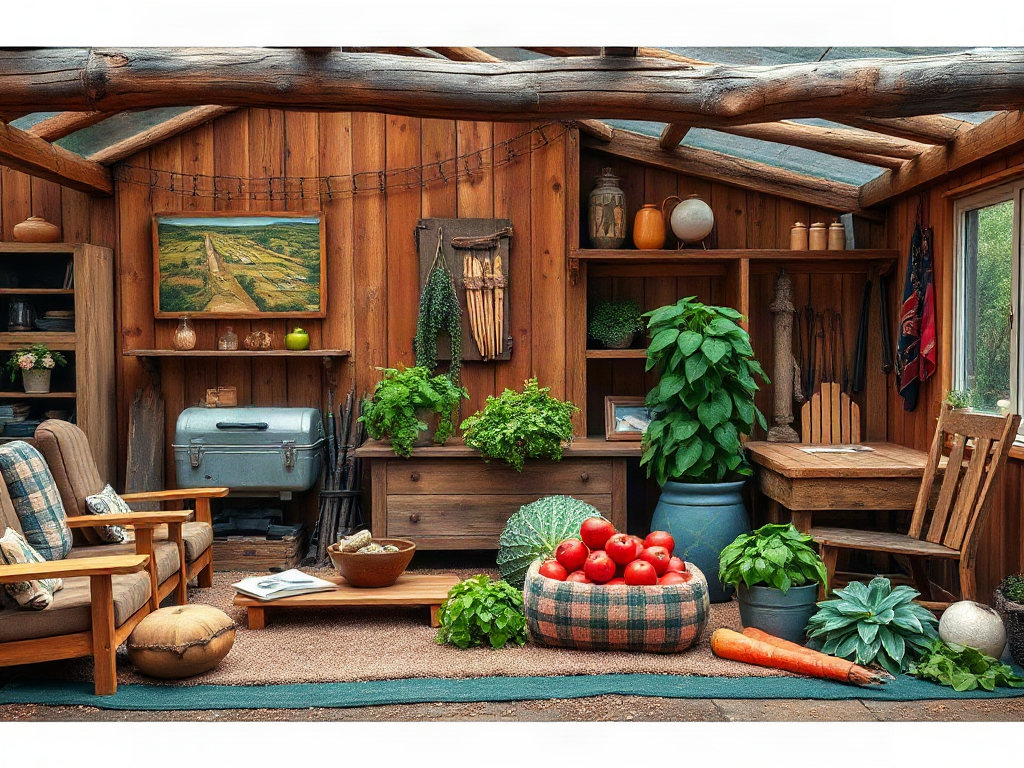
Becoming self-sufficient on one quarter acre works best as a household food plan built around intensive vegetable beds, reliable water, soil fertility, and realistic calorie limits. Use the sunniest ground for high-yield crops, add perennial fruit along boundaries, compost clean organic material, and preserve seasonal surpluses. A quarter acre can supply substantial produce, herbs, eggs where permitted, and selected storage crops, but it rarely provides every calorie, animal feed, fuel, and household necessity. Prioritize foods your household actually eats, measure harvests against time and cost, and retain outside sources for grains, oils, livestock feed, and other land-intensive staples.
What Can a Quarter Acre Realistically Produce?
A quarter acre can become a highly productive household food system, but productivity is not the same as total independence. The usable growing area will be smaller than the property boundary suggests once the house, driveway, shade, paths, utilities, sheds, and setbacks are accounted for. Before choosing crops, measure the open ground and record where direct sun reaches it during the growing season.
The strongest target is usually substantial produce self-reliance rather than complete calorie self-reliance. Salad greens, tomatoes, beans, summer squash, herbs, roots, berries, and tree fruit can produce useful harvests from compact spaces. Cooking oil, wheat, animal feed, heating fuel, and large quantities of dry grain require far more land or specialized processing. Treating purchased staples as failure often leads people to plant low-yielding crops that displace foods the site could produce efficiently.
Household habits define what a successful harvest looks like. A family that cooks with tomatoes several times a week may benefit from paste tomatoes, fresh slicing varieties, and enough plants for sauce. A household that rarely eats beets gains little from a large beet bed, regardless of how well the crop grows. Review grocery receipts and meals from the previous month, then identify produce that is expensive, frequently used, or notably better when freshly harvested.
Season length, rainfall, soil, and available labor change the result. A long growing season may allow spring peas, summer beans, and autumn greens to occupy the same bed in sequence. A colder location may depend more on storage roots, protected seedlings, and short-season varieties. Consistent irrigation can matter more than adding another bed because repeated drought stress reduces both yield and quality.
Measure progress with household outcomes rather than a claim of complete independence. Useful signs include buying fewer vegetables during the main season, filling a planned number of pantry or freezer spaces, producing viable compost, and maintaining beds without unmanageable weekly labor. Warning signs include neglected harvests, recurring pest damage, water shortages, and preserved food that no one eats. Those signals show where to reduce complexity or change the crop mix.
How Should the Land Be Divided?
Land allocation should begin with sunlight, movement, and water access rather than an attractive sketch. Put annual vegetables in the sunniest convenient area because they need frequent planting, watering, inspection, and harvesting. Perennial fruit can occupy boundaries or less convenient zones, provided mature trees will not shade the main beds. Compost belongs close enough to use regularly but away from places where runoff could create a nuisance.
A practical design separates permanent infrastructure from flexible planting space. Paths, fences, irrigation lines, tool storage, and perennial plants are costly to relocate. Annual beds can change each season as household demand becomes clearer. Broad in-ground beds generally use less construction material and lose less edge space than numerous framed boxes. Raised beds remain useful where drainage is poor, bending is difficult, or contaminated soil must be isolated, but they can dry quickly and require imported material.
| Area | Primary Use | Planning Priority |
|---|---|---|
| Sunniest central ground | Annual vegetables and storage crops | Short paths and dependable irrigation |
| Property edges | Berries, vines, dwarf fruit, or habitat plants | Mature size and neighbor access |
| Near the kitchen | Herbs and frequently harvested greens | Convenience and succession sowing |
| Service area | Compost, tools, rain barrels, and wash station | Clean workflow and safe drainage |
Small livestock should be considered only after checking local rules, neighbor impacts, feed storage, manure handling, and daily care. A few laying hens may turn purchased feed and garden scraps into eggs and manure, but they do not create food without outside inputs. Their enclosure also occupies productive ground and needs protection from predators. Where space or regulations make poultry impractical, concentrating on vegetables and buying eggs locally may produce a better balance.
Walk the proposed layout as though carrying a watering can, a harvest basket, and a wheelbarrow. Beds that are awkward to reach receive less attention. Leave enough room to repair fences, turn compost, move materials, and harvest perennial plants at maturity. A common mistake is filling every open strip with crops during the first year. Reserve some flexible space for crop rotation, a nursery bed, soil amendments, or a later project once the actual workload is known.
Which Crops Deserve the Limited Space?
Limited ground should hold a deliberate mixture of high-value produce, dependable household staples, and crops that store well. High-value crops such as herbs, salad greens, peppers, tomatoes, and berries can reduce grocery spending, but they provide few calories. Potatoes, sweet potatoes where the climate permits, dry beans, winter squash, and storage roots contribute more substantial meals but occupy beds longer. Combining both groups creates a more useful harvest than pursuing either one exclusively.
Vertical growth can increase production without crowding every bed. Pole beans, cucumbers, indeterminate tomatoes, and selected squash can climb sturdy supports placed where they will not shade shorter crops. Trellising also improves access and keeps some fruit off damp soil. It does not remove the plants’ need for root space, water, fertility, or airflow, so placing too many vines on one structure can produce heavy foliage and disappointing harvests.
Succession planting makes each bed perform more than one job. Early radishes or spinach can be followed by bush beans, then by an autumn green if the season is long enough. The timing must be planned backward from frost and harvest dates; simply adding seeds whenever space appears often leaves the final crop too little time to mature. Keep seedlings ready before the earlier crop leaves the bed, and restore fertility with compost or another suitable amendment between demanding crops.
A sound first-year priority list is short:
- Plant daily-use crops that suit the local season and household meals.
- Add two or three storage crops with a clear curing or preservation plan.
- Establish modest perennial plantings without sacrificing the best annual ground.
- Test one intensive technique, such as succession sowing or vertical training, before expanding it.
Perennials require patience and disciplined placement. Strawberries may produce sooner than tree fruit, while asparagus occupies a permanent bed before reaching its useful production rhythm. Dwarf fruit trees fit smaller properties more readily than full-sized trees, but “dwarf” does not mean maintenance-free; pruning, pest monitoring, pollination needs, and mature canopy spread still matter.
Record sowing dates, bed locations, harvest amounts, and whether the food was actually used. A crop that yields heavily but repeatedly becomes compost is not earning its space. A modest herb patch used almost daily may be more valuable than a large experimental grain plot. The best planting plan emerges from local records, not from copying another household’s crop list.
How Do Water, Fertility, and Storage Work Together?
Water, soil fertility, and post-harvest handling determine whether planted space becomes usable food. Expanding beds before these systems are dependable creates more stressed plants and wasted produce. Check the soil’s texture, drainage, organic matter, and nutrient condition before applying amendments. A laboratory soil test, where available, can help prevent unnecessary fertilizer use and identify pH or nutrient problems that visual inspection cannot confirm.
Compost improves the system by returning plant residues and suitable kitchen scraps to the soil, but a small property may not generate enough material for every bed. Leaves, clean garden debris, and non-meat food scraps can form the base of a managed pile. Diseased plants, persistent weed seeds, and materials that attract pests need more careful handling. Finished compost should smell earthy and no longer resemble the original ingredients; half-finished material can temporarily interfere with planting or invite nuisance animals.
Efficient irrigation puts water near roots and makes the routine repeatable. Drip lines or soaker hoses often reduce leaf wetting and labor compared with carrying water by hand. Mulch can slow evaporation and suppress weeds, although thick organic mulch placed against stems may shelter pests or retain excessive moisture. Rain barrels can supplement irrigation where collection is permitted and roofs are suitable, but their limited volume should not be mistaken for a complete drought supply.
Preservation capacity must match planting decisions. Freezing is convenient but relies on electricity and finite freezer space. Canning requires appropriate recipes, equipment, and careful food-safety procedures. Dehydration works well for many herbs and selected produce, while potatoes, onions, garlic, winter squash, and some roots depend on correct curing and storage conditions. If a cool storage area is unavailable, planting a large quantity of storage crops may produce losses before winter.
Use a monthly system check during the growing season. Look for even soil moisture, steady new growth, manageable pest pressure, active compost decomposition, and enough containers or storage space for the next harvest. Wilting despite wet soil, repeated nutrient symptoms, foul-smelling compost, split produce, or baskets waiting unprocessed are signs that the system exceeds its current support capacity. Correct the bottleneck before adding another crop or animal.
Self-sufficiency becomes more durable when the property relies on several modest systems rather than one fragile feature. Annual beds provide fast returns, perennials spread harvests across years, compost recycles part of the waste stream, and preserved food extends seasonal abundance. Purchased seed, feed, tools, amendments, or staples may still remain sensible inputs. The practical goal is greater household control and resilience without pretending the quarter acre is isolated from its wider community and supply network.
Frequently Asked Questions
Can a family grow all its food on one quarter acre?
Complete food independence is unlikely once calories, cooking oil, grain, animal feed, and year-round losses are counted. A well-managed site can provide a large share of vegetables, herbs, fruit, and selected storage foods.
Should raised beds be used across the whole property?
Not automatically. Raised beds improve access and drainage but cost more, dry faster, and create edge space. In-ground beds are often efficient where the native soil is safe and drains adequately.
Are chickens necessary for quarter-acre self-sufficiency?
No. Chickens can provide eggs and manure, but they require purchased feed, secure housing, daily care, and legal approval. Vegetable-focused production may use limited land more effectively.
What should be planted in the first year?
Begin with familiar vegetables, a few storage crops, culinary herbs, and a small perennial planting. Limit experiments until irrigation, pest control, harvesting, and preservation routines are working reliably.
How can harvest waste be reduced?
Plant from a meal-based crop list, stagger sowing dates, inspect beds frequently, and reserve preservation space before peak harvest. Reduce or replace crops that repeatedly mature unused.
Conclusion
A productive quarter acre is built by matching the land to the household rather than trying to reproduce a larger farm in miniature. Map sunlight and fixed infrastructure first, then establish a manageable area of annual beds with dependable irrigation. Combine frequently eaten vegetables with a few calorie-dense or storage crops, and place perennial fruit where its mature shade will not compromise the main garden.
Track what is harvested, preserved, purchased, and discarded through one full season. Those records reveal whether the next investment should be another bed, better watering, improved soil, more storage, or simply a narrower crop list. Expand only after the existing system can be watered, weeded, harvested, and processed during the busiest weeks. That measured approach produces more usable food and a more resilient household than filling every available space at once.