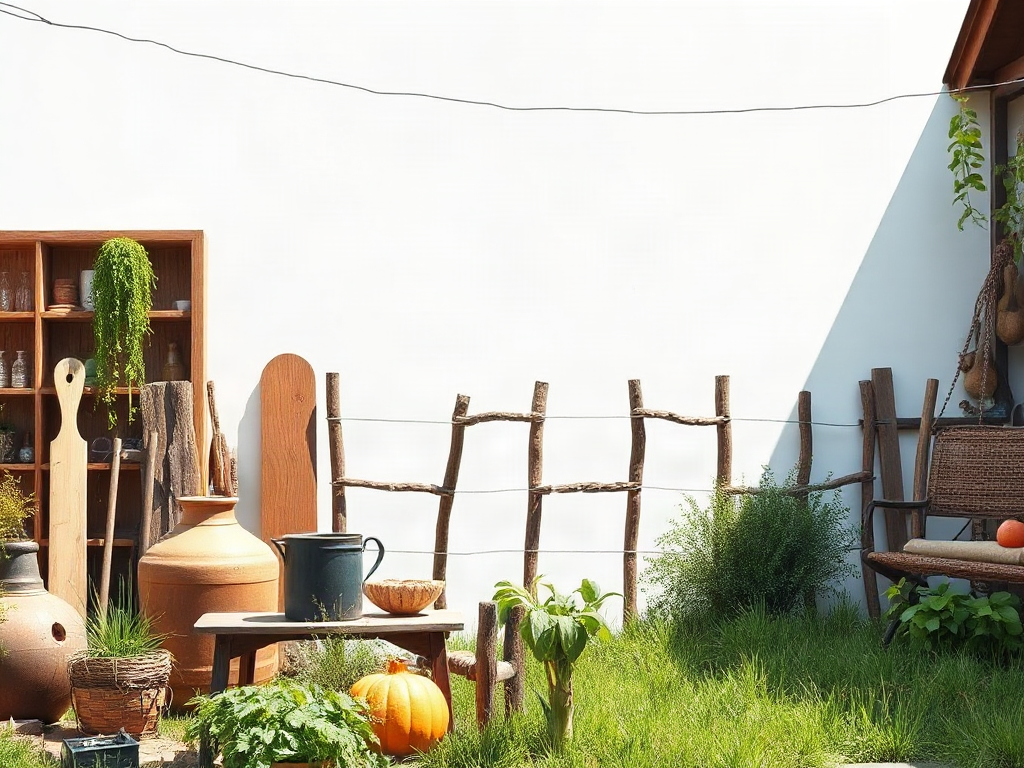
Homesteading tips and tricks that reduce daily maintenance work by designing routine chores out of the property rather than completing them faster each day. Gravity-fed water, correctly sized feeders, deep mulch, durable fencing, and tools stored where they are used reduce repeated carrying, weeding, repairs, and searching. Focus first on chores performed every day, especially watering livestock, opening gates, moving feed, and managing garden weeds. Build redundancy into critical systems so a frozen hose, empty tank, or failed latch does not create an emergency.
Which Chores Should You Reduce First?
Repeated walking, carrying, filling, opening, and searching deserve attention before occasional seasonal jobs. A ten-minute task performed twice daily consumes more time and creates more scheduling pressure than a half-day repair completed once a year. For one week, record each recurring chore, how long it takes, and what causes extra trips. The useful detail is not simply “feed chickens,” but “walk to the shed, measure feed, carry it to the coop, refill water, and return for a missing scoop.”
Rank chores by frequency, physical effort, and consequence if missed. Livestock water usually belongs near the top because it is frequent, heavy, and time-sensitive. Carrying firewood may be tiring but can often be batched. Mowing a large area consumes hours, yet reducing the mowed footprint may matter more than buying a faster mower. This comparison keeps attractive projects from displacing changes that improve every ordinary day.
A compact priority check helps separate worthwhile improvements from gadgets:
- Remove a trip: Store feed, hoses, hand tools, and collection containers close to where they are used.
- Remove a lift: Use carts, raised storage, gravity, or short transfer distances for heavy materials.
- Extend the interval: Increase safe water or feed capacity so a task needs attention less often.
- Prevent rework: Repair poor drainage, weak latches, dragging gates, and leaking fittings at their cause.
- Keep inspection simple: Make levels, leaks, fence condition, and animal behavior visible during one route.
Batching and system redesign are not interchangeable. Filling ten poultry feeders once a week may be efficient, but oversized feed storage can attract rodents or allow damp feed to spoil. A larger water reservoir extends the refill interval, but only if it stays clean and its fittings remain dependable. Choose capacity according to consumption, climate, storage conditions, and the length of time a failure could go unnoticed.
The common mistake is automating an unreliable arrangement. A timer attached to a leaking irrigation network merely schedules water loss. An automatic coop door mounted in a warped frame may jam more often than a simple manual door. Correct the layout, drainage, alignment, and component quality first. A successful change is noticeable when the chore takes fewer trips for several weeks without producing more cleaning, troubleshooting, waste, or risk.
How Can Water and Feed Systems Save Time?
Water and feed systems save the most labor when storage, delivery, and inspection happen in the same area. Carrying buckets across uneven ground is slow and creates spill, strain, and winter ice. A frost-safe hydrant or protected supply point near the animals shortens the route. Where site conditions permit, an elevated tank can supply troughs or drip irrigation through gravity, avoiding dependence on a pump for every delivery.
Gravity is simple, but it does not make a system maintenance-free. Elevation determines pressure, pipe diameter affects flow, and small valves or filters can clog. Outdoor lines need protection from freezing, sunlight, livestock rubbing, and equipment traffic. Any livestock watering arrangement should allow quick visual confirmation that water is actually present. A full source tank does not prove that a blocked float valve has filled the trough.
Automatic trough valves reduce refilling, while larger manual containers offer fewer failure points. The better choice depends on supervision and weather. A float valve is useful when animals are checked daily and leaks drain safely. A manual container may be preferable in severe freezing conditions or where a valve failure could empty a limited well or flood a shelter. Install a shutoff that is easy to reach, and keep a backup container available for repairs or power interruptions.
Feed storage works best as a short chain: delivery point, weatherproof bin, measuring tool, feeder. Place bins on a stable surface near the enclosure without putting them where spilled grain accumulates around housing. Tight lids and intact containers discourage moisture and pests. Label bins if several feeds are used, and keep the scoop with the correct bin so measuring does not become a daily search.
Large-capacity feeders can lengthen the refill interval, but capacity should not exceed what remains fresh and protected. Poultry may scatter feed from a poorly adjusted feeder, and livestock can damage lightweight equipment. Watch the ground beneath a new feeder during its first week. Increasing waste, damp feed, droppings in the tray, or animals crowding one access point indicates that the design or placement needs adjustment.
A practical test is to trace the entire chore while carrying nothing. If the route crosses multiple gates, requires a second key, or ends far from a hose connection, the layout is creating work. Moving one feed bin or adding a short, protected supply line often produces a more dependable improvement than installing a complicated controller.
Design Gardens for Less Weeding and Watering
Low-maintenance gardens begin with permanent access, covered soil, and irrigation that delivers water where roots grow. Narrow beds reachable from their edges prevent soil compaction and eliminate the need to step around plants. Defined paths also make carts, hoses, and harvest containers easier to move. Beds should fit the gardener’s comfortable reach rather than a standard dimension copied from another property.
Organic mulch suppresses many annual weeds by limiting light at the soil surface, while also slowing evaporation and reducing soil splash. Straw, shredded leaves, and other suitable local materials can work, but each has tradeoffs. Coarse mulch may be difficult around tiny seedlings, uncomposted materials can contain weed seeds, and thick wet layers placed against stems may encourage decay or shelter pests. Apply mulch after removing established perennial weeds rather than burying roots that can grow back through it.
Drip lines or soaker hoses usually demand less daily handling than moving a sprinkler. They concentrate water along planted rows and keep paths drier, which can reduce weed germination outside the beds. The system still needs a filter where sediment is present, pressure appropriate to its components, and periodic checks for leaks or blocked outlets. Run times cannot be copied reliably from another garden because soil texture, weather, plant maturity, emitter flow, and mulch depth alter how far water moves.
Check moisture below the surface instead of watering by appearance alone. Scrape back mulch and feel the root zone in several locations, including the far end of the line. Wilting at midday may reflect temporary heat stress, while persistently dry soil, uneven plant growth, or a sharp difference between the beginning and end of a row can signal poor distribution. Puddles and algae point toward leaks, excessive run time, or inadequate drainage.
Planting decisions determine future labor as much as irrigation does. Grow amounts the household can harvest and process rather than filling every bed by default. Group crops with similar watering needs, leave adequate spacing for airflow and access, and choose perennial plantings only where their long-term spread is manageable. A compact, fully mulched garden often yields more usable food per hour of work than a larger plot with bare paths and irregular watering.
A frequent failure is expanding before the present area is under control. Add beds only after paths remain passable, irrigation reaches evenly, and harvesting fits the available schedule. If weeds repeatedly set seed or produce goes unpicked, reduce the cultivated footprint, cover unused soil, and restore dependable routines before adding another row.
Make Animal Care and Property Checks More Efficient
Efficient animal care comes from a short inspection route that reveals food, water, shelter, fencing, and animal condition without repeated backtracking. Arrange gates so they open in the direction animals normally move, and avoid routes that require setting buckets down to operate a latch. Frequently used gates need firm, well-drained approaches; mud, sagging posts, and dragging panels turn a brief check into a recurring struggle.
Housing layout should allow manure removal, bedding delivery, egg collection, and equipment access from logical sides of the structure. A beautifully finished shelter can still create unnecessary labor if the clean-out door is too narrow for a cart or bedding is stored across the property. Before building or modifying housing, mentally move a full load through every routine: bring in feed, carry water, remove waste, handle a sick animal, and make a repair during bad weather.
Durable fencing generally costs more at installation but requires fewer emergency patches than a mismatched system. Fence type should suit the animals, terrain, vegetation pressure, and whether the boundary is permanent or rotational. Portable electric netting offers flexibility but must be moved, kept clear of vegetation, and tested. Permanent woven wire removes routine relocation but needs solid braces and careful installation. Combining a dependable perimeter with simpler interior divisions often balances security and flexibility.
Centralize daily supplies without creating a single point of failure. A small station near the main housing can hold gloves, a flashlight, basic fasteners, spare clips, and cleaning tools. Critical backups—such as an extra water container, safe restraint equipment, or an alternative gate closure—should remain accessible if the main system breaks. Storage is working when supplies stay dry, inventory is visible, and nothing has to be moved to reach the item used most often.
Follow the same observation route each day, but do not confuse consistency with automation. Look for changed appetite, unusual posture, damaged fencing, wet bedding, declining water levels, tracks near feed storage, and leaks around fittings. Automated doors and feeders may reduce handling, yet they can conceal failures when nobody verifies their operation. Devices that involve animals should have a manual override and be tested after installation, after power interruptions, and during major weather changes.
The strongest sign of a well-designed routine is not merely speed. Normal conditions become easy to recognize, so exceptions stand out early. If efficiency changes cause missed observations, frequent jams, spoiled supplies, or delayed repairs, simplify the system. A slightly slower arrangement that can be inspected and repaired with ordinary tools is often more useful than sophisticated equipment that fails opaquely.
Frequently Asked Questions
What is the first homestead chore worth simplifying?
Start with the daily task that combines the most trips, lifting, and consequences if missed. Livestock watering is often the leading candidate, followed by feed transport, gate operation, and garden irrigation.
Does automation eliminate the need for daily animal checks?
No. Automatic doors, feeders, and water valves reduce handling but can jam, leak, clog, or lose power. Daily observation remains necessary to confirm that animals and equipment are functioning normally.
How can a garden require less weeding?
Remove established weeds before they seed, cover bare soil with suitable mulch, define permanent paths, and water planted rows rather than the entire area. Reduce the garden footprint if weeds repeatedly mature before removal.
Are larger feeders and water tanks always more efficient?
No. Extra capacity helps only when contents remain clean, fresh, and secure. Oversized systems may conceal leaks, encourage stale feed, attract pests, or allow a failure to continue longer before discovery.
How do I know whether a maintenance upgrade is working?
Track trips, active work time, waste, repairs, and missed checks for several weeks. A useful upgrade lowers repeated effort without increasing spoilage, leaks, equipment failures, or safety concerns.
Conclusion
Daily workload falls when the property layout supports the sequence in which chores actually happen. Audit a normal week, then address the most frequent carrying route, unreliable water point, troublesome gate, or unmanaged patch of soil. Favor short routes, gravity where practical, visible storage levels, covered garden beds, durable hardware, and equipment that can be repaired without specialized parts.
Change one system at a time and watch it through ordinary use and difficult weather. Measure success by fewer trips and interruptions, not by how automated the setup appears. Keep manual backups for water, access, and animal care, and preserve a daily observation route even when feeders or doors operate automatically. The next useful step is to document tomorrow’s chores in detail and remove one repeated movement at its source.