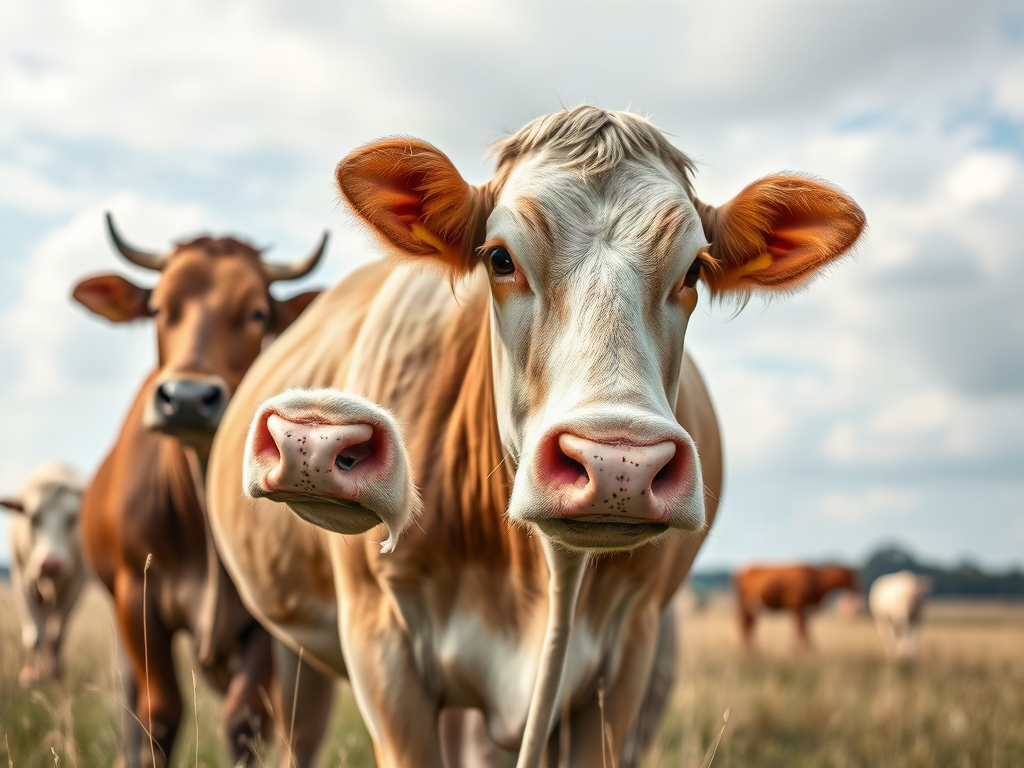
The best cows for homesteading combine a manageable temperament with production that matches the household’s need for milk, beef, or both. Jerseys often suit dedicated home dairies because they produce rich milk from a relatively compact frame, while Dexters and Milking Shorthorns offer practical dual-purpose value. Belted Galloways and Herefords are stronger candidates when calm beef production and forage use matter more than daily milking. Breed reputation is only a starting point: handling history, horn status, herd companionship, fencing, feed supply, and access to suitable veterinary and breeding services can matter as much as breed.
Which Cow Best Matches Your Household Use?
Household use should determine the type of animal you seek before breed preference enters the decision. A family wanting cream, butter, and cheese has different requirements from one raising a steer for the freezer. The choice also changes when the cow must do both jobs, when pasture is limited, or when nobody in the household has milked cattle before.
A dedicated dairy cow needs to tolerate close contact, udder handling, confinement in a stanchion, and a consistent milking schedule. Jerseys are widely favored for household dairies because their milk is notably rich and their smaller frame is less imposing than that of many commercial dairy breeds. Their output can still exceed what a small family uses, however. Surplus milk needs a planned destination, such as calves, pigs, cultured dairy products, or lawful local sales where permitted. Buying a productive cow without a surplus plan often turns an appealing dairy project into a twice-daily disposal problem.
Dual-purpose cattle trade maximum specialization for flexibility. Dexters and Milking Shorthorns can provide household milk while also producing calves with useful beef value. A Dexter may appeal where acreage, winter feed storage, and handling facilities favor a smaller animal. A Milking Shorthorn generally brings more body size and potentially more milk, which can make sense for a larger household with stronger infrastructure. Neither breed label guarantees that an individual cow has been selected or trained for hand milking.
Beef-focused households should not pay for dairy traits they will never use. Herefords are familiar beef cattle with a reputation for generally workable dispositions, while Belted Galloways are often considered where forage efficiency, hardiness, and a moderate frame are priorities. An animal managed primarily on pasture still needs routine handling for identification, transport, hoof concerns, breeding, and veterinary care. “Beef only” does not mean “hands off.”
| Household Goal | Useful Starting Options | Main Tradeoff to Check |
|---|---|---|
| Rich family milk | Jersey | Surplus milk and strict milking schedule |
| Milk plus freezer beef | Dexter or Milking Shorthorn | Individual milking ability and mature size |
| Primarily home-raised beef | Hereford or Belted Galloway | Handling history, finishing plan, and fencing |
| Limited infrastructure | Smaller, proven adult from a calm line | Small cattle still require safe facilities |
The common mistake is choosing a breed first and inventing a use for it later. Write down how much milk the household can process, whether beef is a goal, who will handle the animal, and how many months of stored feed are realistic. That short inventory eliminates attractive but impractical choices.
How Do Popular Homestead Cattle Breeds Compare?
Breed comparisons are most useful when they reveal tradeoffs rather than declare one universal winner. Cattle within a breed vary by genetics, age, previous handling, health, and management. A well-trained crossbred cow can be safer and more useful than a poorly handled purebred carrying an ideal breed label.
Jersey: Rich Milk in a Smaller Dairy Frame
Jerseys are strong candidates for households committed to regular dairy work. Their milk suits butter and cheese making, and their size can make them easier to house than larger dairy cattle. Dairy breeding also means they may direct substantial energy toward milk, so body condition, forage quality, minerals, and breeding intervals require attention. A nervous or pushy Jersey is not automatically easy simply because the breed is smaller. Seek an individual that stands quietly, leads reliably, and accepts udder handling.
Dexter: Compact Dual-Purpose Flexibility
Dexters attract smaller properties because they are compact and can serve milk or beef goals. Their output may align better with modest household demand than that of a high-producing dairy cow. The limitations are significant: some family lines emphasize beef rather than milking, udders differ, and small stature does not reduce the need for sturdy gates or a cattle-handling area. Horned animals add another management decision, especially around children, narrow alleys, and crowded feeding points.
Milking Shorthorn: More Capacity for a Working Family Dairy
Milking Shorthorns offer a credible middle path for owners who want dairy usefulness and calves with more beef character than a highly specialized dairy breed. Their larger frame demands more feed and more substantial facilities than a compact Dexter. They make more sense where pasture, hay, and household dairy use justify that capacity. A novice should favor a mature cow with a documented home-milking routine over an untrained heifer chosen only for pedigree.
Hereford and Belted Galloway: Beef-Oriented Choices
Herefords can suit households seeking recognizable beef traits and cattle that are commonly available in many regions. Belted Galloways may be attractive for pasture-based systems, variable weather, and moderate size. Availability can reverse the apparent advantage: a locally raised Hereford with a known disposition and nearby breeding options may be a better homestead purchase than a rarer breed requiring distant transport and specialized sourcing.
Crosses deserve serious consideration. A Jersey-beef cross, for example, may provide a useful balance for a household that values moderate milk and a more substantial calf, although results vary with the parents. Evaluate the actual cow, not the romantic image attached to her breed. Records of calving, milking behavior, udder condition, disease testing, and handling provide more decision value than color or novelty.
How Can You Evaluate Temperament Before Buying?
Temperament should be observed during ordinary handling, not inferred from a seller’s description. “Friendly” can mean calm and cooperative, but it can also describe an animal that crowds people because it was bottle-raised without firm boundaries. A respectful cow notices the handler, yields space, and settles after a routine request. An unsafe one may pin a person against a wall, swing its head, kick during udder contact, charge gates, or become difficult when separated from companions.
Watch the seller catch, halter, lead, tie, feed, and touch the animal. For a milk cow, observe a complete milking rather than only seeing her stand in a pasture. Note whether she enters the milking area willingly, allows udder cleaning, shifts her feet without threatening to kick, and remains manageable when grain runs out. A cow may behave differently for a familiar owner, so handle her yourself under controlled conditions if the seller and facilities allow it.
Context matters during evaluation. A cow protecting a newborn calf, experiencing pain, entering a strange trailer, or separated from the herd may react differently from her usual baseline. That does not make dangerous behavior irrelevant; it shows which situations require stronger facilities and more experience. Ask specifically about behavior around calves, dogs, children, feed, injections, trailers, and unfamiliar people. General questions invite reassuring general answers.
Use a compact pre-purchase check:
- Personal space: Does she stop or yield when asked rather than walking through the handler?
- Restraint: Can she be caught, haltered, tied, and released without a struggle?
- Touch: Does she accept contact along the body, legs, belly, and udder?
- Recovery: After a surprise, does she settle or remain highly agitated?
- History: Are prior injuries, kicking, fence challenges, and calving behavior disclosed?
First-time owners often choose an untrained heifer because she costs less and seems like a blank slate. That purchase transfers the training task to the least experienced person. A proven cow with established manners may cost more but allows the household to learn milking and cattle care without simultaneously teaching every behavior. No animal is risk-free, and cattle are powerful even when calm. Decline any cow whose behavior exceeds the skill or facilities available.
Will the Cow Fit Your Property and Management Routine?
A suitable homestead cow must fit the land, feed supply, facilities, climate, and human schedule throughout the year. Pasture appearance alone is a weak measure of capacity. Forage growth changes by season, and winter hay, drought reserves, water access, shade or shelter, and protected mineral feeders all affect whether the system works.
Start with mature size and feed logistics. A smaller cow usually consumes less total feed than a larger one, but she still needs adequate nutrition, clean water, and a planned winter ration. Local hay availability can matter more than breed-level claims about efficiency. Calculate where bales will be stored, how they will be moved during wet or icy weather, and how feeding areas will be protected from deep mud. If the household cannot reliably move the feed it buys, the cattle plan is incomplete.
Fencing should match cattle pressure rather than the animal’s gentle reputation. Calm cows may push through weak wire when forage is scarce or when a herd mate is across the boundary. Perimeter fencing, secure gates, and a smaller catch area are more dependable than expecting daily friendliness to replace containment. Horned cattle need additional clearance at feeders and in handling alleys; horns can injure herd mates or handlers without deliberate aggression.
Herd companionship is another practical constraint. Cattle are social animals, and keeping one completely alone can contribute to pacing, calling, fence pressure, or excessive attachment to people. A cow with her calf, a pair of compatible cattle, or suitable bovine company often creates a more workable social arrangement. Adding a companion also increases feed, space, and veterinary costs, so it belongs in the original budget rather than as a later correction.
Dairy use creates the tightest schedule. Milking frequency must remain consistent with the cow’s production and calf-sharing arrangement. Travel, illness, and holidays require a capable substitute who can safely catch and milk her. Beef cattle reduce daily milking labor but still require observation, water checks, seasonal feed management, breeding decisions, and a realistic harvest or marketing plan.
Before committing, confirm access to a large-animal veterinarian, livestock transport, breeding service, feed suppliers, and any testing or identification required in the area. Signs of a good match include cattle that maintain appropriate body condition, remain contained, approach routine handling without panic, and produce an amount the household can use. Chronic fence escapes, unused milk, recurring feed shortages, unsafe crowding, or skipped handling are signals that the chosen animal or management system exceeds the homestead’s capacity.
Frequently Asked Questions
What is the best cow for a first-time homestead?
A calm, proven adult with a documented handling history is usually a better first cow than an untrained heifer. Jerseys may suit committed dairy households, while Dexters can fit smaller dual-purpose systems, but the individual animal and local support matter more than the label.
Are miniature cattle easier to manage?
Their lower height and feed demand may help, but miniature cattle still require cattle-grade fencing, safe restraint, companionship, and skilled handling. Small size does not correct aggressive behavior or inadequate facilities.
Should a family choose a horned or polled cow?
Polled cattle often simplify close handling and shared feeding spaces. A calm horned cow can be manageable in suitable facilities, but horns increase clearance needs and the consequences of crowding or sudden head movement.
Can one cow provide both milk and beef?
A dual-purpose cow can supply household milk while raising calves with useful beef value. Dexter and Milking Shorthorn lines are common candidates, although actual milkability, udder structure, mature size, and calf growth vary among individuals.
Is it practical to keep only one cow?
A lone cow may become stressed or overly dependent on people because cattle seek bovine companionship. A cow-calf pair or compatible second bovine is often more workable, provided the property can support the added feed, fencing, and care.
Conclusion
A successful cattle choice begins with an honest household-use plan, followed by an evaluation of the individual animal and the system supporting her. Decide whether the priority is rich dairy output, flexible milk-and-beef production, or pasture-based beef. Then verify manners under restraint, mature size, horn status, feed requirements, and behavior during the exact tasks the household will perform.
Do not let unusual coloring, a low purchase price, or a breed’s reputation outweigh a poor handling history. For a first cow, paying more for a healthy, experienced animal with observable routines can reduce both training demands and safety problems. Before money changes hands, arrange fencing, a catch area, winter feed, bovine companionship, transport, veterinary access, and breeding or harvest plans. The best choice is the cow whose production remains useful and whose daily management stays within the household’s real capacity.