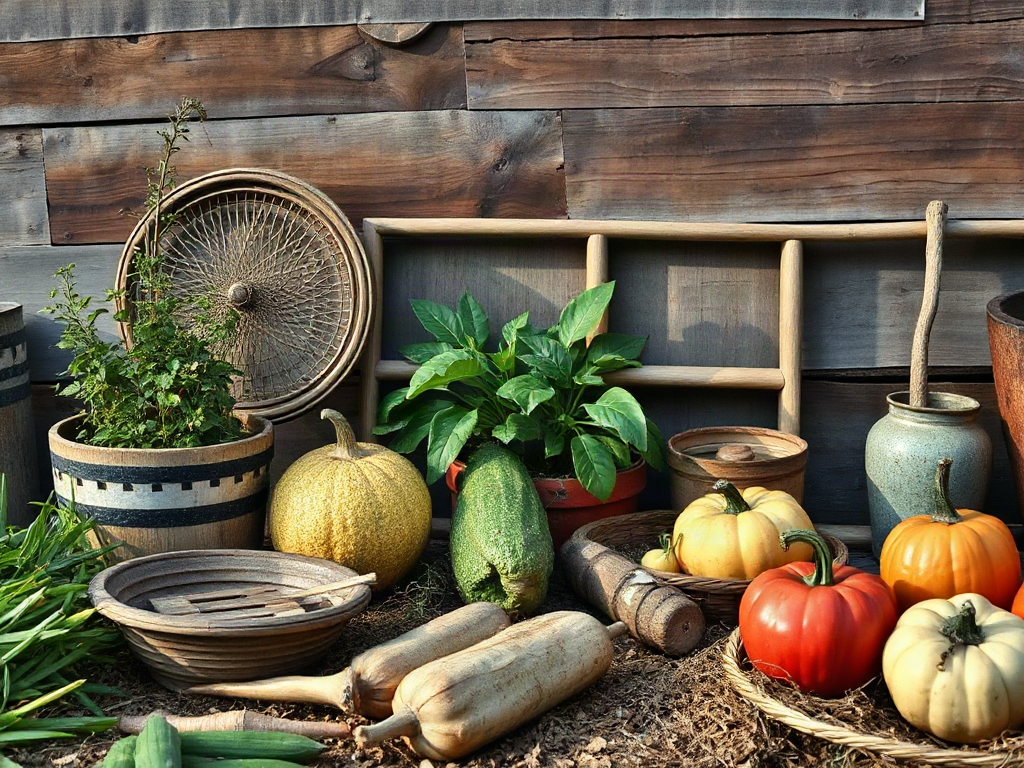
Beginners should study homesteading topics in a sequence that begins with household needs and property limits, then moves through water, soil, food production, preservation, livestock, energy, and maintenance. Water access, local growing conditions, storage capacity, and daily labor determine which projects are realistic. A small garden and basic pantry system usually teach more transferable skills than immediately buying animals or expensive equipment. Study each system before depending on it, track its inputs and output, and add complexity only after routine tasks remain manageable through heat, cold, illness, or absence.
What Should You Assess Before Starting a Homestead?
A useful homestead plan begins with household demand, available labor, and the physical limits of the property. Before selecting crops or animals, estimate what the household actually consumes, which expenses it hopes to reduce, and how many hours can be committed every week. A family seeking fresh vegetables needs a different system from one hoping to produce heating fuel, eggs, meat, or most of its stored food.
Property assessment should cover sunlight, slope, drainage, access, existing vegetation, prevailing wind, frost pockets, water sources, storage space, and vehicle movement. Observe the land through rain, dry weather, and seasonal temperature changes when possible. A sunny spring location may become shaded after nearby trees leaf out, while a low area that appears fertile may collect cold air or standing water. These observations affect where gardens, compost, sheds, and animal areas belong.
Legal and practical constraints belong in the same assessment. Local rules may affect animals, accessory buildings, wells, wastewater, food sales, fencing, and roadside stands. Utility locations and property boundaries should be confirmed before digging or building. Requirements vary by jurisdiction, so general homesteading advice should never substitute for information from the relevant local offices.
Create a basic property map and a household production list. Mark the home, access routes, water points, sunny areas, wet ground, utilities, and possible work zones. Then rank desired outputs by value and feasibility. Salad greens near the kitchen may offer a quick return with modest space, whereas dairy animals require dependable feed, fencing, shelter, milking routines, and backup care.
A common mistake is planning for maximum production instead of reliable operation. Buying tools, chicks, fruit trees, and greenhouse materials at once creates several learning curves with different deadlines. A better first-year plan has one primary production project, such as a manageable garden, plus supporting work such as composting and pantry organization. Progress is visible when routine tasks fit the weekly schedule and records show that useful output exceeds avoidable waste.
Why Should Water and Soil Come Before Crop Planning?
Water reliability and soil behavior set the operating limits for nearly every land-based project. Seed varieties and planting calendars matter, but they cannot compensate for an inaccessible water source, compacted ground, chronic drainage problems, or irrigation that demands more time than the household can provide.
Map how water enters, moves across, and leaves the property. Study roof runoff, hose reach, elevation changes, erosion marks, and areas that remain wet after rain. Where wells, ponds, streams, or rainwater collection are involved, investigate local requirements and appropriate testing rather than assuming visible clarity means suitability. Garden irrigation water, animal water, and household drinking water can involve different quality and treatment considerations.
Beginners should calculate water demand from the system they intend to operate rather than from an idealized future homestead. Ten intensively managed beds near a dependable spigot may outperform a much larger plot reached by dragging hoses uphill. Mulch and drip irrigation can reduce evaporation and repeated hand watering, but filters, fittings, pressure, leaks, and winter shutdown still require attention. Rain barrels can buffer small garden needs; they should not automatically be treated as a year-round supply.
Soil study starts with texture, drainage, compaction, organic matter management, and a suitable soil test. University extension programs commonly provide regional guidance on sampling and interpreting results. Adding fertilizer without a test can waste money or create nutrient imbalances. Raised beds offer control over the growing medium and improve access, but imported soil and bed materials increase startup cost. In-ground beds cost less to establish where drainage and soil structure are workable, although improvement may take longer.
Use a small test area before redesigning the property. Apply compost where appropriate, establish irrigation, mulch part of the bed, and record how quickly the soil dries. Check whether water infiltrates or runs off, whether weeds are manageable, and whether plants show consistent growth across the area. Failure signs include standing water, frequent wilting despite irrigation, crusted soil, exposed roots, and a watering routine that cannot be maintained during busy weeks. Correct the limiting condition before expanding acreage.
How Should Beginners Build a Food System?
A beginner food system should connect production with cooking, storage, and waste management. Growing a large quantity of food has limited value if the household does not eat it, harvest it on time, or have a safe place to keep it. Start with foods used regularly and add only enough variety to practice succession planting, harvest handling, and storage.
Choose several forgiving crops suited to the local season rather than copying a distant planting schedule. Herbs, leafy crops, beans, summer squash, tomatoes, or storage roots may be useful depending on climate, available space, pests, and household preferences. Planting dates should come from regional extension information and observed conditions, not a single national calendar. Perennial fruits can be valuable later, but they require correct siting and may take years to produce well.
Kitchen use provides an effective test of garden design. If a household cooks with onions weekly but rarely eats turnips, bed space should reflect that pattern. Record the amount planted, approximate harvest, pest losses, and whether the crop was eaten fresh, stored, shared, or composted. These notes reveal whether expansion would save money or merely increase surplus at the busiest time of year.
Preservation should be studied as a separate safety-sensitive skill. Freezing is often approachable when freezer space and dependable electricity are available. Drying may suit herbs and certain produce when correct preparation and storage conditions are used. Canning requires tested recipes, correct equipment, and precise processing because improvising ingredient ratios or processing methods can create serious food-safety risks. Use current instructions from recognized extension services or official food-preservation resources.
A practical sequence is:
- Grow for current meals: Practice sowing, watering, pest observation, and harvesting.
- Improve harvest handling: Wash, cool, label, and use produce before spoilage.
- Add short-term storage: Organize refrigerator, pantry, or freezer space and monitor temperatures where needed.
- Practice one preservation method: Process a modest batch using a tested procedure.
- Expand from records: Increase crops the household used successfully, not every crop that grew well.
The frequent failure mode is treating preservation equipment as a substitute for practice. A pressure canner, dehydrator, or large freezer creates capacity, but it also adds cleaning, packaging, labeling, energy use, and inventory management. A working food system has low spoilage, recognizable inventory, and harvest volumes that can be processed before quality declines.
When Should You Add Livestock, Energy, and Infrastructure?
Livestock and independent utility systems should follow proven daily routines, not precede them. Both introduce fixed responsibilities: animals need care regardless of weather or travel, while pumps, batteries, fences, and heating systems require inspection and repair. Beginners should study the entire support chain before purchasing the visible centerpiece.
For livestock, that chain includes legal permission, housing, fencing, feed storage, water, manure handling, predator pressure, routine health care, transport, and backup caretakers. Chickens may appear simpler than larger animals, but secure nighttime housing, clean water, seasonal feed use, egg handling, and protection from weather still matter. Goats can challenge inadequate fencing, and dairy animals impose a schedule that cannot be postponed casually.
Visit established keepers, price recurring inputs locally, and arrange competent backup care before acquiring animals. Start with a species and group size that match available space and labor. Signs of readiness include completed shelter, tested water delivery, stored feed protected from moisture and pests, and a written care routine another person can follow. Warning signs include unfinished fencing, no plan for veterinary access, dependence on a single water container, or the expectation that product sales will quickly repay startup costs.
Energy and infrastructure deserve similar caution. Efficiency work, weather sealing, safe storage, drainage repair, and reliable hand tools may provide more immediate resilience than a complex off-grid installation. Solar electric systems, generators, wood heat, and battery storage each have distinct sizing, maintenance, ventilation, fire, fuel, and electrical considerations. Installation or modification may require permits and qualified tradespeople. A backup system should be tested under realistic loads rather than assumed to work during an outage.
Compare projects by consequences of failure. A decorative fence can wait; a leaking roof, unsafe wiring, failed well pump, or inadequate animal enclosure cannot. Direct money first toward systems that protect water, shelter, food, and safety. Expansion makes sense when existing chores remain stable during poor weather and when the budget includes repairs, consumables, and replacement parts—not merely purchase price.
Maintenance, Safety, and Records That Hold the Homestead Together
Maintenance is a core homesteading subject because every productive system gradually loses reliability. Blades dull, hoses split, stored grain attracts pests, gates sag, seals deteriorate, and labels fade. Scheduled inspection turns these changes into manageable tasks instead of urgent failures during planting, harvest, freezing weather, or animal care.
Build a calendar around seasonal consequences. Before freezing weather, inspect exposed plumbing, irrigation components, animal water systems, roofs, and heating equipment. Before the growing season, check seed inventory, tools, trellises, irrigation, and storage containers. During harvest, monitor freezer space, jars or packaging, pantry conditions, and the time required to process incoming produce. The exact schedule should reflect local climate and the equipment actually owned.
Safety study should match each task. Power equipment, ladders, chainsaws, electrical systems, stored fuels, food processing, animal handling, and water treatment all carry different hazards. Read manufacturer instructions, use appropriate protective equipment, and seek qualified help where licensing or specialized competence is needed. Working alone also changes risk: someone should know the work location and expected return time when a task involves machinery, remote areas, large animals, or unstable terrain.
Records make the homestead easier to diagnose. Keep purchase dates, model numbers, maintenance notes, planting dates, harvest observations, feed use, treatment records where applicable, and preservation labels. A notebook is sufficient if it is consistently updated. Digital records are searchable and easy to duplicate, but they should remain accessible during a power or internet outage when they contain critical procedures.
The common misconception is that recordkeeping adds bureaucracy to simple living. In practice, a short log prevents repeated mistakes. If a bed repeatedly floods, a pump filter clogs at predictable intervals, or stored potatoes spoil in the same location, dated notes expose the pattern. Review records at the end of each season and choose one bottleneck to correct. A system is improving when emergency purchases decline, routine inspections catch deterioration early, and another household member can locate supplies and follow essential procedures.
Conclusion
Effective homestead education follows the dependencies between systems. Household goals and property observations determine what belongs in the plan; water and soil determine what the land can support; gardening creates material for cooking, storage, and preservation; livestock and utility projects add responsibility only after the supporting routines exist.
Begin by mapping the property, recording household use, and selecting one production project with a clear purpose. Track labor, costs, failures, harvests, and waste through a complete season. Repair the largest bottleneck before adding another enterprise. When daily care remains dependable during bad weather, equipment problems, or a busy week, the next layer is more likely to be sustainable. The goal is not to collect the greatest number of homesteading activities, but to build a small set of systems that the household can operate safely and maintain over time.
Frequently Asked Questions
Can beginners study homesteading before owning land?
Yes. Cooking from basic ingredients, container gardening, food storage, sewing, tool care, budgeting, and preservation practice can build useful skills in an apartment or rented home. Land-specific plans should wait until sunlight, water, soil, and local rules are known.
What is the best first homesteading project?
A small food garden is a strong choice when sunlight and water are available. It teaches scheduling, soil care, pest observation, harvesting, and recordkeeping without the continuous responsibility that comes with livestock.
Should food preservation be studied before livestock?
Usually, because preservation builds food-handling and inventory skills without creating a daily animal-care obligation. Follow tested methods, especially for canning, rather than adapting recipes or processing times casually.
How do beginners know when to expand?
Expand when the current system fits available time, survives ordinary disruptions, stays within budget, and produces something the household consistently uses. Repeated spoilage, neglected chores, or emergency purchases indicate that expansion should wait.
Do homesteaders need to become fully self-sufficient?
No. Complete independence is rarely a useful operating target. Producing selected foods, maintaining essential equipment, storing supplies, and building dependable local relationships can improve resilience without attempting to replace every outside service.
Further Reading
Authoritative Sources
- USDA Natural Resources Conservation Service: Soils
nrcs.usda.govProvides foundational information about soil properties, health, erosion, and land-management concerns
- National Center for Home Food Preservation
nchfp.uga.eduOffers research-based instructions for canning, freezing, drying, and other home food-preservation methods
- Extension Foundation
extension.orgConnects readers with extension information relevant to gardening, agriculture, food safety, and household production
- USDA Rural Resources
usda.govProvides a starting point for federal information related to rural land, agriculture, infrastructure, and assistance programs