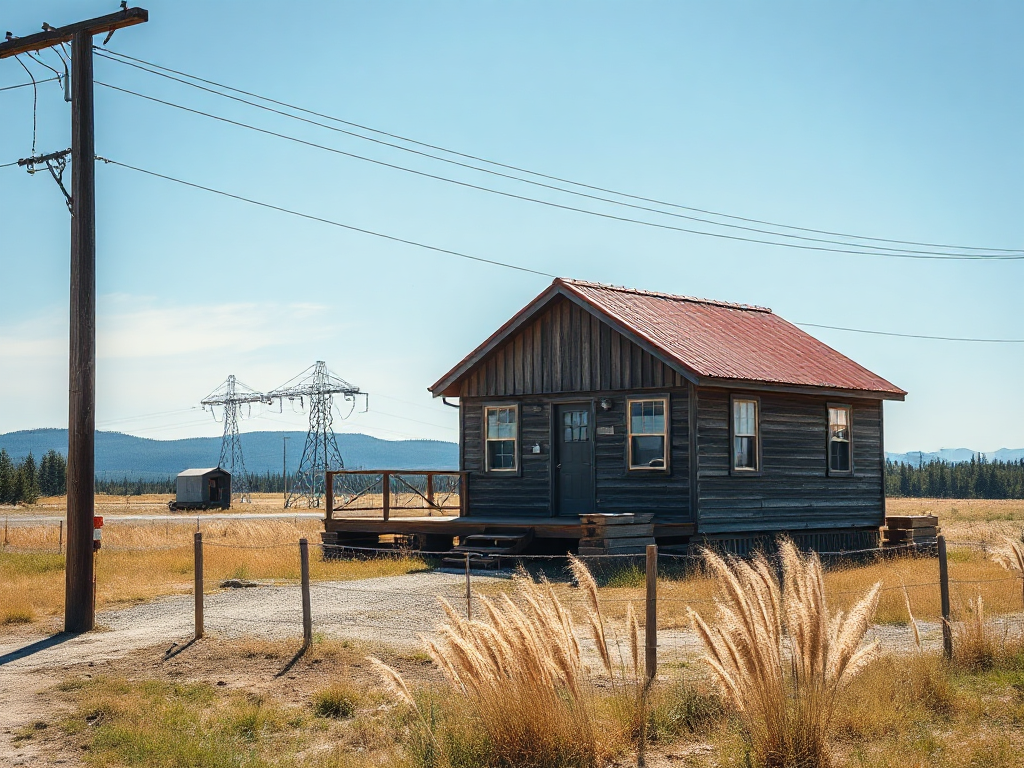
Becoming self-sufficient off-grid commonly costs about $100,000 to $500,000 or more, depending on land, housing, water, energy, food production, labor, and local site conditions. A modest setup may begin below that range if suitable land and a habitable structure already exist, while raw land with a new home and redundant utilities can exceed it quickly. Solar-battery capacity, wells or cisterns, septic work, access roads, permitting, and equipment replacement create the largest cost swings. The safest approach is to fund shelter, reliable water, sanitation, and a repair reserve before expanding gardens, livestock, or workshop systems. Treat self-sufficiency as a staged reduction in outside dependence rather than a single purchase.
The Main Cost Ranges for an Off-Grid Transition
The cost of becoming self-sufficient off-grid depends less on a single equipment package than on how many household functions must be replaced at once. A person moving into an existing rural home with a working well may spend tens of thousands of dollars improving solar storage, water treatment, food production, and backup systems. Someone buying raw land and building a dwelling may face a total investment in the low hundreds of thousands before daily life is comfortable.
A useful planning distinction is between habitable independence and fuller self-reliance. Habitable independence means having dependable shelter, potable water, sanitation, electricity, heating, cooking, and communications. Fuller self-reliance adds preserved food, productive soil, seed storage, livestock, fuel handling, tools, spare parts, and the skills to maintain them. The second goal is considerably more expensive because it adds infrastructure and ongoing labor rather than merely replacing utility bills.
For rough planning, consider three scenarios:
- Existing structure: roughly $40,000 to $150,000 for upgrades when land, shelter, and some utilities are already suitable.
- Small new homestead: roughly $150,000 to $350,000 for land, a modest dwelling, core utilities, access work, and initial production systems.
- Highly redundant setup: $350,000 and upward when the project includes a substantial home, large solar storage, multiple water sources, workshops, livestock infrastructure, and extensive site work.
These are planning bands, not quotes. Regional labor, difficult terrain, frost depth, distance from suppliers, building rules, and the condition of existing structures can alter the result sharply. A cheap parcel may become expensive after road construction, drilling, septic engineering, or clearing. The common mistake is to price panels and garden beds first while treating land access, water testing, insurance, taxes, and repairs as minor details. Those hidden costs often determine whether the project remains viable.
Land, Shelter, Water, and Sanitation Costs
Land and shelter usually form the largest part of an off-grid budget. Raw acreage may appear affordable, but price alone says little about whether it can support year-round living. Before purchasing, verify legal access, usable building areas, water prospects, drainage, wildfire or flood exposure, soil conditions, and the rules governing an off-grid dwelling. A parcel that requires a long driveway, extensive grading, or a difficult well can erase the apparent bargain.
Shelter costs range from adapting an existing permitted structure to constructing a new house or cabin. Reusing a sound building may reduce framing and foundation expenses, but older properties can hide roof, insulation, wiring, structural, or moisture problems. A small new dwelling may control material and heating costs, yet it still needs a foundation, windows, ventilation, cooking space, storage, and code-compliant utilities where required. A tiny footprint does not automatically mean a low-cost project if specialized construction or difficult delivery is involved.
Water deserves priority because every other system depends on it. A drilled well may require geological assessment, drilling, pump equipment, pressure components, storage, treatment, and laboratory testing. Rainwater collection can supplement supply, but roof area, seasonal rainfall, tank volume, filtration, and freezing conditions determine whether it is dependable. Surface water may be available but can introduce treatment, contamination, and legal complications. The least expensive reliable arrangement is often a primary source paired with stored reserves rather than an elaborate system built before demand is known.
Sanitation has similar consequences. Septic installation, composting toilets, greywater handling, and wastewater dispersal each have different site and regulatory requirements. Do not assume that a composting toilet removes the need to manage liquids or obtain approvals. A practical budget should include testing, design, permits, excavation, replacement parts, and a way to operate during pump or treatment failures. The weak assumption is that an off-grid home eliminates infrastructure; it usually changes who owns, maintains, and pays for that infrastructure.
For a property already under consideration, create a site-cost worksheet before making an offer. Record the distance from the road, estimated utility routes, water source, slope, soil observations, seasonal access, and likely contractor mobilization. Compare that total with a more expensive parcel that already has a habitable building and established access. Paying more for a workable site can be cheaper than correcting a poor one.
Energy Systems and Backup Capacity
Energy costs are driven by the loads a household chooses to retain. A small, efficient cabin using propane for cooking and heating may need a modest solar array and battery bank. A conventional electric lifestyle with resistance heating, large refrigeration loads, workshop tools, pumps, and frequent laundry requires much more generation and storage. Reducing demand before buying equipment usually produces a better result than simply enlarging the system.
A complete energy budget includes panels, racking, charge controllers, an inverter, batteries, disconnects, wiring, monitoring, installation, and protection from weather or theft. It should also account for generator backup, fuel storage, maintenance, and eventual battery or inverter replacement. Solar production is seasonal, and several cloudy days can matter more than the average sunny day. A system sized only for ideal conditions may appear adequate during summer and fail during winter heating or pumping demands.
Start by measuring actual loads where possible. A refrigerator, well pump, pressure system, freezer, communications equipment, ventilation fan, and workshop tool each have different startup and running requirements. Heating deserves separate treatment: electric resistance heat can overwhelm a small system, while wood, propane, or a high-efficiency heat pump may shift costs into fuel, equipment, or firewood labor. No option is free; the relevant comparison is total cost, reliability, maintenance, and local availability.
For example, a household might choose a smaller solar system with a propane refrigerator and wood heat, then discover that fuel delivery and firewood processing consume more time than expected. A larger battery bank could improve convenience but add substantial upfront cost and replacement exposure. Conversely, a highly efficient home may justify more electrical equipment because lower demand allows the array and battery system to remain manageable. The right design follows measured demand rather than an aspirational appliance list.
Keep a critical-load panel or clearly defined emergency circuit where practical. Water pumping, refrigeration, communications, and essential lighting should receive priority over discretionary tools. Test the generator under load, rotate fuel according to its storage requirements, and keep fuses, filters, connectors, and compatible tools on hand. A common failure mode is buying generation capacity without planning for repair access; a failed inverter during a remote winter can be more disruptive than a smaller system with documented spares and a workable backup.
Food Production, Tools, and Operating Reserves
Food self-sufficiency is usually a gradual production project, not a first-year purchase. A garden requires fencing, water distribution, soil amendments, hand tools, seed, season-extension equipment, storage, and time. Livestock adds shelter, pasture or feed, veterinary care, fencing, handling equipment, and protection from predators. Preserving food may require a pressure canner, dehydrator, freezer capacity, jars, fuel, or a suitable cool storage area.
The cost depends on the level of independence intended. Growing fresh vegetables is much less expensive than producing staple calories, animal protein, cooking oils, and winter feed. A few raised beds may supply useful produce while revealing deer pressure, poor drainage, or insufficient water. Expanding only after observing a full growing season reduces the risk of investing in infrastructure that does not match the site.
Tools are another overlooked category. Reliable hand tools, chainsaw equipment, ladders, pumps, welding or carpentry tools, sharpening supplies, protective gear, and spare hardware support both production and repairs. Buying the cheapest version of every tool can increase lifetime cost when failures require urgent replacement or long travel. Buying advanced machinery too early creates a different problem: expensive equipment may sit unused while fuel, maintenance, and storage needs accumulate.
A sensible approach is to separate capital costs from operating costs. Capital includes fencing, greenhouse frames, sheds, orchards, water lines, and processing equipment. Operating costs include seed, feed, fuel, soil inputs, replacement parts, repairs, taxes, insurance, and purchased food during poor harvests. A household can be highly productive and still need cash for items it cannot efficiently make, such as medicines, batteries, metal components, internet service, or professional repairs.
Keep a cash reserve rather than assigning every dollar to construction. The reserve covers a failed pump, damaged roof, animal loss, generator repair, vehicle trouble, or a harvest that does not meet expectations. Signs the plan is working include lower purchased utility use, reliable water through difficult weather, preserved food that is actually consumed, and systems the household can repair. Signs it is failing include constant emergency purchases, deferred maintenance, chronic fatigue, and production that costs more in inputs than the equivalent food or service would have cost to buy.
A Staged Budget That Limits Expensive Mistakes
The safest financial path is to build independence in stages, validating each system before adding the next. Begin with a property and shelter assessment, then establish water, sanitation, heating, and basic electrical reliability. Food production and workshops should follow once the household can manage ordinary life without constant infrastructure emergencies.
A practical sequence is:
- Confirm the site: investigate access, water, soil, hazards, permits, taxes, and insurance before purchase.
- Make the dwelling efficient: address insulation, air sealing, roof condition, ventilation, and safe heating before expanding generation.
- Secure water and sanitation: test the source, size storage around real use, and document treatment and failure procedures.
- Install measured energy capacity: track loads, protect critical circuits, and budget for backup fuel and replacement parts.
- Trial food systems: begin with crops and preservation methods suited to the site, then expand into livestock or perennial plantings.
- Review each season: compare planned and actual spending, labor hours, outages, repairs, yields, and purchased inputs.
This sequence also clarifies where to spend more. Water testing and structural repairs are poor places to economize because failures affect safety and the entire household. Decorative finishes, oversized workshops, and complicated automation can wait. A person with limited funds may be better served by an existing home with dependable access and a smaller energy system than by cheap remote land requiring major excavation and a new dwelling.
Use a written budget with three columns: initial installation, annual operation, and replacement timing. Include labor even if the work is done personally; time spent processing firewood or repairing fences has an opportunity cost. Compare each proposed system with a lower-complexity alternative, such as a root cellar versus a large freezer, gravity-fed storage versus a powered pressure system where terrain permits, or a smaller garden versus livestock feed production. The objective is not to eliminate every outside purchase. It is to reduce vulnerability without creating a maintenance burden larger than the household can carry.
For more detailed planning, connect this cost analysis with How much does it cost to become self-sufficient off-grid as a living budget document, updating it after site inspections and seasonal tests. A related land assessment should also examine How much does it cost to become self-sufficient off-grid through the lens of water, access, and productive ground rather than acreage alone. Revisit How much does it cost to become self-sufficient off-grid whenever the household changes heating, transportation, livestock, or food-preservation plans.
For project-specific decisions, consult local building and environmental health departments, county planning offices, university extension publications, and official documentation for wells, septic systems, solar equipment, and water treatment. These sources can clarify requirements and operating limits that broad cost estimates cannot establish for a particular parcel.
Frequently Asked Questions
Can someone become self-sufficient off-grid for under 0,000?
Possibly, especially when suitable land and a habitable structure already exist. A new remote homestead with independent water, sanitation, heating, and food systems is much less likely to fit that budget.
What should be funded first?
Prioritize safe shelter, dependable potable water, sanitation, efficient heating, basic electricity, and an emergency cash reserve before gardens, livestock, or large workshops.
Is solar power the largest expense?
It can be substantial, but land, construction, wells, septic work, roads, and site preparation may cost more. Electrical demand and the need for winter backup determine the solar budget.
Does growing food make an off-grid home self-sufficient?
No. Food production addresses only one part of household dependence. Water, energy, sanitation, shelter maintenance, transportation, healthcare, tools, taxes, and replacement parts still require planning and often cash.
How can the budget be kept under control?
Inspect the site before buying, reduce household energy demand, test one growing season before expanding, compare annual operating costs, and preserve a repair reserve instead of spending the entire budget on installation.
Further Reading
Authoritative Sources
- Academy of Nutrition and Dietetics
eatright.orgProfessional nutrition guidance, healthy eating resources, and practical dietitian-reviewed advice.
- U.S. Department of Agriculture
usda.govOfficial food, nutrition, agriculture, and consumer guidance from the USDA.
- NIH Office of Dietary Supplements
ods.od.nih.govResearch-based fact sheets on nutrients, supplements, dietary intake, and safety considerations.
- International Society of Sports Nutrition
sportsnutritionsociety.orgEvidence-informed sports nutrition resources and position stands for active people and athletes.
Conclusion
A realistic off-grid budget begins with the site and the household’s required level of independence, not with a catalog of equipment. Shelter, water, sanitation, access, heating, and dependable backup power deserve priority because failure in any of these areas can make food production or workshop improvements irrelevant. Build in stages, measure actual energy and water use, and treat maintenance, permits, fuel, taxes, and replacements as part of the cost rather than afterthoughts. A modest system that the household understands and can repair may outperform a larger installation with complicated dependencies. Before committing funds, inspect the parcel, price the infrastructure locally, identify the first year’s operating costs, and retain enough cash to handle an unexpected pump, roof, vehicle, or power-system failure.