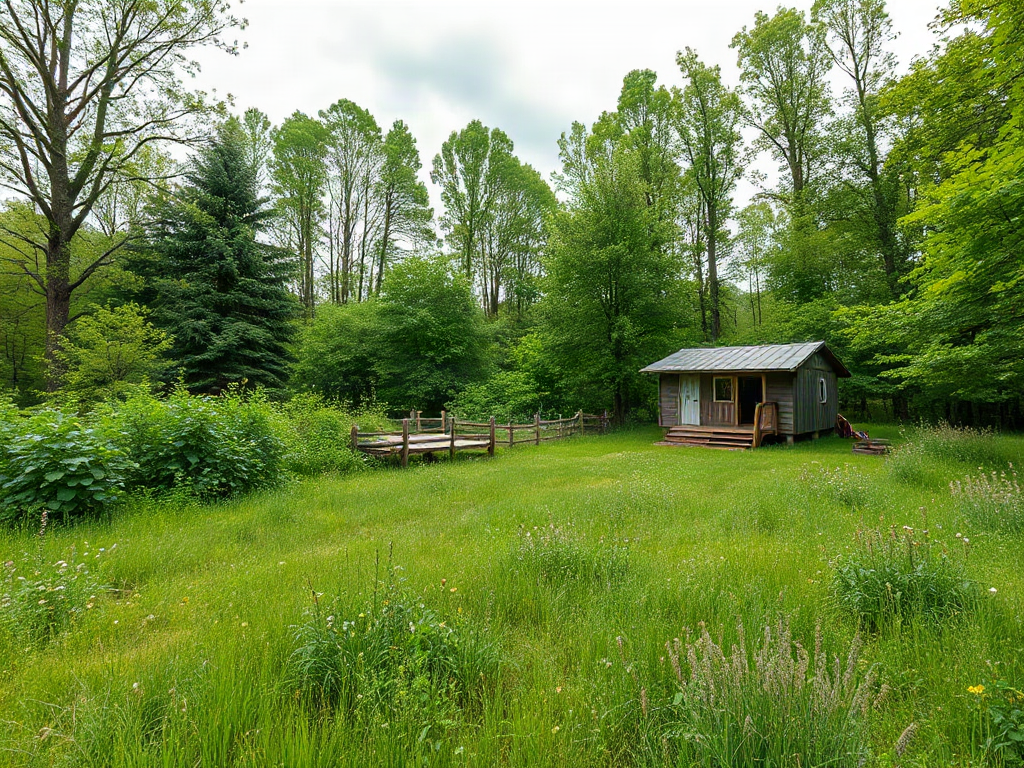
Build a self-sustaining homestead gradually by stabilizing household needs first, then adding food, water, soil, energy, and livestock systems only as your skills and capacity expand. Begin with a site assessment, a manageable garden, composting, rainwater storage where permitted, and records of costs and harvests. Add preservation, perennial crops, backup utilities, or animals after earlier systems work reliably through a full season. Favor connected systems—such as compost feeding garden soil and roof runoff serving irrigation—over isolated projects, and retain outside income and essential services until the property consistently supplies measurable needs without exhausting its people or resources.
What Should Your Homestead Produce First?
A practical homestead begins with a defined household need rather than a collection of unrelated projects. Decide whether the first priority is fresh vegetables, lower utility dependence, preserved food, eggs, heating fuel, or another measurable output. That choice determines where limited money, labor, and space should go. A household that buys substantial produce every week may gain more from a fenced kitchen garden than from acquiring animals, while a property with frequent power interruptions may need backup lighting and safe water storage before another growing bed.
Full independence is rarely a useful starting target. Fuel, medicine, machinery parts, internet access, taxes, and specialized services often remain external even on highly productive properties. A better working definition of self-sustaining is that the homestead can repeatedly meet selected needs without degrading its soil, finances, water supply, or residents. The word repeatedly matters: one abundant harvest does not prove that a system is durable if it depended on purchased soil, excessive irrigation, or unsustainable labor.
Start by recording the household’s present consumption for several weeks. Note how much produce is used, which foods are actually eaten, when water demand peaks, and how many hours are available for daily and seasonal work. This prevents a common mistake: producing crops the household does not use while continuing to purchase its staples. A couple that cooks with tomatoes, herbs, salad greens, beans, and winter squash should prioritize those crops instead of selecting plants solely because they appear on broad homesteading lists.
Translate the findings into one-year targets that can be checked. Suitable targets might include supplying summer herbs and greens, preserving a modest shelf of tomato sauce, diverting garden waste into compost, or maintaining several days of stored household water. Attach each goal to a limit for spending and weekly labor. If a goal repeatedly exceeds either limit, reduce its scale rather than allowing it to consume every weekend.
The main failure signal at this stage is unfinished infrastructure: half-built fencing, unused containers, neglected beds, and equipment purchased without an operating routine. A focused first year may look less ambitious, but it creates reliable habits and usable records. Choose two or three connected outputs, establish how they will be measured, and delay attractive side projects until those outputs are routine.
Which Systems Should You Build Before Expanding?
Access, drainage, water delivery, soil fertility, storage, and protection from animals form the operating base of a productive property. Correcting these features later can require moving beds, pipes, sheds, or fencing, so observe the site through rain, heat, cold, and seasonal changes before committing to permanent placements. Map sunny areas, low spots, prevailing winds, vehicle routes, roof runoff, existing vegetation, utility lines, and the distance between work areas.
Water deserves early attention because every food system depends on its availability and movement. Begin by calculating how irrigation water will reach the garden during the driest expected period. A rain barrel may be useful for seedlings or a few containers, but its limited volume should not be treated as a complete drought plan. Larger catchment, ponds, wells, or household-water reuse involve site conditions, treatment concerns, local rules, and potentially professional installation. Stored water intended for drinking requires different safeguards from irrigation water, and untreated collection should not be assumed potable.
Build soil through repeatable inputs rather than annual rescue purchases. Compost kitchen scraps that are appropriate for the chosen composting method, collect leaves, retain crop residues that are free from serious disease, and keep soil covered with crops or suitable mulch. A soil test from a reputable laboratory or extension service can reveal pH and nutrient conditions before amendments are applied. Adding fertilizer or lime without test-based reasoning can waste money and create imbalances.
Place frequently visited systems close to normal household movement. A salad bed near the kitchen and a compost station along the path to it are more likely to receive daily attention than equivalent systems at the far boundary. Trees, grazing areas, coppice plantings, and bulk-material storage can occupy more distant zones because they need less frequent access. Convenience is not cosmetic; it affects whether watering, harvesting, cleaning, and observation happen on time.
Protection should match the actual pressure on the property. A short decorative fence may deter neither deer nor determined poultry, while extensive fencing is unnecessary where the main problem is a few digging animals. Test a compact protected growing area before enclosing a large field. Signs that the foundation is working include predictable irrigation time, compost that is actively processed rather than merely piled, passable access after rain, and beds that can be maintained without emergency purchases. Persistent standing water, recurring wildlife losses, and hoses stretched across traffic routes indicate that layout problems should be corrected before expansion.
A Phased Plan for Adding Food, Water, and Energy
Phased development limits simultaneous failures and lets each completed system support the next. The pace should follow seasons and demonstrated capacity rather than a fixed deadline. A productive garden may be established in one year on a favorable site, while soil repair, orchard establishment, water works, and dependable energy systems can take several years. Renting equipment, hiring skilled work, or continuing to buy food does not invalidate the plan; those choices may prevent expensive mistakes.
| Phase | Primary Work | Evidence to Advance |
|---|---|---|
| 1: Observe and stabilize | Map the site, track consumption, repair access, test soil, and establish safe storage | Seasonal constraints and recurring household needs are documented |
| 2: Produce and cycle | Grow annual crops, compost organic material, improve irrigation, and preserve small harvests | Core routines work through a complete growing season |
| 3: Add permanence | Plant perennials, improve catchment, expand storage, and add durable fencing | Maintenance remains manageable during peak weeks |
| 4: Integrate carefully | Consider livestock, renewable energy, larger preservation capacity, or managed woodland | Feed, backup plans, operating funds, and daily care are secure |
During the production phase, select crops that fit local conditions and household meals. Quick crops provide feedback, but storage crops and preservation skills extend value beyond harvest day. Practice freezing, dehydrating, fermenting, or canning in small batches using tested food-safety instructions appropriate to the method. Buying a large pressure canner before knowing whether the household will use canned foods is less sensible than borrowing equipment or starting with a preservation method that matches the first harvest.
Perennial crops belong in the plan early enough to mature, but not before drainage, sunlight, mature plant size, and access are understood. A fruit tree planted in a wet traffic area can become a long-term obstacle. Begin with a few well-sited trees, shrubs, or perennial herbs and learn their pruning, pest, and harvest demands before installing an orchard. Annual beds remain valuable because they can be moved and adjusted while the permanent layout develops.
Livestock should generally follow secure fencing, dependable water, feed storage, manure handling, shelter, and an absence-care plan. Chickens may convert some household and garden materials into manure and eggs, but they also require purchased feed in many settings and can destroy unprotected beds. Animals amplify both good and poor management. Start with a species and group size that the household can support during bad weather, illness, travel, or a failed harvest—not merely under ideal summer conditions.
Energy projects require the same restraint. Reducing demand through insulation, efficient appliances, shading, and thoughtful scheduling may be more economical than attempting to generate enough power for inefficient loads. Solar electricity, batteries, wood heat, and generators carry different installation, maintenance, fuel, ventilation, fire, and permitting considerations. Qualified trades and local authorities should handle work where electrical, structural, combustion, or code compliance is involved.
How Do You Know When the Homestead Is Ready to Grow?
A homestead is ready for expansion when existing systems produce useful outputs without recurring crises, hidden debt, or unsustainable labor. Measure performance by season rather than by a single successful week. Record harvest weights or container counts, preservation losses, purchased inputs, water use, equipment repairs, animal feed, and hours worked. Precision is less important than consistency; even a simple notebook can show whether output is rising while cost and effort remain acceptable.
Look for connections that reduce recurring work. Roof runoff routed to a permitted irrigation store can shorten hose use. Finished compost can replace part of the imported material needed by garden beds. Crop residues may contribute carbon to compost, while leaf mold protects soil and moderates moisture loss. These links do not make inputs disappear, but they turn unavoidable by-products into useful resources. A system becomes more resilient when one failed component does not disable everything else.
Before adding a project, run a capacity check:
- Labor: Can routine care continue during the busiest planting, harvest, or preservation week?
- Money: Are purchase, installation, maintenance, and replacement costs covered without depending on optimistic savings?
- Inputs: Where will seed, feed, fertility, fuel, parts, and clean water come from during a disruption?
- Backup: What happens during illness, drought, equipment failure, or several days away?
- Use: Will the household eat, store, trade, or otherwise use the expected output?
Expansion is premature when basic tasks are consistently late, food spoils for lack of storage, weeds go to seed, animals depend on improvised care, or essential repairs are deferred to fund new projects. Those signals call for simplification. Reduce bed area, grow fewer crop varieties, automate a well-understood irrigation zone, or pause animal plans until the bottleneck is resolved. More acreage and equipment can increase fragility when management capacity is already exceeded.
Compare redundancy with duplication. Two independent ways to obtain water—such as a maintained well and stored emergency supply—may provide useful resilience. Two neglected pumps of the same type do not. Likewise, keeping seeds, tools, and repair parts has value only when they are labeled, protected, and periodically checked. Review records at the end of each season, keep the systems that earned their labor, redesign weak links, and choose the next project based on the largest documented household need.
Frequently Asked Questions
How much land is needed for a self-sustaining homestead?
No single acreage guarantees self-sufficiency. Household goals, climate, soil, water, zoning, diet, and labor matter more than a universal number. A modest property can supply vegetables, herbs, compost, and some fruit, while grazing animals and fuel production generally require more suitable land.
What is the best first homestead project?
Choose a protected garden sized for foods the household already eats, supported by a soil test, convenient water, and a compost routine. It develops observation and seasonal skills without the daily obligation or infrastructure required by livestock.
Should livestock or an orchard come first?
A few well-sited perennial plants can begin maturing while garden skills develop. Livestock should wait until fencing, water, shelter, feed storage, manure handling, and backup care are in place.
Can a homestead become completely independent?
Complete independence is an unrealistic benchmark for most households because taxes, health care, tools, fuel, parts, and other specialized needs remain external. Measure progress by reliable reductions in selected dependencies without damaging finances or natural resources.
How can a homestead be expanded on a limited budget?
Repair and reuse sound materials, borrow rarely used equipment, grow at a scale that avoids waste, and invest first in infrastructure that serves several systems. Avoid animals, machinery, or permanent installations whose continuing costs exceed their realistic output.
Conclusion
Durable homestead development comes from finishing useful systems and proving them through changing seasons. Define which household needs matter most, observe the property before fixing permanent layouts, and establish access, water delivery, soil care, storage, and protection before adding complex enterprises. Records should guide each expansion: reliable output, manageable labor, affordable inputs, and a workable backup plan are stronger signals than enthusiasm alone.
Choose one current bottleneck and address it before purchasing the next major asset. That may mean shortening an irrigation route, improving fencing, testing soil, reducing an oversized garden, or practicing preservation with a small harvest. Once the existing system works without repeated rescue, add the next connected layer. Gradual progress protects the household from overextension while allowing food production, resource cycling, and infrastructure to become more dependable each year.