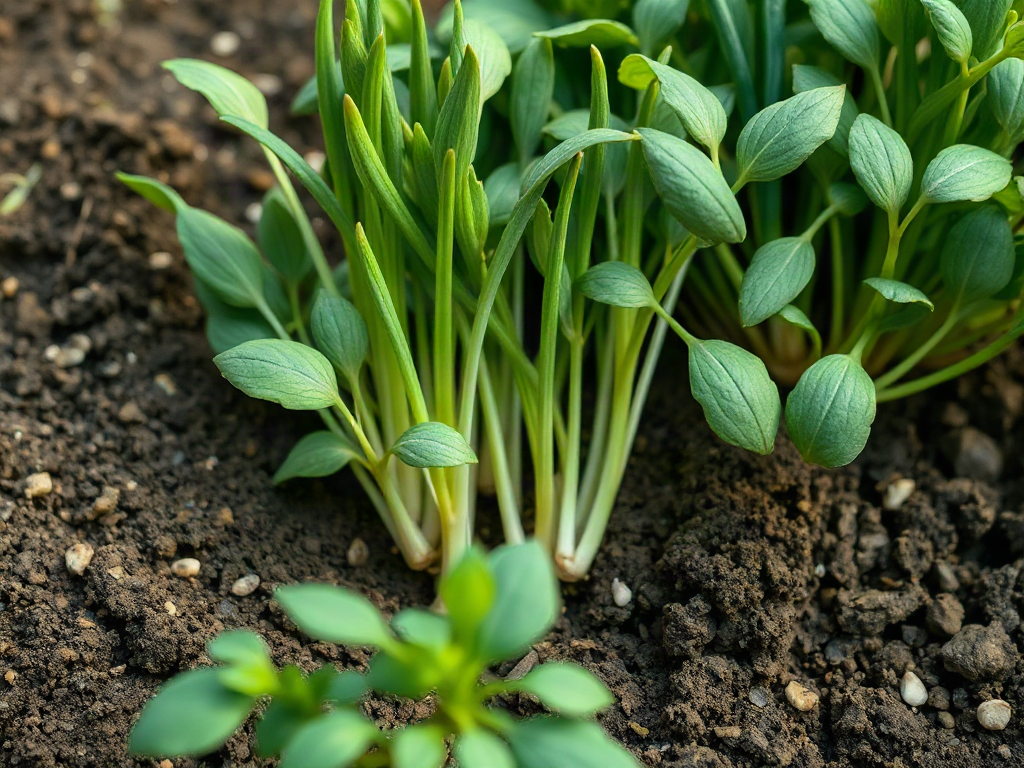
Self-seeding vegetables for low-input gardens work best when hardy, open-pollinated crops are allowed to flower, mature seed, and drop it onto lightly disturbed soil. Arugula, lettuce, radish, mustard greens, chard, and certain tomatoes are dependable candidates, but their success depends on climate, seed maturity, moisture, and leaving some bare ground beneath parent plants. A managed seed bank reduces annual sowing without creating a maintenance-free garden: volunteers still need identification, thinning, and occasional relocation. Reserve small seed-producing patches, avoid heavy mulch there, and remove weak or unwanted plants before flowering so future generations remain useful rather than crowded or weedy.
Which Vegetables Reliably Sow Themselves?
Reliable self-sowers share three useful traits: they complete seed production within the local growing season, their seed survives ordinary garden conditions, and their seedlings are recognizable before weeds overwhelm them. Fast annual greens usually meet these requirements better than long-season vegetables. Arugula, garden cress, mustard greens, lettuce, radish, cilantro, dill, and orach can produce abundant seed after their edible stage. Parsley, chard, and some kale may also reseed, but as biennials they generally need to survive winter before flowering in their second year.
Tomatoes offer a different route. Fallen fruit can carry viable seed through mild winters or protected compost, producing clusters the following spring. Cherry tomatoes often volunteer readily because many fruits escape harvest and contain numerous seeds. The resulting plants may emerge late, however, and fruit quality can vary if the parent was a hybrid. Tomatillos can also volunteer heavily where winters do not destroy the seed, but they require enough compatible plants nearby for pollination.
Not every vegetable advertised as easy to grow is a practical self-sower. Carrots and beets take a long time to make seed and may be harvested before that happens. Squash, cucumbers, and melons readily cross with compatible varieties of the same species, so volunteer fruit may not resemble the crop originally planted. Beans and peas can drop viable seed, yet damp ground, rodents, and hard freezes often make their return inconsistent. Root crops also occupy valuable space for months while flowering.
A sensible first selection combines quick greens with one or two plants grown specifically for seed. Let a patch of arugula finish flowering while harvesting neighboring rows normally. Keep one healthy lettuce plant from each sowing and allow it to develop dry, feathery seed heads. This approach provides continuity without sacrificing an entire crop.
Choose crops according to their role rather than the promise of zero effort. Lettuce and arugula provide repeat leaves, radish contributes edible pods as well as seedlings, and dill or cilantro supports insects before dropping seed. The broader approach to Self-seeding vegetables for low-input gardens works most predictably when each crop has both a culinary use and a realistic path to seed maturity.
How to Build a Productive Garden Seed Bank
A garden seed bank develops where ripe seed meets suitable soil at the right season. Seed falling onto dense mulch, landscape fabric, or an unbroken mat of vegetation may never contact moist soil. By contrast, a thinly mulched strip with scattered bare patches gives small seeds enough light, moisture, and contact to germinate. The objective is not exposed soil everywhere; it is a deliberate seed-catching zone near selected parent plants.
Mark these zones before plants bolt. A narrow strip along a bed edge is easier to protect than seed scattered throughout several beds. Once seed heads turn brown and dry, bend or shake them over the prepared surface. Some seed can remain standing for birds and gradual dispersal, while a portion should be collected as insurance. Store only fully dry seed in a labeled paper envelope kept in a cool, dry place. That reserve is valuable after an unusually wet winter, accidental cultivation, or poor natural germination.
Water management determines whether the system lowers labor or merely shifts it. Seedlings need dependable surface moisture, whereas established vegetables draw from deeper soil. Light autumn rain may establish cilantro or mustard without irrigation, but a dry spring can kill newly emerged lettuce in days. Where rainfall is unreliable, place self-seeding patches near crops already receiving water rather than creating a separate irrigation task.
Soil disturbance should be shallow and timed. A hand rake dragged lightly over the seed zone can open germination sites without burying tiny lettuce or arugula seed deeply. Deep digging moves seed below its useful depth and brings older weed seed to the surface. Thick compost applied directly over the zone can have the same burying effect; spread compost before seed fall or place it around, rather than on top of, emerging seedlings.
The common mistake is allowing every plant to seed during the first year. That creates a pulse of thousands of seedlings, followed by crowding and disease-prone foliage. Select vigorous, healthy parent plants with acceptable flavor and delayed bolting. Remove bitter, diseased, weak, or prematurely flowering specimens before their seed ripens. Selection turns random volunteers into a gradually adapted population, while indiscriminate seed drop preserves traits the gardener may not want.
Managing Volunteers Without Adding Much Work
Volunteer seedlings become low-input crops only when they can be identified and edited quickly. During the first season, photograph seedlings beside labeled parent plants or leave a marker where seed was dropped. Lettuce begins as a small rosette, cilantro develops narrow seed leaves followed by lobed foliage, and radish soon forms rough, slightly hairy true leaves. Identification should occur before pulling weeds, because a fast hoeing pass can erase the next crop.
Thin early rather than waiting for plants to compete. Dense seedlings appear productive, but crowded roots produce smaller leaves, earlier bolting, and slower drying after rain. Leave the strongest plants at spacing appropriate to how they will be harvested. Baby lettuce can remain relatively close if entire plants are removed young; heading lettuce needs substantially more room. Radishes crowded into a carpet may still provide greens, but they rarely form useful roots.
Transplanting volunteers extends their value without requiring tray-grown starts. Move young lettuce, chard, kale, or tomato seedlings when they have several true leaves and the weather is mild. Lift a small plug of surrounding soil to reduce root disturbance, water the new location, and provide temporary shade if conditions are hot. Cilantro and mature radish dislike root disruption, so thinning them in place is usually more efficient than relocation.
A compact management check keeps the system intentional:
- Keep: healthy seedlings in useful positions with enough room to mature.
- Move: robust young plants growing in paths or beneath taller crops.
- Harvest: crowded seedlings as baby greens when identification is certain.
- Remove: diseased plants, unwanted crosses, and volunteers that threaten slower crops.
Signs of success include staggered emergence, healthy plants in several age groups, and enough seed saved to recover from bad weather. Warning signs include one overwhelming flush, seedlings confined to paths, recurring leaf disease, or seed heads maturing where weeds cannot be controlled. In those cases, reduce the number of parent plants and concentrate future seed fall in a clearly defined strip.
Self-sowing should complement planned sowing rather than replace it immediately. A packet of fresh seed offers predictable variety, spacing, and timing; volunteers offer resilience and reduced handling. Combining both is more reliable than depending on a single natural flush, especially where summer heat or winter cold creates a narrow germination window.
Climate, Cross-Pollination, and Seed Quality
Local weather decides which self-seeding habits are assets and which become liabilities. In cold climates, winter may kill biennial parent plants or exposed seed, making spring-sown annual greens the safer focus. Mild winters favor parsley, kale, chard, and overwintered lettuce, but they also allow volunteers to spread beyond their allotted beds. Hot climates often support autumn germination of cilantro, arugula, and mustard, while spring seedlings may bolt before producing much food.
Observe when natural seedlings appear rather than forcing every crop into a conventional sowing calendar. Cilantro dropped in early summer may remain dormant through heat and emerge with cooler autumn weather. Lettuce seed often germinates poorly in hot soil but returns once temperatures moderate. This delayed response is not necessarily failure; it can be the seed bank waiting for a tolerable window. Keep backup seed before assuming weather will repeat from one year to the next.
Variety type also affects predictability. Open-pollinated varieties can reproduce with recognizable characteristics when isolated from compatible varieties, although natural variation still occurs. Seed saved from a hybrid plant may germinate well but produce offspring with different size, flavor, maturity, or disease response. Those plants are not automatically unusable, but they should be evaluated rather than assumed identical to the parent.
Cross-pollination matters most when the harvested result depends on a specific variety. Different lettuce varieties can cross when flowering together, though lettuce often self-pollinates. Brassica relationships are more complicated: kale, cabbage, broccoli, and other compatible forms may exchange pollen if they belong to the same species and flower simultaneously. Squash crosses occur only among compatible members of the same species, not indiscriminately among every squash. Gardeners preserving a named variety should consult crop-specific seed-saving guidance and control flowering neighbors.
For ordinary household greens, strict purity may be less important than flavor, vigor, and manageable flowering time. For storage vegetables, signature varieties, or seed intended for sharing under a variety name, controlled seed saving is the better method. Treat Self-seeding vegetables for low-input gardens as field selection for household use, not as a substitute for careful varietal preservation.
A Seasonal Method for Establishing the System
The first year should test a few crops rather than convert the whole garden. Sow familiar open-pollinated varieties and label them clearly. During harvest, reserve several healthy plants in locations that can remain occupied through flowering and seed maturity. A lettuce plant can become tall and branch widely; a radish left for pods may occupy far more room than it did at root-harvest size. Place seed parents where they will not shade short crops or block paths.
As flowers develop, continue removing plants with undesirable traits. Do not save seed from a lettuce that bolted before producing a useful harvest unless extreme earliness is specifically wanted. Avoid collecting from plants showing persistent disease symptoms. Allow chosen seed heads or pods to dry as fully as weather permits, then distribute some seed and retain some indoors. If prolonged rain threatens, cut nearly mature stalks and finish drying them under cover with good airflow.
During the next germination period, protect marked seed zones from deep cultivation and heavy mulch. Water only when natural moisture is inadequate, then record where and when seedlings emerge. Thin them to usable spacing, move a limited number, and compare their performance with intentionally sown plants. The comparison reveals whether natural timing actually fits the site.
By the second or third cycle, reduce crops that create excessive cleanup and expand those that return at useful times. A gardener in a mild coastal climate might retain autumn cilantro, spring lettuce, and occasional tomato volunteers. A colder inland site may rely more on spring arugula and mustard while saving biennial seed manually. Low input comes from matching biology to the site, not insisting that every vegetable behave as a perennial.
Review the system at the end of each season. Note whether seed matured, where seedlings appeared, how many were useful, and whether volunteers interfered with crop rotation. If a bed needs a clean break because of recurring pests or disease, collect seed and sow it elsewhere rather than preserving continuity in the same soil. The method is working when fewer deliberate sowings are needed without surrendering bed access, plant health, or harvest quality.
Frequently Asked Questions
Do self-seeding vegetables come back true to type?
Open-pollinated crops may remain similar to their parents, especially if compatible varieties did not flower nearby. Hybrid offspring and cross-pollinated plants can differ in flavor, form, and maturity.
Should mulch be removed where vegetables drop seed?
Leave small, lightly mulched or bare seed-catching patches. Thick mulch can prevent tiny seeds from reaching soil, though surrounding mulch remains useful for established plants and weed suppression.
Which self-seeding vegetables are easiest for a first attempt?
Arugula, lettuce, radish, mustard greens, cilantro, and dill are practical starting choices because they flower and mature seed relatively quickly under suitable conditions.
Can volunteer seedlings be transplanted?
Young lettuce, chard, kale, and tomato volunteers usually move well with a plug of moist soil. Transplant during mild weather and avoid disturbing crops such as mature radish or cilantro.
How do I stop self-seeding crops from becoming weeds?
Limit the number of seed parents, collect mature seed before excessive shedding, thin seedlings promptly, and remove unwanted plants before they flower. Defined seed zones make control much easier.
Conclusion
A productive self-sowing system is selective rather than wild. Begin with quick, recognizable crops such as lettuce, arugula, radish, cilantro, or mustard, and reserve only healthy plants with desirable harvest traits. Give falling seed a lightly disturbed patch of soil, retain a dry backup supply, and watch for the season when natural germination occurs. Early thinning and firm boundaries prevent volunteers from competing with planned crops or turning paths into seedbeds. Compare returned plants with deliberately sown ones for several cycles before expanding the method. If seedlings arrive at useful times and retain acceptable flavor and vigor, keep selecting them; if weather, crossing, or disease makes them unreliable, collect seed and restart in a better location.